



05
2026
-
04
The Essential Guide to Nonwoven Fabric Polypropylene: Properties and Applications
Nonwoven fabric polypropylene (PP) is a synthetic textile material made from polypropylene fibers, which are produced through a process called melt blowing or spunbonding. This type of fabric is widely recognized for its unique characteristics, making it an ideal choice for numerous applications across various industries. One of the most notable properties of nonwoven fabric polypropylene is its l

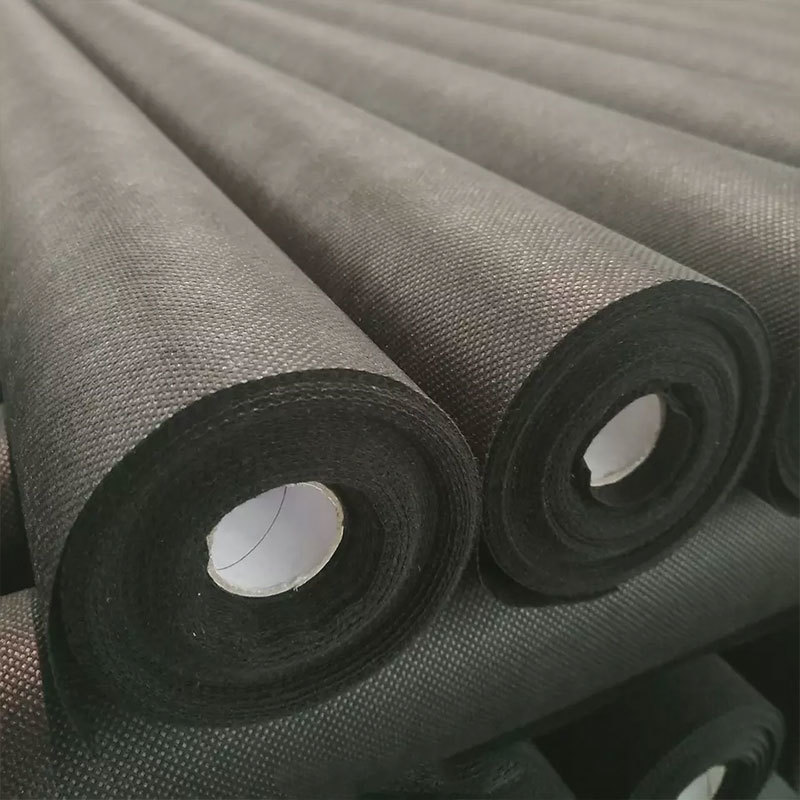
Nonwoven fabric polypropylene (PP) is a synthetic textile material made from polypropylene fibers, which are produced through a process called melt blowing or spunbonding. This type of fabric is widely recognized for its unique characteristics, making it an ideal choice for numerous applications across various industries.
One of the most notable properties of nonwoven fabric polypropylene is its lightweight nature combined with high strength. This characteristic allows it to be utilized in applications where durability is essential without adding excessive weight. Additionally, nonwoven polypropylene exhibits excellent resistance to water and moisture, making it suitable for products that require hygiene and stability in wet conditions.
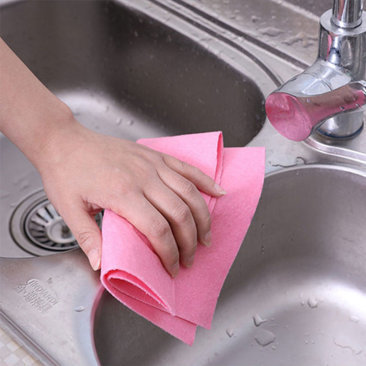
In the textile industry, nonwoven fabric polypropylene is favored for its cost-effective production methods and versatile functionalities. It can be engineered to achieve specific properties, such as breathability, softness, and absorbency, depending on the intended use. This adaptability makes it a prime candidate for products ranging from disposable medical gowns to filtration materials.
Moreover, nonwoven polypropylene is widely used in the manufacturing of disposable products due to its affordability and ease of production. Items such as face masks, surgical drapes, and personal protective equipment can be made from this fabric, contributing to enhanced safety and hygiene in healthcare settings. The ability to produce these items in large quantities quickly ensures that industries can meet fluctuating demand efficiently.
Another remarkable advantage of nonwoven fabric polypropylene is its environmental impact. Although polypropylene itself is a plastic, nonwoven fabrics can be manufactured in a way that minimizes waste and can be recycled. Innovations in this area aim to promote sustainability while still delivering high-performance materials for various applications.
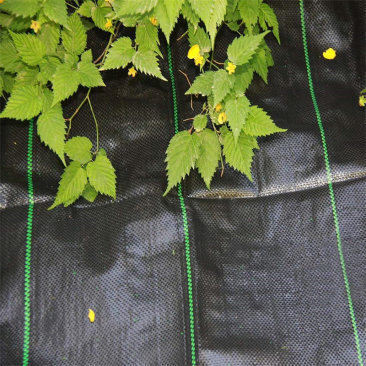
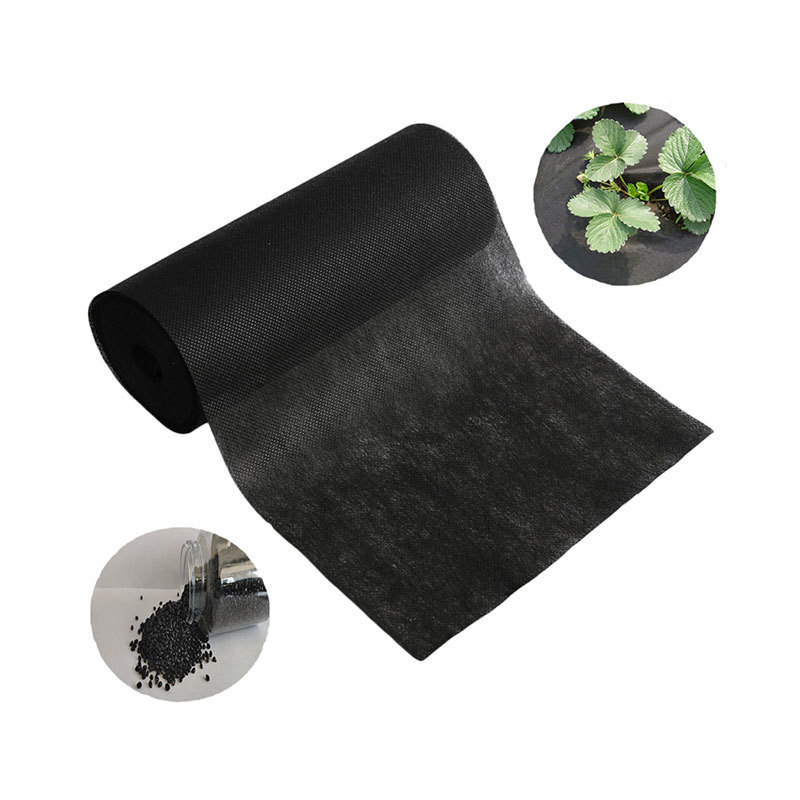
In construction and agriculture, nonwoven polypropylene serves as an effective geotextile material. Its filtration properties allow it to separate soil from aggregates while maintaining water flow, making it essential for drainage and erosion control. In horticulture, it can be used as a protective cover for plants or as a weed barrier, contributing to healthier growth conditions.
In conclusion, nonwoven fabric polypropylene stands out as a robust and versatile material in the textile industry. Its unique properties, cost-effectiveness, and adaptability make it an essential choice for a wide range of applications, from health and safety products to construction materials. Understanding these characteristics will empower professionals to leverage the benefits of nonwoven polypropylene in their respective fields, ensuring innovative solutions and improved product performance.
One of the most notable properties of nonwoven fabric polypropylene is its lightweight nature combined with high strength. This characteristic allows it to be utilized in applications where durability is essential without adding excessive weight. Additionally, nonwoven polypropylene exhibits excellent resistance to water and moisture, making it suitable for products that require hygiene and stability in wet conditions.
In the textile industry, nonwoven fabric polypropylene is favored for its cost-effective production methods and versatile functionalities. It can be engineered to achieve specific properties, such as breathability, softness, and absorbency, depending on the intended use. This adaptability makes it a prime candidate for products ranging from disposable medical gowns to filtration materials.
Moreover, nonwoven polypropylene is widely used in the manufacturing of disposable products due to its affordability and ease of production. Items such as face masks, surgical drapes, and personal protective equipment can be made from this fabric, contributing to enhanced safety and hygiene in healthcare settings. The ability to produce these items in large quantities quickly ensures that industries can meet fluctuating demand efficiently.
Another remarkable advantage of nonwoven fabric polypropylene is its environmental impact. Although polypropylene itself is a plastic, nonwoven fabrics can be manufactured in a way that minimizes waste and can be recycled. Innovations in this area aim to promote sustainability while still delivering high-performance materials for various applications.
In construction and agriculture, nonwoven polypropylene serves as an effective geotextile material. Its filtration properties allow it to separate soil from aggregates while maintaining water flow, making it essential for drainage and erosion control. In horticulture, it can be used as a protective cover for plants or as a weed barrier, contributing to healthier growth conditions.
In conclusion, nonwoven fabric polypropylene stands out as a robust and versatile material in the textile industry. Its unique properties, cost-effectiveness, and adaptability make it an essential choice for a wide range of applications, from health and safety products to construction materials. Understanding these characteristics will empower professionals to leverage the benefits of nonwoven polypropylene in their respective fields, ensuring innovative solutions and improved product performance.
nonwoven fabric polypropylene

LEAVE A MESSAGE
MESSAGE