


11
2026
-
05
Understanding PP Nonwoven Fabric: Versatility and Applications
Polypropylene (PP) nonwoven fabric is a compelling material that has gained immense popularity across various industries due to its unique properties and versatility. As a textile innovation, PP nonwoven fabric is made from polypropylene fibers that are bonded together through various methods, such as heat, chemicals, or mechanical processes. This results in a fabric that boasts impressive strengt

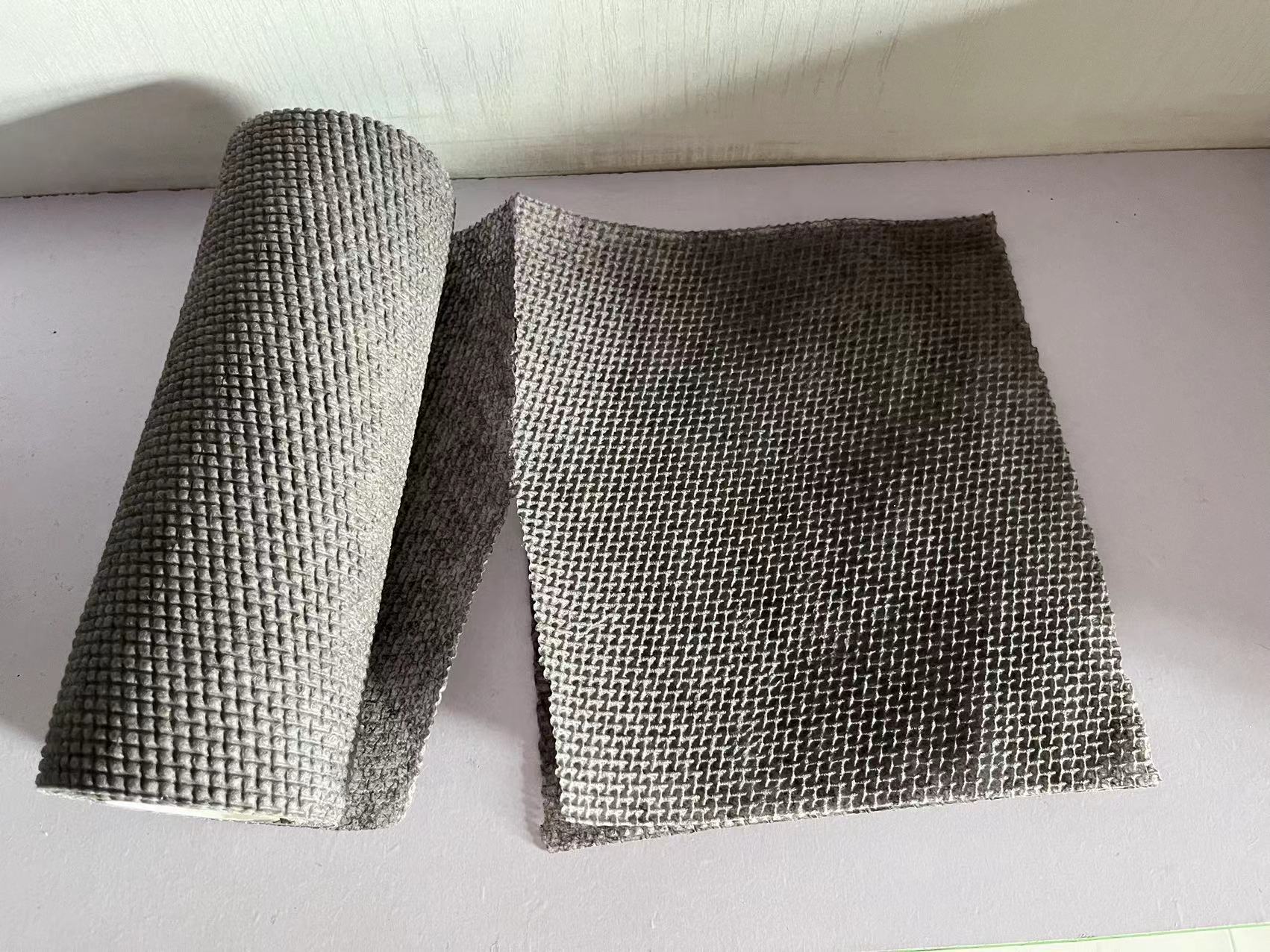
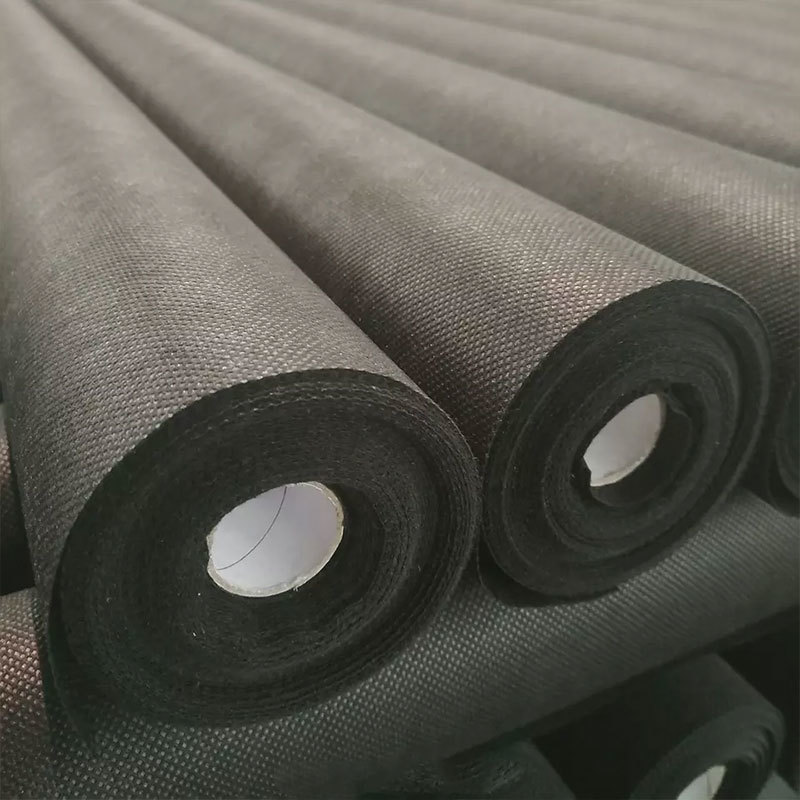
Polypropylene (PP) nonwoven fabric is a compelling material that has gained immense popularity across various industries due to its unique properties and versatility. As a textile innovation, PP nonwoven fabric is made from polypropylene fibers that are bonded together through various methods, such as heat, chemicals, or mechanical processes. This results in a fabric that boasts impressive strength, lightweight characteristics, and excellent durability.
One of the primary advantages of PP nonwoven fabric is its breathability and moisture-wicking properties, making it ideal for a wide range of applications. In the medical field, for instance, this fabric is commonly used in disposable gowns, surgical masks, and drapes, providing essential protection while also ensuring comfort for both patients and healthcare professionals. The ability to produce PP nonwoven fabric in various thicknesses and textures allows manufacturers to tailor products to specific needs, enhancing both functionality and user experience.
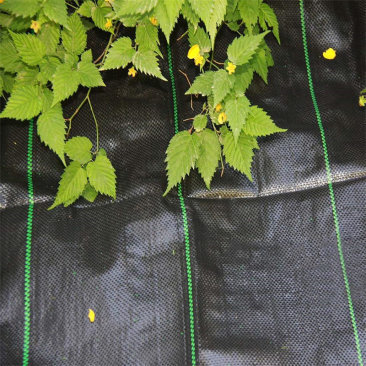
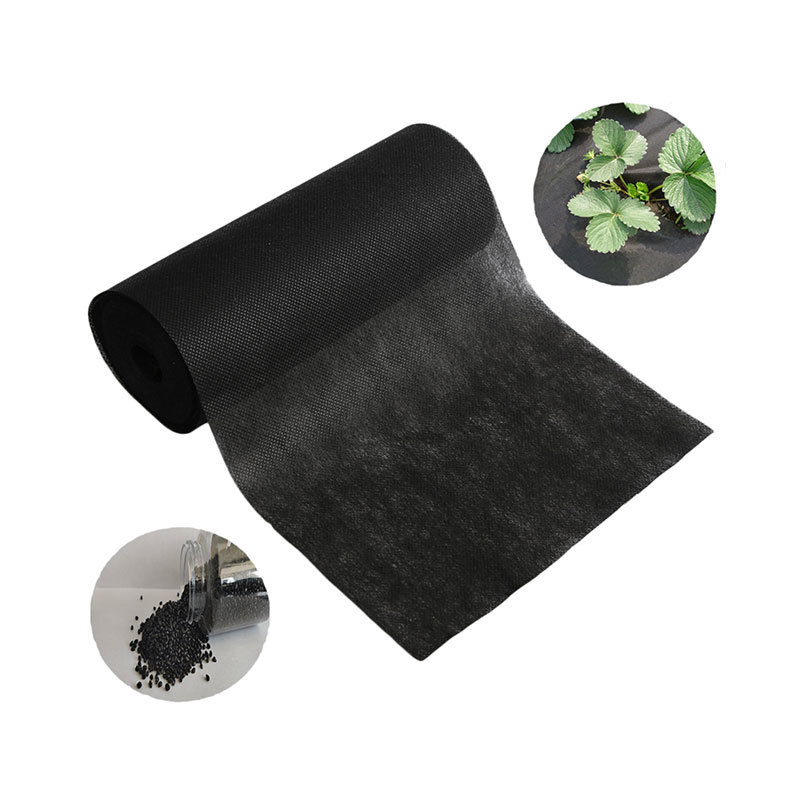
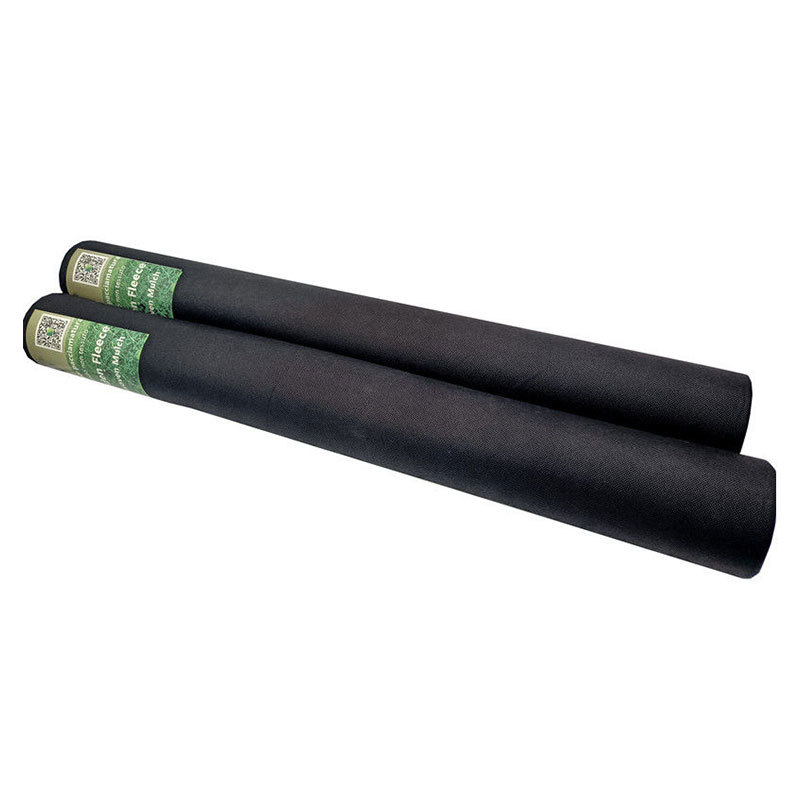
In addition to the medical sector, PP nonwoven fabric is widely utilized in the agricultural industry. It is often used as mulch film, crop covers, and plant protection materials. These applications help regulate soil temperature, reduce weed growth, and protect crops from harsh weather conditions, ultimately leading to improved yields and sustainable farming practices. The lightweight nature of PP nonwoven fabric makes it easy to handle and apply, further increasing its appeal for agricultural use.
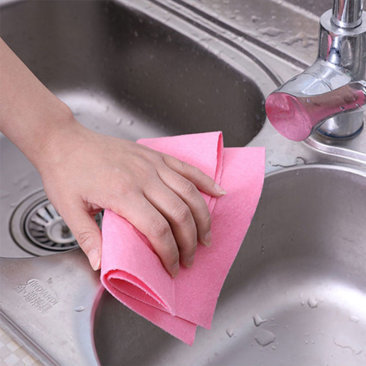
Moreover, PP nonwoven fabric has found its way into the consumer goods market, particularly in the production of bags, wipes, and home textiles. Reusable shopping bags made from PP nonwoven fabric are a sustainable alternative to single-use plastic bags, contributing to environmental conservation efforts. Additionally, the soft texture of the fabric makes it suitable for wipes that are gentle on the skin, and its durability ensures that products remain functional over time.
Another noteworthy feature of PP nonwoven fabric is its resistance to chemicals and UV radiation, which enhances its longevity and suitability for outdoor applications. This durability, coupled with its cost-effectiveness, makes it an attractive option for manufacturers looking to create high-quality yet affordable products.
In summary, PP nonwoven fabric is a versatile and durable material that serves a multitude of purposes across various industries. Its unique combination of properties, including breathability, strength, and resistance to chemicals, positions it as a reliable choice for applications ranging from medical supplies to consumer goods and agricultural practices. As innovation continues, the potential uses for PP nonwoven fabric will likely expand, further cementing its role as a staple in modern textiles.
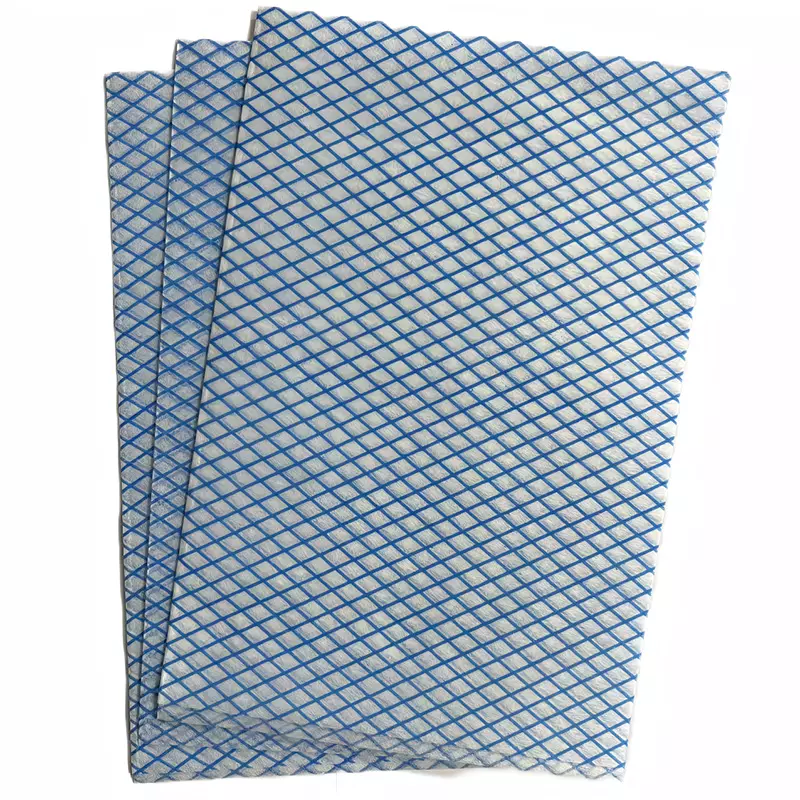
PP nonwoven fabric

LEAVE A MESSAGE
MESSAGE