


14
2026
-
05
Polypropylene Nonwoven Fabric: The Ultimate Lightweight and Strong Material Solution
Understanding Polypropylene Nonwoven Fabric Polypropylene nonwoven fabric is a revolutionary material that combines lightweight characteristics with impressive strength. This fabric is produced from polypropylene fibers, known for their durability and versatility. It stands out in a variety of applications, from industrial uses to everyday consumer products. Its unique properties make it an idea

Understanding Polypropylene Nonwoven Fabric
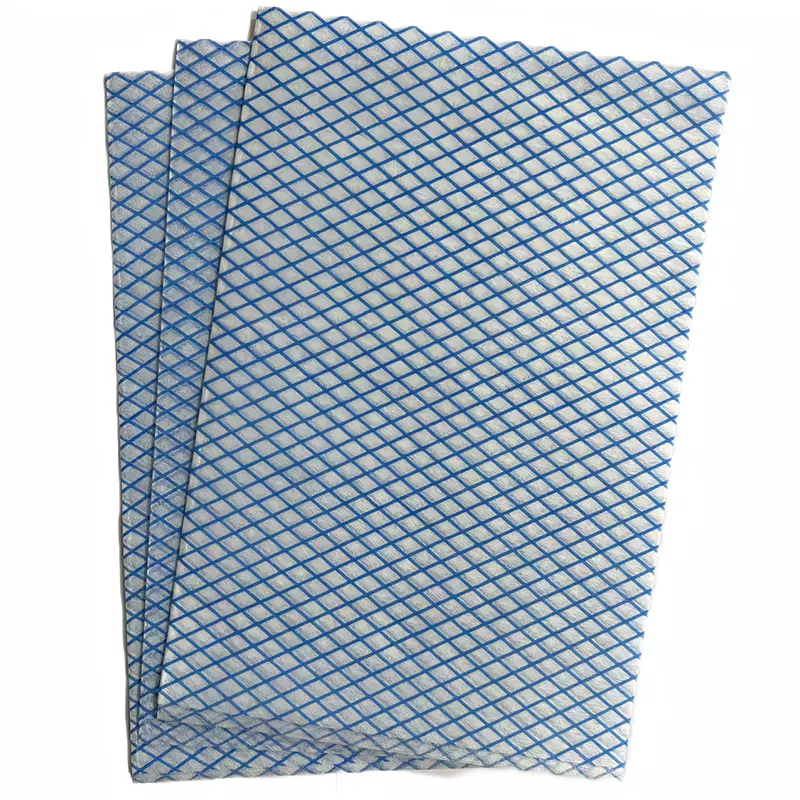
Polypropylene nonwoven fabric is a revolutionary material that combines lightweight characteristics with impressive strength. This fabric is produced from polypropylene fibers, known for their durability and versatility. It stands out in a variety of applications, from industrial uses to everyday consumer products. Its unique properties make it an ideal choice for manufacturers seeking high-performance materials without the added weight.
What is Polypropylene?
Polypropylene, a thermoplastic polymer, is widely used in various industries due to its robust characteristics. It is resistant to moisture, chemicals, and UV light, making it suitable for outdoor applications. The nonwoven fabrication process allows polypropylene to be transformed into a fabric without the need for weaving, resulting in a material that is both flexible and resilient.
The Manufacturing Process of Polypropylene Nonwoven Fabric
To understand the benefits of polypropylene nonwoven fabric, it is essential to look at its manufacturing process. The production typically involves several key steps:
1. Polymerization
Polypropylene is produced through a polymerization process, where propylene gas is transformed into a solid polymer. This raw material is then processed into fibers.
2. Spunbonding
In this phase, the polypropylene fibers are laid out on a conveyor belt, where they are bonded together through heat and pressure. This process forms a continuous sheet of nonwoven fabric.
3. Needle Punching (Optional)
For increased durability, needle punching can be applied. This involves the use of barbed needles that entangle the fibers, adding strength and structure to the fabric.
4. Finishing Treatments
Various treatments can be applied to enhance functionality. These may include water repellents, fire retardants, or antimicrobial coatings, depending on the desired application of the fabric.
Key Properties of Polypropylene Nonwoven Fabric
Polypropylene nonwoven fabric boasts several properties that set it apart from traditional woven fabrics:
1. Lightweight
One of the most significant advantages of polypropylene nonwoven fabric is its lightweight nature. This characteristic makes it an ideal choice for applications where minimizing weight is critical, such as in automotive components and disposable medical products.
2. Strength and Durability
Despite its lightness, polypropylene nonwoven fabric is remarkably strong. It can withstand wear and tear, making it suitable for various industrial applications. Its durability ensures that products made from this fabric have a long lifespan.
3. Breathability
The structure of nonwoven fabric allows for excellent airflow, making it comfortable for wearables and other applications where ventilation is necessary.
4. Water Resistance
Polypropylene is inherently water-resistant, making it useful in packaging, agricultural, and outdoor applications where moisture protection is essential.
5. Chemical Resistance
This fabric can resist a wide range of chemicals, which makes it suitable for industrial applications such as filtration and protective clothing.
Applications of Polypropylene Nonwoven Fabric
The versatility of polypropylene nonwoven fabric allows for a wide range of applications across various industries:
1. Medical and Healthcare
In the medical field, polypropylene nonwoven fabric is used to create surgical gowns, masks, and drapes. Its lightweight and breathable nature ensures comfort for healthcare professionals while providing adequate protection.
2. Agriculture
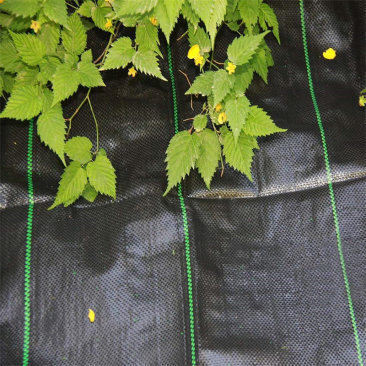
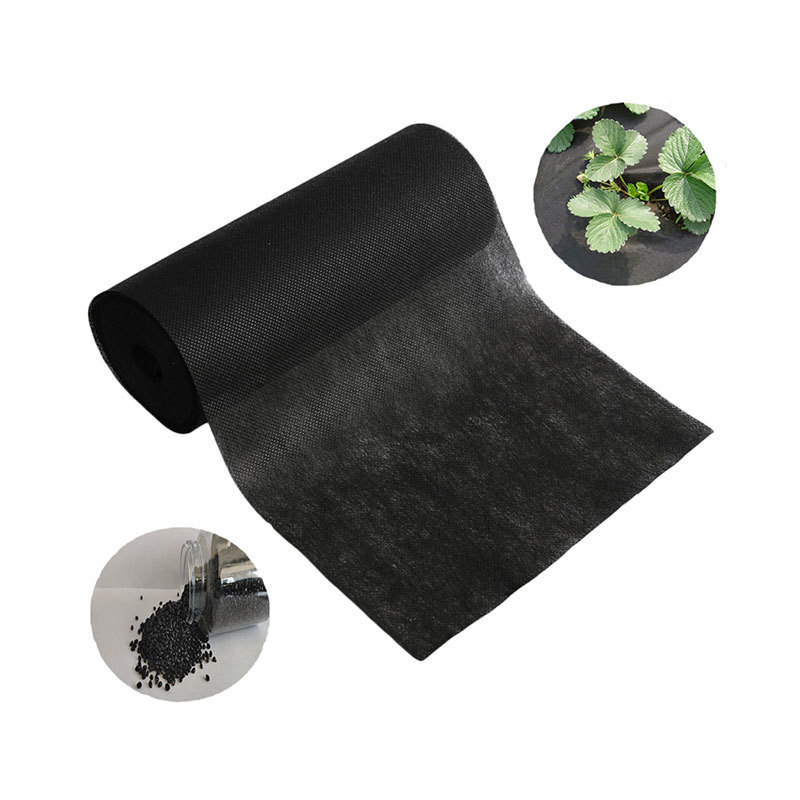
Agricultural applications include protective covers for plants, erosion control fabrics, and weed control mats. The fabric’s lightweight and water-resistant properties make it ideal for these uses.
3. Packaging
Polypropylene nonwoven fabric is increasingly used in packaging due to its strength and durability. It is ideal for creating reusable bags, product wraps, and protective covers.
4. Automotive Components
In the automotive industry, this fabric is employed for interior linings, sound insulation, and filtration. Its lightweight nature contributes to overall vehicle efficiency.
5. Home Textiles
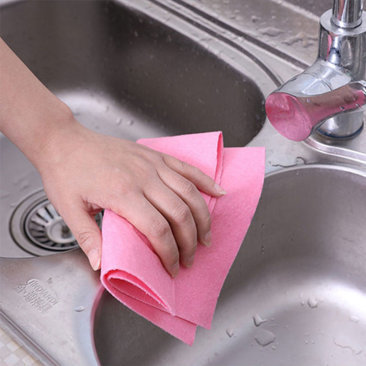
From upholstery to curtains, polypropylene nonwoven fabric is finding its way into home textiles. Its ease of maintenance and durability make it a popular choice among consumers.
Advantages of Choosing Polypropylene Nonwoven Fabric
Selecting polypropylene nonwoven fabric over traditional materials offers several benefits:
1. Cost-Effectiveness
Because of its lower production costs and long lifespan, polypropylene nonwoven fabric presents a cost-effective solution for manufacturers and consumers alike.
2. Eco-Friendly Options
With growing concerns about plastic pollution, many manufacturers are exploring biodegradable alternatives and recycling options for polypropylene nonwoven materials, making it a more sustainable choice.
3. Versatile Customization
Manufacturers can easily customize polypropylene nonwoven fabric for specific applications. This includes varying thickness, textures, colors, and treatments to meet diverse needs.
How to Care for Polypropylene Nonwoven Fabric
Maintaining polypropylene nonwoven fabric is straightforward, ensuring longevity and performance:
1. Washing
Most polypropylene nonwoven fabrics can be machine washed. Use mild detergents and avoid bleach to preserve the fabric's properties.
2. Drying
Air drying is recommended to maintain shape and elasticity. Avoid high heat settings in dryers, as they can damage the fabric.
3. Storage
Store the fabric in a cool, dry place to prevent deterioration over time. Keep it away from direct sunlight to avoid color fading.
Frequently Asked Questions (FAQs)
1. What is the difference between woven and nonwoven fabric?
Nonwoven fabrics are made by bonding fibers together, while woven fabrics involve interlacing threads. Nonwovens typically offer better moisture resistance and breathability.
2. Is polypropylene nonwoven fabric recyclable?
Yes, polypropylene nonwoven fabric can be recycled, although facilities may vary by region. Check local recycling guidelines for specific instructions.
3. Can polypropylene nonwoven fabric be used for clothing?
Absolutely! It is commonly used in disposable clothing, such as medical gowns and masks, and is also suitable for casual wear due to its lightweight and breathable properties.
4. Is polypropylene safe for food packaging?
Yes, polypropylene is considered safe for food contact and is often used for food packaging materials due to its non-toxic nature.
5. What are the environmental impacts of polypropylene nonwoven fabric?
While polypropylene is a synthetic material, steps are being taken to create biodegradable options and enhance recycling processes, reducing its overall environmental footprint.
Conclusion
In conclusion, **polypropylene nonwoven fabric** stands out as a remarkable solution for modern textile needs. Its lightweight yet durable properties, versatility across various applications, and customizable features make it an excellent choice for manufacturers and consumers alike. As industries continue to evolve and seek sustainable solutions, polypropylene nonwoven fabric remains at the forefront, providing innovative and efficient solutions to meet diverse needs. Whether for medical applications, agricultural use, or everyday textiles, this fabric is poised to lead the way in the future of textiles.
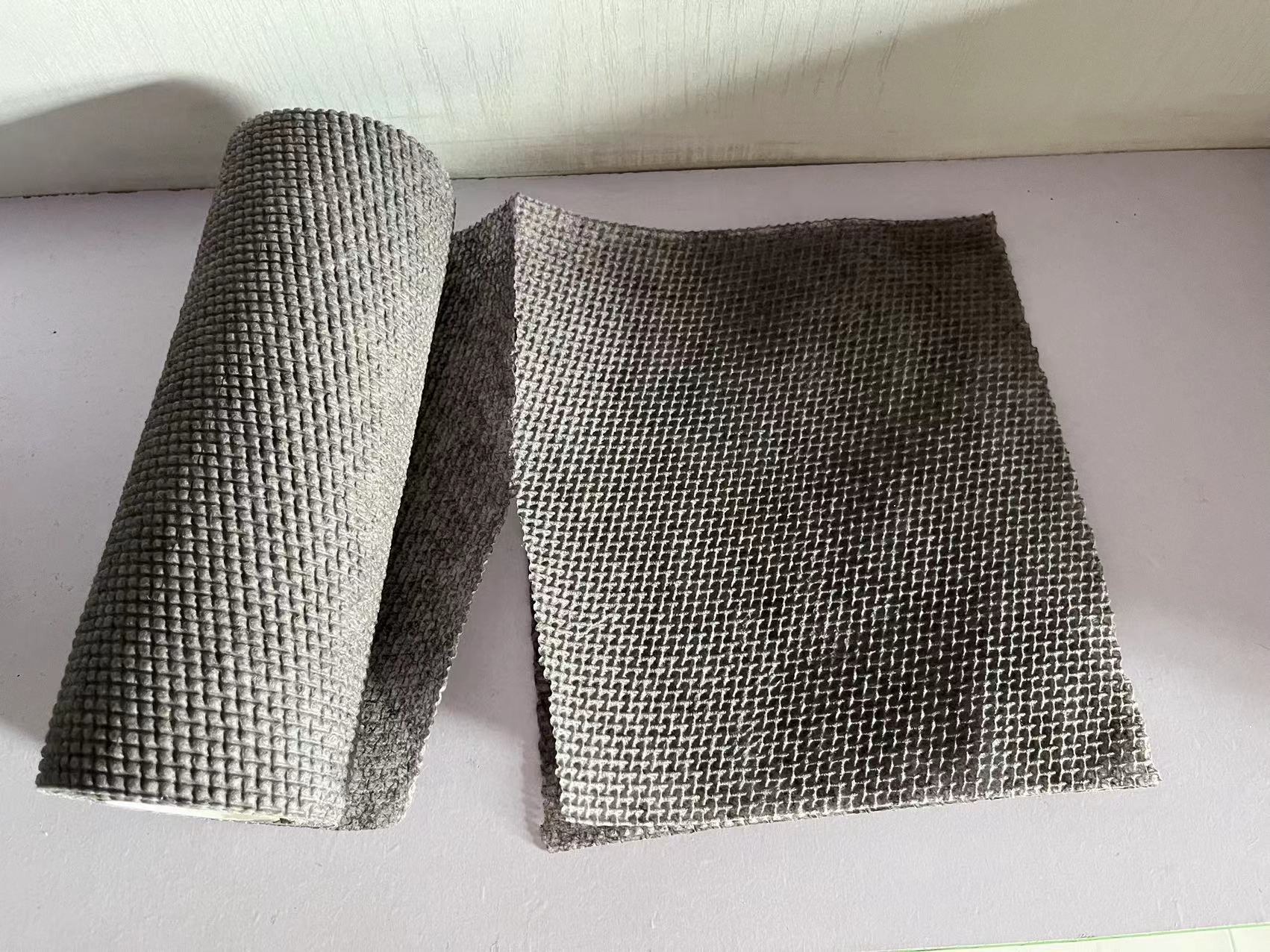
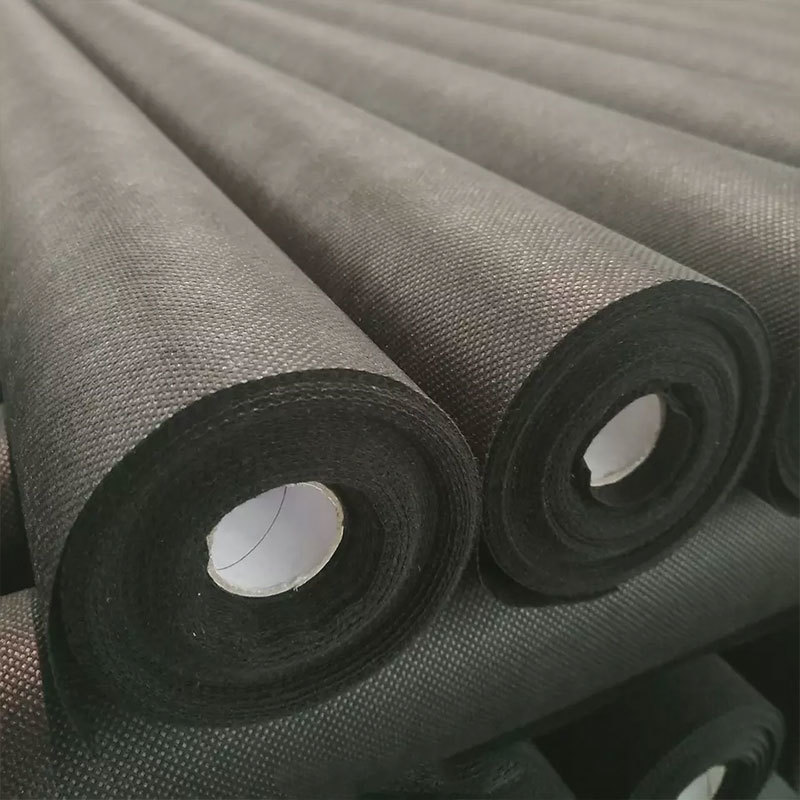
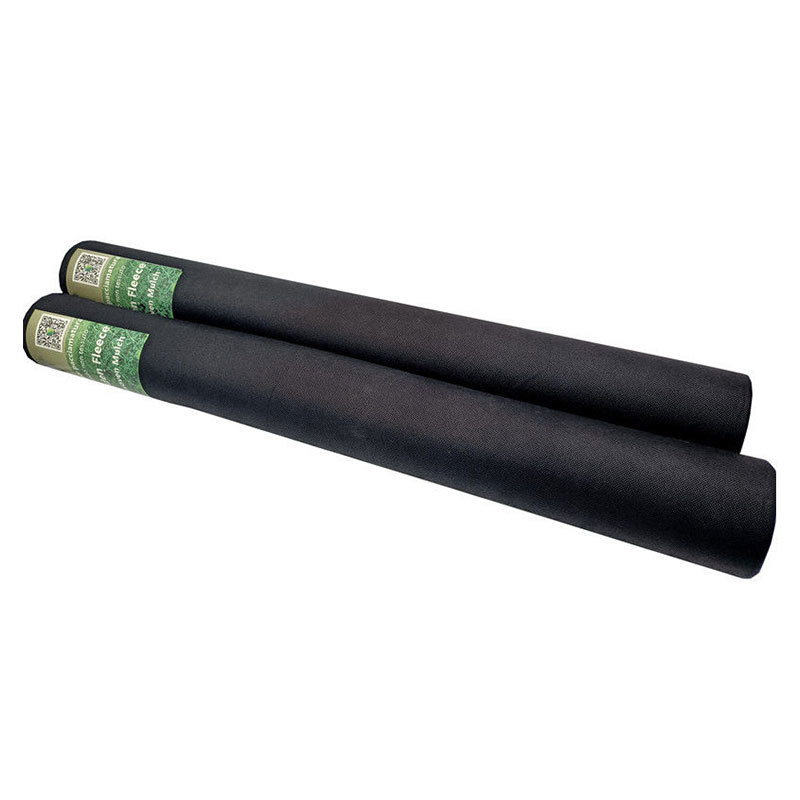
Polypropylene nonwoven fabric

LEAVE A MESSAGE
MESSAGE