



20
2026
-
05
Creating Eco-Friendly Products with Polypropylene Nonwoven Fabric: A Sustainable Approach to Textiles
Creating Eco-Friendly Products with Polypropylene Nonwoven Fabric: A Sustainable Approach to Textiles Table of Contents 1. Introduction to Polypropylene Nonwoven Fabric 2. What is Polypropylene Nonwoven Fabric? 2.1 Key Properties of Polypropylene Nonwoven Fabric 2.2 Manufacturing Process of Nonwoven Fabrics 3. Environmental Benefits of Polypro

Creating Eco-Friendly Products with Polypropylene Nonwoven Fabric: A Sustainable Approach to Textiles
Table of Contents
- 1. Introduction to Polypropylene Nonwoven Fabric
- 2. What is Polypropylene Nonwoven Fabric?
- 3. Environmental Benefits of Polypropylene Nonwoven Fabric
- 4. Applications of Polypropylene Nonwoven Fabric in Eco-Friendly Products
- 5. Steps to Create Eco-Friendly Products with Polypropylene Nonwoven Fabric
- 6. The Future of Sustainable Textiles
- 7. Conclusion
- 8. Frequently Asked Questions
1. Introduction to Polypropylene Nonwoven Fabric
Polypropylene nonwoven fabric has emerged as a revolutionary material in the textile industry. **As global awareness of environmental issues increases**, the demand for sustainable products has skyrocketed. Polypropylene, a type of thermoplastic, is gaining traction for its versatility, durability, and eco-friendliness. In this article, we will explore how polypropylene nonwoven fabric is facilitating the creation of eco-friendly products and contributing to a more sustainable future.
2. What is Polypropylene Nonwoven Fabric?
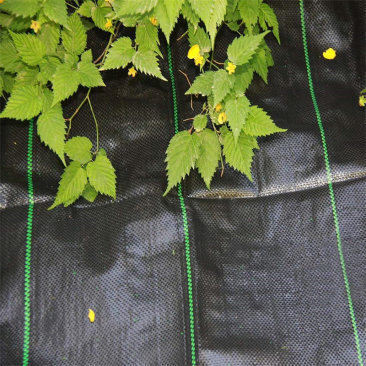
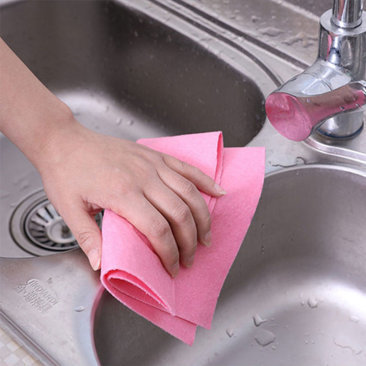
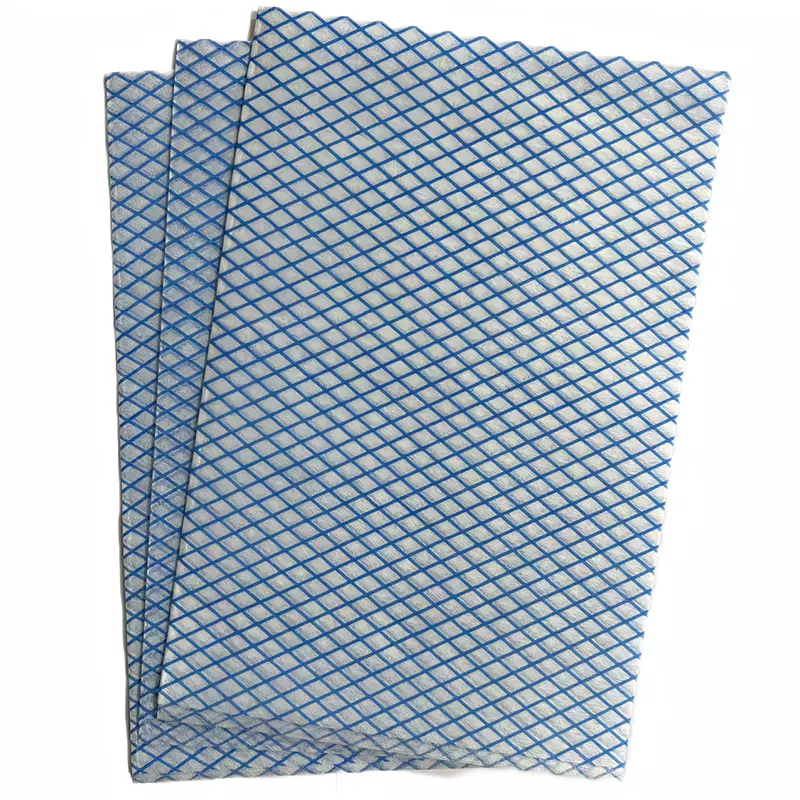
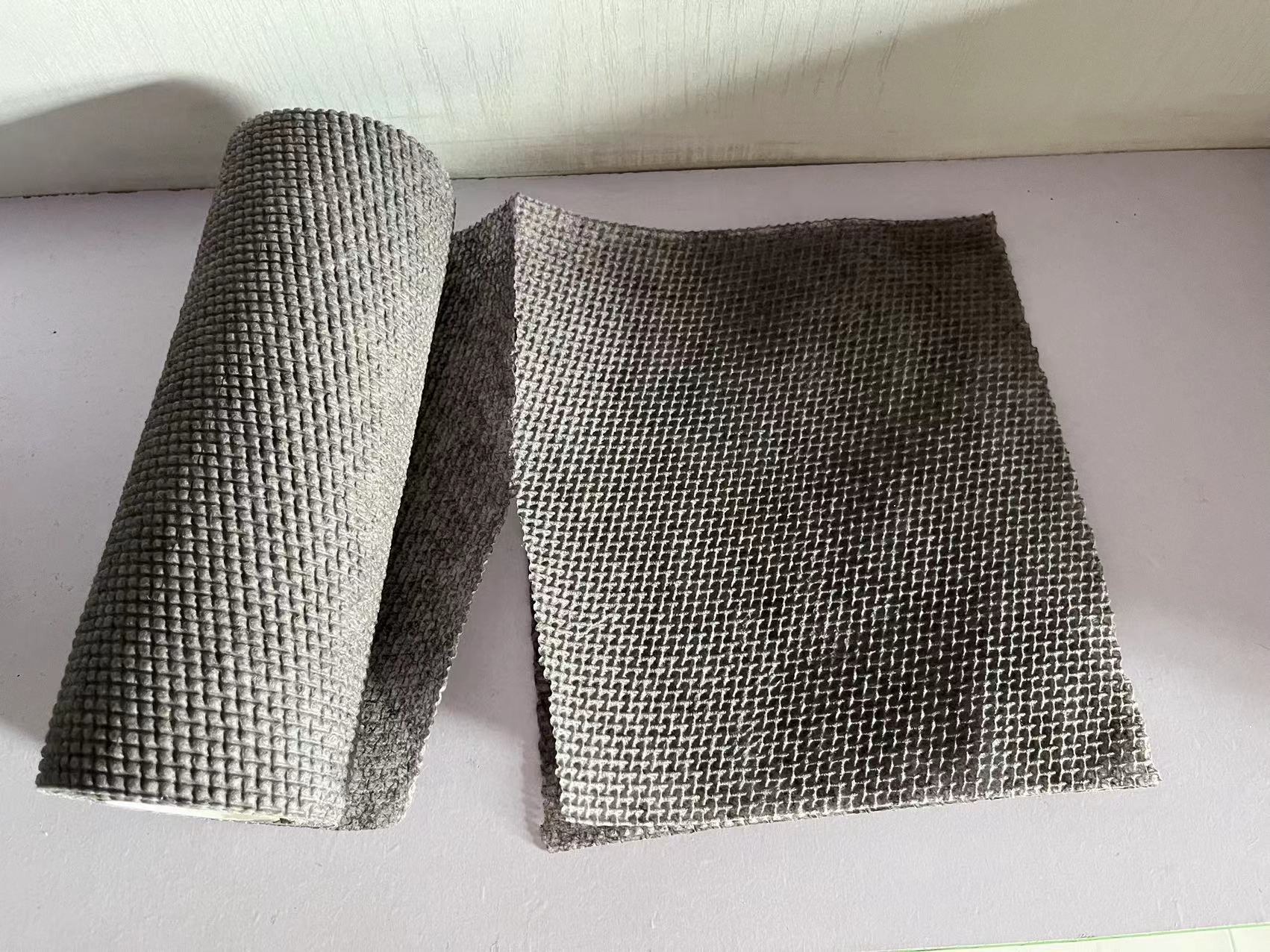
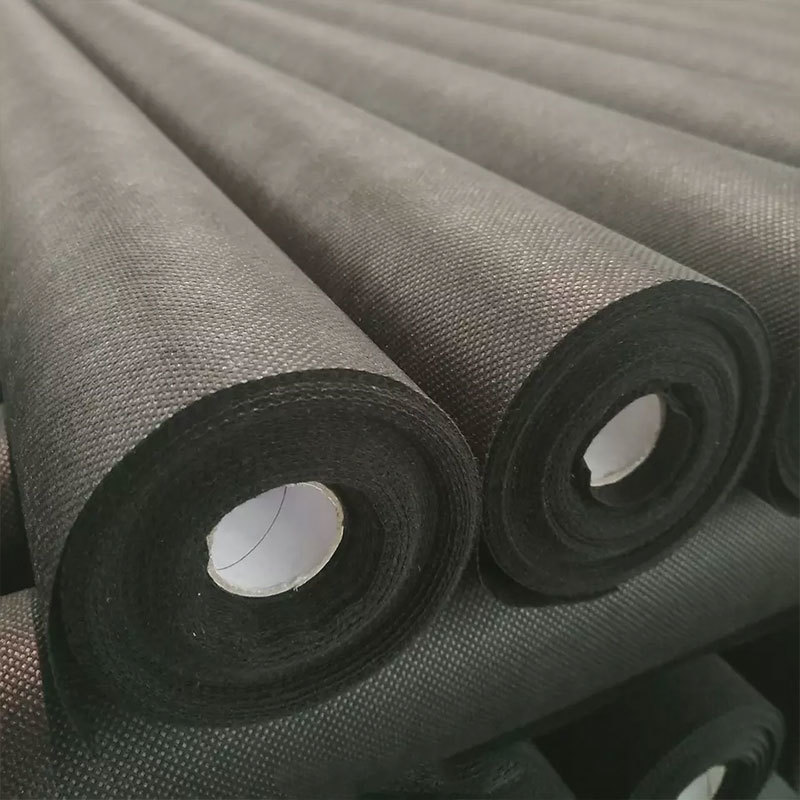
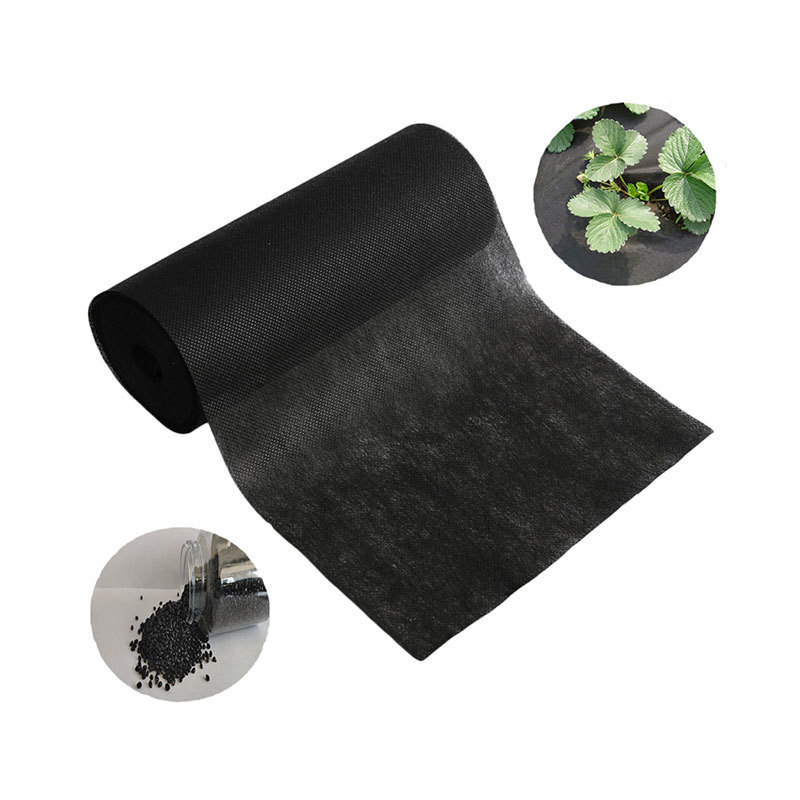
Polypropylene nonwoven fabric is a synthetic fabric made from polypropylene fibers. Unlike traditional woven fabrics, nonwoven textiles are created through a unique process that bonds fibers together, resulting in a fabric that is strong, lightweight, and versatile.
2.1 Key Properties of Polypropylene Nonwoven Fabric
The properties of polypropylene nonwoven fabric make it an ideal choice for a variety of applications. Some of its key characteristics include:
- **Lightweight**: Polypropylene nonwoven fabric is much lighter than woven textiles, making it easier to handle and transport.
- **Durability**: Its robust structure offers excellent resistance to tearing and abrasion, ensuring longevity.
- **Water-Resistant**: Polypropylene does not absorb moisture, making it suitable for applications where water resistance is crucial.
- **Breathability**: The fabric allows air to circulate, making it comfortable for use in products like personal protective equipment (PPE).
2.2 Manufacturing Process of Nonwoven Fabrics
The manufacturing process of polypropylene nonwoven fabric involves several steps, including fiber production, web formation, bonding, and finishing. These steps ensure that the final product is both functional and eco-friendly. The production process can vary, but it generally includes:
- **Spunbonding**: In this method, polypropylene pellets are melted and extruded through spinnerets to form continuous filaments. These filaments are then laid down in a web pattern.
- **Needle Punching**: This technique uses barbed needles to entangle the fibers, increasing density and strength.
- **Hydroentangling**: This process involves high-pressure water jets that interlace fibers, creating a soft and absorbent fabric.
3. Environmental Benefits of Polypropylene Nonwoven Fabric
As the world shifts towards sustainable practices, polypropylene nonwoven fabric stands out due to its numerous environmental benefits.
3.1 Biodegradability and Recycling
While polypropylene itself is not biodegradable, it is recyclable. Many products made from polypropylene nonwoven fabric can be processed and reused to create new textiles, thus minimizing waste. Additionally, advancements in biodegradable polypropylene are being developed, which could revolutionize the industry.
3.2 Reduced Carbon Footprint
The production of polypropylene nonwoven fabric typically requires less energy than traditional woven fabrics. This energy efficiency translates to a reduced carbon footprint, making it a more sustainable option for manufacturers and consumers alike.
4. Applications of Polypropylene Nonwoven Fabric in Eco-Friendly Products
Polypropylene nonwoven fabric is making waves across various industries, paving the way for the creation of eco-friendly products.
4.1 Healthcare Industry
In the healthcare sector, polypropylene nonwoven fabric is used to produce surgical gowns, masks, and other medical supplies. These products are not only effective in preventing the spread of infections but also offer comfort and breathability for healthcare professionals.
4.2 Sustainable Packaging Solutions
The packaging industry is increasingly adopting polypropylene nonwoven fabric for eco-friendly packaging options. These materials are lightweight, durable, and can be designed to be reusable, providing a sustainable alternative to traditional materials like plastic.
4.3 Textile Industry Innovations
In the textile industry, polypropylene nonwoven fabric is utilized for making clothing, bags, and home textiles. Its versatility allows designers to create innovative products that emphasize sustainability without compromising on quality or aesthetics.
5. Steps to Create Eco-Friendly Products with Polypropylene Nonwoven Fabric
Creating eco-friendly products with polypropylene nonwoven fabric involves several key steps.
5.1 Design Considerations
When designing eco-friendly products, it is essential to consider sustainability at every stage. This includes selecting materials that are recyclable or biodegradable, minimizing waste during production, and ensuring that the final product is durable and long-lasting.
5.2 Sourcing Sustainable Materials
Sourcing sustainable materials is crucial for creating eco-friendly products. Look for suppliers who prioritize ethical production practices and offer recycled or biodegradable polypropylene options. Building relationships with responsible manufacturers can also enhance the sustainability of your product line.
6. The Future of Sustainable Textiles
As the demand for sustainable textiles continues to grow, the future of polypropylene nonwoven fabric appears bright. Innovations in technology and materials are paving the way for more environmentally friendly options. The industry is witnessing increased investment in research and development, focusing on improving the biodegradability of materials and enhancing recycling processes.
7. Conclusion
In conclusion, **polypropylene nonwoven fabric** is revolutionizing the textile industry by enabling the creation of **eco-friendly products**. Its unique properties, coupled with its environmental benefits, make it a valuable material for various applications. By prioritizing sustainability in design and manufacturing, we can contribute to a more sustainable future and meet the growing demands of conscious consumers.
8. Frequently Asked Questions
What are the main uses of polypropylene nonwoven fabric?
Polypropylene nonwoven fabric is widely used in healthcare products, packaging solutions, and various textiles due to its durability and versatility.
Is polypropylene nonwoven fabric recyclable?
Yes, polypropylene nonwoven fabric is recyclable, making it an eco-friendly option for various applications.
Can polypropylene nonwoven fabric be made biodegradable?
While traditional polypropylene is not biodegradable, advancements in biodegradable polypropylene are being developed.
What is the advantage of using nonwoven fabric over woven fabric?
Nonwoven fabrics are generally lighter, more durable, and can be produced more efficiently than woven fabrics, offering a sustainable alternative.
How can I ensure that my products made from polypropylene are eco-friendly?
To create eco-friendly products, prioritize sourcing sustainable materials, minimize waste during production, and design for recyclability or biodegradability.
nonwoven fabric polypropylene

LEAVE A MESSAGE
MESSAGE