




26
2026
-
05
Polyester Spunbond Nonwoven Fabric: A Key Player in Hygiene Products
Introduction to Polyester Spunbond Nonwoven Fabric Polyester spunbond nonwoven fabric has emerged as a significant material in the hygiene industry, offering a combination of durability, versatility, and cost-effectiveness. As we delve deeper into this innovative fabric, we will explore its unique properties, applications in various hygiene products, and the advantages it brings to manufacturers a

Introduction to Polyester Spunbond Nonwoven Fabric
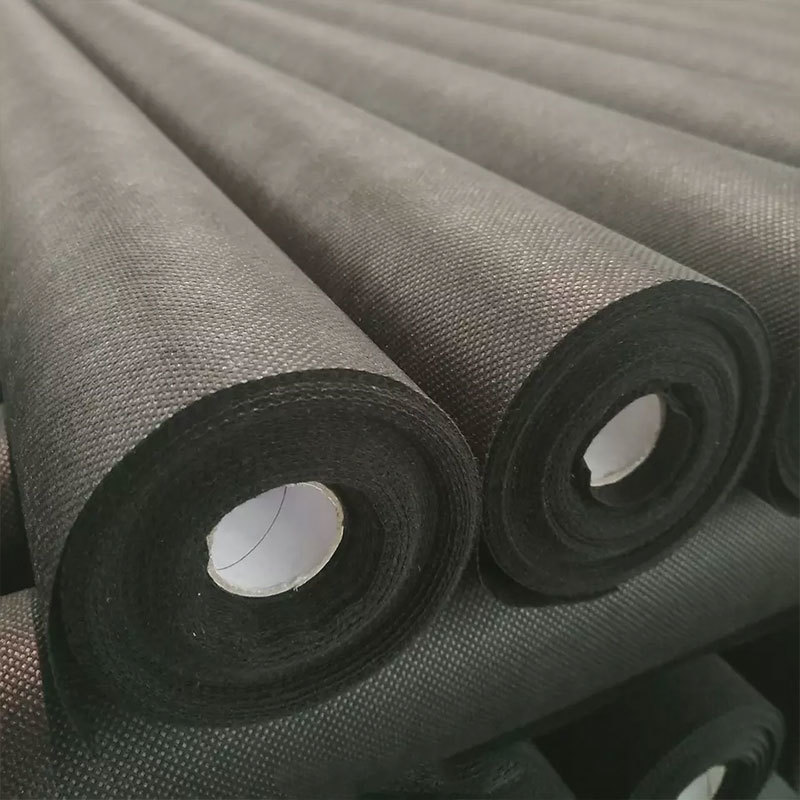
Polyester spunbond nonwoven fabric has emerged as a significant material in the hygiene industry, offering a combination of durability, versatility, and cost-effectiveness. As we delve deeper into this innovative fabric, we will explore its unique properties, applications in various hygiene products, and the advantages it brings to manufacturers and consumers alike.
Understanding Nonwoven Fabrics
Nonwoven fabrics differ significantly from traditional woven textiles. They are created by bonding fibers through various processes rather than interweaving them. This production method results in a fabric that can be engineered to meet specific requirements, such as strength, softness, and absorbency. Polyester spunbond nonwoven fabric, in particular, has gained popularity due to its unique characteristics.
The Spunbond Process Explained
The spunbond method involves extruding thermoplastic polymers into continuous filaments, which are then laid down on a moving belt. These filaments are subsequently bonded through heat, pressure, or solvents. This process produces a lightweight yet robust fabric that offers excellent tensile strength and resistance to tearing.
Key Properties of Polyester Spunbond Nonwoven Fabric
Polyester spunbond nonwoven fabric possesses several key properties that make it an ideal choice for hygiene products:
1. **Durability**: The spunbond technique yields a fabric that withstands wear and tear, making it suitable for products that require longevity.
2. **Breathability**: This fabric allows air and moisture to pass through, enhancing comfort for wearers.
3. **Fluid Resistance**: Polyester spunbond nonwoven fabric is resistant to fluids, providing additional protection in hygiene applications.
4. **Softness**: The fabric is soft to the touch, making it ideal for products that come into direct contact with the skin.
Applications in Hygiene Products
Polyester spunbond nonwoven fabric is widely used in various hygiene products, including:
1. Disposable Medical Garments
In the medical field, polyester spunbond nonwoven fabric is used to manufacture disposable gowns, caps, and masks. The fabric's fluid resistance and breathability are essential for healthcare workers who need to stay protected while performing their duties.
2. Personal Care Products
From diapers to feminine hygiene products, polyester spunbond nonwoven fabric is a popular choice in personal care applications. Its softness and absorbency make it comfortable to wear and effective in moisture management.
3. Home Hygiene Products
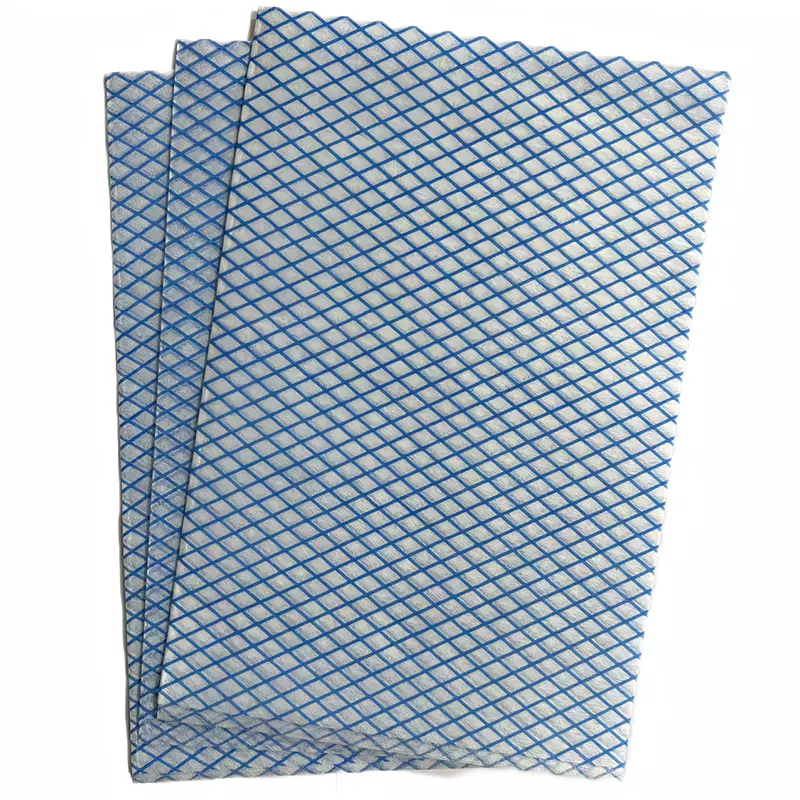
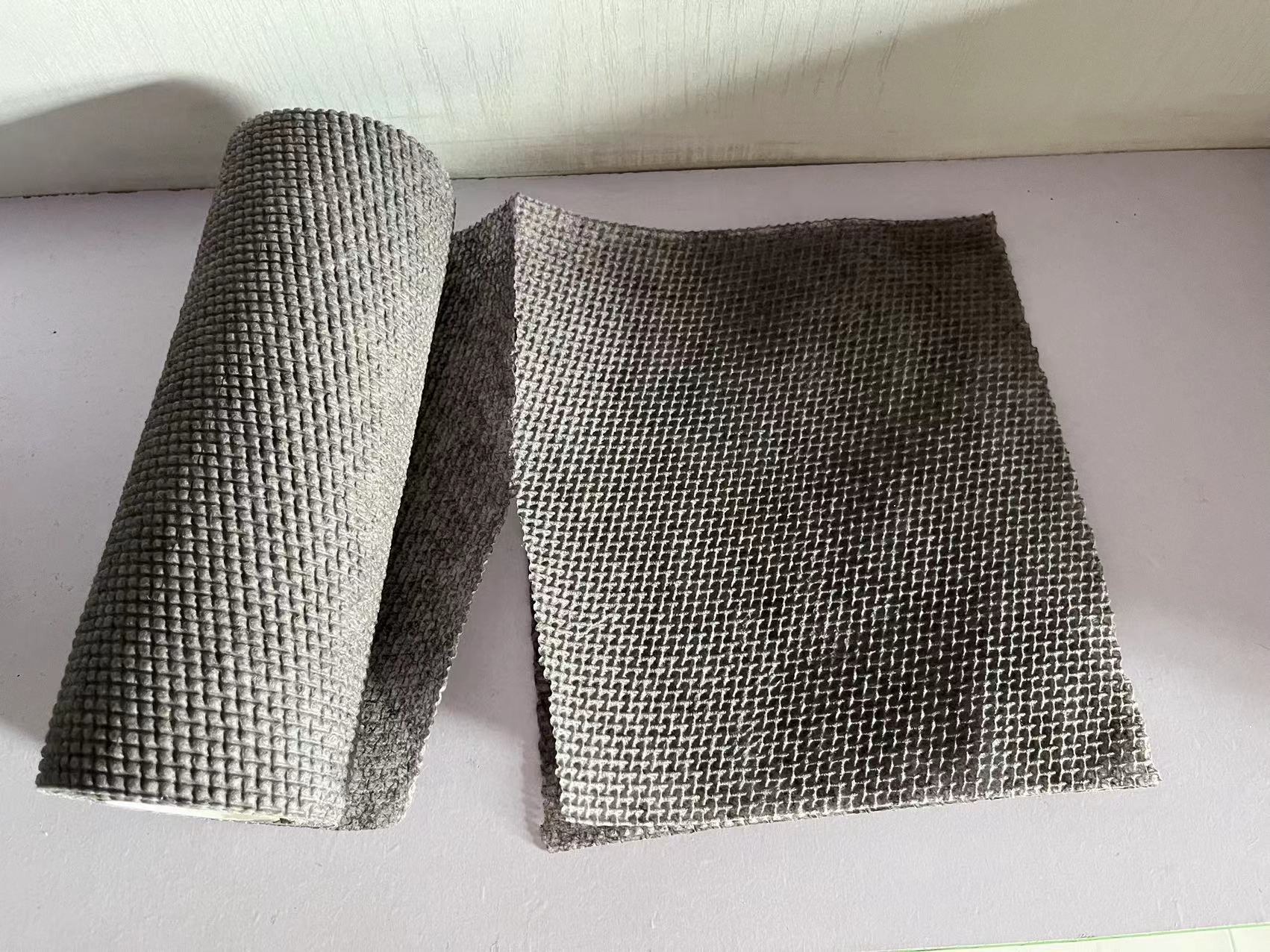
In households, polyester spunbond nonwoven fabric is used in various cleaning products, including disposable wipes and dusters. The fabric's durability allows it to effectively capture dirt and debris.
4. Industrial Hygiene Products
In industrial settings, polyester spunbond nonwoven fabric is utilized for protective apparel and disposable covers. Its resistance to chemicals and durability makes it suitable for use in hazardous environments.
Advantages for Manufacturers and Consumers
Both manufacturers and consumers benefit from the use of polyester spunbond nonwoven fabric in hygiene products:
For Manufacturers
1. **Cost-Effectiveness**: The production process for polyester spunbond nonwoven fabric is efficient, resulting in lower costs for manufacturers.
2. **Customization Options**: Manufacturers can tailor the fabric's properties to meet specific needs, providing flexibility in product development.
3. **Sustainability**: Many polyester spunbond nonwoven fabrics are made from recycled materials, aligning with sustainable manufacturing practices.
For Consumers
1. **Comfort**: Products made from polyester spunbond nonwoven fabric are often softer and more comfortable for the user.
2. **Effectiveness**: The fabric's unique properties enhance the performance of hygiene products, providing better protection and absorbency.
3. **Safety**: The use of high-quality materials ensures that consumers are using safe and reliable products.
Environmental Impact and Sustainability
As the demand for nonwoven fabrics increases, so does the focus on sustainability. Polyester spunbond nonwoven fabric can be produced from recycled materials, reducing its carbon footprint. Manufacturers are also exploring biodegradable options, ensuring that the use of this fabric aligns with eco-friendly practices.
Recycling Polyester Spunbond Nonwoven Fabric
Recycling polyester spunbond nonwoven fabric contributes to a circular economy. After use, products made from this fabric can be collected and processed to create new materials, minimizing waste and reducing the environmental impact.
Sustainable Practices in Production
Many manufacturers are adopting sustainable practices in their production processes, including:
1. **Reducing Water Usage**: Implementing water-efficient technologies in the manufacturing process.
2. **Using Renewable Energy**: Transitioning to renewable energy sources to power production facilities.
3. **Implementing Waste Reduction Techniques**: Minimizing waste during production through efficient processes.
Future Trends in Polyester Spunbond Nonwoven Fabric
The future of polyester spunbond nonwoven fabric looks promising, with ongoing innovations and developments in the industry. Potential trends include:
1. Advancements in Fabric Technology
Research and development in fabric technology will continue to enhance the properties of polyester spunbond nonwoven fabric. Innovations may lead to fabrics that are even more durable, breathable, and resistant to fluids.
2. Growing Demand in Emerging Markets
As awareness of hygiene products increases in emerging markets, the demand for polyester spunbond nonwoven fabric is expected to rise. Manufacturers will need to adapt to meet this growing need.
3. Increased Focus on Sustainability
With consumers becoming more environmentally conscious, manufacturers will prioritize sustainable practices in the production of polyester spunbond nonwoven fabric. This shift will include exploring biodegradable options and reducing the overall environmental impact of manufacturing processes.
FAQs about Polyester Spunbond Nonwoven Fabric
1. What is polyester spunbond nonwoven fabric made from?
Polyester spunbond nonwoven fabric is made from polyester fibers that are extruded and bonded to create a continuous fabric.
2. How does polyester spunbond nonwoven fabric compare to woven fabrics?
Polyester spunbond nonwoven fabric offers advantages such as greater durability, breathability, and fluid resistance compared to traditional woven fabrics.
3. Is polyester spunbond nonwoven fabric recyclable?
Yes, many polyester spunbond nonwoven fabrics can be recycled, contributing to reduced waste and environmental impact.
4. What are the primary applications of polyester spunbond nonwoven fabric?
This fabric is commonly used in medical garments, personal care products, home hygiene items, and industrial protective apparel.
5. How does the spunbond process work?
The spunbond process involves extruding thermoplastic polymers into continuous filaments, laying them down on a moving surface, and bonding them through heat or pressure.
Conclusion
Polyester spunbond nonwoven fabric is undeniably a key player in the hygiene products sector. Its unique properties, wide-ranging applications, and advantages for both manufacturers and consumers make it an essential material in today's market. As the industry continues to evolve, the focus on sustainability and innovation will drive further advancements in this important fabric. By understanding its significance, we can appreciate its role in enhancing hygiene practices and promoting a healthier future.
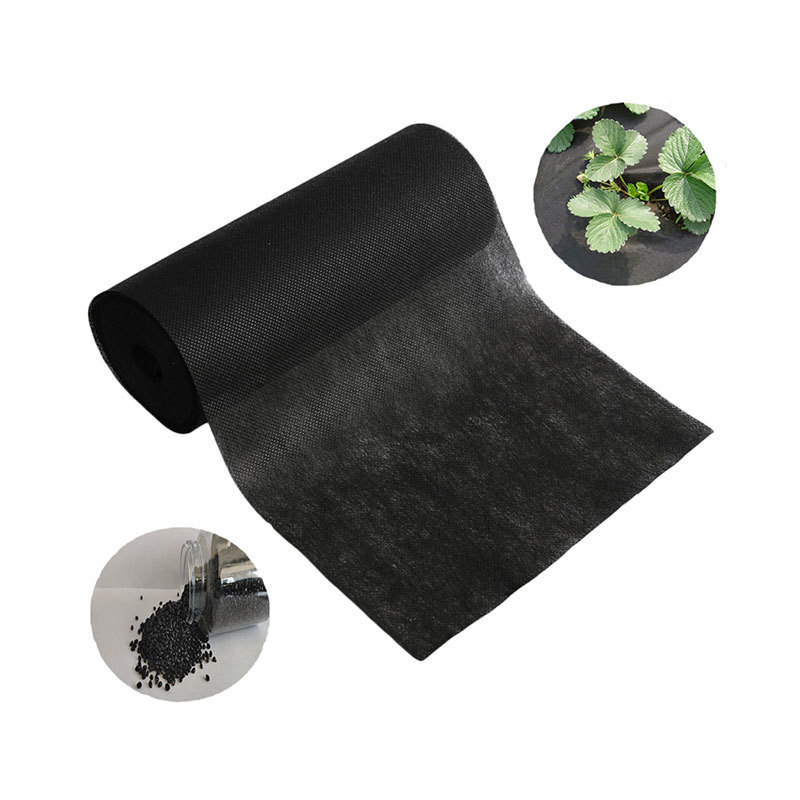
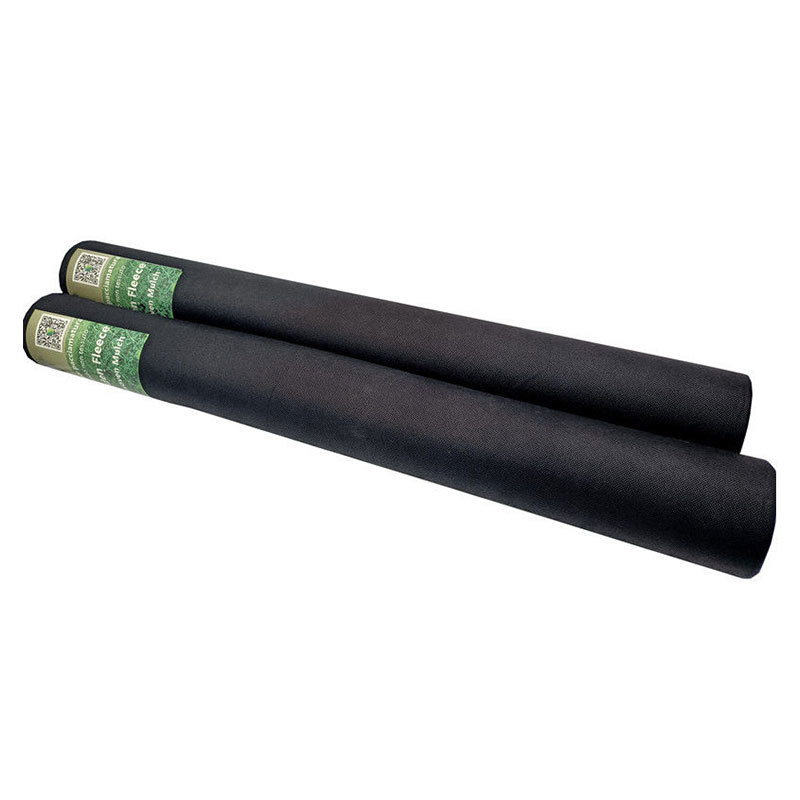
Polyester Spunbond Nonwoven Fabric

LEAVE A MESSAGE
MESSAGE