




16
2026
-
08
Understanding Spunbond Nonwoven Fabric: A Comprehensive Overview
Spunbond nonwoven fabric is a widely used textile material characterized by its unique production process and desirable properties. Unlike traditional woven fabrics, spunbond nonwoven fabric is created by bonding together fibers through a process that involves extruding molten polymer, typically polypropylene or polyester, into fine fibers which are then laid down in a web-like formation. This met

Spunbond nonwoven fabric is a widely used textile material characterized by its unique production process and desirable properties. Unlike traditional woven fabrics, spunbond nonwoven fabric is created by bonding together fibers through a process that involves extruding molten polymer, typically polypropylene or polyester, into fine fibers which are then laid down in a web-like formation. This method yields a strong and durable fabric that possesses several advantageous characteristics.
One of the primary benefits of spunbond nonwoven fabric is its high tensile strength, which makes it suitable for a variety of applications, ranging from medical supplies to geotextiles. The fabric is lightweight yet robust, allowing it to withstand stress while remaining flexible. Additionally, spunbond nonwoven fabric exhibits excellent resistance to water and chemicals, making it suitable for both indoor and outdoor use. Its hydrophobic nature prevents moisture retention, thus reducing the risk of mold and mildew growth.
Another significant feature of spunbond nonwoven fabric is its breathability. This property is particularly important in applications such as hygiene products, where air circulation is essential. The fabric allows moisture vapor to escape while preventing liquid penetration, making it ideal for items like surgical gowns, diapers, and feminine hygiene products.
Spunbond nonwoven fabric is also environmentally friendly compared to other materials. Many manufacturers are now focusing on producing biodegradable and recyclable options, which helps reduce the environmental impact of textile production. This commitment to sustainability aligns with the growing demand for eco-friendly products across various industries.
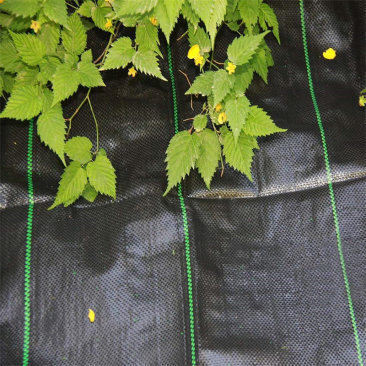
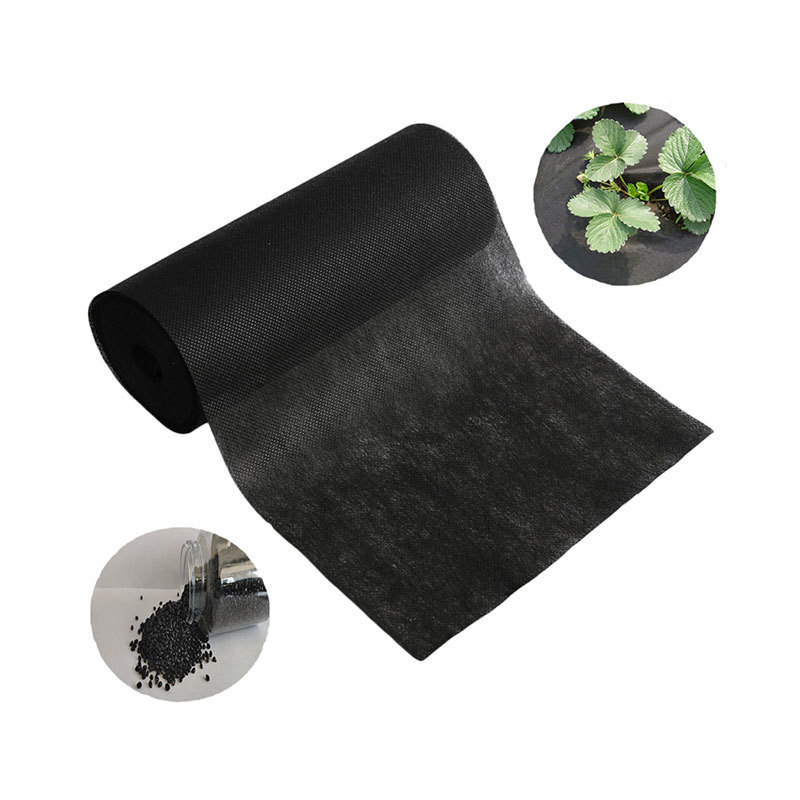
The applications of spunbond nonwoven fabric are vast and varied. In the medical field, it is commonly used to create surgical masks, gowns, and drapes that require high levels of sterility and protection. In the agricultural sector, it serves as a protective covering for crops, shielding them from pests and harsh weather conditions while allowing sunlight and moisture to penetrate. Additionally, spunbond nonwoven fabric is utilized in the manufacturing of filtration products, packaging materials, and even home furnishings.
In conclusion, spunbond nonwoven fabric stands out as a versatile and functional material, offering a range of properties that make it suitable for numerous applications across different industries. Its strength, breathability, and environmental friendliness contribute to its growing popularity among manufacturers and consumers alike. Understanding the fundamentals of spunbond nonwoven fabric can provide professionals with the insights needed to leverage its benefits effectively in their respective fields.
One of the primary benefits of spunbond nonwoven fabric is its high tensile strength, which makes it suitable for a variety of applications, ranging from medical supplies to geotextiles. The fabric is lightweight yet robust, allowing it to withstand stress while remaining flexible. Additionally, spunbond nonwoven fabric exhibits excellent resistance to water and chemicals, making it suitable for both indoor and outdoor use. Its hydrophobic nature prevents moisture retention, thus reducing the risk of mold and mildew growth.
Another significant feature of spunbond nonwoven fabric is its breathability. This property is particularly important in applications such as hygiene products, where air circulation is essential. The fabric allows moisture vapor to escape while preventing liquid penetration, making it ideal for items like surgical gowns, diapers, and feminine hygiene products.
Spunbond nonwoven fabric is also environmentally friendly compared to other materials. Many manufacturers are now focusing on producing biodegradable and recyclable options, which helps reduce the environmental impact of textile production. This commitment to sustainability aligns with the growing demand for eco-friendly products across various industries.
The applications of spunbond nonwoven fabric are vast and varied. In the medical field, it is commonly used to create surgical masks, gowns, and drapes that require high levels of sterility and protection. In the agricultural sector, it serves as a protective covering for crops, shielding them from pests and harsh weather conditions while allowing sunlight and moisture to penetrate. Additionally, spunbond nonwoven fabric is utilized in the manufacturing of filtration products, packaging materials, and even home furnishings.
In conclusion, spunbond nonwoven fabric stands out as a versatile and functional material, offering a range of properties that make it suitable for numerous applications across different industries. Its strength, breathability, and environmental friendliness contribute to its growing popularity among manufacturers and consumers alike. Understanding the fundamentals of spunbond nonwoven fabric can provide professionals with the insights needed to leverage its benefits effectively in their respective fields.
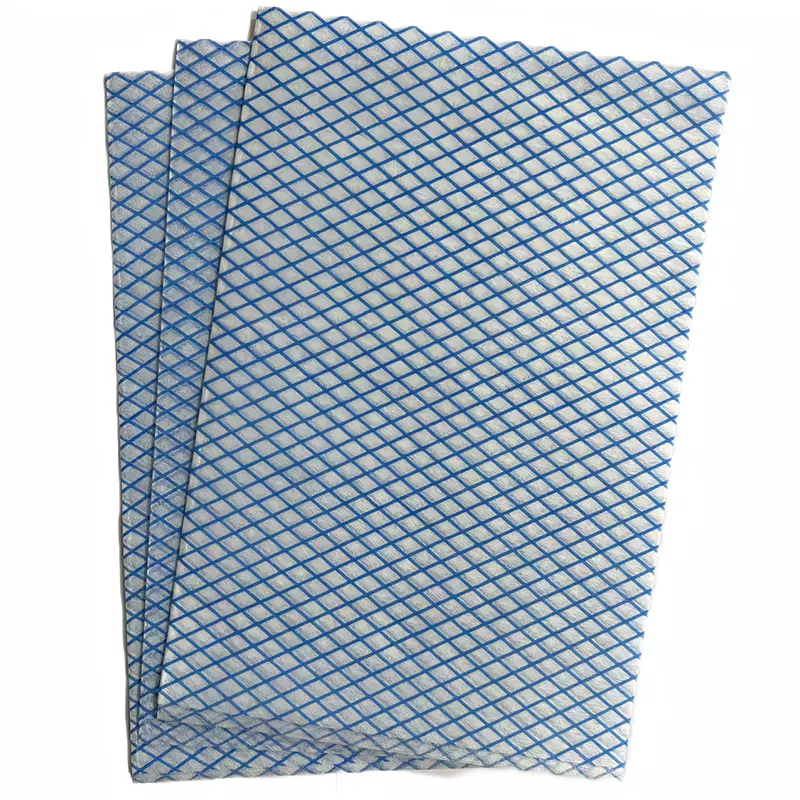
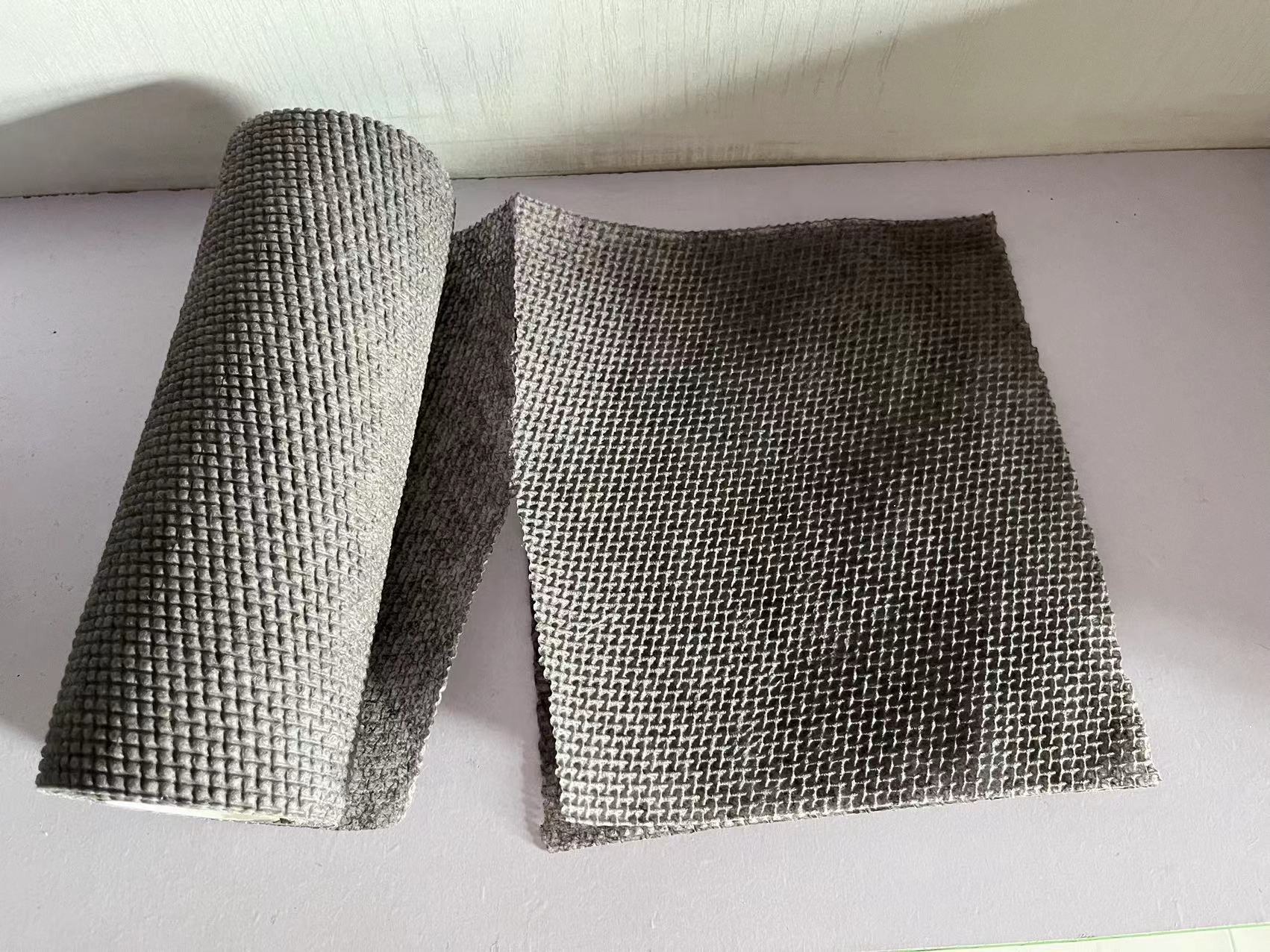
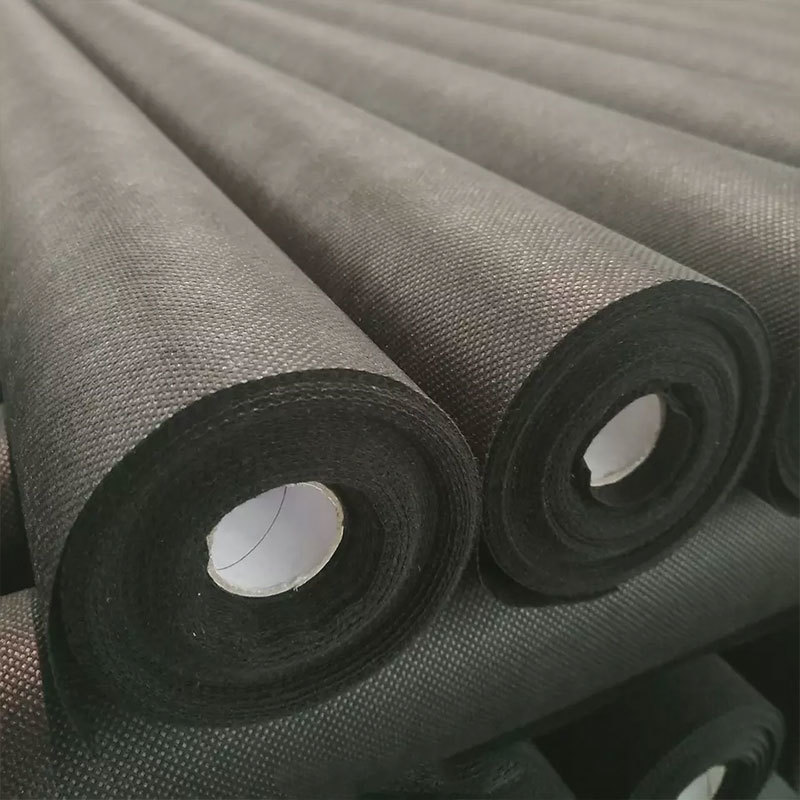
spunbond nonwoven fabric

LEAVE A MESSAGE
MESSAGE