


13
2026
-
08
Exploring Color and Texture Options in Polypropylene Nonwoven Fabric: A Comprehensive Guide
Exploring Color and Texture Options in Polypropylene Nonwoven Fabric Polypropylene nonwoven fabric has gained immense popularity due to its versatility, durability, and adaptability. As we delve into this fascinating material, we will explore the myriad of color and texture options available, enhancing not only the aesthetic appeal but also the functional performance of the fabric. This guide will

Exploring Color and Texture Options in Polypropylene Nonwoven Fabric
Polypropylene nonwoven fabric has gained immense popularity due to its versatility, durability, and adaptability. As we delve into this fascinating material, we will explore the myriad of color and texture options available, enhancing not only the aesthetic appeal but also the functional performance of the fabric. This guide will provide in-depth insights into selecting the right polypropylene nonwoven fabric for various applications, including fashion, automotive, medical, and more.
Table of Contents
1. What is Polypropylene Nonwoven Fabric?
2. Benefits of Polypropylene Nonwoven Fabric
3. Color Options in Polypropylene Nonwoven Fabric
4. Texture Options in Polypropylene Nonwoven Fabric
5. Applications of Polypropylene Nonwoven Fabric
6. Trends in Polypropylene Nonwoven Fabric
7. Sustainability in Polypropylene Nonwoven Fabric
8. Frequently Asked Questions
9. Conclusion
What is Polypropylene Nonwoven Fabric?
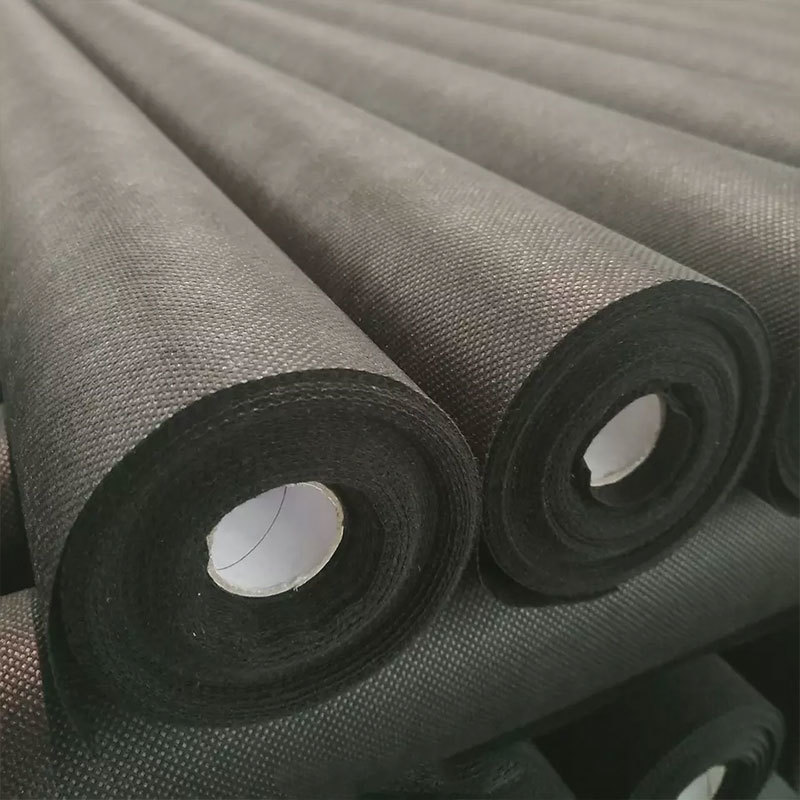
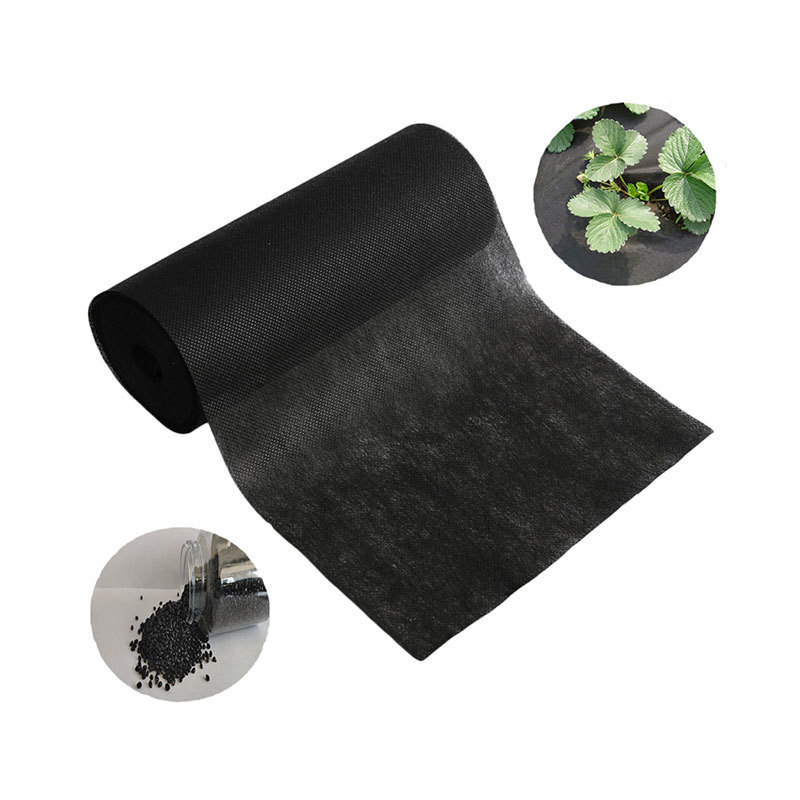
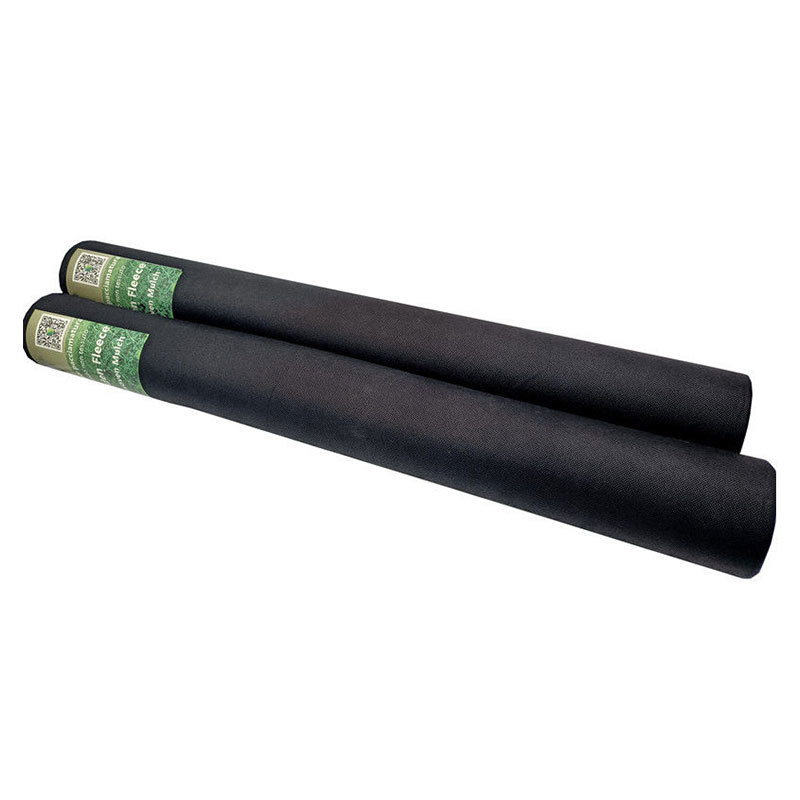
Polypropylene nonwoven fabric is a type of fabric made from polypropylene fibers. These fibers are bonded together through mechanical, thermal, or chemical processes, creating a fabric that does not require traditional weaving techniques. The result is a lightweight, durable, and flexible material that can be produced in a variety of forms, ranging from sheets to rolls.
One of the main advantages of polypropylene nonwoven fabric is its versatility. It can be used in numerous applications, including hygiene products, medical supplies, geotextiles, and even home décor. The ability to customize both color and texture makes it a sought-after choice for manufacturers and designers looking to create unique products.
Benefits of Polypropylene Nonwoven Fabric
The benefits of polypropylene nonwoven fabric extend far beyond its basic properties. Understanding these advantages can help inform your choices when selecting materials for specific applications.
Durability and Strength
Polypropylene nonwoven fabrics exhibit excellent durability and strength, making them suitable for various applications, including industrial and medical uses. They resist tearing, stretching, and deformation, ensuring a longer lifespan for products made from this material.
Lightweight and Breathable
The lightweight nature of polypropylene nonwoven fabric makes it ideal for products that require ease of handling and transport. Additionally, its breathability enhances comfort, particularly in applications such as clothing and hygiene products.
Cost-Effectiveness
Producing polypropylene nonwoven fabric is generally more cost-effective than other fabric types due to its manufacturing processes. This affordability allows manufacturers to create high-quality products without significantly increasing costs.
Water Resistance
Polypropylene nonwoven fabric is inherently water-resistant, making it suitable for outdoor applications and products exposed to moisture. This property enhances the longevity and performance of the fabric in various environments.
Customization and Versatility
One of the standout features of polypropylene nonwoven fabric is its ability to be customized. From color to texture, manufacturers can tailor the fabric to suit specific design requirements, allowing for greater creativity and innovation in product development.
Color Options in Polypropylene Nonwoven Fabric
Color plays a pivotal role in the design and functionality of polypropylene nonwoven fabric. It not only impacts the aesthetic appeal but can also influence consumer behavior and market trends.
Standard Colors
Polypropylene nonwoven fabric is available in a wide range of standard colors. Manufacturers typically offer vibrant hues, muted tones, and even pastel shades to cater to diverse market needs. These standard colors are often used in mass production, ensuring consistency in products.
Custom Color Matching
For brands looking to maintain a specific identity, custom color matching services are available. This allows companies to achieve their desired color palette, ensuring their products stand out in a competitive market.
Color Trends in Nonwoven Fabric
Color trends evolve, influenced by factors such as fashion, culture, and consumer preferences. Keeping up with these trends is crucial for manufacturers and designers. For instance, earthy tones and natural colors have gained popularity in recent years, reflecting a growing consumer interest in sustainability and eco-friendliness.
Color and Branding
Choosing the right color for polypropylene nonwoven fabric is vital for branding. Colors evoke emotions and can significantly impact a customer's perception of a product. Therefore, brands must carefully consider their color choices to align with their marketing strategies.
Texture Options in Polypropylene Nonwoven Fabric
Texture is another key consideration in the design of polypropylene nonwoven fabric. Various textural options can enhance the tactile experience of a product, influencing consumer preferences and usability.
Smooth Textures
Smooth-textured polypropylene nonwoven fabrics are often used in applications where a sleek finish is desired, such as in fashion or medical garments. This texture is soft against the skin, providing comfort and usability.
Textured Surfaces
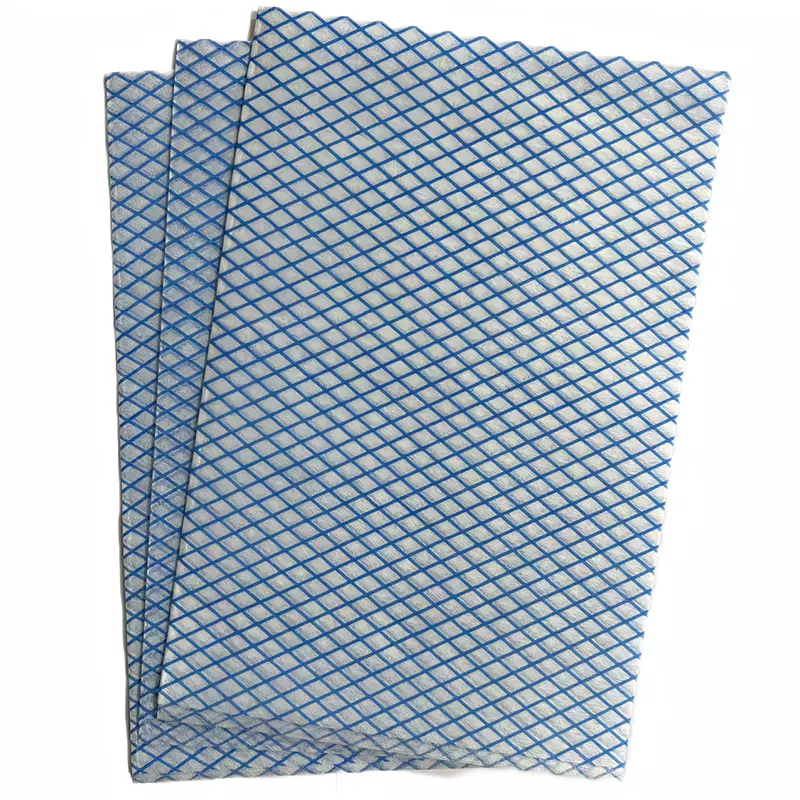
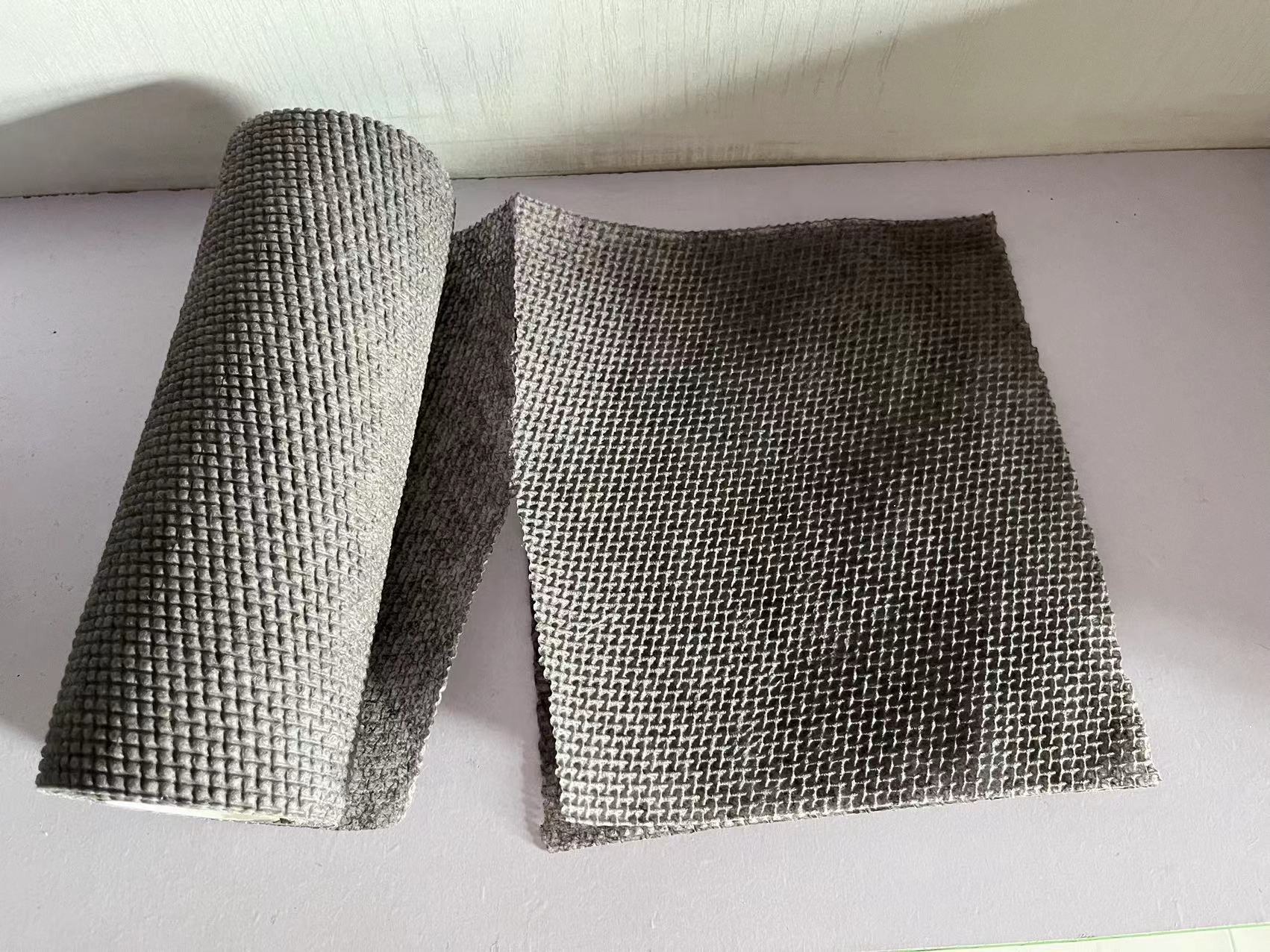
Textured polypropylene nonwoven fabrics offer a more tactile experience, enhancing grip and functionality. These fabrics are often utilized in products that require additional handling, such as bags or home textiles.
Specialty Textures
For specialized applications, manufacturers can create unique textures through advanced production techniques. For example, embossed patterns can be added for aesthetic appeal, while maintaining the functional properties of the fabric.
Texture and Performance
The texture of polypropylene nonwoven fabric can also impact its performance. For example, a more textured surface may enhance durability and resistance to wear, making it suitable for high-use applications.
Applications of Polypropylene Nonwoven Fabric
The versatility of polypropylene nonwoven fabric allows it to be utilized across a multitude of industries and applications. Understanding the various uses can help in selecting the right type for your needs.
Hygiene Products
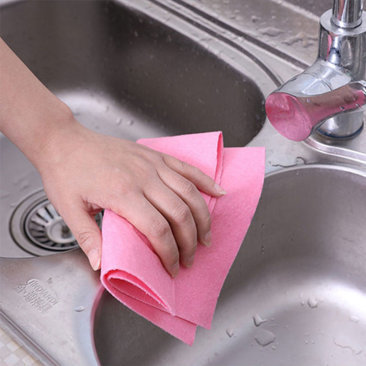
One of the most common applications of polypropylene nonwoven fabric is in hygiene products, including diapers, feminine hygiene products, and medical gowns. Its softness and breathability make it ideal for such sensitive applications.
Fashion and Apparel
The fashion industry has embraced polypropylene nonwoven fabric for its innovative designs and color options. Designers use it for everything from garments to accessories, capitalizing on its lightweight and customizable nature.
Automotive Industry
In the automotive sector, polypropylene nonwoven fabrics are used for interior components, such as seat covers and headliners. Their durability and resistance to wear make them an excellent choice for automotive applications.
Home Textiles
Polypropylene nonwoven fabric is increasingly used in home décor items, including curtains, tablecloths, and upholstery. The ability to choose colors and textures allows designers to create unique and stylish interiors.
Geotextiles
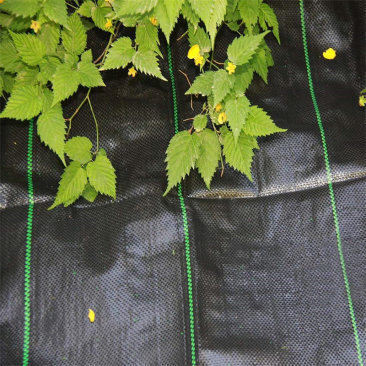
In construction and landscaping, polypropylene nonwoven fabric serves as geotextiles, providing soil stabilization and erosion control. Its water resistance and durability make it an essential material in these applications.
Trends in Polypropylene Nonwoven Fabric
Staying informed about current trends in polypropylene nonwoven fabric is essential for manufacturers and designers alike. Here are some prominent trends shaping the industry.
Sustainability and Eco-Friendly Solutions
As environmental concerns grow, the demand for sustainable polypropylene nonwoven fabrics is on the rise. Manufacturers are exploring eco-friendly production methods and materials, such as recycled polypropylene, to minimize their environmental impact.
Advanced Manufacturing Techniques
Innovations in manufacturing processes are leading to the development of new and improved polypropylene nonwoven fabrics. Techniques such as spunbonding and meltblowing enhance the quality and performance of the final product.
Customization and Personalization
The trend towards customization extends beyond color and texture. Brands are increasingly offering personalized products, allowing consumers to choose unique designs that reflect their identity and preferences.
Sustainability in Polypropylene Nonwoven Fabric
The sustainability of polypropylene nonwoven fabric has become a focal point in the industry. As the world moves towards more eco-conscious practices, understanding how this material fits into the sustainability narrative is crucial.
Recyclability
Polypropylene nonwoven fabric is recyclable, providing an avenue for reducing waste and environmental impact. Brands that utilize recycled materials can appeal to consumers who prioritize sustainability in their purchasing decisions.
Reduction of Waste in Production
Advanced manufacturing techniques have led to a reduction in waste during production. These methods not only improve efficiency but also contribute to a smaller carbon footprint for manufacturers.
Frequently Asked Questions
1. What is the main difference between woven and nonwoven fabric?
The primary difference lies in the manufacturing process. Woven fabrics are created by interlacing threads, while nonwoven fabrics are made from bonded fibers, offering unique properties such as breathability and water resistance.
2. Can polypropylene nonwoven fabric be dyed?
Yes, polypropylene nonwoven fabric can be dyed. Many manufacturers offer custom color matching services, allowing for a wide range of color options.
3. Is polypropylene nonwoven fabric environmentally friendly?
Polypropylene nonwoven fabric can be environmentally friendly when produced sustainably. Its recyclability and potential use of recycled materials contribute to a reduced environmental impact.
4. What are the common applications of polypropylene nonwoven fabric?
Common applications include hygiene products, medical supplies, fashion items, automotive components, and geotextiles.
5. How do I choose the right polypropylene nonwoven fabric for my project?
Consider factors such as the intended application, desired color and texture, and any specific performance requirements. Collaborating with a knowledgeable supplier can also help in making the best choice.
Conclusion
In summary, polypropylene nonwoven fabric is a versatile and innovative material that offers endless possibilities in color and texture. By understanding the benefits, applications, and trends associated with this fabric, manufacturers and designers can make informed choices that enhance their products' aesthetic appeal and functionality. As sustainability becomes increasingly important, the polypropylene nonwoven fabric industry is poised to adapt and evolve, ensuring it remains relevant and responsible in a fast-changing world. Embrace the vibrant colors and rich textures of polypropylene nonwoven fabric to elevate your projects and meet the demands of today's consumers.
Polypropylene nonwoven fabric

LEAVE A MESSAGE
MESSAGE