



10
2026
-
08
Understanding PP Nonwoven Fabric: A Comprehensive Guide for Professionals
PP nonwoven fabric, commonly known as polypropylene nonwoven fabric, is a versatile material that plays a pivotal role in various industries, particularly in textiles. This fabric is not woven in the traditional sense; instead, it is created by bonding fibers together through mechanical, thermal, or chemical processes. The result is a lightweight, durable, and breathable fabric that is highly soug

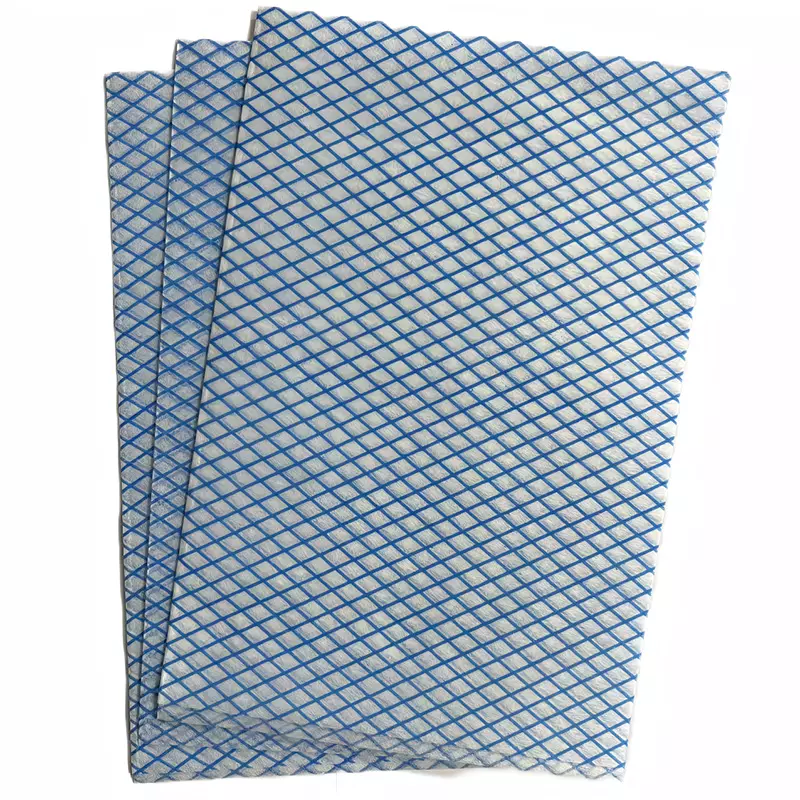
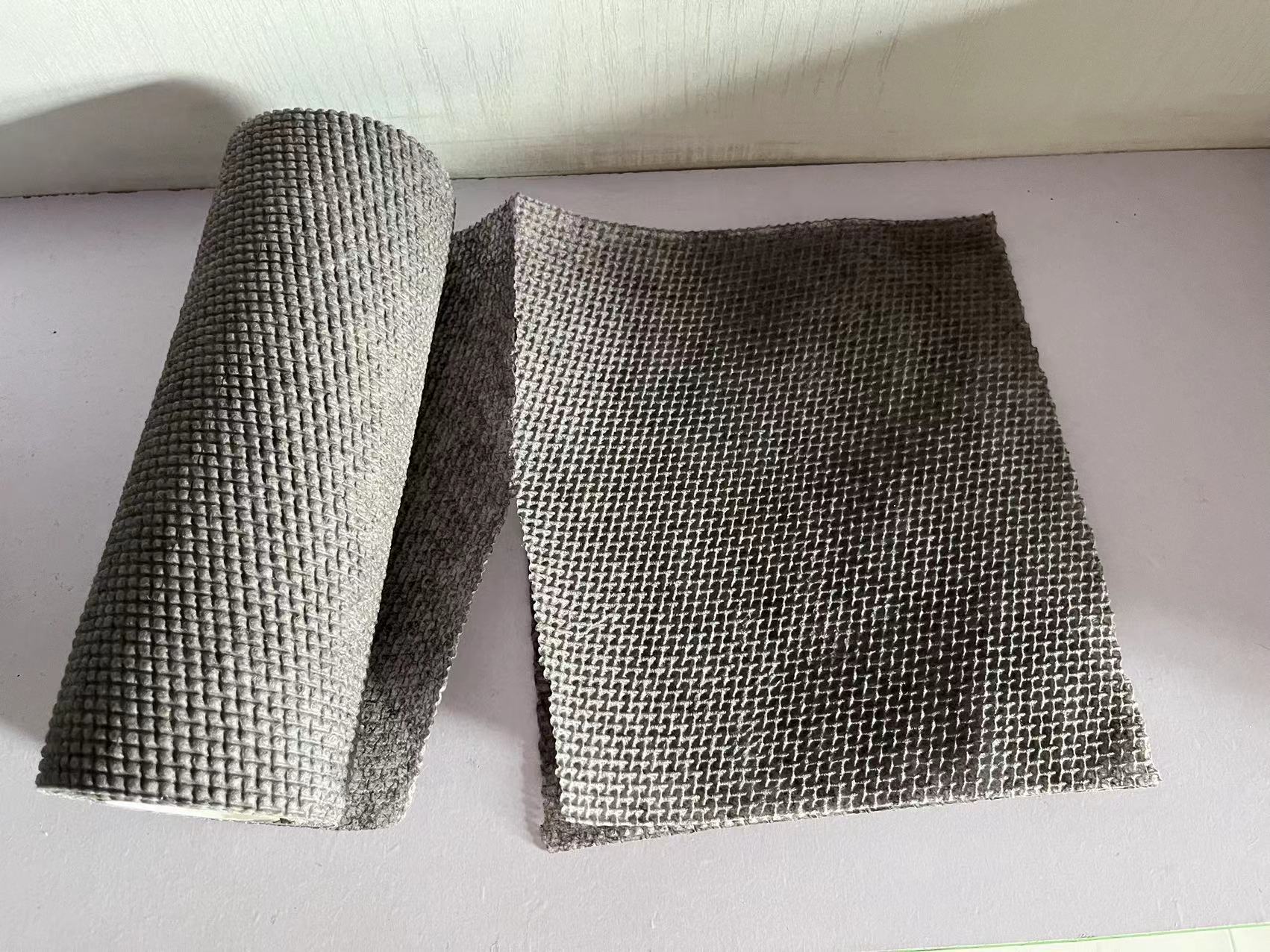
PP nonwoven fabric, commonly known as polypropylene nonwoven fabric, is a versatile material that plays a pivotal role in various industries, particularly in textiles. This fabric is not woven in the traditional sense; instead, it is created by bonding fibers together through mechanical, thermal, or chemical processes. The result is a lightweight, durable, and breathable fabric that is highly sought after for its unique properties and applications.
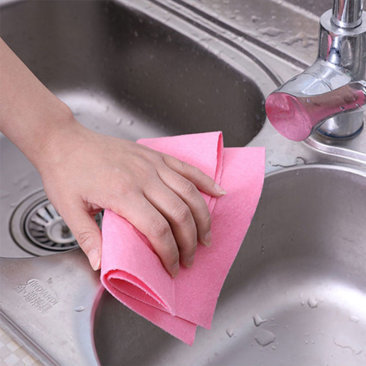
One of the most significant advantages of PP nonwoven fabric is its excellent strength-to-weight ratio. This makes it ideal for applications requiring durability without the bulk, such as in hygiene products like baby diapers, feminine hygiene products, and adult incontinence items. Additionally, its resistance to moisture and chemical abrasion enhances its suitability for medical applications, including surgical gowns and drapes, where sterility and durability are paramount.
Another notable characteristic of PP nonwoven fabric is its cost-effectiveness. The production process is relatively simple and efficient, allowing for large-scale manufacturing without sacrificing quality. This attribute makes PP nonwoven fabric an attractive option for companies looking to optimize their supply chain and reduce material costs while maintaining product performance.
In terms of environmental impact, many manufacturers are adopting eco-friendly practices in the production of PP nonwoven fabric. The material is recyclable and can be produced from recycled polypropylene, which contributes to reducing the carbon footprint associated with textile production. Furthermore, innovations in biodegradable additives are making it possible to create nonwoven fabrics that break down more easily in landfill conditions, aligning with sustainability goals in the industry.
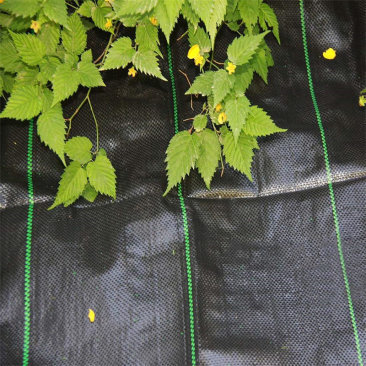
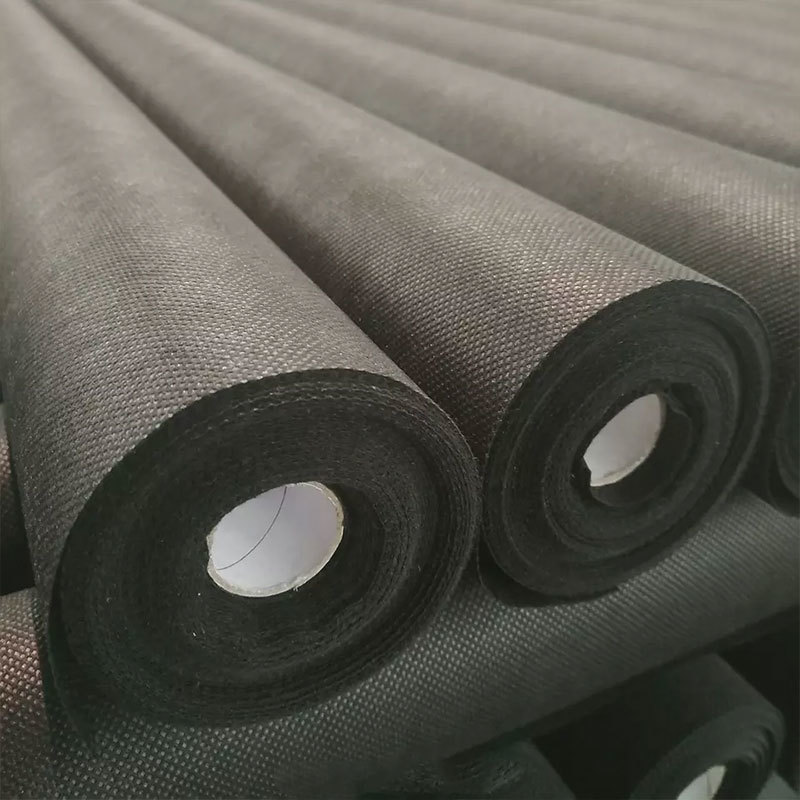
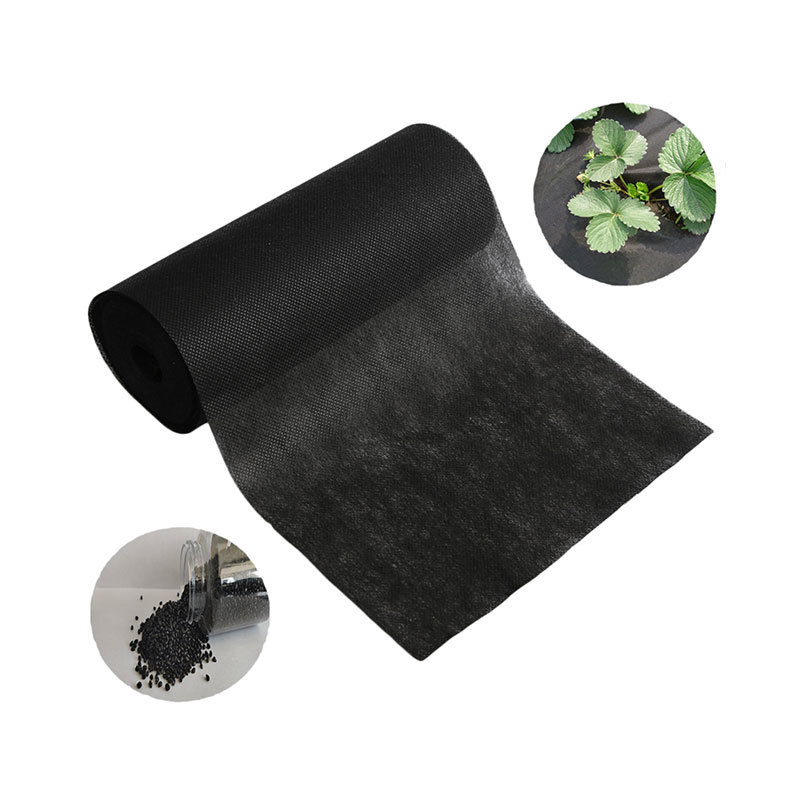
The applications of PP nonwoven fabric are vast. Beyond hygiene and medical uses, it is also employed in agriculture as landscape fabric, in construction for geotextiles, and in the automotive industry for interior components. Its versatility is a key factor driving its adoption across diverse sectors.
In summary, PP nonwoven fabric stands out due to its strength, cost-effectiveness, and broad range of applications. As professionals in the textile industry seek innovative solutions to meet the evolving demands of consumers and sustainability initiatives, understanding the properties and benefits of PP nonwoven fabric will be essential. By leveraging its advantages, companies can enhance product offerings and streamline their operations, ensuring they remain competitive in a rapidly changing market.
PP nonwoven fabric

LEAVE A MESSAGE
MESSAGE