




29
2026
-
05
The Versatile World of Polyester Spunbond Fabric: Applications and Benefits
Polyester spunbond fabric is a remarkable innovation in the realm of nonwoven textiles. This fabric is made through a sophisticated process that involves spinning polyester fibers into a continuous web, which is then bonded through heat or chemical processes. The result is a durable and versatile material that has gained popularity across numerous industries. One of the standout features of polyes

Polyester spunbond fabric is a remarkable innovation in the realm of nonwoven textiles. This fabric is made through a sophisticated process that involves spinning polyester fibers into a continuous web, which is then bonded through heat or chemical processes. The result is a durable and versatile material that has gained popularity across numerous industries.
One of the standout features of polyester spunbond fabric is its exceptional strength and durability. This fabric exhibits high tensile strength, which makes it suitable for a variety of applications, including medical textiles, agricultural coverings, and building materials. Its robustness enables it to withstand wear and tear, making it a preferred choice for products that require longevity and reliability.
Another significant advantage of polyester spunbond fabric is its lightweight nature. Unlike woven fabrics, spunbond materials are generally lighter, which facilitates easier handling and application. This property is particularly beneficial in sectors like packaging and hygiene products, where reduced weight can lead to cost savings in transportation and material usage.
The fabric is also known for its excellent filtration properties. Due to its fine fiber structure, polyester spunbond fabric can effectively filter particles and contaminants, making it ideal for use in air and liquid filtration systems. This quality is essential in industries such as healthcare, where sterile environments are crucial, and in environmental applications, where water and air purity are prioritized.
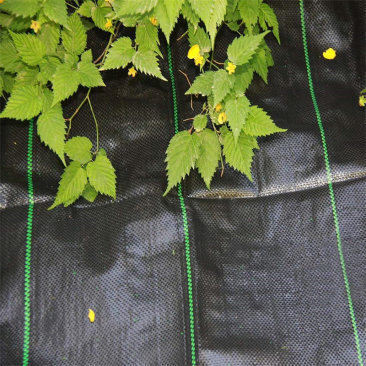
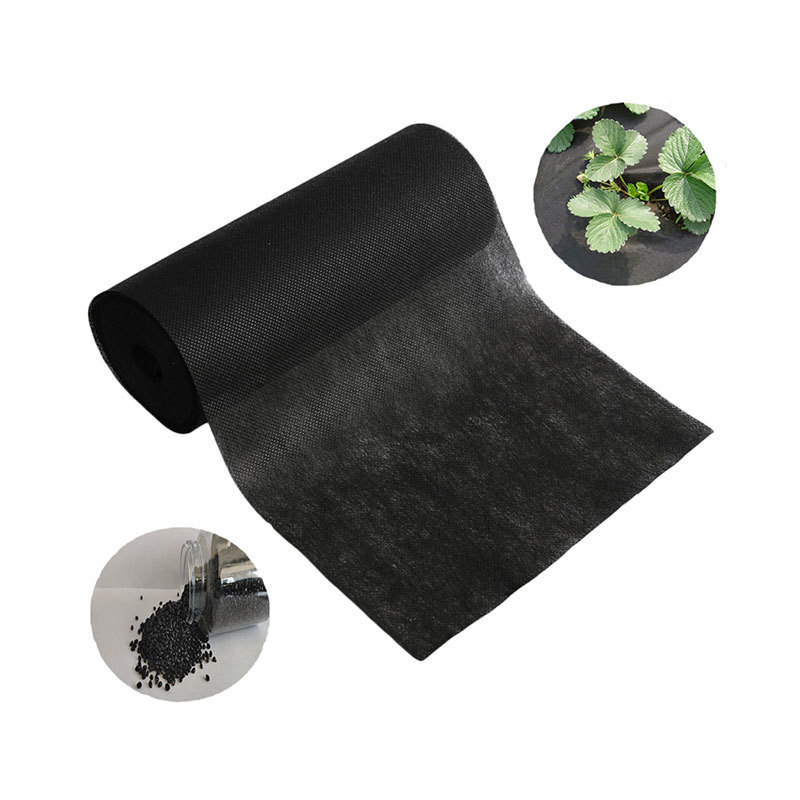
Additionally, polyester spunbond fabric is highly resistant to moisture, chemicals, and UV light. This resistance enhances its suitability for outdoor applications, such as landscaping fabrics and protective covers. In agriculture, for example, it is used as a mulch film to protect crops from harsh weather while allowing air and moisture to penetrate.
Sustainability is another important aspect of polyester spunbond fabric. Many manufacturers are now focusing on producing this fabric from recycled polyester, significantly reducing the environmental impact associated with textile production. This shift not only helps in conserving resources but also aligns with the growing demand for eco-friendly products.
In conclusion, polyester spunbond fabric stands out as a versatile and efficient material within the nonwoven textile industry. Its strength, lightweight nature, filtration capabilities, and resistance to various environmental factors make it applicable in a wide range of industries. As the demand for sustainable and high-performance textiles continues to rise, polyester spunbond fabric is well-positioned to meet these challenges, offering innovative solutions across the board.
One of the standout features of polyester spunbond fabric is its exceptional strength and durability. This fabric exhibits high tensile strength, which makes it suitable for a variety of applications, including medical textiles, agricultural coverings, and building materials. Its robustness enables it to withstand wear and tear, making it a preferred choice for products that require longevity and reliability.
Another significant advantage of polyester spunbond fabric is its lightweight nature. Unlike woven fabrics, spunbond materials are generally lighter, which facilitates easier handling and application. This property is particularly beneficial in sectors like packaging and hygiene products, where reduced weight can lead to cost savings in transportation and material usage.
The fabric is also known for its excellent filtration properties. Due to its fine fiber structure, polyester spunbond fabric can effectively filter particles and contaminants, making it ideal for use in air and liquid filtration systems. This quality is essential in industries such as healthcare, where sterile environments are crucial, and in environmental applications, where water and air purity are prioritized.
Additionally, polyester spunbond fabric is highly resistant to moisture, chemicals, and UV light. This resistance enhances its suitability for outdoor applications, such as landscaping fabrics and protective covers. In agriculture, for example, it is used as a mulch film to protect crops from harsh weather while allowing air and moisture to penetrate.
Sustainability is another important aspect of polyester spunbond fabric. Many manufacturers are now focusing on producing this fabric from recycled polyester, significantly reducing the environmental impact associated with textile production. This shift not only helps in conserving resources but also aligns with the growing demand for eco-friendly products.
In conclusion, polyester spunbond fabric stands out as a versatile and efficient material within the nonwoven textile industry. Its strength, lightweight nature, filtration capabilities, and resistance to various environmental factors make it applicable in a wide range of industries. As the demand for sustainable and high-performance textiles continues to rise, polyester spunbond fabric is well-positioned to meet these challenges, offering innovative solutions across the board.
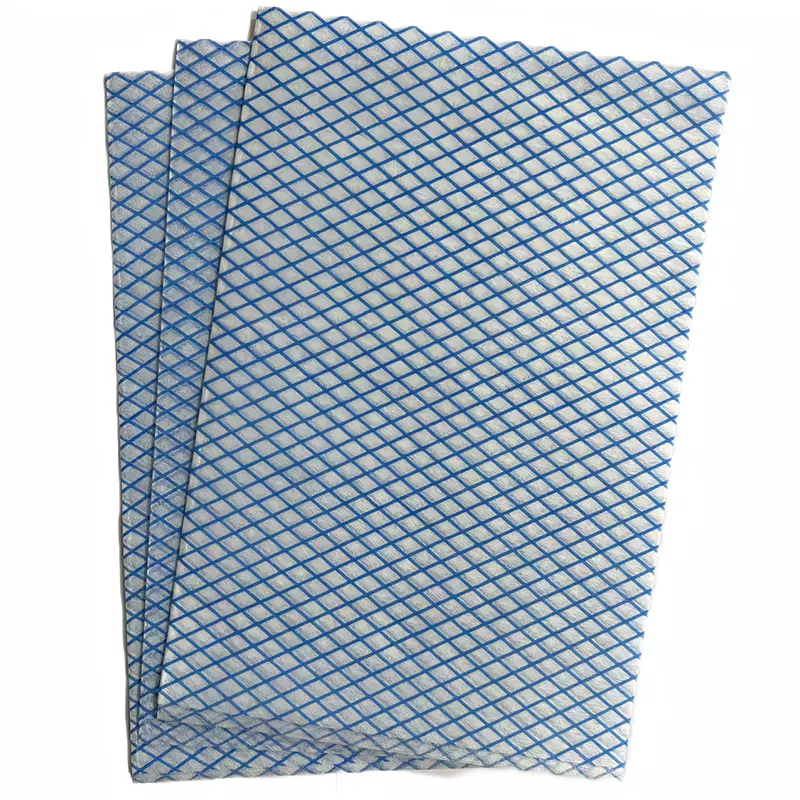
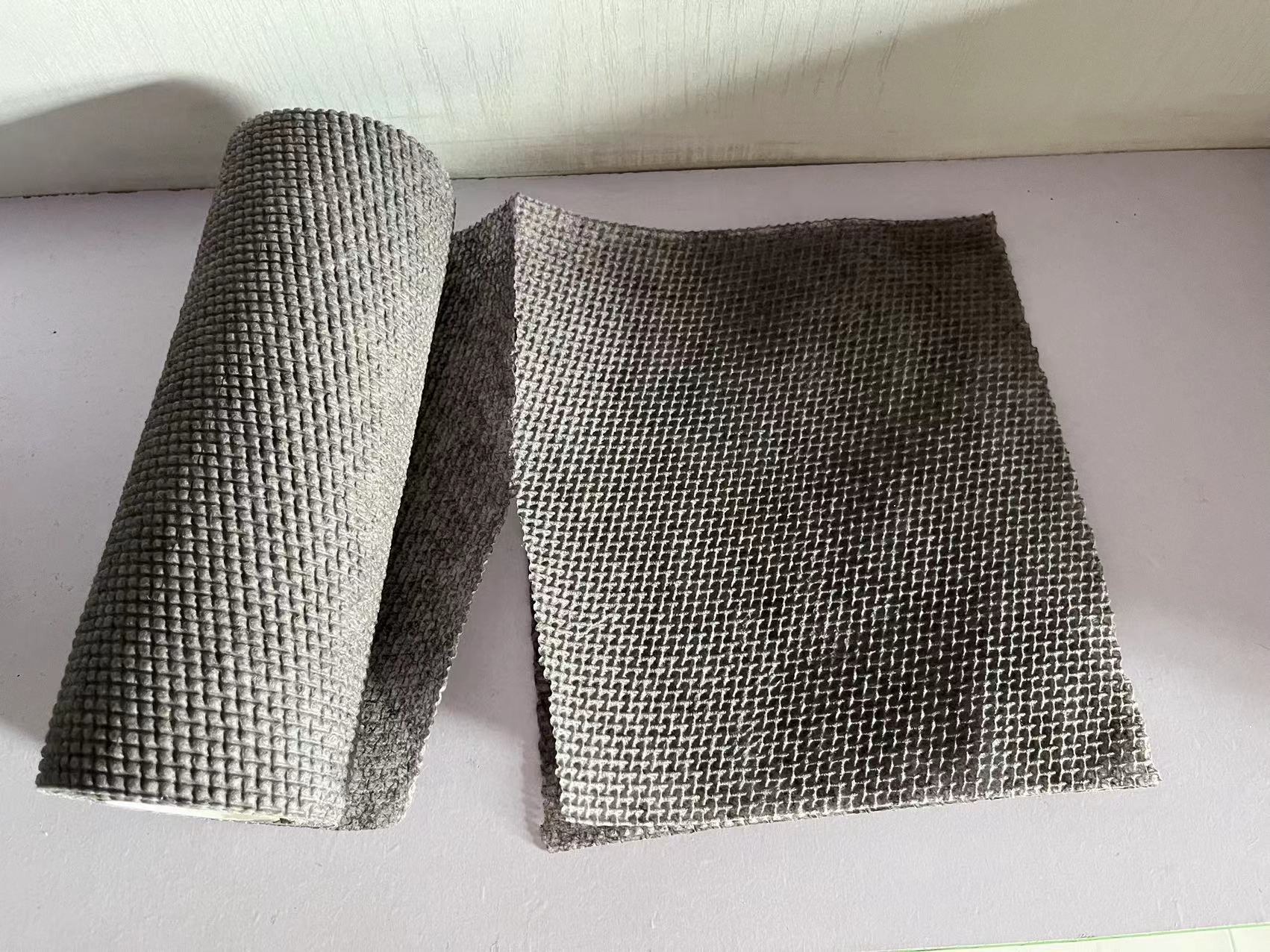
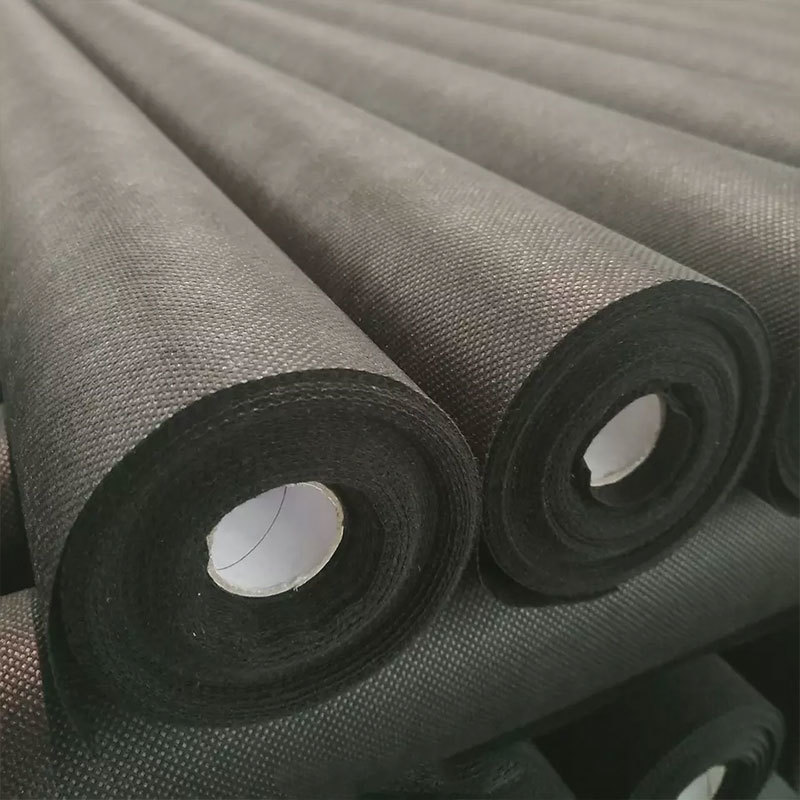
polyester spunbond fabric

LEAVE A MESSAGE
MESSAGE