




17
2026
-
07
Understanding Geotextile Landscape Fabric: A Key Element in Construction and Landscaping
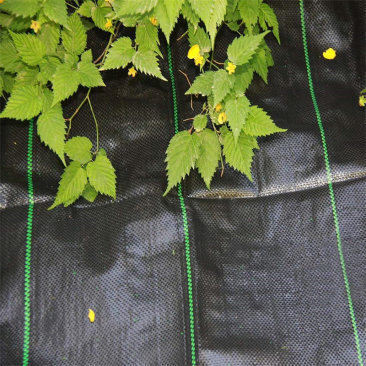
Geotextile landscape fabric is a permeable textile material used widely in the construction and landscaping sectors. It serves multiple purposes, including soil stabilization, erosion control, and drainage improvement. Understanding its properties and applications can significantly enhance project outcomes and sustainability. One of the primary functions of geotextile landscape fabric is soil stab

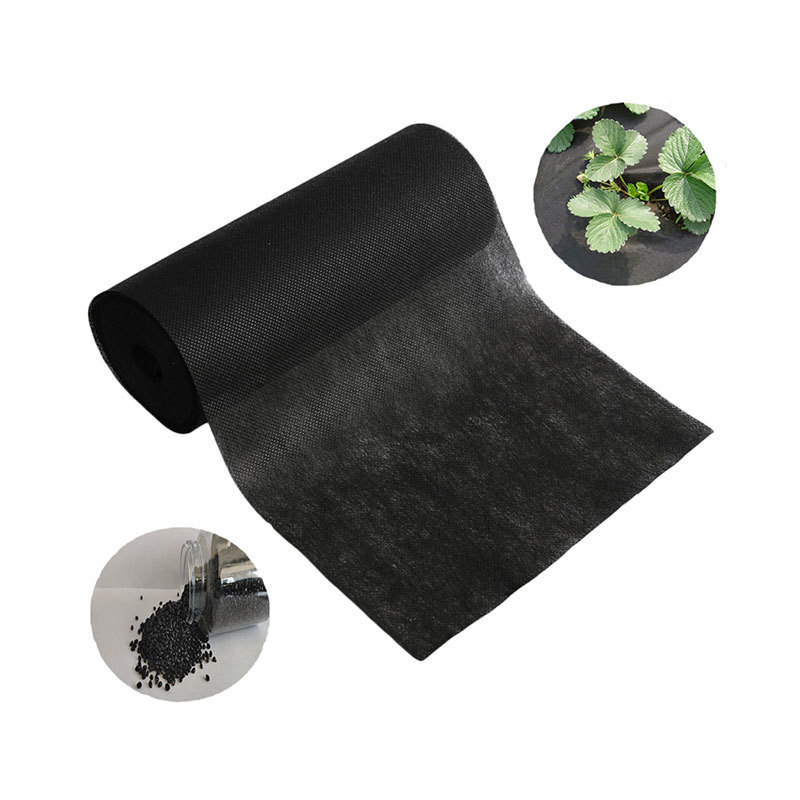
Geotextile landscape fabric is a permeable textile material used widely in the construction and landscaping sectors. It serves multiple purposes, including soil stabilization, erosion control, and drainage improvement. Understanding its properties and applications can significantly enhance project outcomes and sustainability.
One of the primary functions of geotextile landscape fabric is soil stabilization. When installed under foundations, roadways, or retaining walls, it helps to distribute loads evenly, reducing the risk of settling and shifting. This stabilization is particularly vital in areas with loose or unstable soils. By preventing soil movement, geotextile fabric supports infrastructure longevity, minimizing the need for costly repairs and maintenance.
In addition to stabilization, geotextile landscape fabric also plays a critical role in erosion control. It acts as a barrier that prevents soil erosion caused by wind and water runoff. For landscaping projects, using this fabric can protect newly planted areas, allowing vegetation to establish itself without the risk of being washed away. When combined with other erosion control measures, geotextile fabrics can significantly reduce sediment loss and improve site stability.
Another essential application of geotextile landscape fabric is in drainage systems. The fabric allows water to flow through while filtering out soil particles, preventing clogging in drainage systems. This characteristic is invaluable in landscaping, where proper drainage is necessary to maintain healthy plant growth. By incorporating geotextile landscape fabric, professionals can enhance the effectiveness of drainage systems, ensuring long-term functionality.
Furthermore, the use of geotextile landscape fabric can promote sustainability in construction and landscaping practices. By reducing soil erosion and improving drainage, these fabrics can help protect natural water bodies from sedimentation and pollution. Additionally, they can facilitate the use of permeable surfaces, contributing to more eco-friendly design solutions.
However, it is essential for professionals to choose the right type of geotextile landscape fabric for their specific applications. Factors such as fabric weight, permeability, and durability should be considered to match the project requirements. Understanding the differences between woven and non-woven fabrics can also aid in making informed decisions that align with project goals.
In conclusion, geotextile landscape fabric is an invaluable tool in the construction and landscaping industries. Its ability to stabilize soil, control erosion, and improve drainage makes it essential for successful project execution. By leveraging the benefits of this versatile material, professionals can enhance the performance of their projects and contribute to sustainable practices within the industry.
One of the primary functions of geotextile landscape fabric is soil stabilization. When installed under foundations, roadways, or retaining walls, it helps to distribute loads evenly, reducing the risk of settling and shifting. This stabilization is particularly vital in areas with loose or unstable soils. By preventing soil movement, geotextile fabric supports infrastructure longevity, minimizing the need for costly repairs and maintenance.
In addition to stabilization, geotextile landscape fabric also plays a critical role in erosion control. It acts as a barrier that prevents soil erosion caused by wind and water runoff. For landscaping projects, using this fabric can protect newly planted areas, allowing vegetation to establish itself without the risk of being washed away. When combined with other erosion control measures, geotextile fabrics can significantly reduce sediment loss and improve site stability.
Another essential application of geotextile landscape fabric is in drainage systems. The fabric allows water to flow through while filtering out soil particles, preventing clogging in drainage systems. This characteristic is invaluable in landscaping, where proper drainage is necessary to maintain healthy plant growth. By incorporating geotextile landscape fabric, professionals can enhance the effectiveness of drainage systems, ensuring long-term functionality.
Furthermore, the use of geotextile landscape fabric can promote sustainability in construction and landscaping practices. By reducing soil erosion and improving drainage, these fabrics can help protect natural water bodies from sedimentation and pollution. Additionally, they can facilitate the use of permeable surfaces, contributing to more eco-friendly design solutions.
However, it is essential for professionals to choose the right type of geotextile landscape fabric for their specific applications. Factors such as fabric weight, permeability, and durability should be considered to match the project requirements. Understanding the differences between woven and non-woven fabrics can also aid in making informed decisions that align with project goals.
In conclusion, geotextile landscape fabric is an invaluable tool in the construction and landscaping industries. Its ability to stabilize soil, control erosion, and improve drainage makes it essential for successful project execution. By leveraging the benefits of this versatile material, professionals can enhance the performance of their projects and contribute to sustainable practices within the industry.
geotextile landscape fabric

LEAVE A MESSAGE
MESSAGE