


05
2025
-
03
Understanding PP Nonwoven Fabric: An Essential Material in Modern Textiles
PP nonwoven fabric, or polypropylene nonwoven fabric, is a type of textile material that is gaining popularity due to its unique properties and applications. Made from polypropylene fibers, this fabric is produced through processes that do not involve traditional weaving or knitting. Instead, the fibers are bonded together using techniques such as heat, chemical, or mechanical methods, which allow

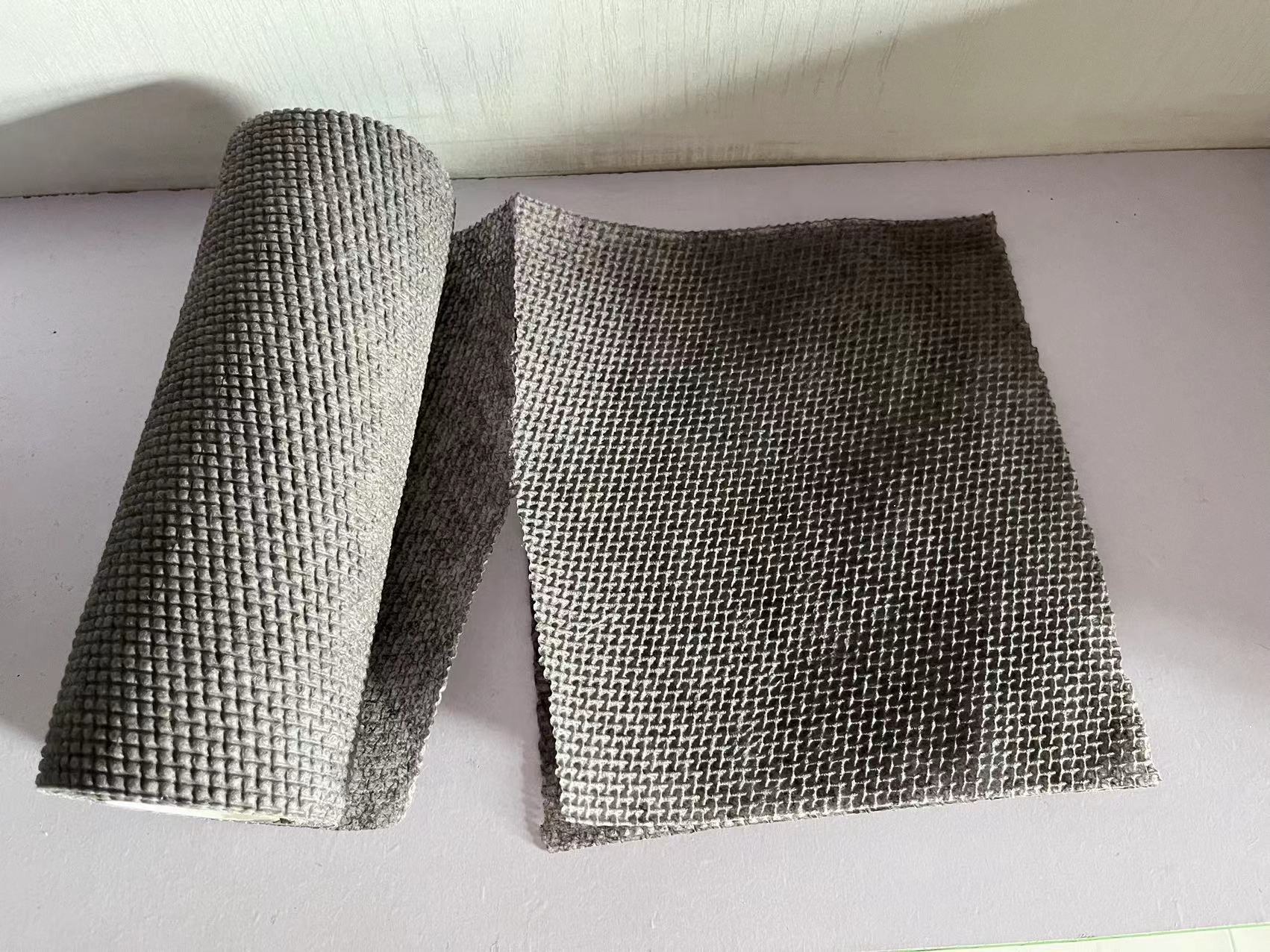
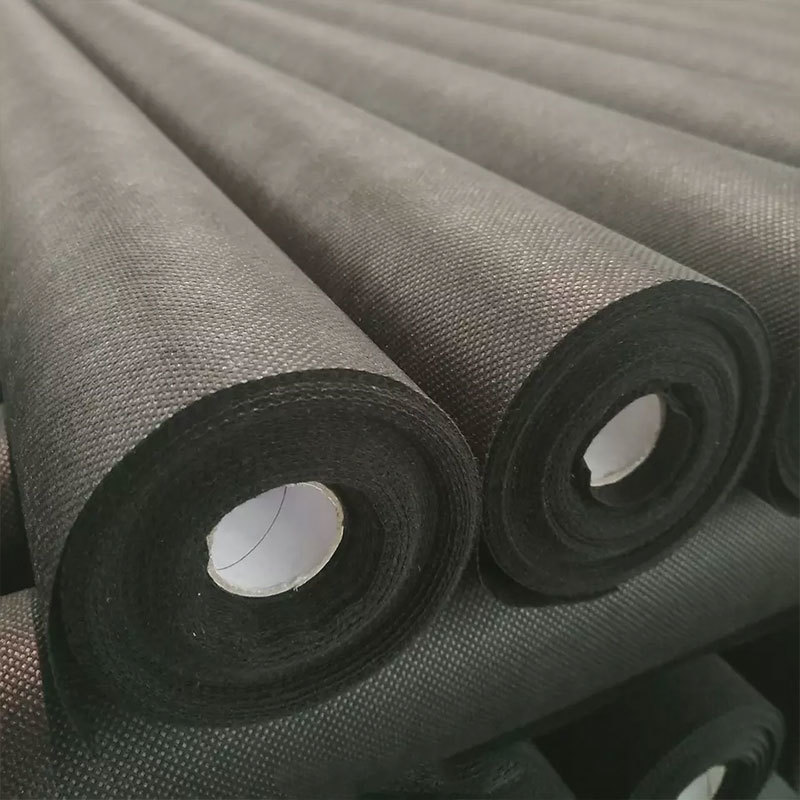
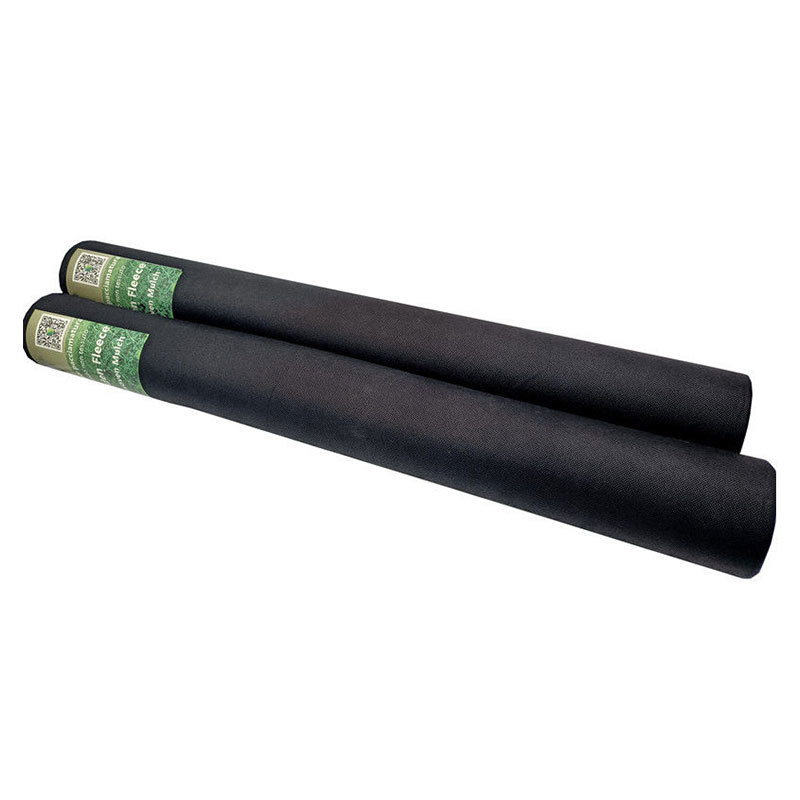
PP nonwoven fabric, or polypropylene nonwoven fabric, is a type of textile material that is gaining popularity due to its unique properties and applications. Made from polypropylene fibers, this fabric is produced through processes that do not involve traditional weaving or knitting. Instead, the fibers are bonded together using techniques such as heat, chemical, or mechanical methods, which allows for the creation of a strong and durable material.
One of the key advantages of PP nonwoven fabric is its lightweight nature. This makes it particularly suitable for applications where weight reduction is essential, such as in disposable medical products, personal protective equipment, and lightweight clothing. Additionally, the fabric is resistant to water and many chemicals, making it an ideal choice for use in various industries, including construction, automotive, and agriculture.
In the healthcare sector, PP nonwoven fabric is widely used in the production of surgical gowns, masks, and bedding. Its breathability and fluid resistance provide essential protection for both patients and healthcare workers. Moreover, the fabric is often designed to be disposable, which helps to prevent the spread of infections in clinical environments.
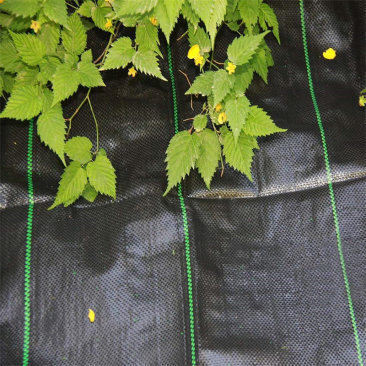
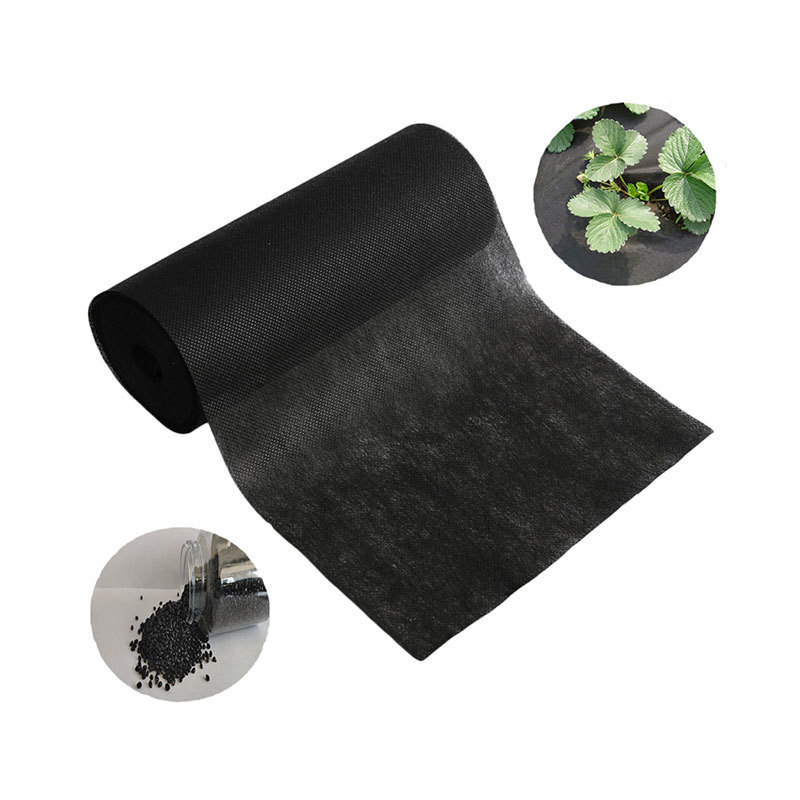
In agriculture, PP nonwoven fabric is utilized for crop covers, weed control mats, and garden fabric. Its ability to allow air and moisture to pass through while providing protection from harsh weather conditions makes it an invaluable tool for farmers and gardeners alike. This ensures that plants receive the necessary sunlight and nutrients while remaining shielded from pests and extreme temperatures.
Furthermore, the sustainability of PP nonwoven fabric is becoming an increasingly important consideration. Many manufacturers are exploring ways to create recyclable or biodegradable versions of this fabric to reduce environmental impact. As the demand for eco-friendly materials rises, innovations in the production and recycling of PP nonwoven fabrics could lead to more sustainable practices in various industries.
In summary, PP nonwoven fabric is a remarkable material that offers a wide range of benefits across multiple sectors. Its lightweight, durable, and versatile nature makes it indispensable in applications from healthcare to agriculture. As advancements continue in production methods and sustainability efforts, the future of PP nonwoven fabric looks promising. Whether you are in need of effective medical supplies or agricultural solutions, understanding the properties and uses of this fabric can help you make informed decisions in your textile needs.
One of the key advantages of PP nonwoven fabric is its lightweight nature. This makes it particularly suitable for applications where weight reduction is essential, such as in disposable medical products, personal protective equipment, and lightweight clothing. Additionally, the fabric is resistant to water and many chemicals, making it an ideal choice for use in various industries, including construction, automotive, and agriculture.
In the healthcare sector, PP nonwoven fabric is widely used in the production of surgical gowns, masks, and bedding. Its breathability and fluid resistance provide essential protection for both patients and healthcare workers. Moreover, the fabric is often designed to be disposable, which helps to prevent the spread of infections in clinical environments.
In agriculture, PP nonwoven fabric is utilized for crop covers, weed control mats, and garden fabric. Its ability to allow air and moisture to pass through while providing protection from harsh weather conditions makes it an invaluable tool for farmers and gardeners alike. This ensures that plants receive the necessary sunlight and nutrients while remaining shielded from pests and extreme temperatures.
Furthermore, the sustainability of PP nonwoven fabric is becoming an increasingly important consideration. Many manufacturers are exploring ways to create recyclable or biodegradable versions of this fabric to reduce environmental impact. As the demand for eco-friendly materials rises, innovations in the production and recycling of PP nonwoven fabrics could lead to more sustainable practices in various industries.
In summary, PP nonwoven fabric is a remarkable material that offers a wide range of benefits across multiple sectors. Its lightweight, durable, and versatile nature makes it indispensable in applications from healthcare to agriculture. As advancements continue in production methods and sustainability efforts, the future of PP nonwoven fabric looks promising. Whether you are in need of effective medical supplies or agricultural solutions, understanding the properties and uses of this fabric can help you make informed decisions in your textile needs.
PP nonwoven fabric

LEAVE A MESSAGE
MESSAGE