



06
2025
-
03
Unlocking the Benefits of Polypropylene Nonwoven Fabric: A Comprehensive Guide
Polypropylene nonwoven fabric is a synthetic material that has gained immense popularity across various industries due to its unique characteristics and versatility. Made from polypropylene fibers, this nonwoven fabric is produced through a process that entangles fibers together without weaving, resulting in a lightweight yet durable material. One of the most striking features of polypropylene non

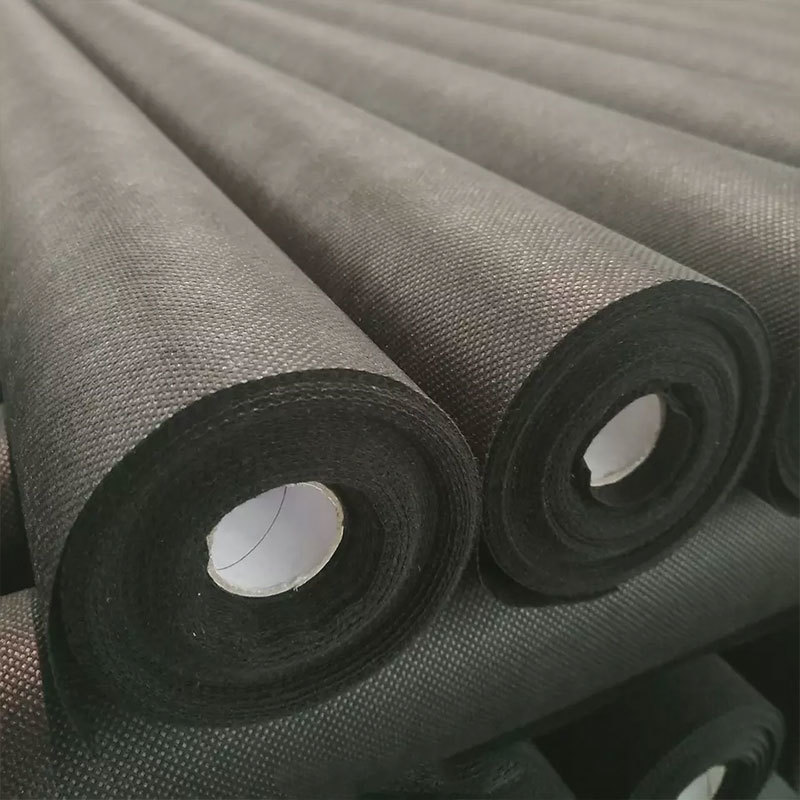
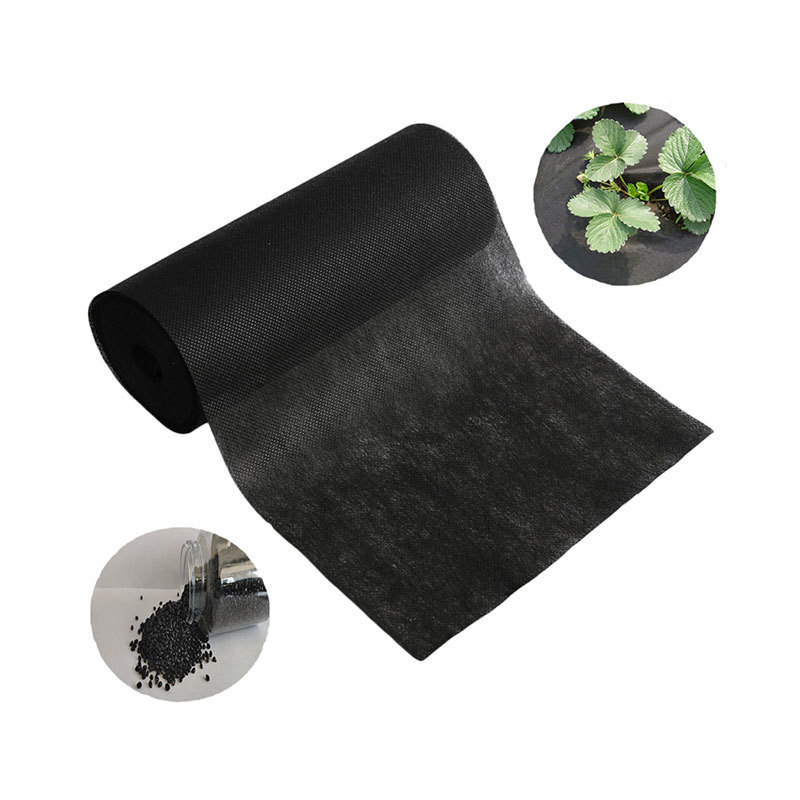
Polypropylene nonwoven fabric is a synthetic material that has gained immense popularity across various industries due to its unique characteristics and versatility. Made from polypropylene fibers, this nonwoven fabric is produced through a process that entangles fibers together without weaving, resulting in a lightweight yet durable material. One of the most striking features of polypropylene nonwoven fabric is its weight, typically ranging from 10 to 200 grams per square meter (g/?), which makes it suitable for a plethora of applications.
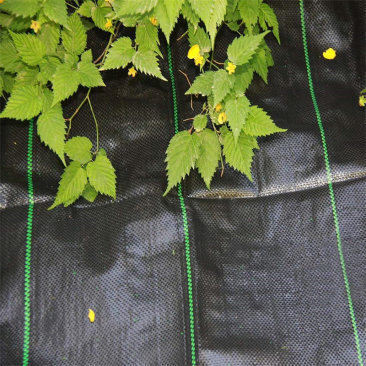
One of the standout advantages of polypropylene nonwoven fabric is its exceptional strength-to-weight ratio. Despite its lightweight nature, this fabric exhibits high tensile strength and durability, making it ideal for applications where strength is essential. It is commonly used in products like geotextiles, medical garments, and protective clothing, where reliability is paramount.
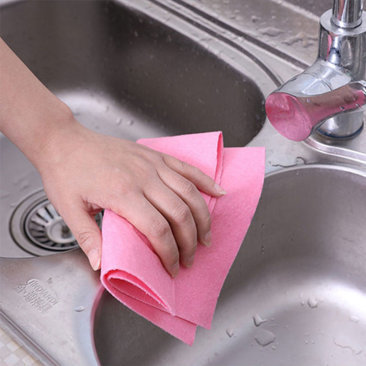
Another key benefit of polypropylene nonwoven fabric is its resistance to moisture and chemicals. The fabric does not absorb water, which gives it the ability to dry quickly, resisting mold and mildew growth. Additionally, it exhibits excellent resistance to various chemicals and pollutants, making it suitable for use in healthcare and industrial applications. This characteristic not only enhances hygiene but also prolongs the lifespan of the products made from it.
Moreover, polypropylene nonwoven fabric is environmentally friendly. It is often made from recycled materials and is 100% recyclable itself, making it a sustainable choice for manufacturers and consumers alike. The production process of nonwoven fabrics generally consumes less energy compared to woven fabrics, further reducing its environmental footprint.
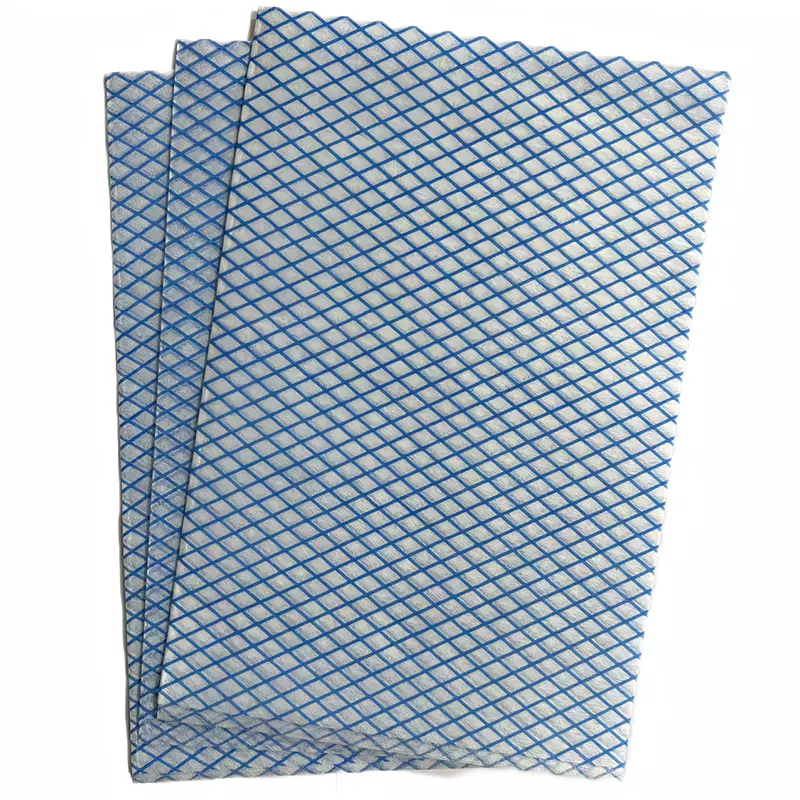
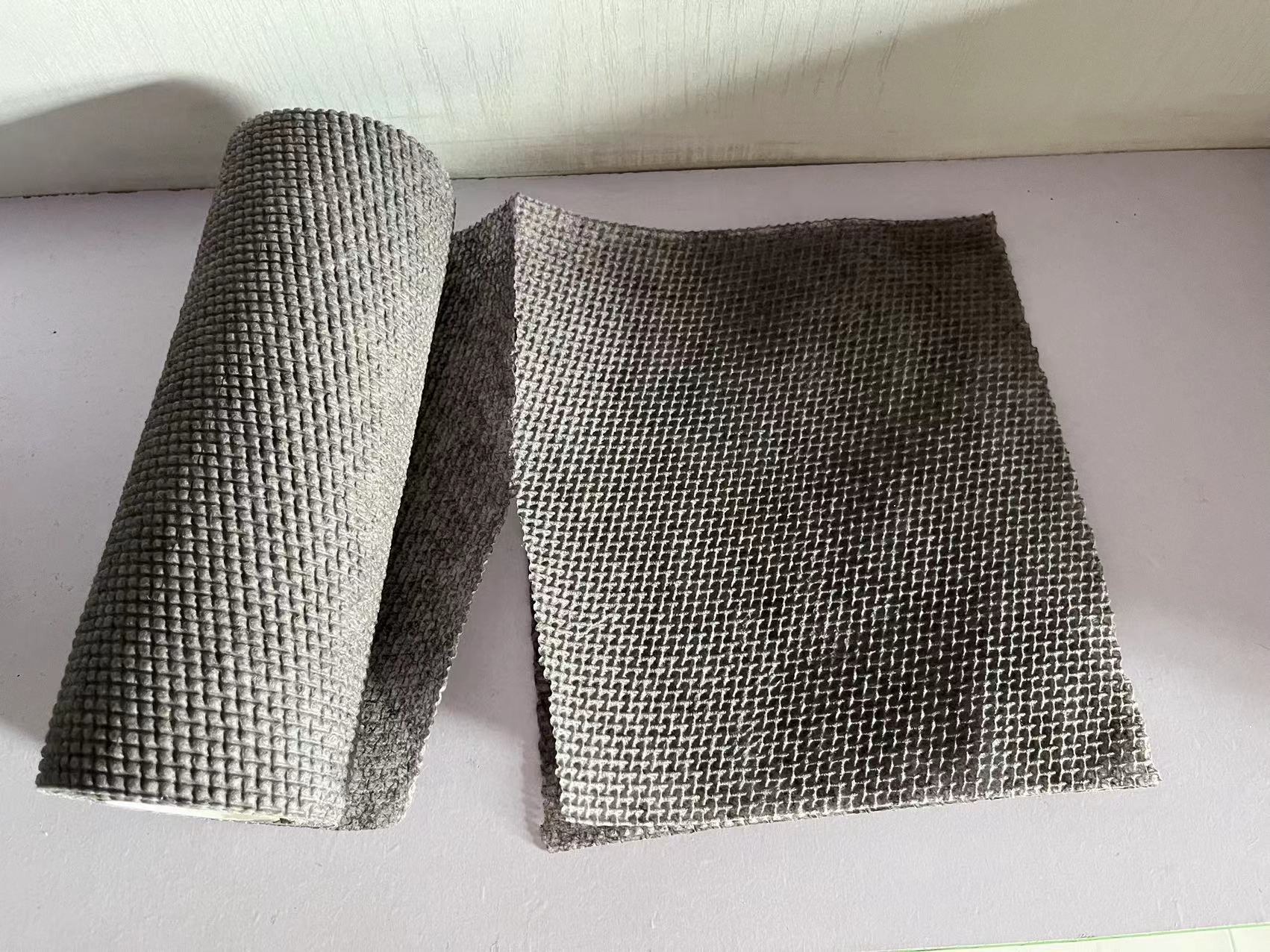
The fabric's versatility extends to its ease of customization. Polypropylene nonwoven fabric can be produced in different colors, thicknesses, and patterns, catering to specific industry needs. This adaptability makes it an excellent choice for businesses seeking tailored solutions for their products.
In the realm of medical applications, polypropylene nonwoven fabric is widely used in surgical masks, gowns, and drapes due to its breathable nature and ability to act as a barrier against contaminants. Its softness and comfort also make it suitable for personal hygiene products, such as diapers and feminine hygiene items.
In conclusion, polypropylene nonwoven fabric is a remarkable material that offers numerous advantages, including a favorable weight range, high durability, moisture resistance, environmental sustainability, and ease of customization. Its versatility ensures that it continues to be a preferred choice in a wide array of applications, from healthcare to industrial use. As industries increasingly focus on sustainable practices, polypropylene nonwoven fabric stands out as a practical and eco-friendly option.
One of the standout advantages of polypropylene nonwoven fabric is its exceptional strength-to-weight ratio. Despite its lightweight nature, this fabric exhibits high tensile strength and durability, making it ideal for applications where strength is essential. It is commonly used in products like geotextiles, medical garments, and protective clothing, where reliability is paramount.
Another key benefit of polypropylene nonwoven fabric is its resistance to moisture and chemicals. The fabric does not absorb water, which gives it the ability to dry quickly, resisting mold and mildew growth. Additionally, it exhibits excellent resistance to various chemicals and pollutants, making it suitable for use in healthcare and industrial applications. This characteristic not only enhances hygiene but also prolongs the lifespan of the products made from it.
Moreover, polypropylene nonwoven fabric is environmentally friendly. It is often made from recycled materials and is 100% recyclable itself, making it a sustainable choice for manufacturers and consumers alike. The production process of nonwoven fabrics generally consumes less energy compared to woven fabrics, further reducing its environmental footprint.
The fabric's versatility extends to its ease of customization. Polypropylene nonwoven fabric can be produced in different colors, thicknesses, and patterns, catering to specific industry needs. This adaptability makes it an excellent choice for businesses seeking tailored solutions for their products.
In the realm of medical applications, polypropylene nonwoven fabric is widely used in surgical masks, gowns, and drapes due to its breathable nature and ability to act as a barrier against contaminants. Its softness and comfort also make it suitable for personal hygiene products, such as diapers and feminine hygiene items.
In conclusion, polypropylene nonwoven fabric is a remarkable material that offers numerous advantages, including a favorable weight range, high durability, moisture resistance, environmental sustainability, and ease of customization. Its versatility ensures that it continues to be a preferred choice in a wide array of applications, from healthcare to industrial use. As industries increasingly focus on sustainable practices, polypropylene nonwoven fabric stands out as a practical and eco-friendly option.
Polypropylene nonwoven fabric

LEAVE A MESSAGE
MESSAGE