




07
2025
-
03
Understanding Spunbond Nonwoven Fabric: A Versatile Material for Various Applications
Spunbond nonwoven fabric is a unique material that has gained traction in various applications due to its distinctive properties and versatility. Unlike traditional woven fabrics, spunbond nonwoven fabrics are created through a process that involves the bonding of fibers without weaving. This method enables manufacturers to produce a lightweight, durable, and breathable material that is suitable f

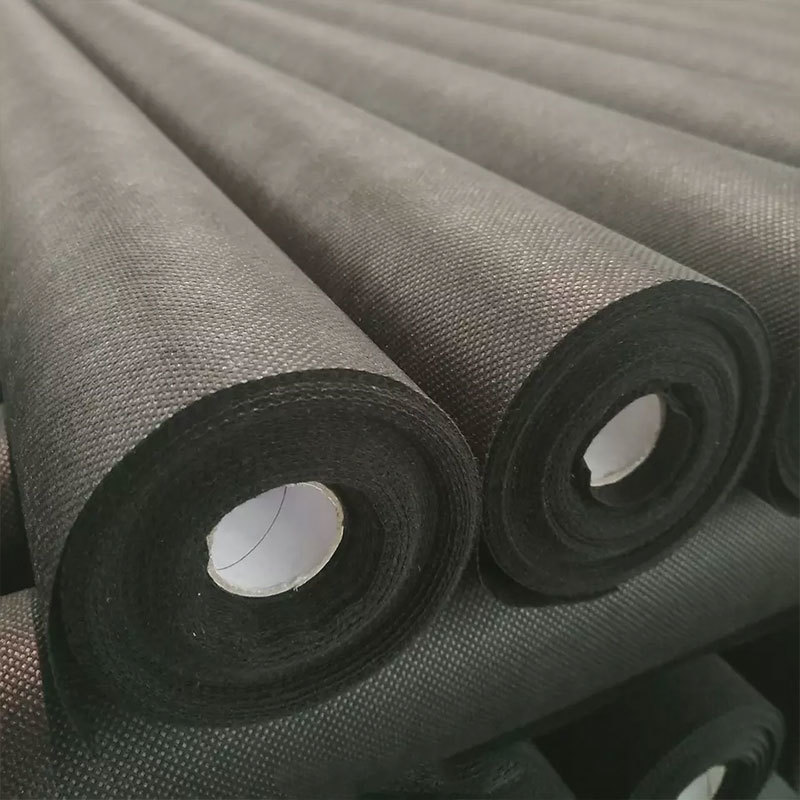
Spunbond nonwoven fabric is a unique material that has gained traction in various applications due to its distinctive properties and versatility. Unlike traditional woven fabrics, spunbond nonwoven fabrics are created through a process that involves the bonding of fibers without weaving. This method enables manufacturers to produce a lightweight, durable, and breathable material that is suitable for a wide range of uses.
One of the primary advantages of spunbond nonwoven fabric is its strength. The fibers used in this process are interconnected, providing excellent tensile strength, which makes it an ideal choice for products that require durability, such as clothing, medical supplies, and construction materials. Furthermore, the nonwoven structure allows for effective filtration, making it a popular option in the production of face masks and air filters.
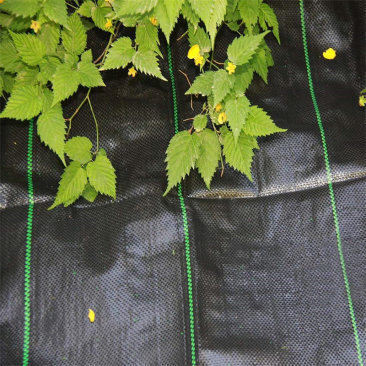
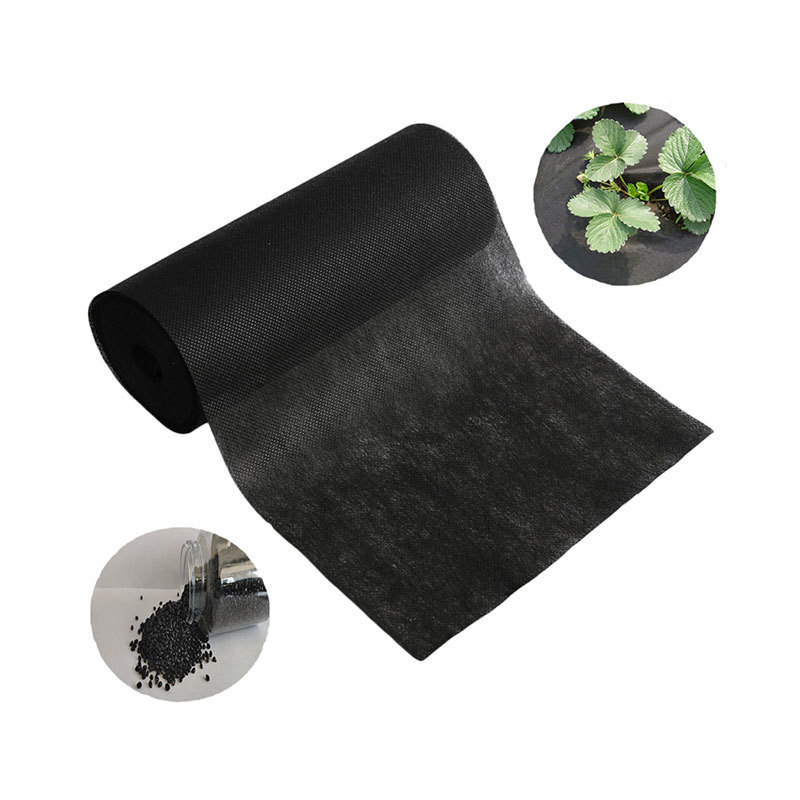
Another notable characteristic of spunbond nonwoven fabric is its breathability and moisture-wicking properties. This quality makes it suitable for applications in the healthcare and agriculture sectors. For instance, in the medical field, spunbond nonwoven fabrics are used to create surgical gowns, drapes, and other protective clothing that require a high level of breathability while maintaining barrier properties against contaminants. In agriculture, the fabric is often utilized for mulch films and plant covers, helping to regulate temperature and moisture while allowing air and light to penetrate.
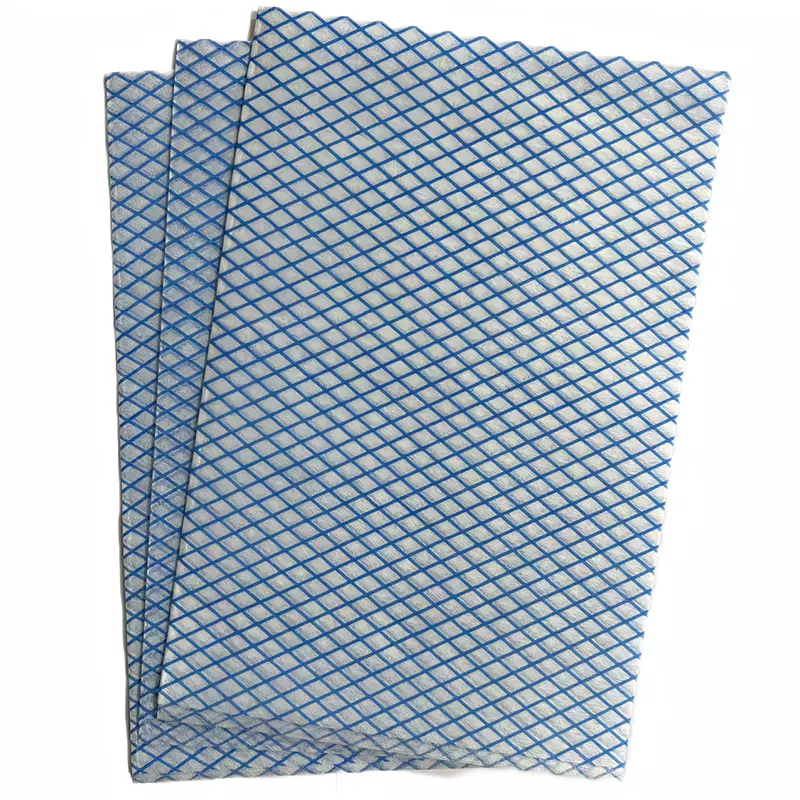
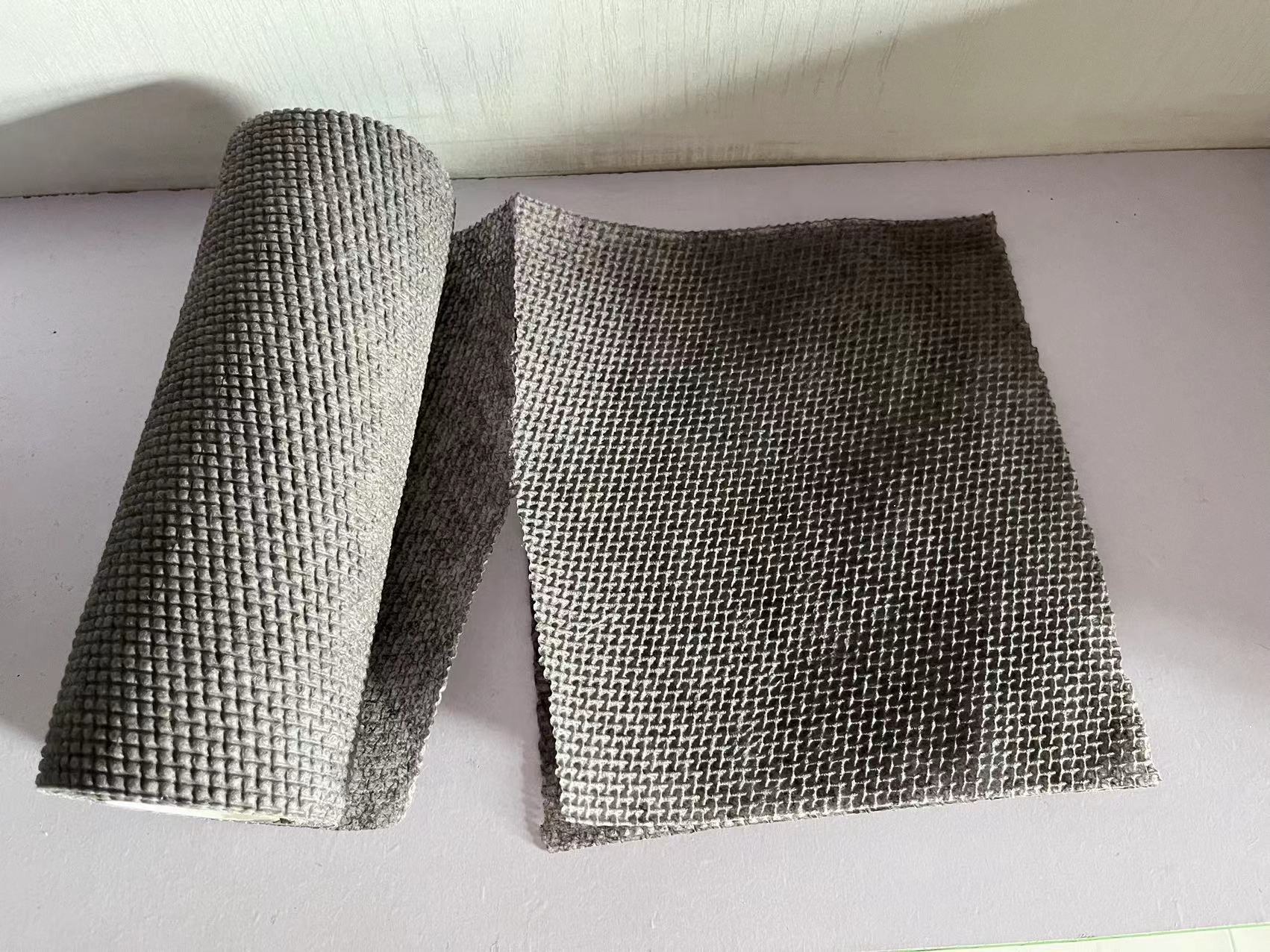
Spunbond nonwoven fabric is also highly customizable. It can be produced in a variety of colors, thicknesses, and patterns, making it an attractive option for designers and manufacturers looking to create visually appealing products. Moreover, the fabric can be treated with various finishes to enhance its properties, such as water resistance, flame retardancy, or antimicrobial features.
In terms of environmental impact, spunbond nonwoven fabric can be produced from both virgin and recycled materials. This aspect aligns with the increasing focus on sustainability within the textile industry. While some types of nonwoven fabrics are disposable, advancements are being made in creating more durable, recyclable versions that can help reduce waste.
Overall, spunbond nonwoven fabric is a remarkable material that offers a blend of durability, flexibility, and versatility. Its applications are vast, ranging from personal protective equipment to horticultural products, proving to be an essential element in modern manufacturing and design. As industries continue to evolve, the role of spunbond nonwoven fabric is likely to expand, further showcasing its importance in various fields.
One of the primary advantages of spunbond nonwoven fabric is its strength. The fibers used in this process are interconnected, providing excellent tensile strength, which makes it an ideal choice for products that require durability, such as clothing, medical supplies, and construction materials. Furthermore, the nonwoven structure allows for effective filtration, making it a popular option in the production of face masks and air filters.
Another notable characteristic of spunbond nonwoven fabric is its breathability and moisture-wicking properties. This quality makes it suitable for applications in the healthcare and agriculture sectors. For instance, in the medical field, spunbond nonwoven fabrics are used to create surgical gowns, drapes, and other protective clothing that require a high level of breathability while maintaining barrier properties against contaminants. In agriculture, the fabric is often utilized for mulch films and plant covers, helping to regulate temperature and moisture while allowing air and light to penetrate.
Spunbond nonwoven fabric is also highly customizable. It can be produced in a variety of colors, thicknesses, and patterns, making it an attractive option for designers and manufacturers looking to create visually appealing products. Moreover, the fabric can be treated with various finishes to enhance its properties, such as water resistance, flame retardancy, or antimicrobial features.
In terms of environmental impact, spunbond nonwoven fabric can be produced from both virgin and recycled materials. This aspect aligns with the increasing focus on sustainability within the textile industry. While some types of nonwoven fabrics are disposable, advancements are being made in creating more durable, recyclable versions that can help reduce waste.
Overall, spunbond nonwoven fabric is a remarkable material that offers a blend of durability, flexibility, and versatility. Its applications are vast, ranging from personal protective equipment to horticultural products, proving to be an essential element in modern manufacturing and design. As industries continue to evolve, the role of spunbond nonwoven fabric is likely to expand, further showcasing its importance in various fields.
spunbond nonwoven fabric

LEAVE A MESSAGE
MESSAGE