




11
2025
-
03
Understanding Polyester Spunbond Fabric: A Comprehensive Guide
Polyester spunbond fabric is a remarkable material widely utilized in various industries due to its unique properties and versatility. This nonwoven fabric is produced through a process where polyester fibers are spun and then bonded together mechanically, resulting in a fabric that is lightweight, durable, and resistant to tearing. Polyester, as a synthetic fiber, offers several advantages that m

Polyester spunbond fabric is a remarkable material widely utilized in various industries due to its unique properties and versatility. This nonwoven fabric is produced through a process where polyester fibers are spun and then bonded together mechanically, resulting in a fabric that is lightweight, durable, and resistant to tearing. Polyester, as a synthetic fiber, offers several advantages that make it a popular choice in many applications.
One of the primary characteristics of polyester spunbond fabric is its excellent strength-to-weight ratio. The fabric's lightweight nature makes it easy to handle and transport, while its strength ensures that it can withstand significant stress and wear. This durability is particularly beneficial in applications such as protective clothing, medical supplies, and geotextiles, where reliability is paramount.
Moreover, polyester spunbond fabric is known for its moisture resistance and quick-drying properties. These traits make it ideal for use in products that require breathability and moisture management, such as hygiene products, filtration systems, and outdoor gear. The fabric's ability to repel moisture helps to maintain comfort and hygiene, making it an essential material in the healthcare and personal care industries.
Another advantage of polyester spunbond fabric is its versatility in terms of customization. Manufacturers can easily alter the fabric's weight, thickness, and surface texture to meet specific requirements for different applications. This adaptability allows for a wide range of uses, from disposable products like face masks and surgical gowns to reusable items like bags and industrial filters.
In addition to its practical benefits, polyester spunbond fabric is also an environmentally friendly option when produced responsibly. Many manufacturers are now focusing on sustainable practices by using recycled polyester in their production processes. This approach not only reduces waste but also contributes to a more circular economy in the textile industry.
Furthermore, the fabric's ability to be dyed and printed with various colors and patterns enhances its aesthetic appeal. This makes it suitable for promotional products, home textiles, and fashion accessories, allowing designers and brands to create eye-catching items that stand out in the market.
In conclusion, polyester spunbond fabric is a versatile and durable material that plays a crucial role in the nonwoven textiles industry. Its unique properties, such as strength, moisture resistance, and customization options, make it a preferred choice for various applications. By understanding the benefits and characteristics of polyester spunbond fabric, businesses and consumers alike can make informed decisions when selecting materials for their projects. As the industry continues to evolve, the potential for polyester spunbond fabric remains promising, paving the way for innovative uses and sustainable practices in the future.
One of the primary characteristics of polyester spunbond fabric is its excellent strength-to-weight ratio. The fabric's lightweight nature makes it easy to handle and transport, while its strength ensures that it can withstand significant stress and wear. This durability is particularly beneficial in applications such as protective clothing, medical supplies, and geotextiles, where reliability is paramount.
Moreover, polyester spunbond fabric is known for its moisture resistance and quick-drying properties. These traits make it ideal for use in products that require breathability and moisture management, such as hygiene products, filtration systems, and outdoor gear. The fabric's ability to repel moisture helps to maintain comfort and hygiene, making it an essential material in the healthcare and personal care industries.
Another advantage of polyester spunbond fabric is its versatility in terms of customization. Manufacturers can easily alter the fabric's weight, thickness, and surface texture to meet specific requirements for different applications. This adaptability allows for a wide range of uses, from disposable products like face masks and surgical gowns to reusable items like bags and industrial filters.
In addition to its practical benefits, polyester spunbond fabric is also an environmentally friendly option when produced responsibly. Many manufacturers are now focusing on sustainable practices by using recycled polyester in their production processes. This approach not only reduces waste but also contributes to a more circular economy in the textile industry.
Furthermore, the fabric's ability to be dyed and printed with various colors and patterns enhances its aesthetic appeal. This makes it suitable for promotional products, home textiles, and fashion accessories, allowing designers and brands to create eye-catching items that stand out in the market.
In conclusion, polyester spunbond fabric is a versatile and durable material that plays a crucial role in the nonwoven textiles industry. Its unique properties, such as strength, moisture resistance, and customization options, make it a preferred choice for various applications. By understanding the benefits and characteristics of polyester spunbond fabric, businesses and consumers alike can make informed decisions when selecting materials for their projects. As the industry continues to evolve, the potential for polyester spunbond fabric remains promising, paving the way for innovative uses and sustainable practices in the future.
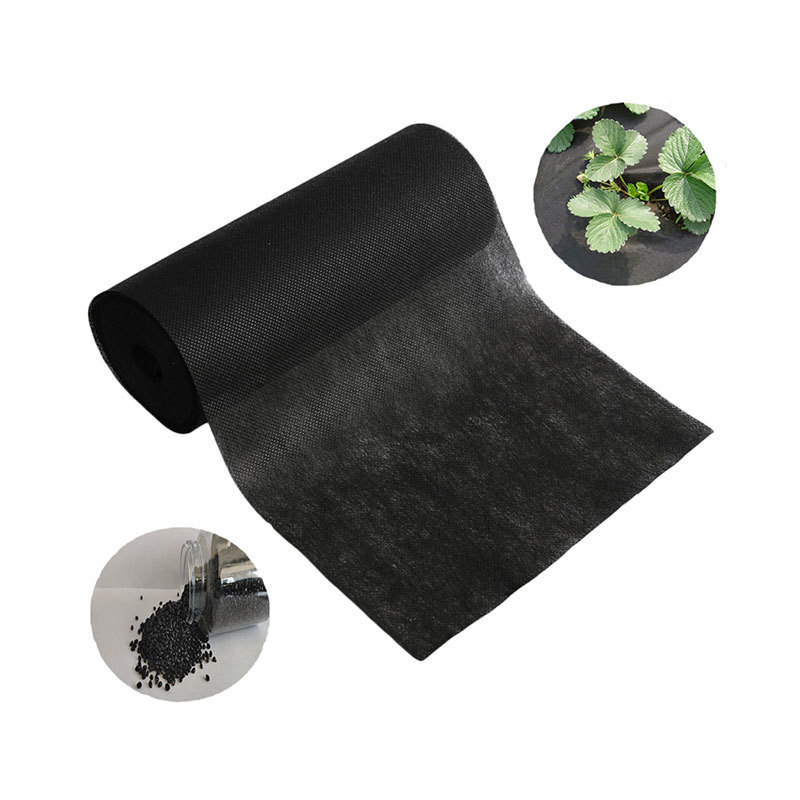
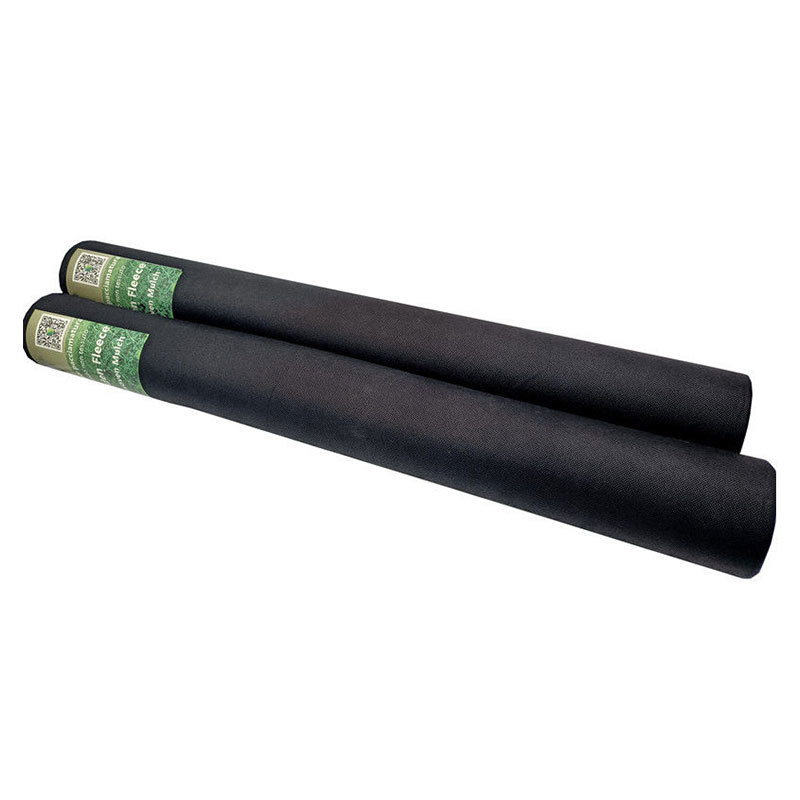
polyester spunbond fabric

LEAVE A MESSAGE
MESSAGE