




12
2025
-
03
Why Geotextile Landscape Fabric is Essential for Sustainable Landscaping
Why Geotextile Landscape Fabric is Essential for Sustainable Landscaping Introduction to Geotextile Landscape Fabric Geotextile landscape fabric is a crucial component in the realm of sustainable landscaping. This innovative material serves as a barrier between soil and the elements, providing numerous benefits that enhance the health and aesthetic appeal of outdoor spaces. As we delve deeper

Why Geotextile Landscape Fabric is Essential for Sustainable Landscaping
Introduction to Geotextile Landscape Fabric
Geotextile landscape fabric is a crucial component in the realm of sustainable landscaping. This innovative material serves as a barrier between soil and the elements, providing numerous benefits that enhance the health and aesthetic appeal of outdoor spaces. As we delve deeper into the essential role of geotextile fabric in landscaping, we will uncover its applications, advantages, and significance in promoting sustainability.
The Importance of Sustainable Landscaping
Sustainable landscaping aims to create aesthetically pleasing outdoor environments while minimizing negative impacts on the ecosystem. This approach to landscaping emphasizes water conservation, soil health, and biodiversity, all of which contribute to a thriving landscape. By incorporating geotextile landscape fabric into your projects, you can significantly bolster your efforts toward sustainability.
What is Geotextile Landscape Fabric?
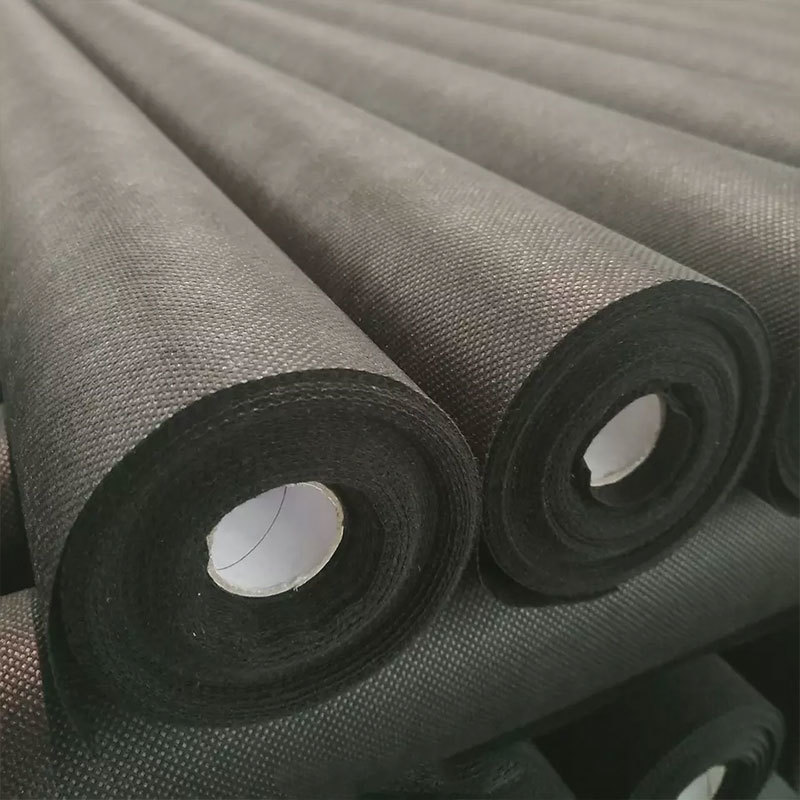
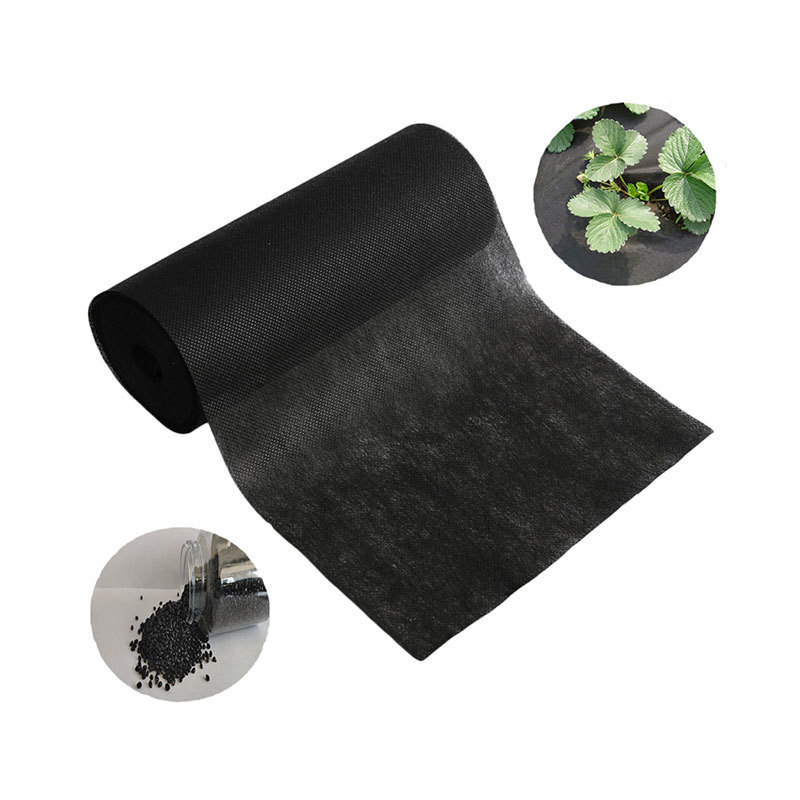
Geotextile landscape fabric is a permeable textile used in landscaping and civil engineering to separate, filter, reinforce, protect, or drain various soil types. Made from synthetic or natural fibers, this fabric acts as a barrier that allows water and nutrients to pass through while preventing the migration of soil particles. This characteristic makes it an invaluable tool in sustainable landscaping practices.
Types of Geotextile Fabrics
Understanding the different types of geotextile fabrics available is essential for selecting the right material for your landscaping project. The two main categories are:
1. Woven Geotextiles
Woven geotextiles are created by weaving together fibers, resulting in a strong, durable product. They are often used in applications where high tensile strength is required, making them ideal for erosion control and stabilization.
2. Non-Woven Geotextiles
Non-woven geotextiles are produced using a process that entangles fibers through heat, chemicals, or mechanical means. These fabrics are typically more permeable than woven types, making them suitable for applications that require excellent drainage properties.
Benefits of Using Geotextile Landscape Fabric
The use of geotextile landscape fabric provides numerous advantages that support sustainable landscaping practices:
1. Erosion Control
One of the primary benefits of geotextile landscape fabric is its ability to control soil erosion. By stabilizing the soil and preventing runoff, the fabric helps maintain the integrity of your landscape. This is particularly important in areas with steep slopes or heavy rainfall.
2. Weed Prevention
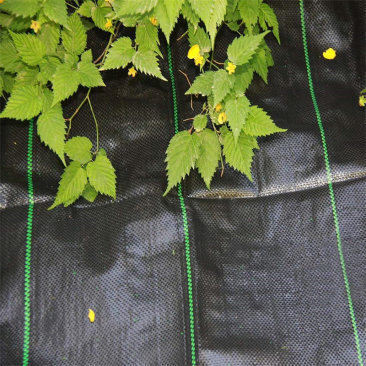
Weeds can quickly overtake a garden, competing with desired plants for nutrients and water. Geotextile landscape fabric acts as a barrier, preventing weed growth while allowing air and water to permeate. This helps create a healthier environment for your plants.
3. Soil Moisture Retention
Soil moisture is critical for plant health. Geotextile fabric helps retain moisture by reducing evaporation, ensuring that your plants receive the hydration they need to flourish. This is especially beneficial in arid climates where water conservation is essential.
4. Improved Soil Structure
The use of geotextile landscape fabric can enhance soil structure by promoting aeration and drainage. This leads to healthier root systems and improved nutrient uptake, ultimately resulting in more vigorous plant growth.
5. Environmental Protection
By reducing erosion and controlling runoff, geotextile landscape fabric plays a vital role in protecting local waterways from sedimentation and pollution. This contributes to healthier ecosystems and promotes biodiversity within your landscaping.
Applications of Geotextile Landscape Fabric in Landscaping
The versatility of geotextile landscape fabric allows for various applications in landscaping:
1. Garden Beds
In garden beds, geotextile fabric can be used to create a barrier that suppresses weed growth while allowing moisture and nutrients to reach the soil. This promotes a healthier environment for flowers, vegetables, and other plants.
2. Pathways and Walkways
When constructing pathways, geotextile fabric can be laid beneath gravel or mulch to prevent soil mixing and maintain a stable surface. This ensures a clean and well-defined pathway that enhances the overall aesthetics of your landscape.
3. Slopes and Retaining Walls
Geotextile landscape fabric is particularly effective on slopes and in conjunction with retaining walls. It helps stabilize soil and prevents erosion, ensuring that your landscaping remains intact and visually appealing.
4. Drainage Systems
In drainage applications, geotextile fabric can be utilized to filter sediment while allowing water to flow freely. This is critical for maintaining proper drainage in landscapes prone to flooding or waterlogging.
How to Install Geotextile Landscape Fabric
Proper installation is key to maximizing the benefits of geotextile landscape fabric. Follow these steps for a successful installation:
1. Prepare the Site
Clear the area of any debris, rocks, or vegetation. Ensure the soil is level and compacted to provide a stable foundation for the fabric.
2. Measure and Cut the Fabric
Measure the area where the fabric will be installed and cut the fabric accordingly. Leave extra material around the edges for overlap to ensure full coverage.
3. Lay the Fabric
Place the geotextile fabric over the prepared area, ensuring it is flat and free of wrinkles. Overlap the edges by at least 12 inches to create a seamless barrier.
4. Secure the Fabric
Use landscape staples or pins to secure the fabric in place, particularly at the edges and seams. This will prevent the fabric from shifting during installation or heavy rain.
5. Add Mulch or Gravel
Cover the fabric with mulch, gravel, or soil as needed. This not only enhances the appearance of your landscape but also helps hold the fabric in place and provides additional weed suppression.
FAQs about Geotextile Landscape Fabric
1. What is the lifespan of geotextile landscape fabric?
The lifespan of geotextile landscape fabric can vary based on the material used and environmental conditions. Typically, high-quality geotextiles can last anywhere from 5 to 25 years.
2. Can geotextile landscape fabric be reused?
In many cases, geotextile fabric can be removed and reused. However, ensure that it remains intact and free from significant wear or damage before considering reuse.
3. Is geotextile landscape fabric environmentally friendly?
Yes, geotextile landscape fabric is environmentally friendly. It helps control erosion, reduces runoff, and minimizes the need for chemical herbicides, promoting a healthier ecosystem.
4. Does geotextile landscape fabric allow water to penetrate?
Yes, geotextile landscape fabric is designed to be permeable, allowing water and nutrients to pass through while preventing soil particles from migrating.
5. How do I choose the right type of geotextile fabric for my project?
Consider factors such as soil type, environmental conditions, and the specific application when selecting geotextile fabric. For erosion control, woven fabrics may be more suitable, while non-woven fabrics excel in drainage applications.
Conclusion
Incorporating geotextile landscape fabric into your landscaping projects is a fundamental step toward achieving sustainability. With its numerous benefits, including erosion control, weed prevention, and improved soil health, geotextile fabric is an essential tool for any environmentally conscious landscaper. By understanding its applications and installation process, you can create beautiful, thriving landscapes that contribute positively to the ecosystem. Whether you're working on garden beds, pathways, or drainage systems, geotextile landscape fabric will help you achieve your landscaping goals while championing sustainable practices.
geotextile landscape fabric

LEAVE A MESSAGE
MESSAGE