



23
2025
-
03
Exploring Nonwoven Fabric Polypropylene: Versatile Material for Modern Applications
Nonwoven fabric polypropylene is a remarkable material that has gained significant traction across various industries due to its unique properties and versatile applications. Made from polypropylene fibers, this type of fabric is created through a process that involves bonding fibers without the use of traditional weaving or knitting techniques. The result is a durable, lightweight, and porous mat

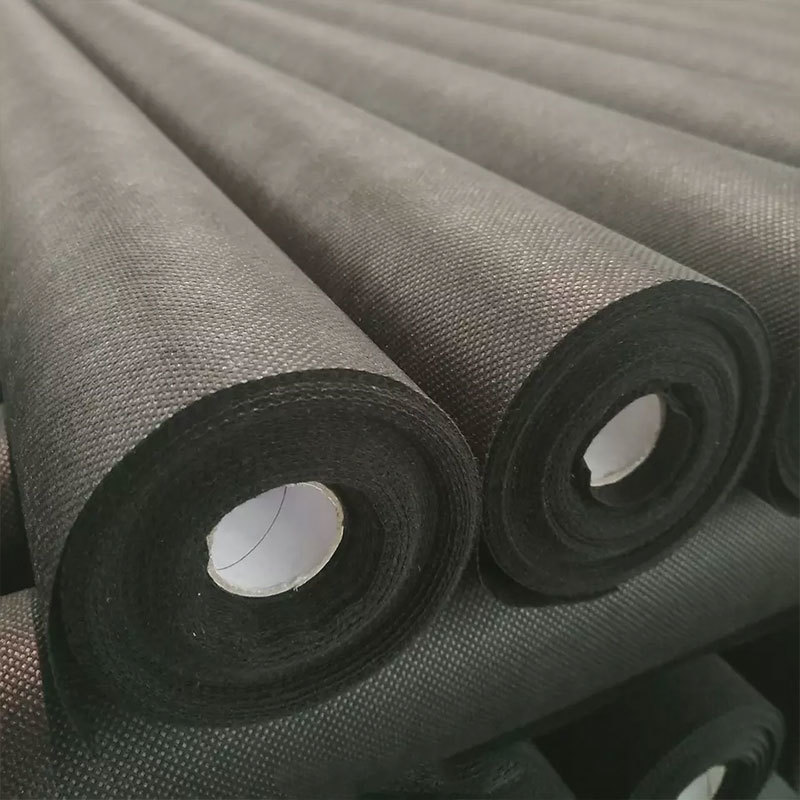
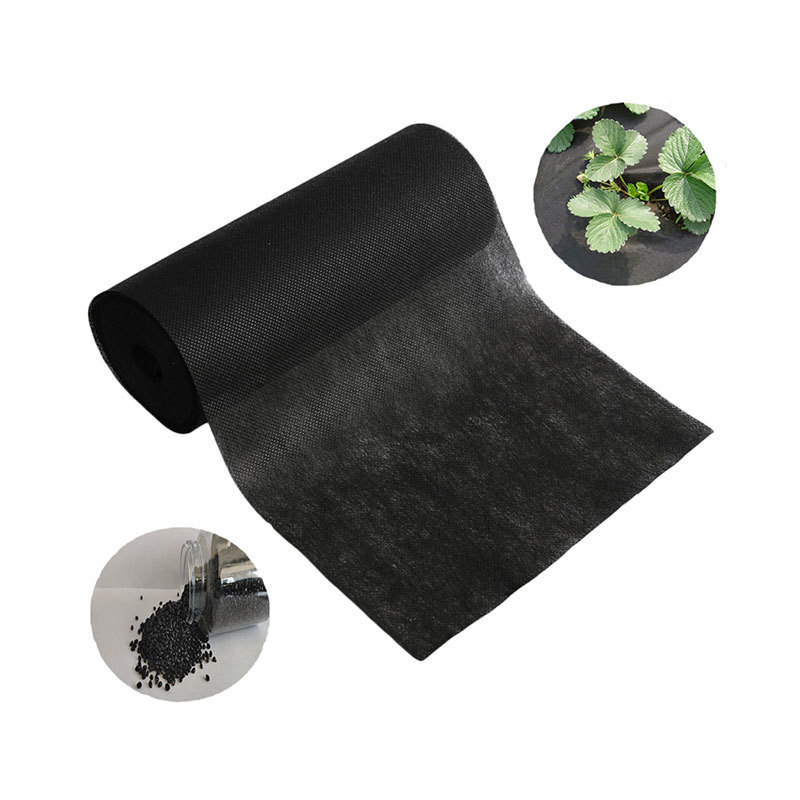
Nonwoven fabric polypropylene is a remarkable material that has gained significant traction across various industries due to its unique properties and versatile applications. Made from polypropylene fibers, this type of fabric is created through a process that involves bonding fibers without the use of traditional weaving or knitting techniques. The result is a durable, lightweight, and porous material that offers a myriad of benefits, making it suitable for a wide range of uses.
One of the most notable characteristics of nonwoven fabric polypropylene is its excellent strength-to-weight ratio. This feature allows for the production of lightweight products that still maintain a high level of durability, making it an ideal choice for applications requiring robust materials. Furthermore, the fabric exhibits resistance to many chemicals, moisture, and UV light, which enhances its lifespan and usability in various environments.
Nonwoven fabric polypropylene plays a crucial role in the medical and hygiene sectors. It is commonly used for producing surgical gowns, masks, and other personal protective equipment (PPE), providing essential barriers against contaminants. Its breathable nature ensures comfort for the wearer, while its ability to be produced in bulk makes it an efficient choice for manufacturers aiming to meet high demand.
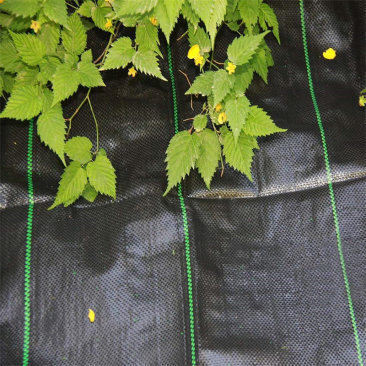
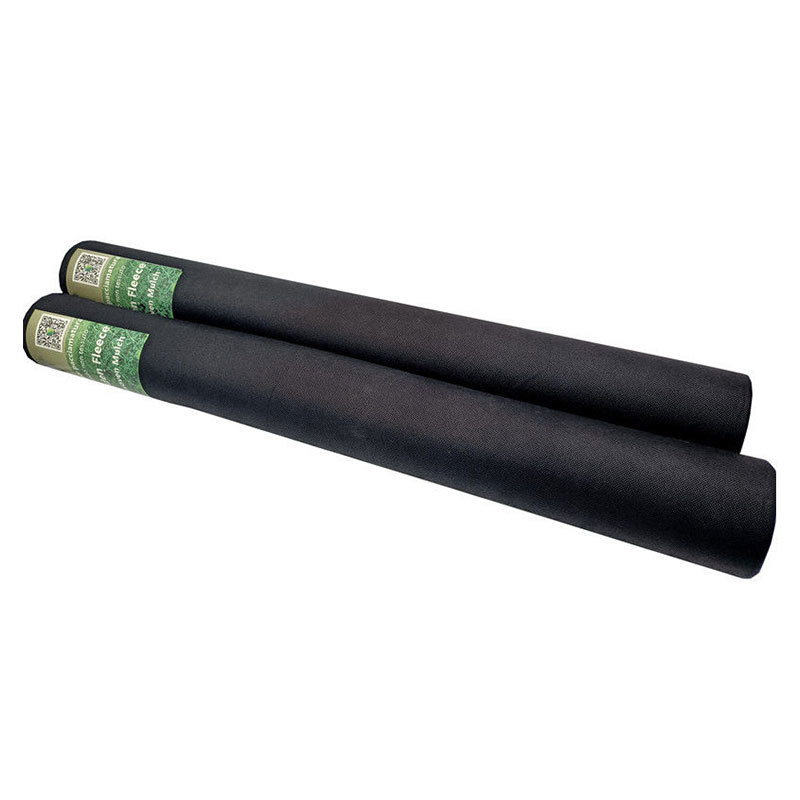
In addition to medical applications, this fabric is also prevalent in the agricultural sector. Nonwoven polypropylene is utilized for weed control fabrics, crop covers, and plant protection materials. Its lightweight and breathable qualities allow for optimal growing conditions while also protecting crops from harsh environmental factors.
The automotive industry has also embraced nonwoven fabric polypropylene for its lightweight and sound-absorbing properties. It is often used in the production of interior components, such as headliners and carpets, contributing to reduced vehicle weight and enhanced acoustics.
Another area where nonwoven fabric polypropylene shines is in the production of geotextiles. These materials are used in civil engineering and construction projects for soil stabilization, road construction, and erosion control. The fabric's permeability allows for water drainage while simultaneously providing support and reinforcement.
In summary, nonwoven fabric polypropylene is an innovative and adaptable material that has found its place in numerous industries due to its unique properties and benefits. From medical applications to agriculture and automotive uses, the versatility of this fabric highlights its growing importance in modern manufacturing and product design. As technology advances and the demand for sustainable solutions increases, nonwoven fabric polypropylene is poised to play a pivotal role in shaping the future of textiles.
One of the most notable characteristics of nonwoven fabric polypropylene is its excellent strength-to-weight ratio. This feature allows for the production of lightweight products that still maintain a high level of durability, making it an ideal choice for applications requiring robust materials. Furthermore, the fabric exhibits resistance to many chemicals, moisture, and UV light, which enhances its lifespan and usability in various environments.
Nonwoven fabric polypropylene plays a crucial role in the medical and hygiene sectors. It is commonly used for producing surgical gowns, masks, and other personal protective equipment (PPE), providing essential barriers against contaminants. Its breathable nature ensures comfort for the wearer, while its ability to be produced in bulk makes it an efficient choice for manufacturers aiming to meet high demand.
In addition to medical applications, this fabric is also prevalent in the agricultural sector. Nonwoven polypropylene is utilized for weed control fabrics, crop covers, and plant protection materials. Its lightweight and breathable qualities allow for optimal growing conditions while also protecting crops from harsh environmental factors.
The automotive industry has also embraced nonwoven fabric polypropylene for its lightweight and sound-absorbing properties. It is often used in the production of interior components, such as headliners and carpets, contributing to reduced vehicle weight and enhanced acoustics.
Another area where nonwoven fabric polypropylene shines is in the production of geotextiles. These materials are used in civil engineering and construction projects for soil stabilization, road construction, and erosion control. The fabric's permeability allows for water drainage while simultaneously providing support and reinforcement.
In summary, nonwoven fabric polypropylene is an innovative and adaptable material that has found its place in numerous industries due to its unique properties and benefits. From medical applications to agriculture and automotive uses, the versatility of this fabric highlights its growing importance in modern manufacturing and product design. As technology advances and the demand for sustainable solutions increases, nonwoven fabric polypropylene is poised to play a pivotal role in shaping the future of textiles.
nonwoven fabric polypropylene

LEAVE A MESSAGE
MESSAGE