



24
2025
-
03
Exploring the Unmatched Benefits of PP Spunbond Nonwoven Fabric for Diverse Textile Applications
Exploring the Unmatched Benefits of PP Spunbond Nonwoven Fabric for Diverse Textile Applications Table of Contents 1. Introduction to PP Spunbond Nonwoven Fabric 2. The Composition and Manufacturing Process 3. Key Characteristics of PP Spunbond Nonwoven Fabric 4. Advantages of Using PP Spunbond Nonwoven Fabric 4.1 Lightweight and Durable 4.2 Excellent Barrier Properties 4.3 Eco-Friendly and Recycl

Exploring the Unmatched Benefits of PP Spunbond Nonwoven Fabric for Diverse Textile Applications
Table of Contents
1. Introduction to PP Spunbond Nonwoven Fabric
2. The Composition and Manufacturing Process
3. Key Characteristics of PP Spunbond Nonwoven Fabric
4. Advantages of Using PP Spunbond Nonwoven Fabric
4.1 Lightweight and Durable
4.2 Excellent Barrier Properties
4.3 Eco-Friendly and Recyclable
4.4 Versatile Applications Across Industries
5. Applications in the Textile Industry
5.1 Medical and Hygiene Products
5.2 Apparel and Fashion
5.3 Home Textiles and Furnishings
5.4 Agriculture and Horticulture
6. Comparing PP Spunbond with Other Nonwoven Fabrics
7. Future Trends in PP Spunbond Nonwoven Fabric Usage
8. Frequently Asked Questions (FAQs)
9. Conclusion
1. Introduction to PP Spunbond Nonwoven Fabric
PP spunbond nonwoven fabric has emerged as a revolutionary material in the textile industry, known for its impressive strength, durability, and versatility. Made from polypropylene, this fabric is characterized by its unique manufacturing process that produces a web of continuous filaments, resulting in a lightweight yet robust final product. In this article, we will explore the extensive benefits of PP spunbond nonwoven fabric in various textile applications, shedding light on why it has become a favorite among manufacturers and consumers alike.
2. The Composition and Manufacturing Process
PP spunbond nonwoven fabric is primarily composed of polypropylene, a thermoplastic polymer that exhibits excellent chemical resistance and mechanical properties. The manufacturing process involves the extrusion of molten polypropylene through spinnerets to create continuous filaments. These filaments are then laid down in a random orientation and bonded together using thermal or mechanical methods, resulting in a nonwoven fabric that is both strong and flexible.
The unique spunbond process allows for the production of fabrics with varying thicknesses, weights, and textures, making it suitable for a wide array of applications. This adaptability is one of the key reasons why PP spunbond is gaining traction in the textile industry.
3. Key Characteristics of PP Spunbond Nonwoven Fabric
Understanding the characteristics of PP spunbond nonwoven fabric is essential for evaluating its suitability for different applications. Here are some of the defining traits:
- **High Strength**: The continuous filament structure provides excellent tensile strength, making it resistant to tearing and damage.
- **Breathability**: The fabric allows for air and moisture permeability, which is particularly beneficial in medical and hygiene applications.
- **Chemical Resistance**: PP spunbond fabric is resistant to many chemicals, enhancing its durability in various environments.
- **Lightweight**: The low density of the material makes it easy to handle and transport, reducing shipping costs and improving workflow efficiency.
4. Advantages of Using PP Spunbond Nonwoven Fabric
The advantages of PP spunbond nonwoven fabric are extensive, contributing to its popularity in multiple sectors.
4.1 Lightweight and Durable
One of the most significant benefits of PP spunbond nonwoven fabric is its lightweight nature, which does not compromise its durability. This combination makes it easy to work with while ensuring that the final products are long-lasting.
4.2 Excellent Barrier Properties
PP spunbond nonwoven fabric offers exceptional barrier properties against liquids and particulate matter, making it an ideal choice for applications such as medical gowns, masks, and protective apparel. This protective quality is crucial in environments where hygiene and safety are paramount.
4.3 Eco-Friendly and Recyclable
As sustainability becomes increasingly important in manufacturing, the eco-friendly nature of PP spunbond nonwoven fabric stands out. It is recyclable, contributing to reduced waste and promoting a circular economy. Many manufacturers are now adopting eco-conscious practices by utilizing this material in their product lines.
4.4 Versatile Applications Across Industries
From healthcare to fashion, the versatility of PP spunbond nonwoven fabric allows it to be tailored for a myriad of applications. This adaptability not only opens up new markets but also encourages innovation in design and functionality.
5. Applications in the Textile Industry
PP spunbond nonwoven fabric is making significant inroads into various sectors of the textile industry. Here are some of the most notable applications:
5.1 Medical and Hygiene Products
The medical sector has heavily relied on PP spunbond nonwoven fabric for manufacturing surgical gowns, masks, drapes, and other hygiene products. Its barrier properties and breathability ensure protection for both healthcare professionals and patients.
5.2 Apparel and Fashion
In the fashion industry, designers are increasingly using PP spunbond nonwoven fabric for creating innovative clothing and accessories. Its lightweight and flexible nature allows for creative designs that are both stylish and functional.
5.3 Home Textiles and Furnishings
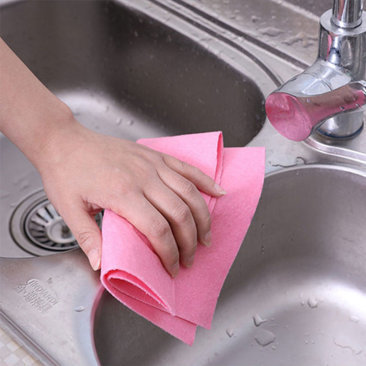
PP spunbond is also finding applications in home textiles, such as curtains, bed linens, and upholstery. Its durability and ease of maintenance make it a preferred choice for many households.
5.4 Agriculture and Horticulture
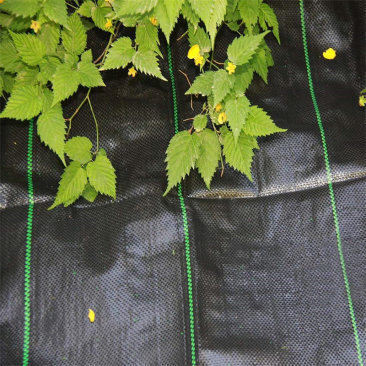
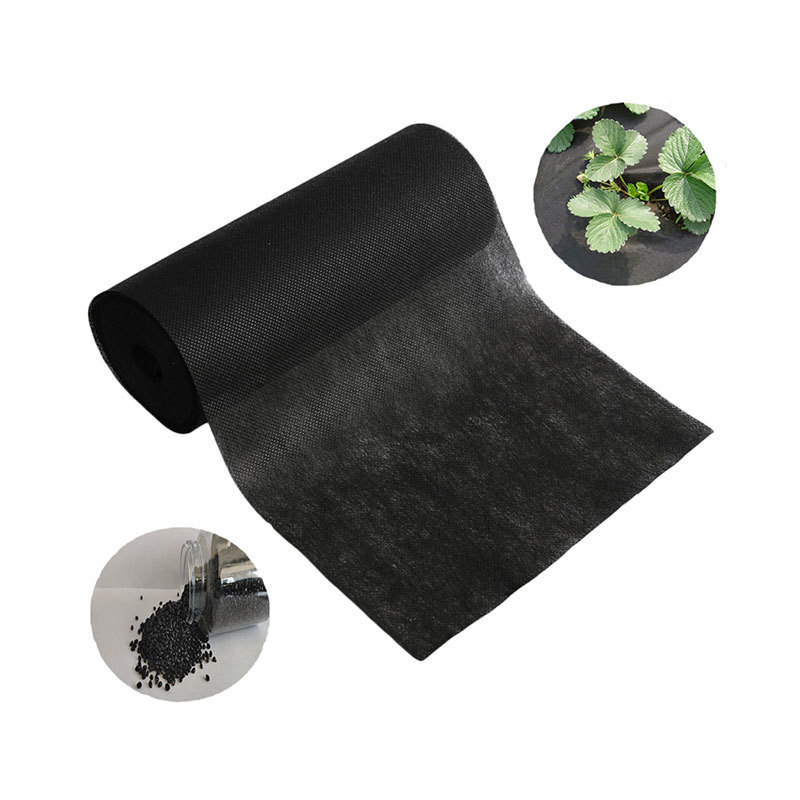
In agriculture, PP spunbond nonwoven fabric is utilized for crop protection, mulch films, and plant covers. Its breathable nature allows plants to thrive while providing protection from harsh weather conditions.
6. Comparing PP Spunbond with Other Nonwoven Fabrics
When evaluating textile options, it's essential to compare PP spunbond nonwoven fabric with other nonwoven materials such as polyester and cellulose-based fabrics. While polyester offers excellent strength and durability, it lacks the eco-friendly attributes of PP spunbond. Cellulose-based fabrics, on the other hand, may provide biodegradability but often compromise on strength and versatility. Therefore, PP spunbond nonwoven fabric presents a balanced solution, offering strength, versatility, and sustainability.
7. Future Trends in PP Spunbond Nonwoven Fabric Usage
The future of PP spunbond nonwoven fabric appears promising, with trends indicating increased demand for sustainable materials in the textile industry. As technology advances, manufacturers are likely to focus on enhancing the properties of PP spunbond, such as incorporating antimicrobial treatments or developing composites with other materials. Additionally, with the rise of eco-conscious consumerism, we anticipate a continued shift towards using biodegradable and recyclable nonwoven fabrics in various applications.
8. Frequently Asked Questions (FAQs)
What is PP spunbond nonwoven fabric made of?
PP spunbond nonwoven fabric is made primarily from polypropylene, a type of thermoplastic polymer that offers excellent strength and durability.
What are the benefits of using PP spunbond nonwoven fabric?
The benefits of PP spunbond nonwoven fabric include its lightweight nature, durability, excellent barrier properties, and eco-friendliness.
Where is PP spunbond nonwoven fabric used?
PP spunbond nonwoven fabric is used in a variety of applications, including medical and hygiene products, apparel, home textiles, and agriculture.
Is PP spunbond nonwoven fabric recyclable?
Yes, PP spunbond nonwoven fabric is recyclable, making it an eco-friendly choice for manufacturers and consumers.
How does PP spunbond compare to other nonwoven fabrics?
PP spunbond offers a unique balance of strength, versatility, and sustainability compared to other nonwoven fabrics like polyester and cellulose-based options.
9. Conclusion
In conclusion, PP spunbond nonwoven fabric stands out as an innovative and essential material in the textile industry. Its myriad benefits, including durability, lightweight nature, and eco-friendliness, make it a versatile choice for various applications. As we move forward, the demand for sustainable and adaptable materials will continue to shape the future of textiles, and PP spunbond nonwoven fabric is well-positioned to meet these evolving needs. By embracing this fabric, manufacturers can enhance their product offerings and cater to a growing market that values quality and sustainability.
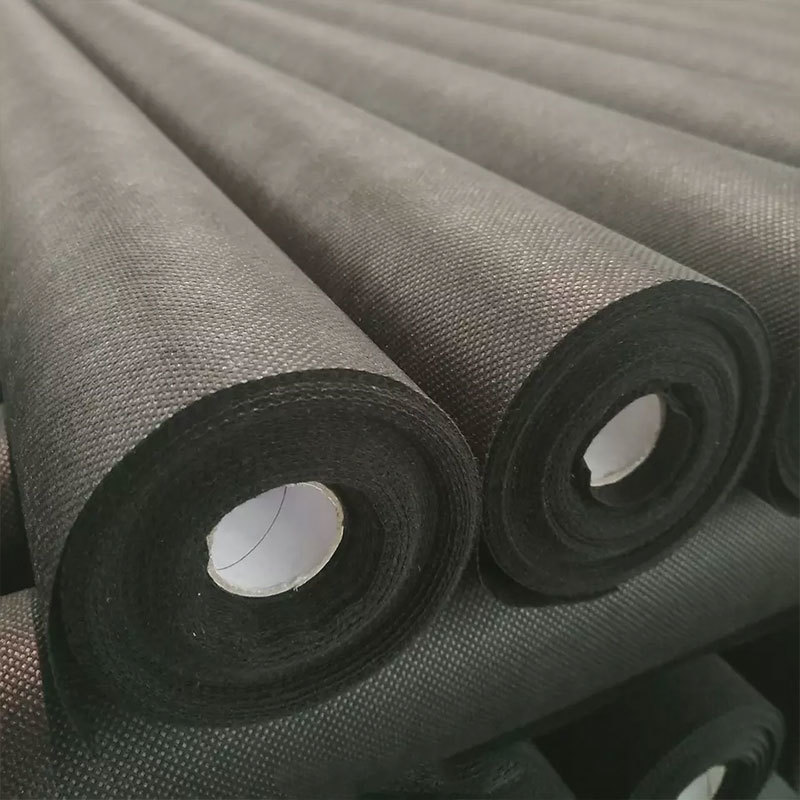
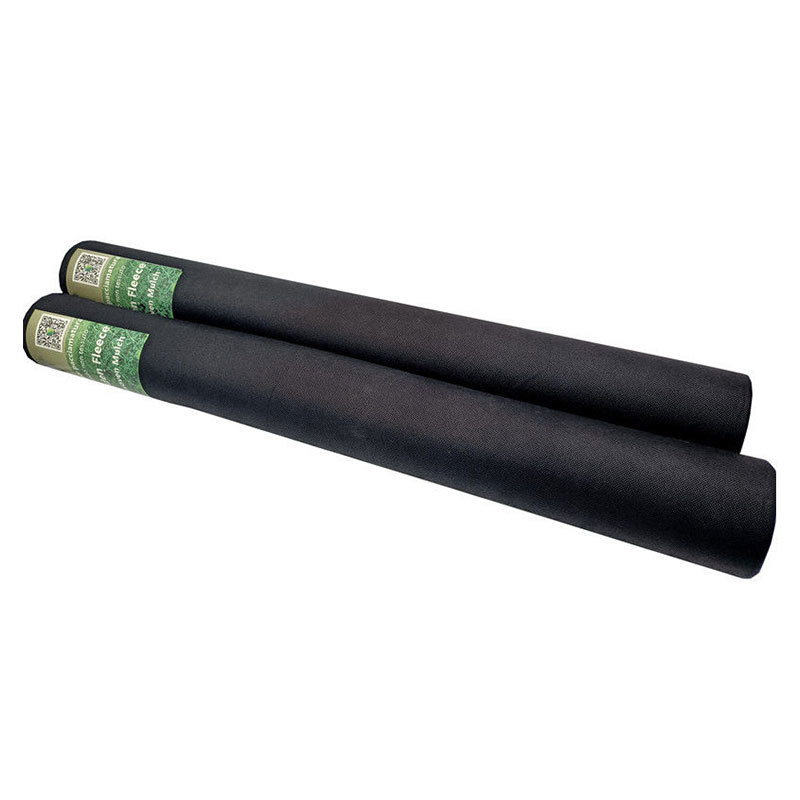
pp spunbond nonwoven fabric

LEAVE A MESSAGE
MESSAGE