




25
2025
-
03
Understanding Polyester Spunbond Nonwoven Fabric: A Versatile Textile Solution
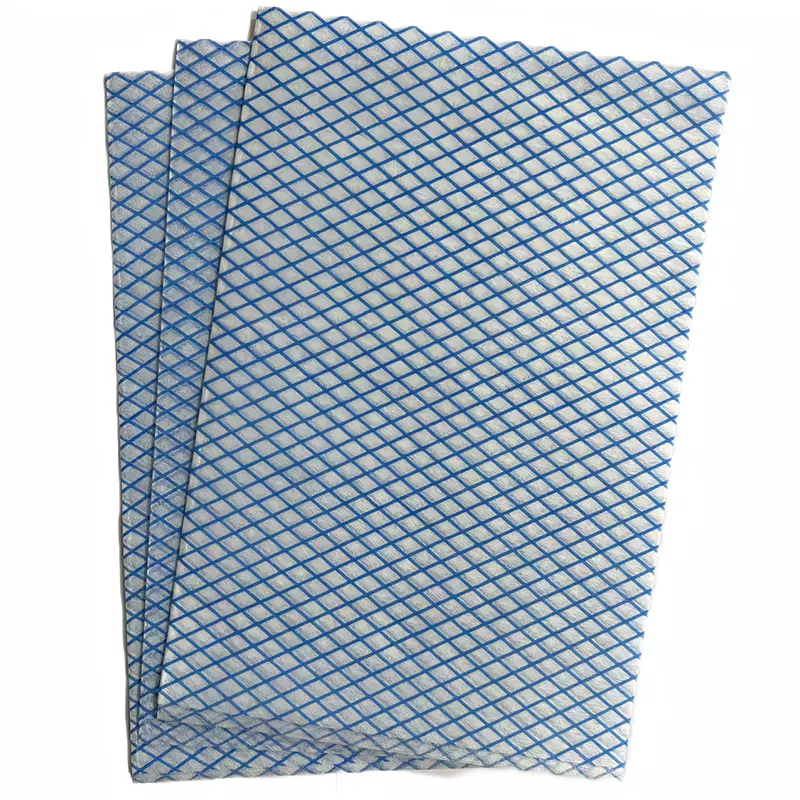
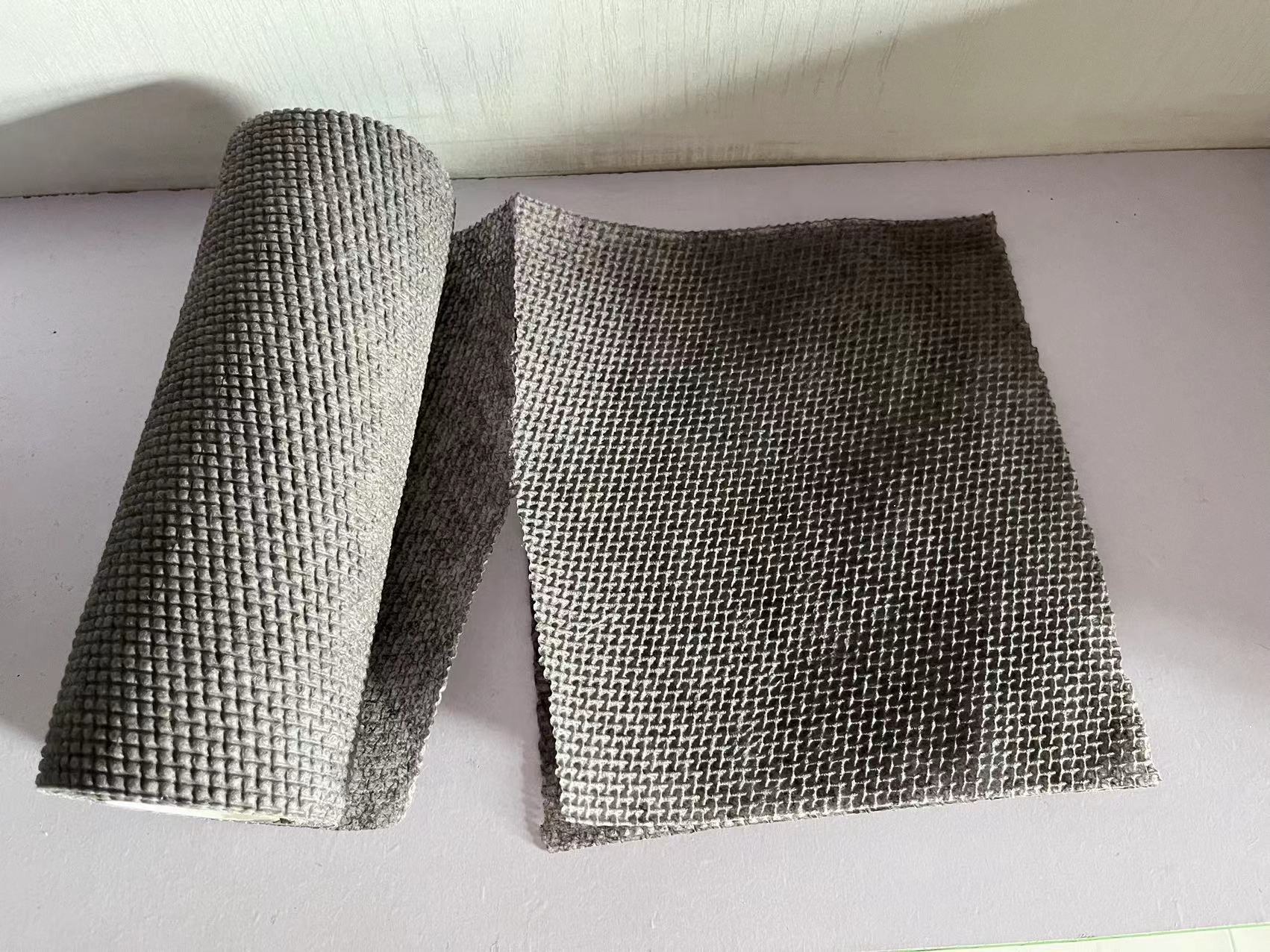
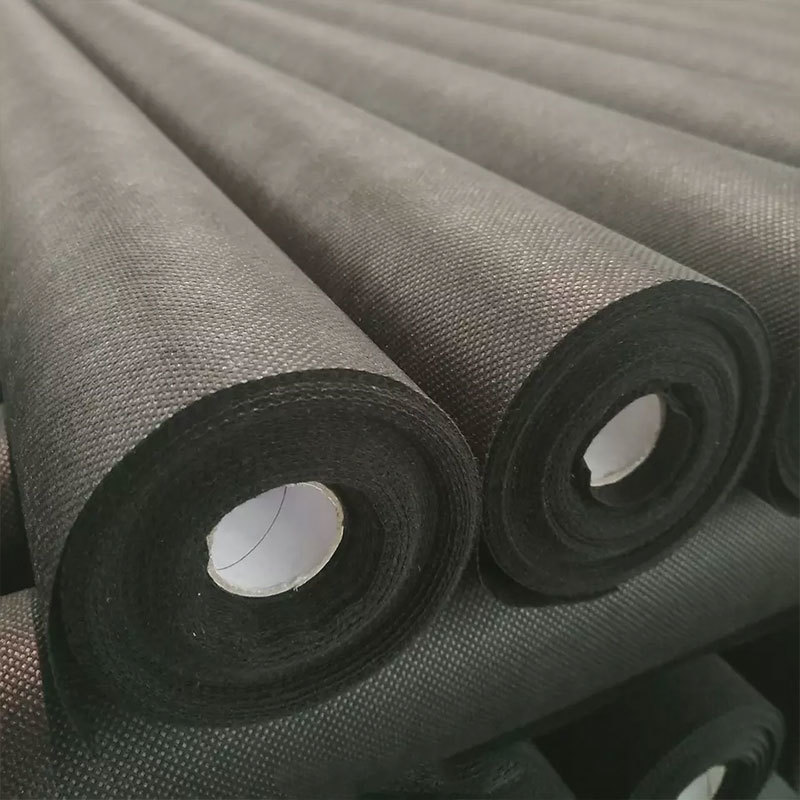
Polyester spunbond nonwoven fabric is a remarkable textile that combines versatility, durability, and cost-effectiveness. It is produced through a process that involves melting polyester fibers and bonding them together using heat and pressure, creating a lightweight yet strong fabric. This manufacturing method allows for the creation of a continuous sheet of fabric without the need for traditiona

Polyester spunbond nonwoven fabric is a remarkable textile that combines versatility, durability, and cost-effectiveness. It is produced through a process that involves melting polyester fibers and bonding them together using heat and pressure, creating a lightweight yet strong fabric. This manufacturing method allows for the creation of a continuous sheet of fabric without the need for traditional weaving or knitting processes.
One of the standout features of polyester spunbond nonwoven fabric is its excellent mechanical properties. The fabric is resistant to tearing and can withstand various environmental conditions, making it suitable for both indoor and outdoor applications. Additionally, it exhibits good chemical resistance, ensuring that it can be used in settings where exposure to chemicals may occur, such as in medical or industrial environments.
Another significant advantage of polyester spunbond nonwoven fabric is its breathability. The open structure of the fabric allows for air and moisture to circulate, which is particularly beneficial in applications such as hygiene products, where comfort and moisture management are essential. This breathability also makes it a preferred choice in the production of protective clothing, as it helps to regulate temperature and reduce sweat buildup.
Polyester spunbond nonwoven fabric is also environmentally friendly. While traditional textiles often involve extensive water usage and chemical treatments, nonwoven fabrics can be produced with less environmental impact. Many manufacturers are also exploring recycling options, allowing for the creation of new products from used polyester materials, thereby promoting sustainability within the industry.
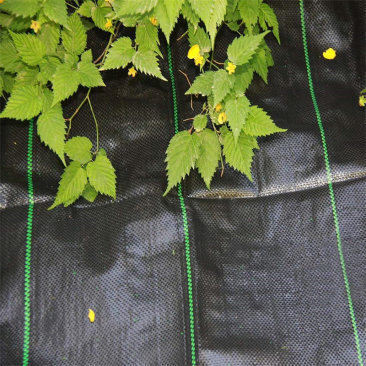
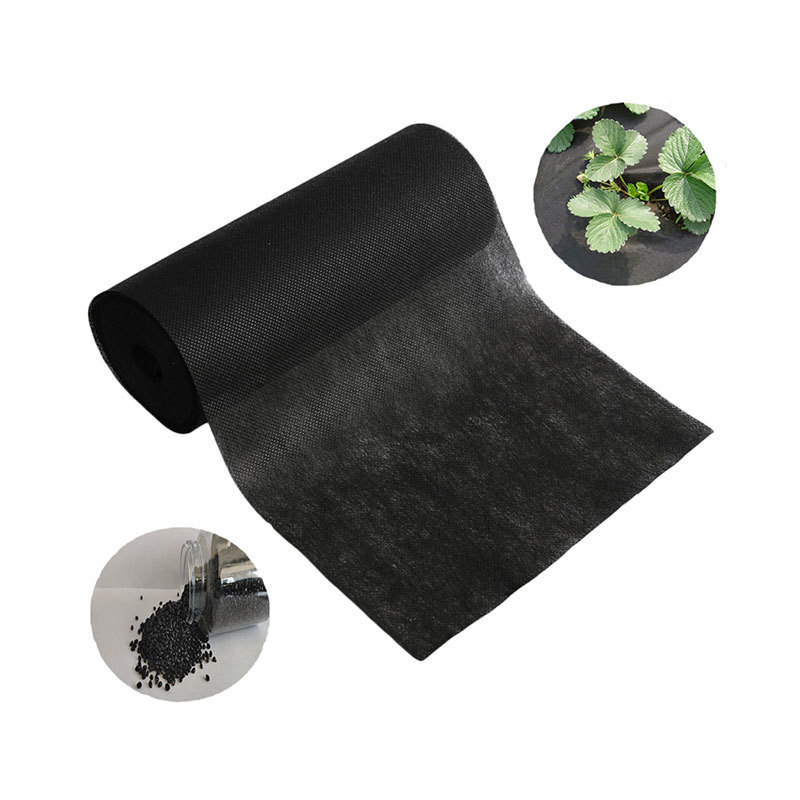
In terms of applications, the versatility of polyester spunbond nonwoven fabric is impressive. It is commonly used in agricultural applications as mulch films, providing weed control and moisture retention for crops. In the medical field, it is utilized for surgical gowns, drapes, and masks, ensuring safety and hygiene. Furthermore, it finds its way into home textiles, such as upholstery and bedding, thanks to its durability and ease of maintenance.
In conclusion, polyester spunbond nonwoven fabric represents a significant advancement in textile technology. Its unique blend of strength, breathability, and environmental benefits positions it as a preferred choice across various industries. Whether you are considering it for hygiene products, agricultural uses, or protective gear, understanding its properties and applications can enhance your decision-making process and lead to more innovative solutions in your projects.
One of the standout features of polyester spunbond nonwoven fabric is its excellent mechanical properties. The fabric is resistant to tearing and can withstand various environmental conditions, making it suitable for both indoor and outdoor applications. Additionally, it exhibits good chemical resistance, ensuring that it can be used in settings where exposure to chemicals may occur, such as in medical or industrial environments.
Another significant advantage of polyester spunbond nonwoven fabric is its breathability. The open structure of the fabric allows for air and moisture to circulate, which is particularly beneficial in applications such as hygiene products, where comfort and moisture management are essential. This breathability also makes it a preferred choice in the production of protective clothing, as it helps to regulate temperature and reduce sweat buildup.
Polyester spunbond nonwoven fabric is also environmentally friendly. While traditional textiles often involve extensive water usage and chemical treatments, nonwoven fabrics can be produced with less environmental impact. Many manufacturers are also exploring recycling options, allowing for the creation of new products from used polyester materials, thereby promoting sustainability within the industry.
In terms of applications, the versatility of polyester spunbond nonwoven fabric is impressive. It is commonly used in agricultural applications as mulch films, providing weed control and moisture retention for crops. In the medical field, it is utilized for surgical gowns, drapes, and masks, ensuring safety and hygiene. Furthermore, it finds its way into home textiles, such as upholstery and bedding, thanks to its durability and ease of maintenance.
In conclusion, polyester spunbond nonwoven fabric represents a significant advancement in textile technology. Its unique blend of strength, breathability, and environmental benefits positions it as a preferred choice across various industries. Whether you are considering it for hygiene products, agricultural uses, or protective gear, understanding its properties and applications can enhance your decision-making process and lead to more innovative solutions in your projects.
Polyester Spunbond Nonwoven Fabric

LEAVE A MESSAGE
MESSAGE