




26
2025
-
03
Exploring the Versatility of Polyester Spunbond Fabric in Modern Textiles
Exploring the Versatility of Polyester Spunbond Fabric in Modern Textiles Table of Contents 1. Introduction to Polyester Spunbond Fabric 2. Key Properties of Polyester Spunbond Fabric 3. The Production Process of Polyester Spunbond Fabric 4. Applications of Polyester Spunbond Fabric in Different Industries 4.1 Healthcare Sector 4.2 Agriculture and

Exploring the Versatility of Polyester Spunbond Fabric in Modern Textiles
Table of Contents
- 1. Introduction to Polyester Spunbond Fabric
- 2. Key Properties of Polyester Spunbond Fabric
- 3. The Production Process of Polyester Spunbond Fabric
- 4. Applications of Polyester Spunbond Fabric in Different Industries
- 4.1 Healthcare Sector
- 4.2 Agriculture and Horticulture
- 4.3 Packaging Solutions
- 4.4 Automotive Industry
- 4.5 Home Furnishings
- 5. Advantages of Polyester Spunbond Fabric
- 6. Sustainability of Polyester Spunbond Fabric
- 7. The Future of Polyester Spunbond Fabric
- 8. Frequently Asked Questions
- 9. Conclusion
1. Introduction to Polyester Spunbond Fabric
Polyester spunbond fabric has emerged as a revolutionary material in the textile industry, characterized by its unique production method and exceptional properties. This nonwoven fabric is crafted from continuous filaments of polyester, which are spun and bonded together to create a versatile textile suitable for a myriad of applications. Its lightweight nature, strength, and ease of manufacturing have made it a preferred choice across various sectors.
Understanding the significance of polyester spunbond fabric requires insight into its composition and production methodology. By exploring these aspects, we uncover the remarkable capabilities that this fabric brings to the modern textile landscape.
2. Key Properties of Polyester Spunbond Fabric
Polyester spunbond fabric is distinguished by several key properties that set it apart from traditional woven fabrics. These properties include:
Durability
One of the standout features of polyester spunbond fabric is its exceptional durability. The fabric resists wear and tear, making it suitable for high-usage environments. This durability ensures longevity, which is a critical factor for both manufacturers and end-users.
Lightweight
Polyester spunbond fabric is notably lightweight, contributing to its versatility. This quality makes it easy to handle and transport, ideal for various applications ranging from medical supplies to agricultural covers.
Water Resistance
Another advantageous property is its water resistance. Polyester spunbond fabric inherently repels water, making it suitable for outdoor applications where exposure to moisture is a concern. This feature enhances its usability in diverse industries.
Breathability
Despite its resistance to water, polyester spunbond fabric is also breathable, allowing for air circulation. This quality is particularly beneficial in applications such as protective clothing and medical textiles, where breathability is essential for comfort and hygiene.
Recyclability
As sustainability becomes increasingly vital in the textile industry, the recyclability of polyester spunbond fabric is a significant asset. This feature aligns with global efforts toward reducing waste and promoting environmentally friendly practices.
3. The Production Process of Polyester Spunbond Fabric
The production of polyester spunbond fabric involves a technologically advanced process that ensures consistent quality and performance. This process comprises several stages:
Polymer Extrusion
The journey begins with polymer extrusion, where polyester pellets are melted and extruded through a spinneret to form continuous filaments. This step is crucial as it dictates the quality of the final product.
Spinning
The extruded filaments are then cooled and drawn to enhance their strength. This spinning process is essential for achieving the desired fabric characteristics.
Bonding
Once the filaments are prepared, they are laid out in a web formation and bonded together using thermal or chemical methods. This bonding process is what transforms individual filaments into a cohesive fabric.
Finishing
Finally, the fabric undergoes various finishing treatments to enhance its performance attributes. This may include treatments for water repellency, antimicrobial properties, or additional texture enhancements.
The production process is designed to be efficient and cost-effective, ensuring that polyester spunbond fabric can meet the demands of modern industries without compromising on quality.
4. Applications of Polyester Spunbond Fabric in Different Industries
Polyester spunbond fabric's versatility has led to its adoption across numerous industries. Here, we explore some of the most significant applications:
4.1 Healthcare Sector
In the healthcare sector, polyester spunbond fabric is widely utilized for manufacturing surgical gowns, masks, and drapes. Its ability to provide a barrier against fluids and its breathability make it an ideal choice for medical applications where hygiene and safety are paramount.
4.2 Agriculture and Horticulture
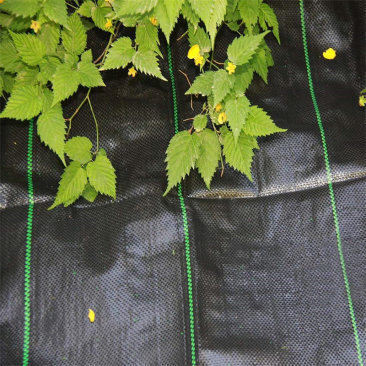
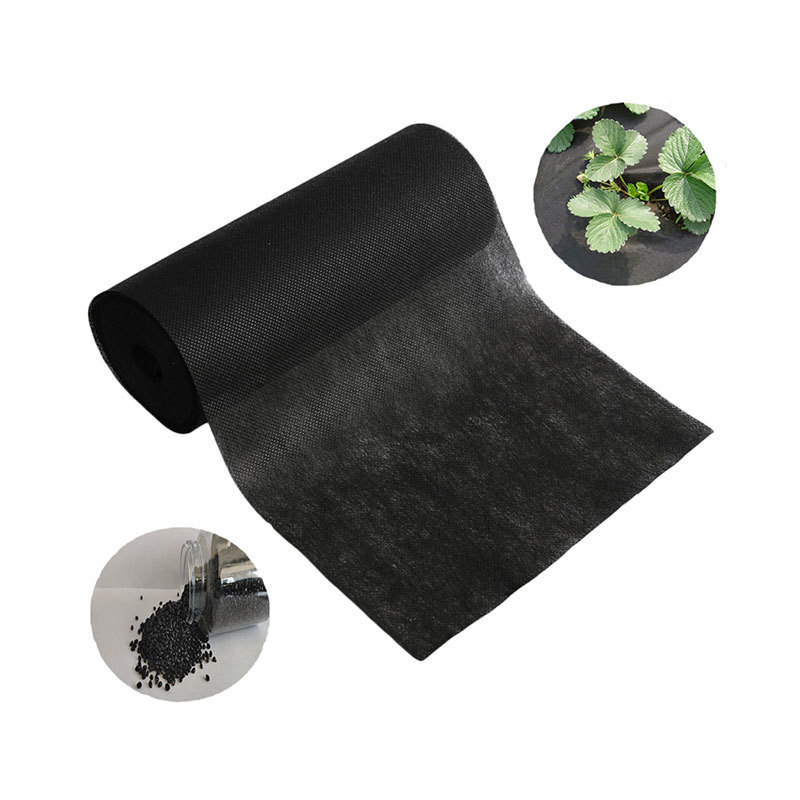
Agricultural applications of polyester spunbond fabric include crop covers, weed control fabrics, and protective coverings for plants. Its lightweight and breathable nature ensures optimal growing conditions while protecting plants from harsh environmental factors.
4.3 Packaging Solutions
In the packaging industry, polyester spunbond fabric is used for creating durable bags and pouches. Its strength and resistance to moisture make it a reliable choice for packaging products that require protection during transport and storage.
4.4 Automotive Industry
The automotive industry employs polyester spunbond fabric in various components, including seat covers, headliners, and insulation materials. The fabric's durability and lightweight characteristics contribute to the overall performance and comfort of vehicles.
4.5 Home Furnishings
In home furnishings, polyester spunbond fabric is used for upholstery, curtains, and bedding products. Its aesthetic appeal combined with practical properties such as stain resistance makes it a favorite among designers and consumers alike.
5. Advantages of Polyester Spunbond Fabric
The advantages of polyester spunbond fabric extend beyond its versatile applications. These benefits include:
Cost-Effectiveness
Polyester spunbond fabric is produced efficiently, leading to lower production costs compared to traditional woven fabrics. This cost-effectiveness is a significant advantage for manufacturers and consumers alike.
Customization
The production process allows for easy customization of polyester spunbond fabric. Manufacturers can adjust parameters such as thickness, color, and texture to meet specific customer requirements, enhancing its appeal across different markets.
Low Maintenance
Polyester spunbond fabric is easy to clean and maintain, making it suitable for a variety of applications. Its resistance to stains and moisture simplifies care routines for consumers, leading to higher satisfaction rates.
Environmental Benefits
With a focus on sustainability, polyester spunbond fabric is often produced from recycled materials, further reducing its environmental impact. This eco-friendliness resonates with environmentally conscious consumers.
6. Sustainability of Polyester Spunbond Fabric
As the textile industry faces scrutiny over its environmental impact, polyester spunbond fabric offers a sustainable alternative. The use of recycled polyester in its production helps divert plastic waste from landfills. Additionally, the production process is generally less resource-intensive compared to other fabric manufacturing methods, leading to reduced energy consumption and lower emissions.
Companies are increasingly adopting polyester spunbond fabric as part of their sustainability initiatives, recognizing its potential to contribute to a circular economy. By choosing this fabric, manufacturers can align their practices with contemporary environmental goals.
7. The Future of Polyester Spunbond Fabric
The future of polyester spunbond fabric looks promising, driven by innovations in production techniques and growing awareness of sustainability. Continued advancements in technology may lead to enhanced properties, such as improved biodegradability and performance characteristics.
Furthermore, as industries seek more sustainable practices, the demand for polyester spunbond fabric is expected to rise. Its adaptability to various applications positions it well to meet the evolving needs of the textile market.
8. Frequently Asked Questions
What is polyester spunbond fabric made from?
Polyester spunbond fabric is made from continuous filaments of polyester, which are bonded together using thermal or chemical methods.
What are the main advantages of using polyester spunbond fabric?
The main advantages include durability, lightweight nature, water resistance, breathability, recyclability, and cost-effectiveness.
Is polyester spunbond fabric environmentally friendly?
Yes, polyester spunbond fabric can be produced from recycled materials, making it a more sustainable choice compared to traditional fabrics.
What industries use polyester spunbond fabric?
Polyester spunbond fabric is used in healthcare, agriculture, packaging, automotive, and home furnishings, among others.
How do I clean polyester spunbond fabric?
Polyester spunbond fabric is generally easy to clean. Most stains can be removed with mild soap and water, and it often resists staining.
9. Conclusion
In conclusion, polyester spunbond fabric stands out as a versatile and innovative material within the textile industry. With its unique properties, diverse applications, and commitment to sustainability, this fabric is well on its way to shaping the future of textiles. As industries continue to evolve, the adaptability and functionality of polyester spunbond fabric will play a crucial role in meeting contemporary demands while fostering environmentally responsible practices. Embracing this material not only enhances product performance but also aligns with the global push for sustainability in textiles.
polyester spunbond fabric

LEAVE A MESSAGE
MESSAGE