




31
2025
-
03
Understanding Woven Ground Cover Fabric: A Key Material for Construction and Landscaping
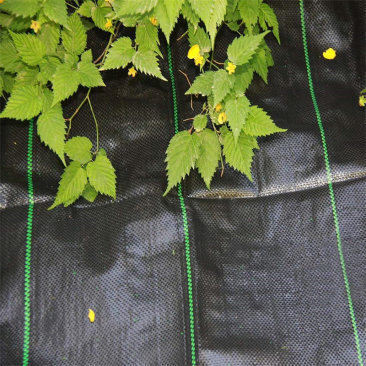
--- Woven ground cover fabric, also known as landscape fabric or weed barrier cloth, plays a critical role in various construction and landscaping applications. This durable fabric is specifically designed to control weed growth, manage soil erosion, and enhance drainage in garden beds, pathways, and construction sites. Understanding its characteristics and benefits can help you leverage this mate

---
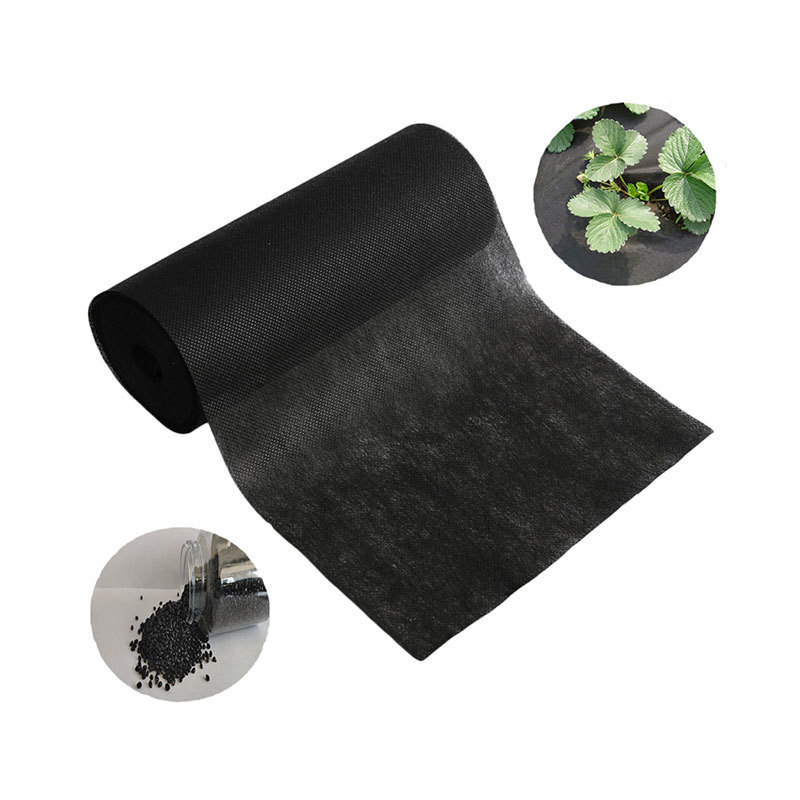
Woven ground cover fabric, also known as landscape fabric or weed barrier cloth, plays a critical role in various construction and landscaping applications. This durable fabric is specifically designed to control weed growth, manage soil erosion, and enhance drainage in garden beds, pathways, and construction sites. Understanding its characteristics and benefits can help you leverage this material effectively in your projects.
One of the primary advantages of woven ground cover fabric is its robust design, which is typically made from synthetic fibers such as polypropylene or polyethylene. These materials ensure that the fabric is both strong and permeable, allowing water, air, and nutrients to reach the soil while preventing weeds from thriving. The woven structure contributes to its strength and longevity, making it suitable for long-term use in diverse environments.
In construction settings, woven ground cover fabric serves multiple purposes. It is essential for stabilizing soil and preventing erosion on slopes or areas prone to runoff. By placing this fabric beneath gravel, sand, or soil, you can create a stable foundation that minimizes shifting and maintains the integrity of your landscape. This is especially beneficial for retaining walls, patios, and other hardscaping elements.
In landscaping, woven ground cover fabric is often used to suppress weed growth in flower beds, vegetable gardens, and pathways. By acting as a barrier, it reduces the need for chemical herbicides, promoting a more sustainable approach to gardening. Additionally, its permeability allows moisture to penetrate, ensuring that plants receive adequate water while preventing root rot caused by excess moisture accumulation.
When selecting woven ground cover fabric, consider the specific requirements of your project. Factors such as sunlight exposure, soil type, and the types of plants involved can influence the effectiveness of the fabric. It's essential to choose a fabric that aligns with your goals, whether that involves weed suppression, erosion control, or moisture management.
Installation is straightforward, making woven ground cover fabric a popular choice among both professionals and DIY enthusiasts. It typically involves laying the fabric over the desired area, securing it with landscape staples, and covering it with mulch or gravel for added protection and aesthetic appeal. By following proper installation techniques, you can maximize the benefits of the fabric while ensuring its longevity.
In conclusion, woven ground cover fabric is an invaluable resource in the fields of construction and landscaping. Its strength, durability, and functionality make it an ideal solution for managing soil conditions, suppressing weeds, and promoting healthy plant growth. By understanding its benefits and applications, you can effectively incorporate this versatile material into your projects, leading to sustainable and visually appealing outcomes.
Woven ground cover fabric, also known as landscape fabric or weed barrier cloth, plays a critical role in various construction and landscaping applications. This durable fabric is specifically designed to control weed growth, manage soil erosion, and enhance drainage in garden beds, pathways, and construction sites. Understanding its characteristics and benefits can help you leverage this material effectively in your projects.
One of the primary advantages of woven ground cover fabric is its robust design, which is typically made from synthetic fibers such as polypropylene or polyethylene. These materials ensure that the fabric is both strong and permeable, allowing water, air, and nutrients to reach the soil while preventing weeds from thriving. The woven structure contributes to its strength and longevity, making it suitable for long-term use in diverse environments.
In construction settings, woven ground cover fabric serves multiple purposes. It is essential for stabilizing soil and preventing erosion on slopes or areas prone to runoff. By placing this fabric beneath gravel, sand, or soil, you can create a stable foundation that minimizes shifting and maintains the integrity of your landscape. This is especially beneficial for retaining walls, patios, and other hardscaping elements.
In landscaping, woven ground cover fabric is often used to suppress weed growth in flower beds, vegetable gardens, and pathways. By acting as a barrier, it reduces the need for chemical herbicides, promoting a more sustainable approach to gardening. Additionally, its permeability allows moisture to penetrate, ensuring that plants receive adequate water while preventing root rot caused by excess moisture accumulation.
When selecting woven ground cover fabric, consider the specific requirements of your project. Factors such as sunlight exposure, soil type, and the types of plants involved can influence the effectiveness of the fabric. It's essential to choose a fabric that aligns with your goals, whether that involves weed suppression, erosion control, or moisture management.
Installation is straightforward, making woven ground cover fabric a popular choice among both professionals and DIY enthusiasts. It typically involves laying the fabric over the desired area, securing it with landscape staples, and covering it with mulch or gravel for added protection and aesthetic appeal. By following proper installation techniques, you can maximize the benefits of the fabric while ensuring its longevity.
In conclusion, woven ground cover fabric is an invaluable resource in the fields of construction and landscaping. Its strength, durability, and functionality make it an ideal solution for managing soil conditions, suppressing weeds, and promoting healthy plant growth. By understanding its benefits and applications, you can effectively incorporate this versatile material into your projects, leading to sustainable and visually appealing outcomes.
woven ground cover fabric

LEAVE A MESSAGE
MESSAGE