




01
2025
-
04
Exploring the Benefits of Spunbond Polypropylene Fabric in Modern Textiles
Exploring the Benefits of Spunbond Polypropylene Fabric in Modern Textiles Table of Contents Introduction to Spunbond Polypropylene Fabric What is Spunbond Polypropylene Fabric? Advantages of Spunbond Polypropylene Fabric 1. Durability and Strength 2. Lightweight and Versatile 3. Water and Chemical Resistance 4. Breathability an

Exploring the Benefits of Spunbond Polypropylene Fabric in Modern Textiles
Table of Contents
- Introduction to Spunbond Polypropylene Fabric
- What is Spunbond Polypropylene Fabric?
- Advantages of Spunbond Polypropylene Fabric
- 1. Durability and Strength
- 2. Lightweight and Versatile
- 3. Water and Chemical Resistance
- 4. Breathability and Comfort
- Applications of Spunbond Polypropylene Fabric
- Environmental Impact of Spunbond Polypropylene Fabric
- Future Trends in Non-Woven Fabrics
- Conclusion
- Frequently Asked Questions
Introduction to Spunbond Polypropylene Fabric
In today's rapidly evolving textile industry, **spunbond polypropylene fabric** has emerged as a game-changer. This unique fabric, characterized by its non-woven structure, provides a plethora of benefits that cater to various applications. Understanding its properties and advantages is essential for industries ranging from healthcare to agriculture.
As we delve into the intricacies of spunbond polypropylene, we will uncover its remarkable features, applications, environmental impact, and future trends, showcasing why it has become a preferred choice in modern textiles.
What is Spunbond Polypropylene Fabric?
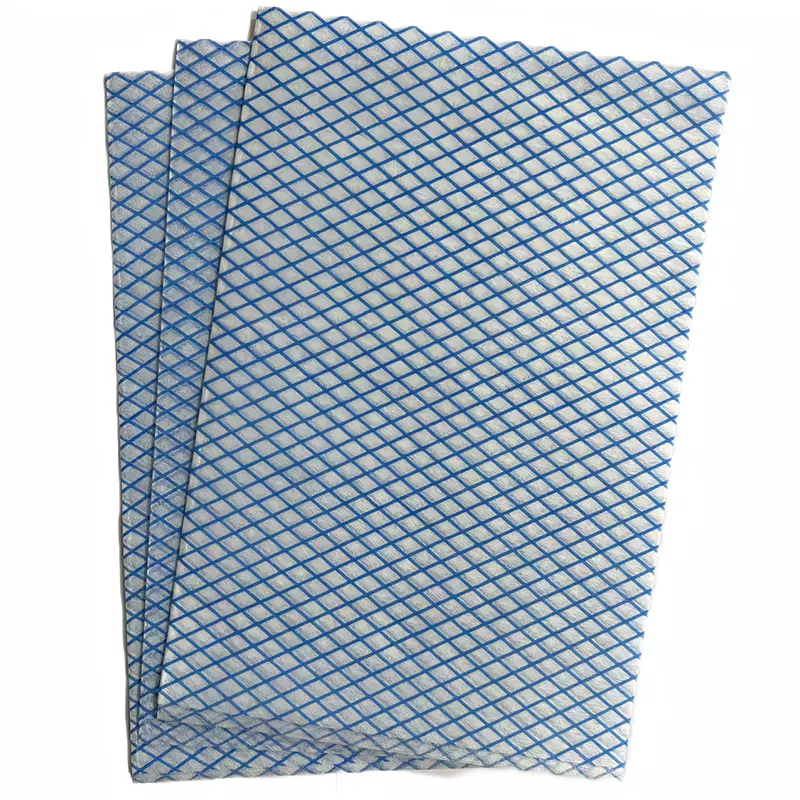
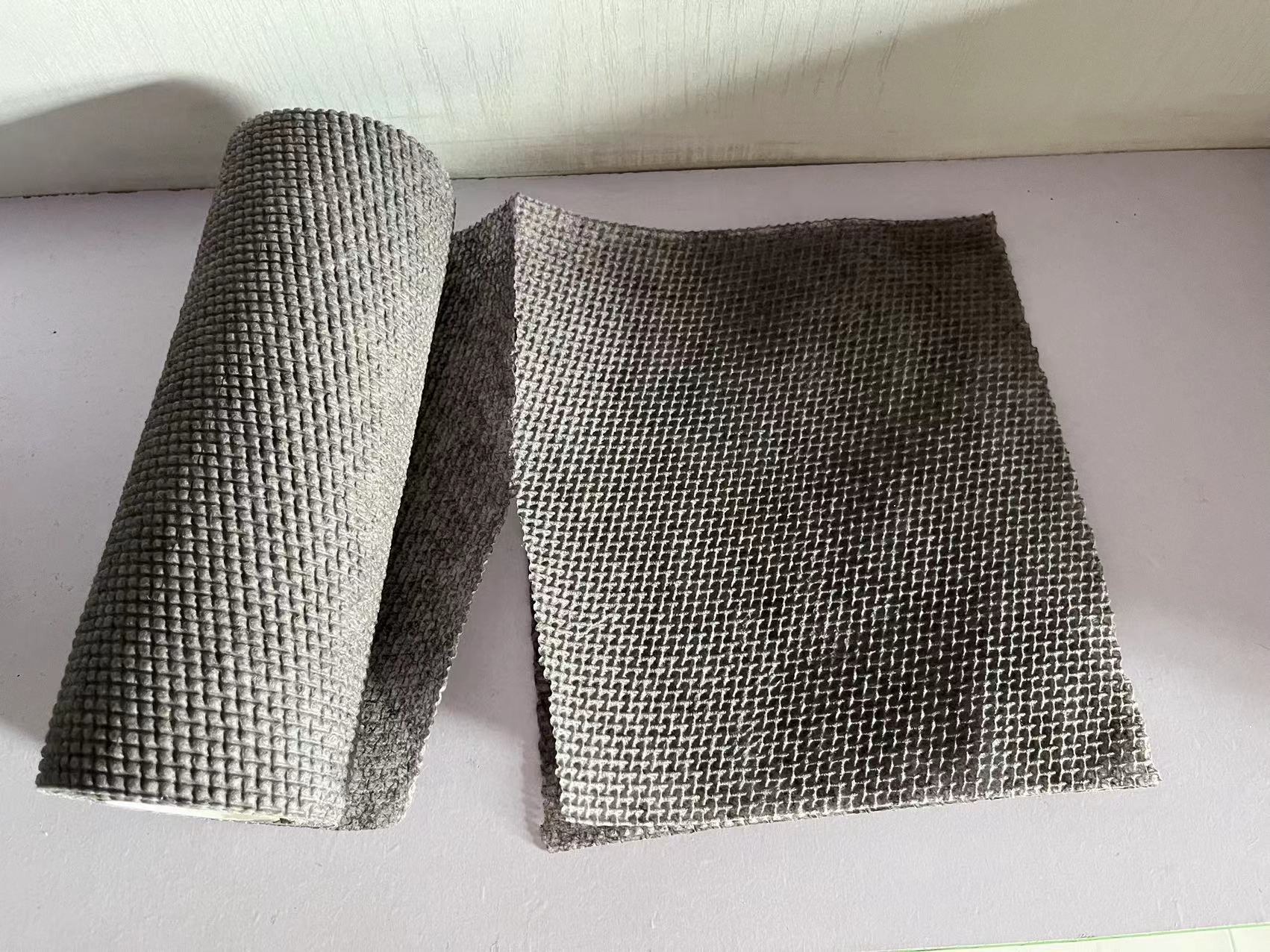
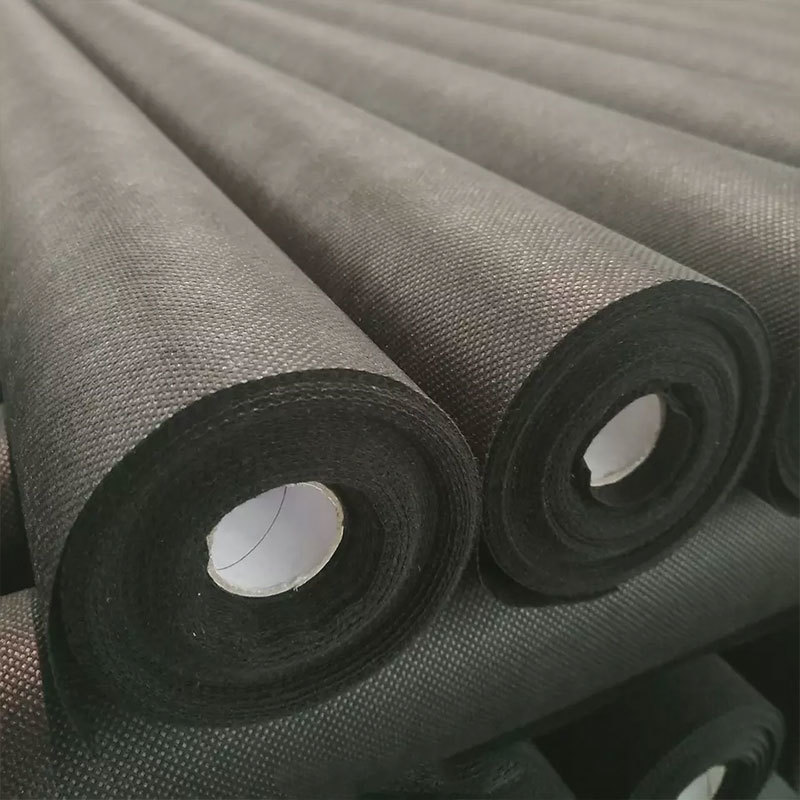
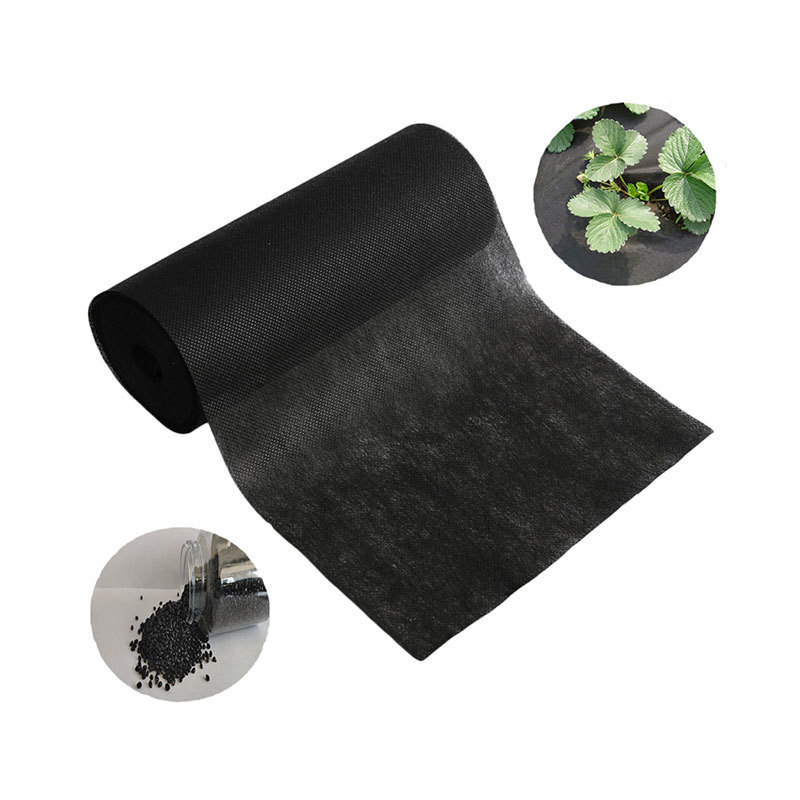
Spunbond polypropylene is a **non-woven fabric** manufactured through a unique process that involves the continuous extrusion of polypropylene fibers. These fibers are subsequently laid down in a random pattern and bonded through thermal or chemical means, resulting in a fabric that is durable yet lightweight.
This fabric is known for its outstanding properties, such as high tensile strength, resistance to tearing, and excellent breathability. Its non-woven nature means that it lacks the traditional woven structure, which contributes to its unique performance characteristics.
Advantages of Spunbond Polypropylene Fabric
1. Durability and Strength
One of the standout features of spunbond polypropylene is its **durability**. The fabric is engineered to withstand significant stress and strain, making it an ideal choice for applications requiring strong and resilient materials. Its remarkable tensile strength means it can endure heavy loads without tearing or breaking, ensuring longevity in use.
2. Lightweight and Versatile
Despite its strength, spunbond polypropylene remains remarkably **lightweight**. This characteristic allows for easy handling and transportation, making it suitable for a wide range of applications. Its versatility means it can be adapted for use in various industries, from fashion and retail to construction and agriculture.
3. Water and Chemical Resistance
Spunbond polypropylene fabric exhibits excellent **water and chemical resistance** properties. This makes it suitable for outdoor applications, as it can endure exposure to moisture without compromising its structural integrity. Additionally, the fabric's resistance to chemicals ensures its durability in environments where aggressive substances may be present.
4. Breathability and Comfort
In addition to its robust properties, spunbond polypropylene is known for its **breathability**. The non-woven structure allows air and moisture to pass through, providing comfort to users in various applications. This feature is particularly crucial in medical and hygiene products, where breathability can enhance user experience.
Applications of Spunbond Polypropylene Fabric
The versatility of spunbond polypropylene fabric extends to multiple sectors, each benefiting from its unique attributes. Below are some of the most prominent applications:
1. Medical and Hygiene Products
In the medical field, spunbond polypropylene is widely used for manufacturing surgical gowns, masks, and drapes. The fabric's **biocompatibility** and resistance to fluids make it a preferred choice for healthcare professionals. The lightweight and breathable nature enhances comfort during prolonged use.
2. Agricultural Uses
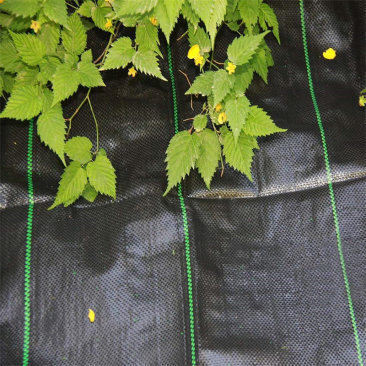
Spunbond polypropylene fabric is extensively utilized in agriculture for applications such as weed control, crop protection, and ground cover. The fabric allows for light penetration while protecting plants from harsh environmental conditions. Its durability ensures that it can withstand the rigors of outdoor use, making it an invaluable resource for farmers.
3. Packaging Solutions
The packaging industry has also embraced spunbond polypropylene due to its strength and lightweight characteristics. It is commonly used for producing **shopping bags**, product packaging, and protective covers. The fabric's water resistance ensures that products remain safe from moisture, while its durability provides protection during transit.
Environmental Impact of Spunbond Polypropylene Fabric
As sustainability becomes a growing concern in the textile industry, the environmental impact of materials used is under scrutiny. Spunbond polypropylene fabric is created from polypropylene, a thermoplastic polymer derived from petrochemicals. However, the good news is that this fabric is recyclable, which helps mitigate its environmental footprint.
Efforts are also underway to develop **biodegradable** alternatives and to improve recycling processes. The use of spunbond polypropylene can be part of a larger strategy to reduce waste and promote sustainability in textiles.
Future Trends in Non-Woven Fabrics
The future of spunbond polypropylene and non-woven fabrics, in general, looks promising. Advancements in technology and increasing awareness of sustainability will lead to innovative developments in this sector. The growing demand for eco-friendly products is pushing manufacturers to explore new materials and production methods that reduce environmental impact.
Additionally, the integration of smart textiles into spunbond polypropylene could revolutionize its applications, leading to smart medical devices and advanced agricultural solutions. As the industry evolves, we can expect to see spunbond polypropylene at the forefront of innovation in textiles.
Conclusion
Spunbond polypropylene fabric is undeniably a cornerstone of modern textiles, offering a unique blend of **durability**, **lightweight design**, and **versatility**. Its applications across diverse industries—from healthcare to agriculture and packaging—highlight its importance in today’s market.
As the push for sustainability continues, the future of spunbond polypropylene appears bright, with ongoing innovations promising to enhance its functionality and eco-friendliness. Understanding the benefits and applications of this remarkable fabric is essential for industries looking to leverage its advantages and stay ahead in an increasingly competitive landscape.
Frequently Asked Questions
1. What is spunbond polypropylene fabric made from?
Spunbond polypropylene fabric is made from polypropylene, a thermoplastic polymer that is extruded into continuous fibers and then bonded together to form a non-woven fabric.
2. Is spunbond polypropylene fabric biodegradable?
While traditional spunbond polypropylene is not biodegradable, efforts are being made to develop biodegradable alternatives. Additionally, the fabric is recyclable, which helps reduce its environmental impact.
3. What are the primary uses of spunbond polypropylene fabric?
Spunbond polypropylene is used in various applications, including medical and hygiene products, agricultural covers, and packaging solutions, due to its strength, lightweight nature, and water resistance.
4. How does spunbond polypropylene compare to traditional woven fabrics?
Spunbond polypropylene offers advantages such as higher durability, lighter weight, and better resistance to water and chemicals compared to traditional woven fabrics, making it suitable for a wider range of applications.
5. Can spunbond polypropylene fabric be recycled?
Yes, spunbond polypropylene fabric can be recycled, helping to minimize waste and support sustainable practices in the textile industry.
spunbond polypropylene fabric

LEAVE A MESSAGE
MESSAGE