



05
2025
-
04
Polypropylene Nonwoven Fabric: The Premier Choice for Filtration Applications
Polypropylene Nonwoven Fabric: The Go-To Choice for Filtration Applications Table of Contents 1. Introduction to Polypropylene Nonwoven Fabric 2. What is Polypropylene Nonwoven Fabric? 3. Key Properties of Polypropylene Nonwoven Fabric 4. Advantages of Polypropylene Nonwoven Fabric in Filtration Applications 5. Diverse Applications Across Industries 6. Manufacturing Process of Polypro

Polypropylene Nonwoven Fabric: The Go-To Choice for Filtration Applications
Table of Contents
- 1. Introduction to Polypropylene Nonwoven Fabric
- 2. What is Polypropylene Nonwoven Fabric?
- 3. Key Properties of Polypropylene Nonwoven Fabric
- 4. Advantages of Polypropylene Nonwoven Fabric in Filtration Applications
- 5. Diverse Applications Across Industries
- 6. Manufacturing Process of Polypropylene Nonwoven Fabric
- 7. Sustainability and Environmental Impact
- 8. Future Trends in Filtration and Nonwoven Fabrics
- 9. Frequently Asked Questions (FAQs)
- 10. Conclusion
1. Introduction to Polypropylene Nonwoven Fabric
Polypropylene nonwoven fabric has emerged as a leading material in filtration applications due to its unique properties and versatility. This synthetic fabric, made from polymer fibers, is known for its lightweight, durability, and efficient filtration capabilities. As industries increasingly prioritize performance and sustainability, understanding the benefits and applications of polypropylene nonwoven fabric is essential for making informed decisions.
2. What is Polypropylene Nonwoven Fabric?
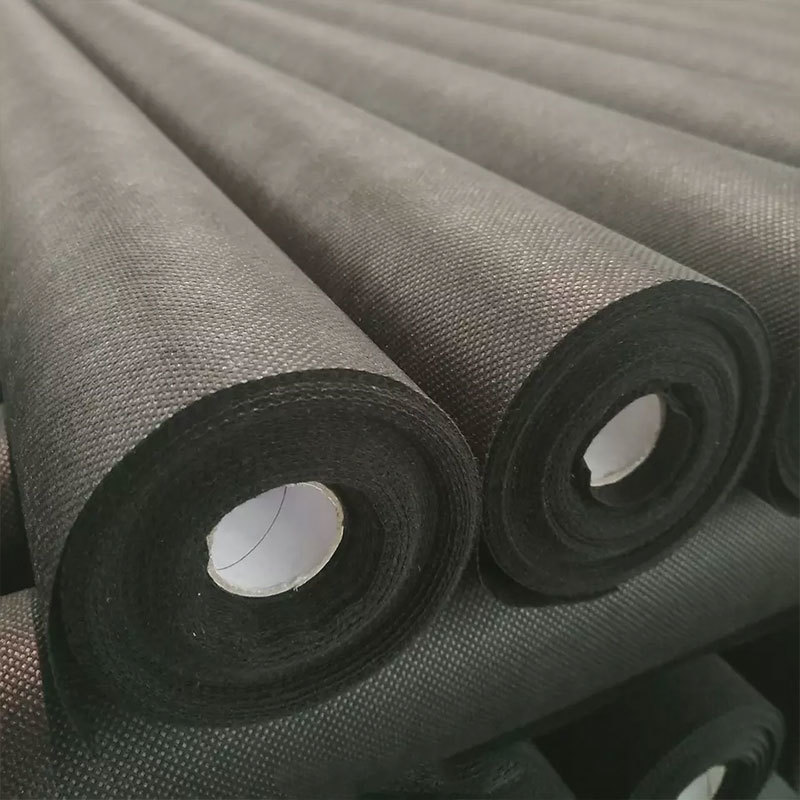
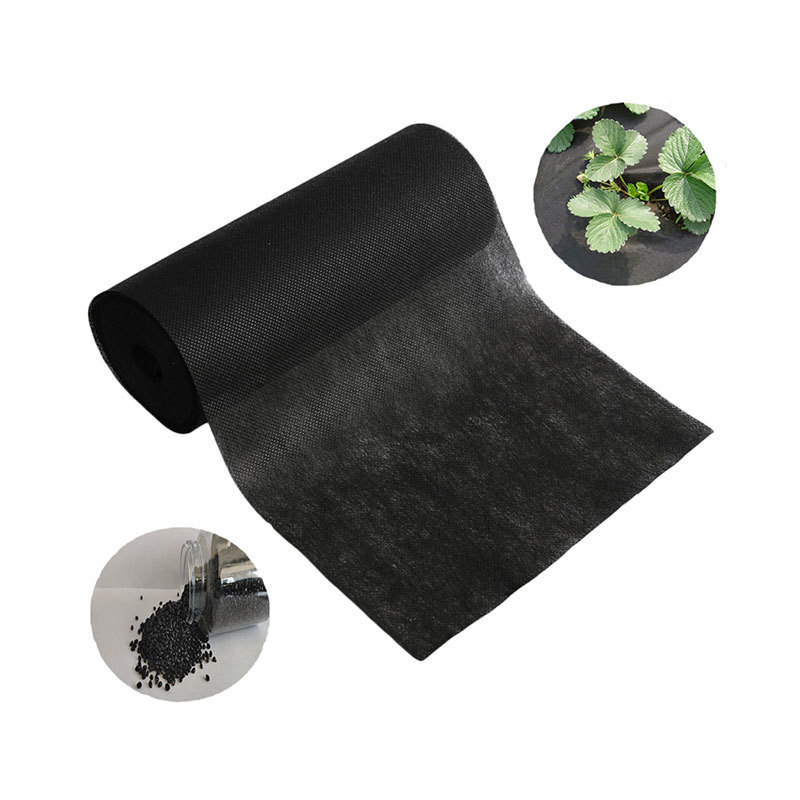
Polypropylene nonwoven fabric is a type of fabric that is produced from thermoplastic polypropylene fibers. Unlike traditional woven fabrics, nonwoven materials are not produced by weaving or knitting; instead, they are manufactured through processes such as needle punching, spunbonding, or melt blowing. This results in a fabric that is not only lightweight but also exhibits a high degree of strength and flexibility.
2.1 Characteristics of Polypropylene
Polypropylene (PP) is a versatile polymer known for its chemical resistance, thermal stability, and low density, making it an ideal choice for filtration applications. When transformed into nonwoven fabric, these characteristics are enhanced, providing a medium that is not only effective in filtering particles but also easy to handle and customize.
3. Key Properties of Polypropylene Nonwoven Fabric
Understanding the properties of polypropylene nonwoven fabric helps highlight its suitability for various filtration applications.
3.1 Filtration Efficiency
Polypropylene nonwoven fabric is designed to provide excellent filtration efficiency. Its fiber structure allows for effective interception of particles, dust, and contaminants, making it ideal for use in air and liquid filtration systems.
3.2 High Strength and Durability
The inherent strength of polypropylene ensures that nonwoven fabrics can withstand the rigors of various filtration processes without compromising integrity. This durability extends the lifespan of filtration systems, reducing the need for frequent replacements.
3.3 Lightweight and Flexible
The lightweight nature of polypropylene nonwoven fabric allows for easy installation and handling. Additionally, its flexibility enables it to conform to different shapes and sizes, making it suitable for a wide range of filtration applications.
3.4 Chemical Resistance
Polypropylene is resistant to a variety of chemicals, which means that nonwoven fabrics made from this material can be used in environments where exposure to corrosive substances is a concern.
4. Advantages of Polypropylene Nonwoven Fabric in Filtration Applications
The advantages of using polypropylene nonwoven fabric in filtration applications are numerous and significant.
4.1 Cost-Effectiveness
Polypropylene nonwoven fabric is an economical choice for filtration applications. Its efficient manufacturing process and availability make it a cost-effective solution for various industries.
4.2 Customization Options
Manufacturers can easily customize polypropylene nonwoven fabrics to meet specific filtration needs, including varying thicknesses, fiber densities, and surface treatments.
4.3 Enhanced Airflow
The unique structure of polypropylene nonwoven fabric allows for enhanced airflow, which is crucial in applications such as HVAC systems where maintaining air quality is essential.
5. Diverse Applications Across Industries
Polypropylene nonwoven fabric is used in a myriad of applications across several industries.
5.1 Healthcare Sector
In the healthcare industry, polypropylene nonwoven fabric is commonly used for surgical gowns, masks, and drapes due to its barrier properties and comfort.
5.2 Automotive Industry
The automotive sector utilizes polypropylene nonwoven fabrics for air filters, cabin filters, and sound insulation, enhancing both performance and comfort.
5.3 Construction and Filtration Systems
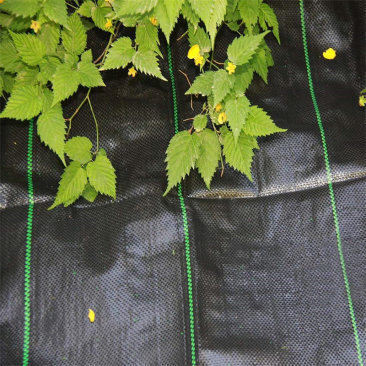
In construction, these fabrics are used in geotextiles and as filtration media in water treatment plants, ensuring effective filtration of pollutants.
5.4 Consumer Products
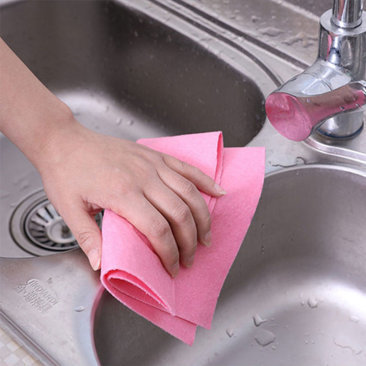
Polypropylene nonwoven fabric is increasingly found in everyday consumer products, including shopping bags, disposable wipes, and hygiene products.
6. Manufacturing Process of Polypropylene Nonwoven Fabric
The production of polypropylene nonwoven fabric involves several key processes that determine its characteristics and performance.
6.1 Spunbond Process
In the spunbond process, polypropylene pellets are melted and extruded to form continuous filaments. These filaments are then laid down in a web-like structure and bonded together using heat and pressure.
6.2 Melt Blown Process
The melt blown process involves extruding molten polypropylene through fine nozzles, creating microfibers that are collected on a screen to form a dense web. This method is particularly effective for producing high-efficiency filtration materials.
6.3 Needle Punching
Needle punching is another method used to bond nonwoven fabrics. In this process, barbed needles are used to interlock fibers, resulting in a robust fabric that is ideal for heavy-duty applications.
7. Sustainability and Environmental Impact
As industries move toward sustainability, the environmental impact of materials becomes increasingly important. Polypropylene nonwoven fabric offers several advantages in this regard.
7.1 Recyclability
Polypropylene is recyclable, which means that unused or discarded fabrics can be repurposed, reducing waste and promoting a circular economy.
7.2 Reduced Resource Consumption
The production of polypropylene nonwoven fabric typically requires fewer resources compared to traditional woven fabrics. This reduction in resource consumption contributes to lower environmental impact.
8. Future Trends in Filtration and Nonwoven Fabrics
The future of filtration applications is evolving, and the role of polypropylene nonwoven fabric is set to expand.
8.1 Innovations in Filtration Technology
Advancements in filtration technology are leading to the development of smarter, more efficient filtration systems. Polypropylene nonwoven fabric will likely integrate with these innovations to enhance performance.
8.2 Increased Use of Biodegradable Options
As sustainability becomes a key focus, the demand for biodegradable nonwoven fabrics is likely to rise. Manufacturers are exploring options to produce biodegradable variants of polypropylene nonwoven fabrics without compromising performance.
9. Frequently Asked Questions (FAQs)
9.1 What makes polypropylene nonwoven fabric suitable for filtration?
Polypropylene nonwoven fabric is lightweight, durable, chemically resistant, and has excellent filtration efficiency, making it ideal for various filtration applications.
9.2 How does polypropylene nonwoven fabric compare to other materials in filtration?
Compared to other materials, polypropylene nonwoven fabric offers superior cost-effectiveness, customization options, and strength, making it a preferred choice in many industries.
9.3 Can polypropylene nonwoven fabric be recycled?
Yes, polypropylene nonwoven fabric is recyclable, which contributes to reducing waste and promoting sustainability within various industries.
9.4 What industries use polypropylene nonwoven fabric for filtration?
Industries such as healthcare, automotive, construction, and consumer products extensively use polypropylene nonwoven fabric for filtration applications.
9.5 What are some future trends in polypropylene nonwoven fabrics?
Future trends include advancements in filtration technology, increased demand for biodegradable options, and ongoing innovations in manufacturing processes to enhance performance.
10. Conclusion
Polypropylene nonwoven fabric stands out as the go-to choice for filtration applications, owing to its remarkable properties and versatility. As industries continue to seek efficient and sustainable solutions, the role of this fabric will only grow. By understanding its benefits, characteristics, and diverse applications, businesses can leverage polypropylene nonwoven fabric to enhance performance in filtration systems, ultimately leading to improved air and water quality across various sectors. This comprehensive guide serves as a valuable resource for anyone looking to explore the potential of polypropylene nonwoven fabric in filtration applications.
Polypropylene nonwoven fabric

LEAVE A MESSAGE
MESSAGE