




06
2025
-
04
The Versatile World of Spunbond Nonwoven Fabric: Applications and Benefits
Spunbond nonwoven fabric is an innovative material that has gained significant traction in the textile industry due to its unique properties and versatility. Unlike traditional woven fabrics, spunbond nonwoven fabric is created through a process that involves the bonding of fibers using heat, pressure, or adhesives, rather than weaving them together. This results in a fabric that is not only light

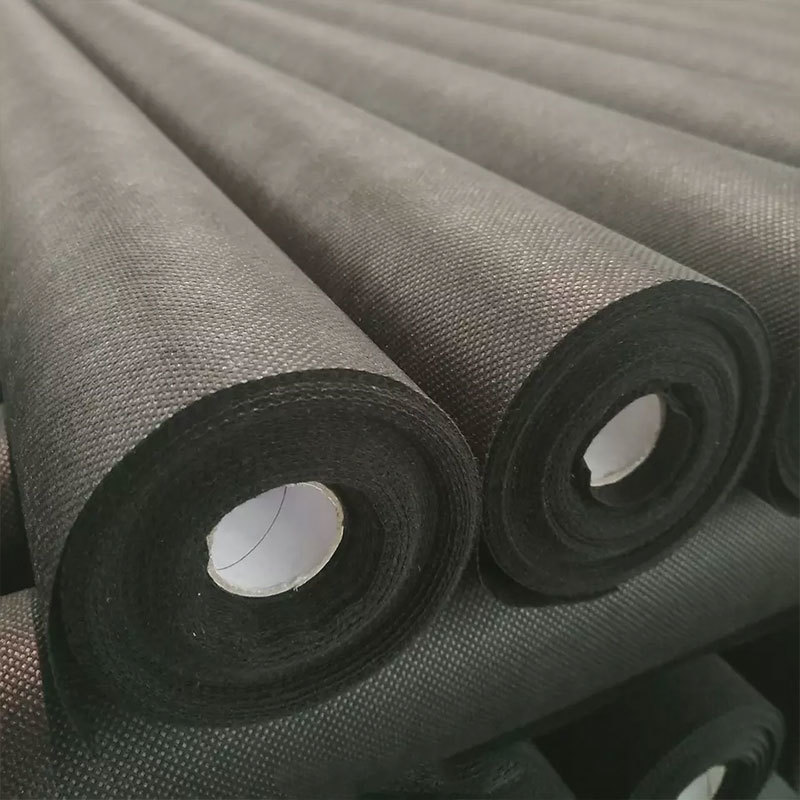
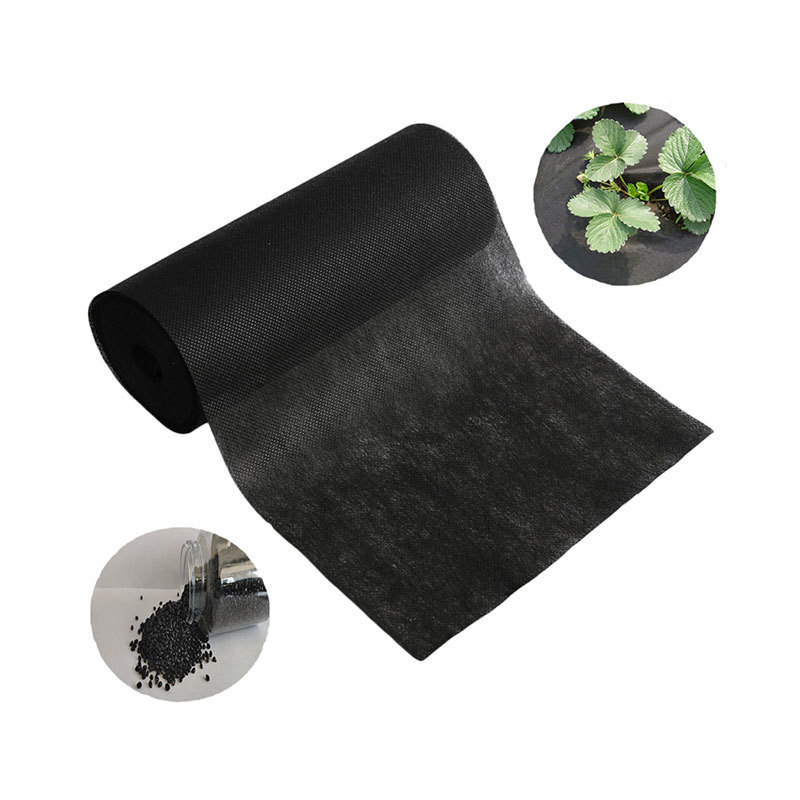
Spunbond nonwoven fabric is an innovative material that has gained significant traction in the textile industry due to its unique properties and versatility. Unlike traditional woven fabrics, spunbond nonwoven fabric is created through a process that involves the bonding of fibers using heat, pressure, or adhesives, rather than weaving them together. This results in a fabric that is not only lightweight and durable but also offers exceptional breathability and flexibility.
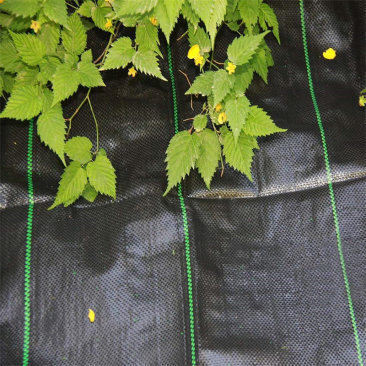
One of the primary advantages of spunbond nonwoven fabric is its strength. The process of manufacturing involves continuous filament fibers that are laid down in a random pattern, creating a matrix that provides outstanding tensile strength. This makes it ideal for applications where durability is crucial, such as in the production of medical gowns, face masks, and other protective garments. Its ability to withstand various stresses while remaining lightweight is a significant benefit in fields such as healthcare and agriculture.
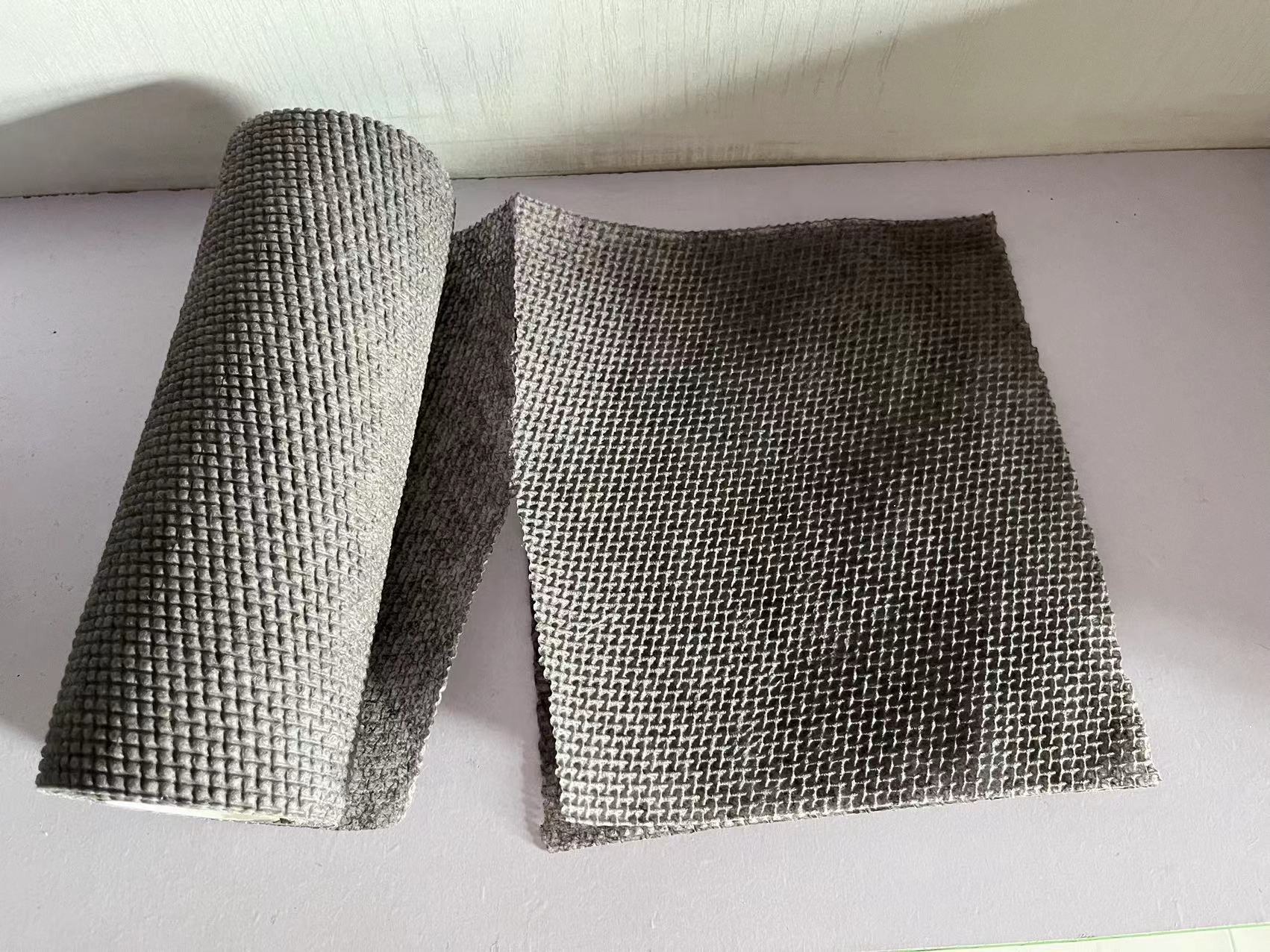
In addition to its strength, spunbond nonwoven fabric is highly customizable. Manufacturers can adjust the fiber composition, weight, and finishing processes to produce fabrics that meet specific requirements. For example, different fiber types can be blended to enhance characteristics like water resistance or UV protection. This adaptability has led to its widespread use in a range of industries, including automotive, filtration, and construction.
Another noteworthy feature of spunbond nonwoven fabric is its environmental impact. Many spunbond fabrics are made from polypropylene, a type of plastic that can be recycled. As sustainability becomes increasingly important in manufacturing, the ability to produce eco-friendly nonwoven fabrics is a significant selling point. Moreover, the production process typically requires less water and energy compared to traditional textile methods, contributing to a reduced carbon footprint.
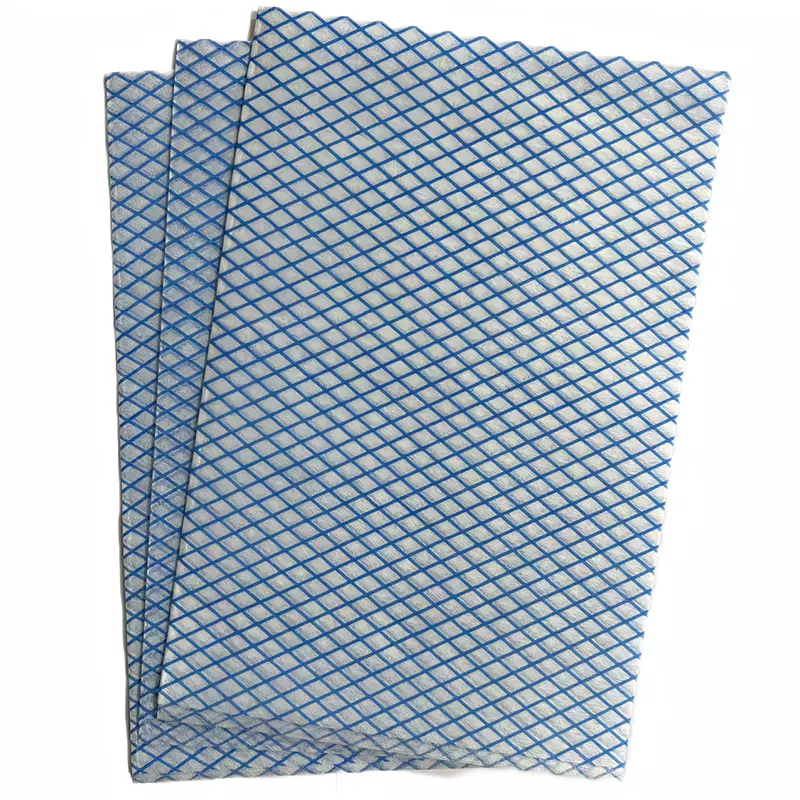
Furthermore, spunbond nonwoven fabric is often used in hygiene products, such as diapers, feminine hygiene products, and adult incontinence products. Its soft texture and excellent fluid management capabilities make it a preferred choice for ensuring comfort and reliability in these applications.
In conclusion, spunbond nonwoven fabric stands out as a vital material in the textile industry, offering a unique combination of strength, versatility, and sustainability. Its diverse applications across multiple sectors illustrate its importance and the ongoing innovation within this field. As industries continue to evolve and prioritize efficiency and eco-friendliness, the role of spunbond nonwoven fabric will undoubtedly expand, offering exciting opportunities for both manufacturers and consumers alike.
One of the primary advantages of spunbond nonwoven fabric is its strength. The process of manufacturing involves continuous filament fibers that are laid down in a random pattern, creating a matrix that provides outstanding tensile strength. This makes it ideal for applications where durability is crucial, such as in the production of medical gowns, face masks, and other protective garments. Its ability to withstand various stresses while remaining lightweight is a significant benefit in fields such as healthcare and agriculture.
In addition to its strength, spunbond nonwoven fabric is highly customizable. Manufacturers can adjust the fiber composition, weight, and finishing processes to produce fabrics that meet specific requirements. For example, different fiber types can be blended to enhance characteristics like water resistance or UV protection. This adaptability has led to its widespread use in a range of industries, including automotive, filtration, and construction.
Another noteworthy feature of spunbond nonwoven fabric is its environmental impact. Many spunbond fabrics are made from polypropylene, a type of plastic that can be recycled. As sustainability becomes increasingly important in manufacturing, the ability to produce eco-friendly nonwoven fabrics is a significant selling point. Moreover, the production process typically requires less water and energy compared to traditional textile methods, contributing to a reduced carbon footprint.
Furthermore, spunbond nonwoven fabric is often used in hygiene products, such as diapers, feminine hygiene products, and adult incontinence products. Its soft texture and excellent fluid management capabilities make it a preferred choice for ensuring comfort and reliability in these applications.
In conclusion, spunbond nonwoven fabric stands out as a vital material in the textile industry, offering a unique combination of strength, versatility, and sustainability. Its diverse applications across multiple sectors illustrate its importance and the ongoing innovation within this field. As industries continue to evolve and prioritize efficiency and eco-friendliness, the role of spunbond nonwoven fabric will undoubtedly expand, offering exciting opportunities for both manufacturers and consumers alike.
spunbond nonwoven fabric

LEAVE A MESSAGE
MESSAGE