



08
2025
-
04
Understanding PP Spunbond Nonwoven Fabric: Characteristics and Applications
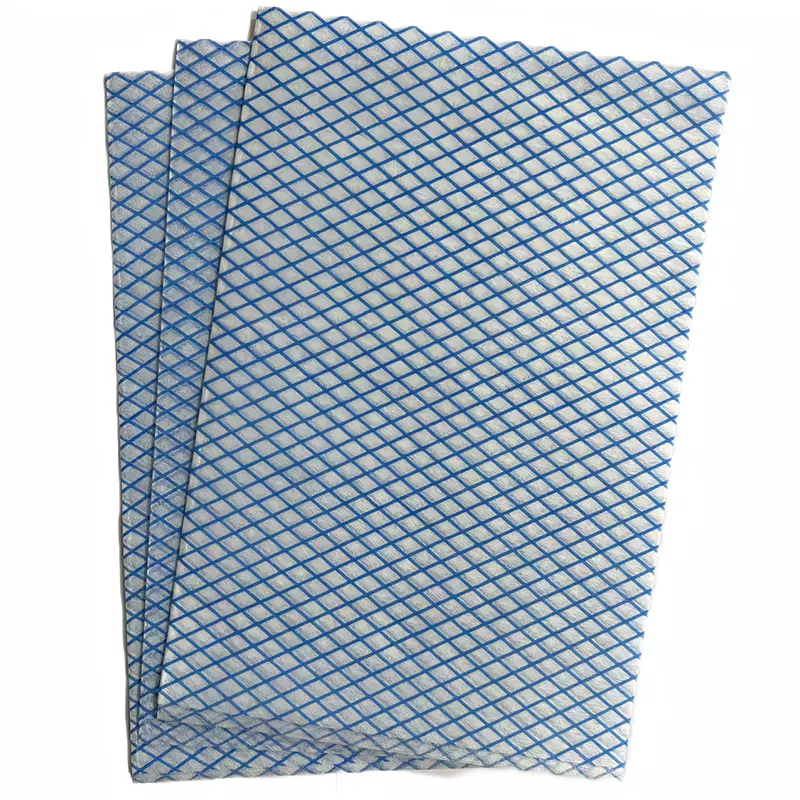
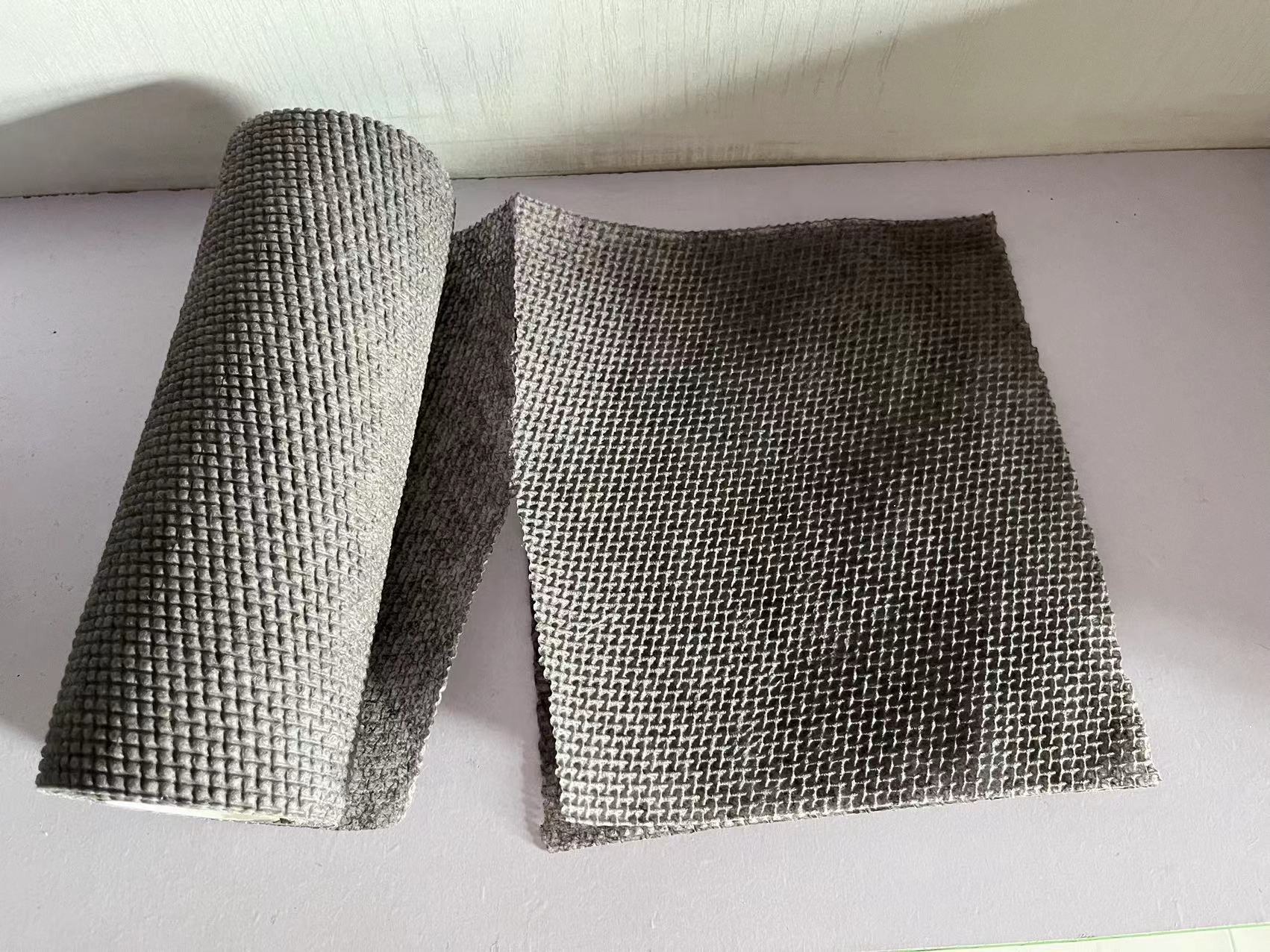
PP spunbond nonwoven fabric has gained significant traction in various industries due to its unique characteristics and versatility. Constructed from polypropylene (PP) fibers, this type of nonwoven fabric is produced through a process that involves melting polymer granules, extruding them into fine filaments, and then bonding them together using heat and pressure. The result is a strong, lightwei

PP spunbond nonwoven fabric has gained significant traction in various industries due to its unique characteristics and versatility. Constructed from polypropylene (PP) fibers, this type of nonwoven fabric is produced through a process that involves melting polymer granules, extruding them into fine filaments, and then bonding them together using heat and pressure. The result is a strong, lightweight, and durable fabric that is ideal for many applications.
One of the most notable features of PP spunbond nonwoven fabric is its excellent strength-to-weight ratio. The fabric is not only lightweight but also possesses impressive tensile strength, making it suitable for products that require robustness without unnecessary bulk. Additionally, its resistance to tearing and abrasion ensures longevity, making it a preferred choice in numerous sectors.
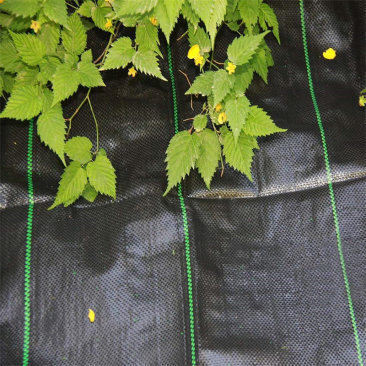
Another significant advantage is the fabric's hydrophobic nature, which means it repels water rather than absorbing it. This property is particularly beneficial in applications such as agricultural covers, where moisture management is crucial for crop protection. Furthermore, the nonwoven nature of the fabric allows for breathability, which is essential in applications like medical gowns and surgical drapes, where airflow is necessary to ensure comfort and hygiene.
PP spunbond nonwoven fabric is also well-known for its chemical resistance. This characteristic allows it to withstand exposure to various chemicals, making it suitable for use in filtration systems, geotextiles, and hygiene items like diapers and feminine hygiene products. The fabric can be treated or coated to enhance its properties further, allowing for customization according to specific application needs.
In terms of environmental impact, PP spunbond nonwoven fabric is recyclable and can be produced through eco-friendly processes. Many manufacturers are increasingly adopting sustainable practices, ensuring that the production of nonwoven fabrics aligns with global environmental standards. This sustainability aspect is becoming a critical selling point for businesses aiming to meet consumer demand for environmentally friendly products.
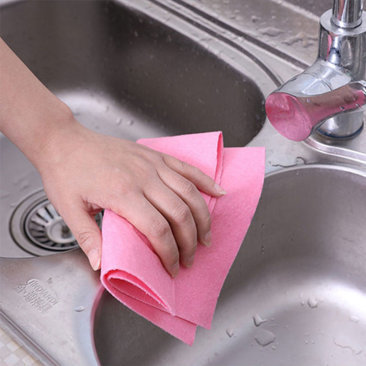
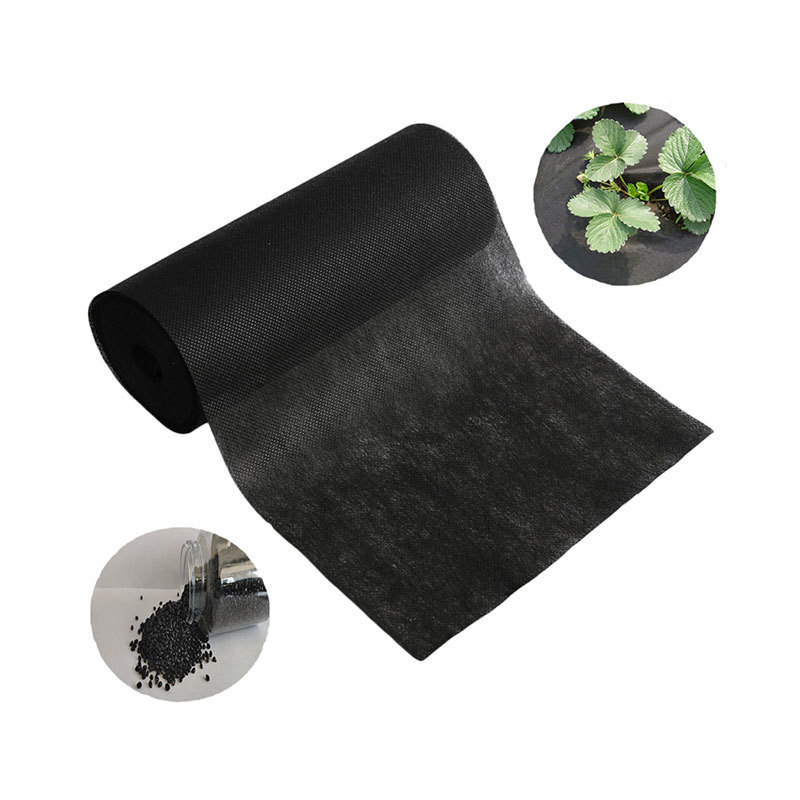
The versatility of PP spunbond nonwoven fabric extends across several industries. In healthcare, it is used for personal protective equipment, while in the automotive sector, it serves as a lightweight alternative for car interiors. Additionally, in agriculture, it provides crop protection and enhances growth conditions through effective moisture management.
In conclusion, PP spunbond nonwoven fabric stands out due to its unique combination of strength, durability, and versatility. Its wide range of applications across different sectors, along with its eco-friendly attributes, makes it an essential material for professionals in the textile and nonwoven industries. Understanding its properties and applications can help businesses leverage this material effectively to meet market demands.
One of the most notable features of PP spunbond nonwoven fabric is its excellent strength-to-weight ratio. The fabric is not only lightweight but also possesses impressive tensile strength, making it suitable for products that require robustness without unnecessary bulk. Additionally, its resistance to tearing and abrasion ensures longevity, making it a preferred choice in numerous sectors.
Another significant advantage is the fabric's hydrophobic nature, which means it repels water rather than absorbing it. This property is particularly beneficial in applications such as agricultural covers, where moisture management is crucial for crop protection. Furthermore, the nonwoven nature of the fabric allows for breathability, which is essential in applications like medical gowns and surgical drapes, where airflow is necessary to ensure comfort and hygiene.
PP spunbond nonwoven fabric is also well-known for its chemical resistance. This characteristic allows it to withstand exposure to various chemicals, making it suitable for use in filtration systems, geotextiles, and hygiene items like diapers and feminine hygiene products. The fabric can be treated or coated to enhance its properties further, allowing for customization according to specific application needs.
In terms of environmental impact, PP spunbond nonwoven fabric is recyclable and can be produced through eco-friendly processes. Many manufacturers are increasingly adopting sustainable practices, ensuring that the production of nonwoven fabrics aligns with global environmental standards. This sustainability aspect is becoming a critical selling point for businesses aiming to meet consumer demand for environmentally friendly products.
The versatility of PP spunbond nonwoven fabric extends across several industries. In healthcare, it is used for personal protective equipment, while in the automotive sector, it serves as a lightweight alternative for car interiors. Additionally, in agriculture, it provides crop protection and enhances growth conditions through effective moisture management.
In conclusion, PP spunbond nonwoven fabric stands out due to its unique combination of strength, durability, and versatility. Its wide range of applications across different sectors, along with its eco-friendly attributes, makes it an essential material for professionals in the textile and nonwoven industries. Understanding its properties and applications can help businesses leverage this material effectively to meet market demands.
pp spunbond nonwoven fabric

LEAVE A MESSAGE
MESSAGE