




09
2025
-
04
Polyester Spunbond Nonwoven Fabric: A Trend in Green Packaging Solutions
Introduction to Polyester Spunbond Nonwoven Fabric Polyester spunbond nonwoven fabric is making significant waves in the realm of green packaging solutions. As industries increasingly seek sustainable alternatives, this versatile material stands at the forefront of innovation. **Understanding the unique properties and benefits** of polyester spunbond nonwoven fabric is essential for businesses loo

Introduction to Polyester Spunbond Nonwoven Fabric
Polyester spunbond nonwoven fabric is making significant waves in the realm of green packaging solutions. As industries increasingly seek sustainable alternatives, this versatile material stands at the forefront of innovation. **Understanding the unique properties and benefits** of polyester spunbond nonwoven fabric is essential for businesses looking to adopt eco-friendly practices.
What is Polyester Spunbond Nonwoven Fabric?
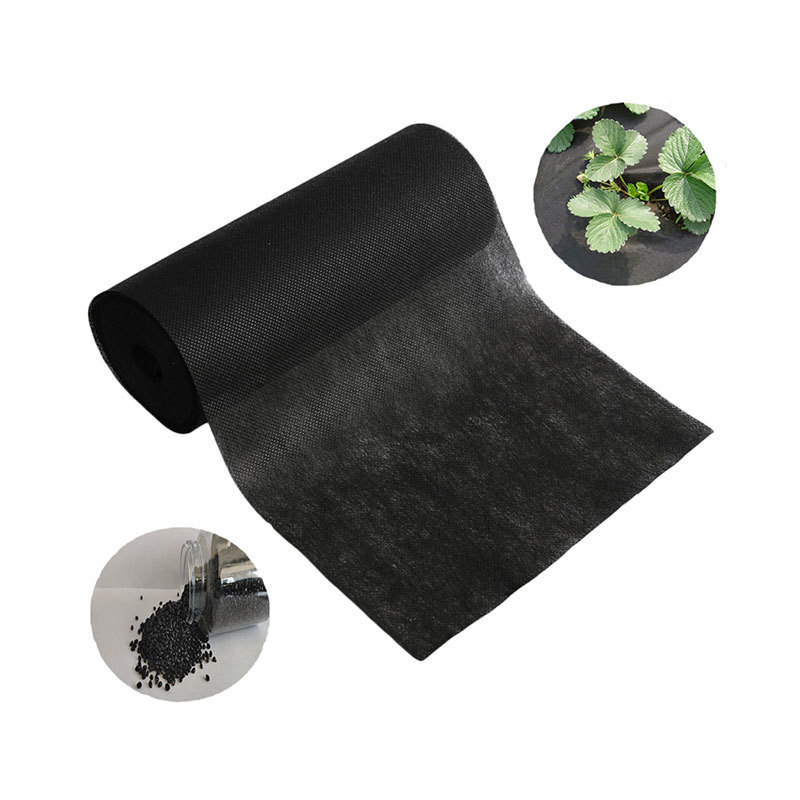
Polyester spunbond nonwoven fabric is a type of nonwoven textile produced by bonding polyester fibers together using heat and pressure. Unlike traditional woven fabrics, nonwoven textiles do not require weaving or knitting, resulting in lower production costs and enhanced performance characteristics. The manufacturing process allows for the creation of fabrics with varying thicknesses, strengths, and textures, making them suitable for a wide range of applications.
The Production Process of Polyester Spunbond Nonwoven Fabric
Fiber Production
The production of polyester spunbond nonwoven fabric begins with the creation of polyester fibers. These fibers are typically derived from polyethylene terephthalate (PET), a recyclable plastic. The process involves the following steps:
1. **Polymerization:** Raw materials are processed to create PET resin.
2. **Extrusion:** The PET resin is melted and extruded through spinnerets to form continuous filament fibers.
3. **Spinning:** The extruded fibers are cooled and solidified, forming long strands of polyester.
Fabric Formation
Once the fibers are produced, they undergo further processing to create nonwoven fabric:
1. **Web Formation:** The polyester fibers are laid out in a random pattern to form a web.
2. **Bonding:** The web is then bonded using heat, which melts the fibers at their contact points, creating a cohesive fabric.
3. **Finishing Treatments:** Various treatments can be applied to enhance properties such as water resistance, UV protection, and antimicrobial features.
Key Properties of Polyester Spunbond Nonwoven Fabric
Polyester spunbond nonwoven fabric possesses several properties that make it ideal for green packaging solutions:
Durability
This fabric is highly durable, resistant to tearing and stretching, making it suitable for packaging items that require protection during transit.
Lightweight
Despite its strength, polyester spunbond nonwoven fabric is lightweight, reducing transportation costs and energy consumption.
Breathability
The fabric's structure allows for excellent airflow, making it suitable for packaging perishable goods without trapping moisture.
Eco-Friendly
Made from recyclable materials, polyester spunbond nonwoven fabric contributes to a circular economy by being recyclable at the end of its life cycle.
Applications of Polyester Spunbond Nonwoven Fabric in Packaging
Polyester spunbond nonwoven fabric has diverse applications in the packaging industry. Here are some notable uses:
Retail Packaging
Many retailers are turning to polyester spunbond nonwoven bags as an alternative to single-use plastic bags. These reusable bags are not only sturdy but also provide a stylish and eco-friendly way to carry purchases.
Food Packaging
Due to its breathability, polyester spunbond nonwoven fabric is ideal for food packaging. It helps maintain freshness while preventing moisture buildup, making it suitable for fruits, vegetables, and baked goods.
Protective Packaging
The durability of polyester spunbond nonwoven fabric makes it an excellent choice for protective packaging, including cushioning materials for fragile items.
Medical Packaging
In the medical field, polyester spunbond nonwoven fabric is used for packaging sterile products due to its barrier properties and ability to be sterilized.
Benefits of Using Polyester Spunbond Nonwoven Fabric for Green Packaging
Businesses and consumers alike can benefit from the use of polyester spunbond nonwoven fabric in green packaging solutions. Here are some of the key advantages:
Cost-Effectiveness
Polyester spunbond nonwoven fabric is often more affordable than traditional packaging materials, providing a cost-effective solution for businesses while promoting sustainability.
Customizability
This fabric can be easily customized in terms of color, texture, and size, allowing businesses to create unique packaging solutions that align with their brand identity.
Reduced Environmental Impact
By switching to polyester spunbond nonwoven fabric, businesses can significantly reduce their carbon footprint and contribute to environmental conservation efforts.
Consumer Appeal
Eco-conscious consumers are increasingly seeking brands that demonstrate a commitment to sustainability. Using polyester spunbond nonwoven fabric can enhance a brand's image and attract environmentally aware customers.
Challenges and Considerations in Adopting Polyester Spunbond Nonwoven Fabric
While polyester spunbond nonwoven fabric offers numerous benefits, there are also challenges that companies may face when transitioning to this material.
Recycling and Disposal
Although polyester spunbond nonwoven fabrics are recyclable, the infrastructure for recycling them is not yet widely available in all regions. This limitation can create challenges in ensuring proper disposal.
Consumer Awareness
Educating consumers about the benefits of nonwoven fabric and its eco-friendliness is essential for driving demand and fostering responsible disposal practices.
Future Trends in Polyester Spunbond Nonwoven Fabric for Sustainable Packaging
The future of polyester spunbond nonwoven fabric in sustainable packaging looks promising, with several trends emerging:
Innovative Materials
Research into bio-based and biodegradable polyester alternatives is underway, aiming to further reduce environmental impact while maintaining performance.
Technological Advancements
Advancements in manufacturing processes will allow for the production of even more efficient and sustainable nonwoven fabrics, enhancing their appeal in the packaging market.
Increased Regulations
As governments implement stricter regulations on single-use plastics, the demand for sustainable packaging solutions like polyester spunbond nonwoven fabric is expected to rise.
FAQs about Polyester Spunbond Nonwoven Fabric
1. What is the difference between woven and nonwoven fabrics?
Polyester spunbond nonwoven fabric is created by bonding fibers together rather than weaving them, offering distinct advantages in durability and cost-effectiveness.
2. Is polyester spunbond nonwoven fabric biodegradable?
While traditional polyester is not biodegradable, advancements in recycling technologies are making it possible to recycle polyester spunbond nonwoven fabric effectively.
3. Can polyester spunbond nonwoven fabric be washed and reused?
Yes, many polyester spunbond nonwoven products, such as bags, can be washed and reused multiple times, making them a sustainable choice.
4. How does polyester spunbond nonwoven fabric contribute to environmental sustainability?
By reducing reliance on single-use plastics and offering a recyclable alternative, polyester spunbond nonwoven fabric supports sustainable practices in various industries.
5. What industries are adopting polyester spunbond nonwoven fabric?
Industries such as retail, food packaging, medical, and consumer goods are increasingly adopting polyester spunbond nonwoven fabric for its eco-friendly properties and versatility.
Conclusion
Polyester spunbond nonwoven fabric represents a significant advancement in green packaging solutions, merging sustainability with functionality. Its unique properties, coupled with its wide range of applications, make it an attractive alternative to traditional packaging materials. As industries continue to prioritize eco-friendly practices, the demand for polyester spunbond nonwoven fabric is likely to grow, paving the way for a more sustainable future in packaging. By embracing this innovative material, businesses not only enhance their brand image but also contribute to a healthier planet.
Polyester Spunbond Nonwoven Fabric

LEAVE A MESSAGE
MESSAGE