




10
2025
-
04
The Versatility and Applications of Polyester Spunbond Fabric in Nonwoven Textiles
Polyester spunbond fabric is an innovative nonwoven textile material created through a specialized manufacturing process that significantly enhances its durability and versatility. In this article, we will delve into the characteristics, production methods, and various applications of polyester spunbond fabric, which is increasingly popular in a wide range of industries. One of the defining featur

Polyester spunbond fabric is an innovative nonwoven textile material created through a specialized manufacturing process that significantly enhances its durability and versatility. In this article, we will delve into the characteristics, production methods, and various applications of polyester spunbond fabric, which is increasingly popular in a wide range of industries.
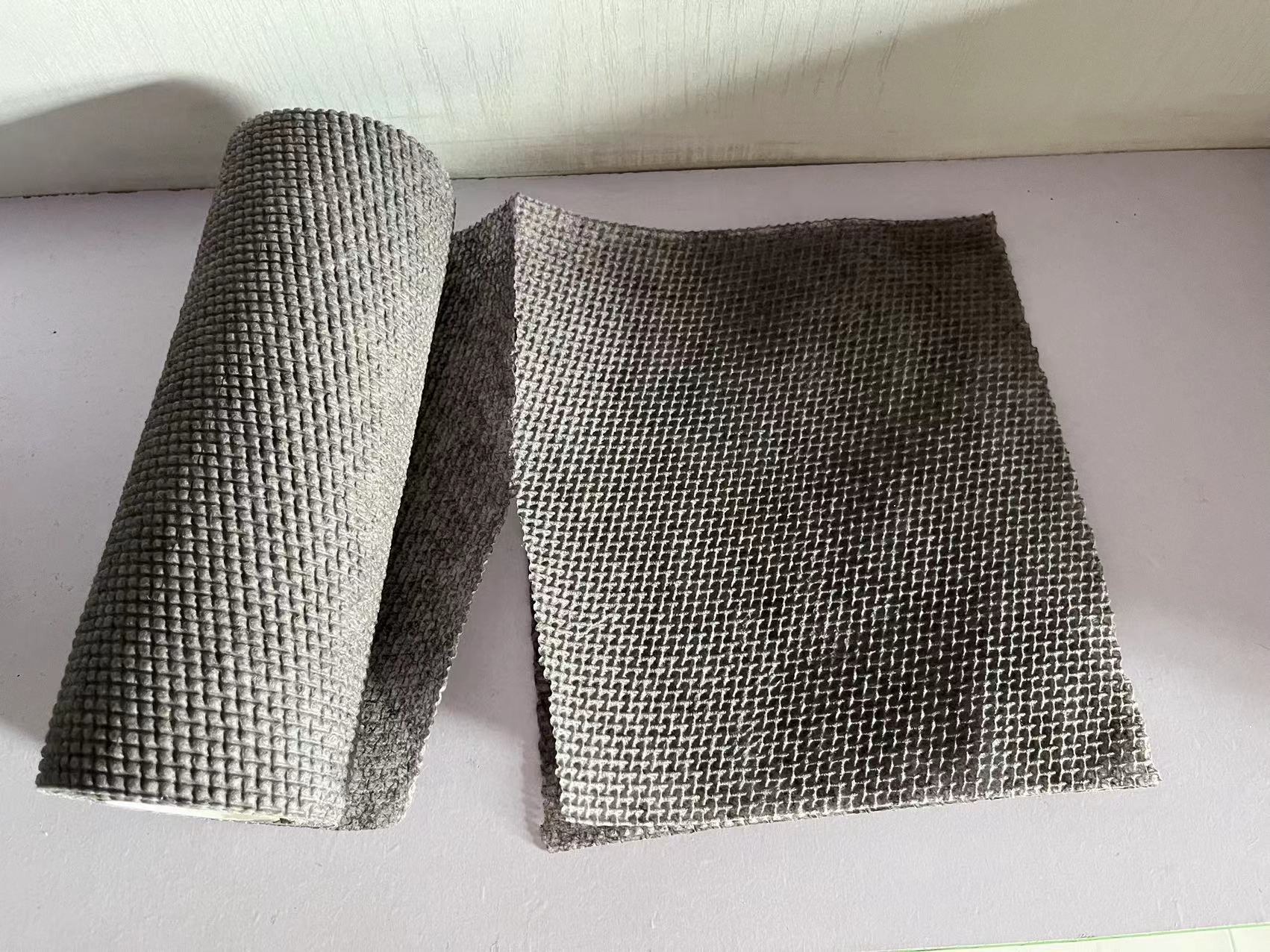
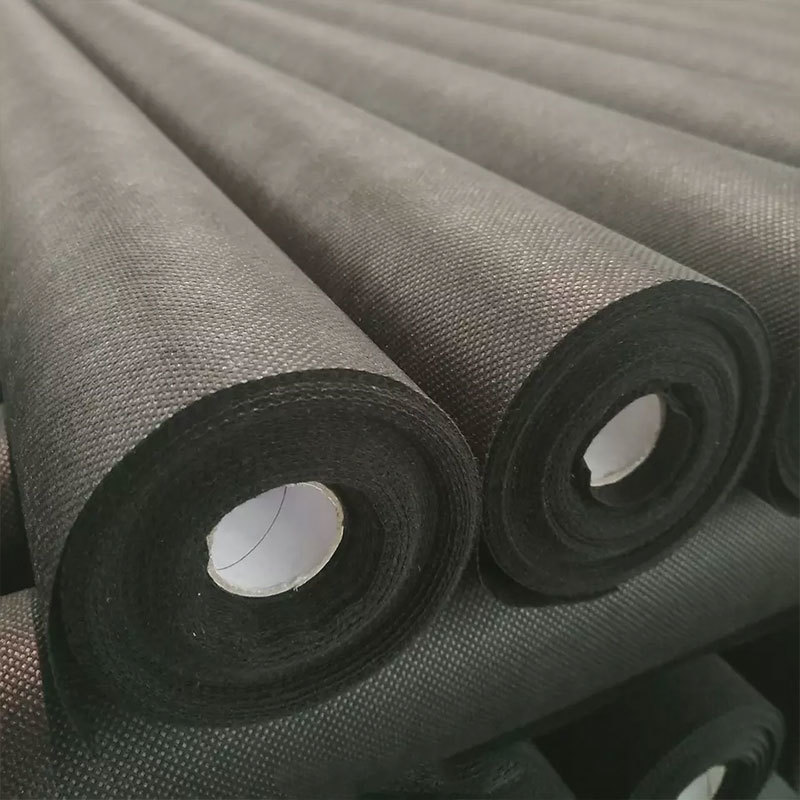
One of the defining features of polyester spunbond fabric is its strength and resilience. The fabric is produced by extruding polyester fibers that are then bonded together through heat and pressure. This process results in a fabric that is not only strong but also lightweight, making it suitable for applications where both durability and ease of handling are required. Additionally, polyester is inherently resistant to mold and mildew, making spunbond variations particularly valued in environments prone to moisture.
Another significant advantage of polyester spunbond fabric is its eco-friendliness. Polyester, being a synthetic fiber, can be produced from recycled materials, further minimizing its environmental footprint. The fabric is also recyclable, allowing for a more sustainable lifecycle compared to other textile materials. This characteristic appeals to environmentally conscious consumers and businesses looking to reduce waste and promote sustainability in their operations.
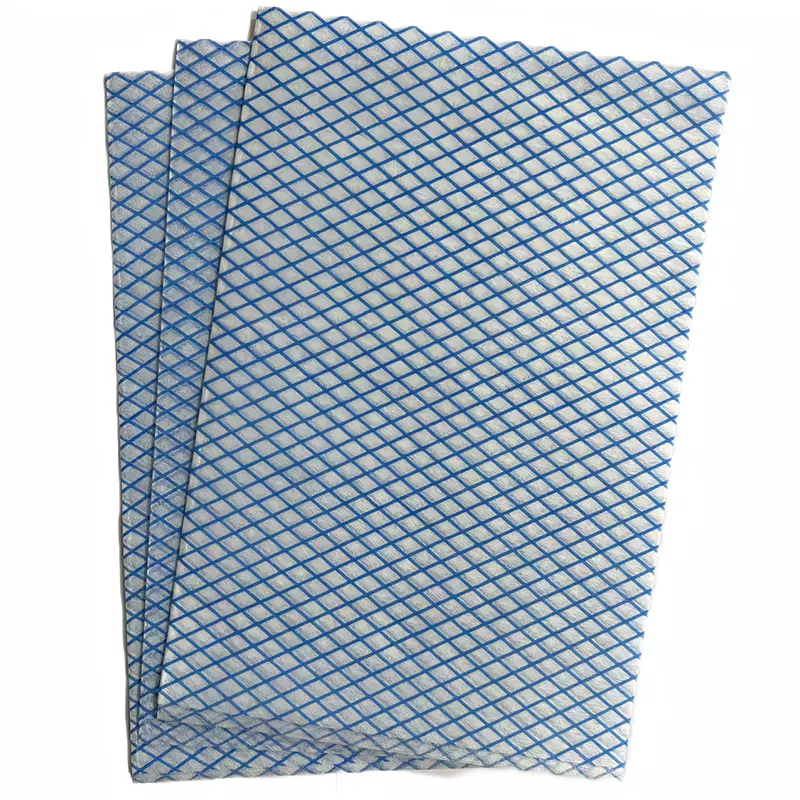
The applications of polyester spunbond fabric are diverse and span numerous industries. In the medical sector, for instance, it is used to create surgical gowns, drapes, and masks due to its barrier properties and comfort. In the construction industry, this fabric serves as a geotextile, providing separation and filtration for soil and other materials. The automotive industry also utilizes polyester spunbond fabric for interior components, insulation, and soundproofing applications.
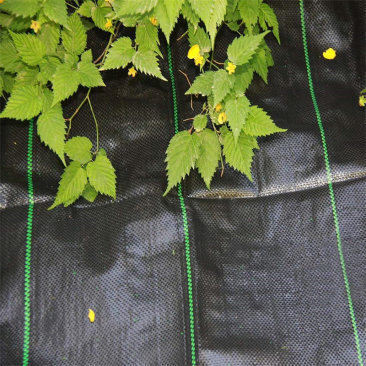
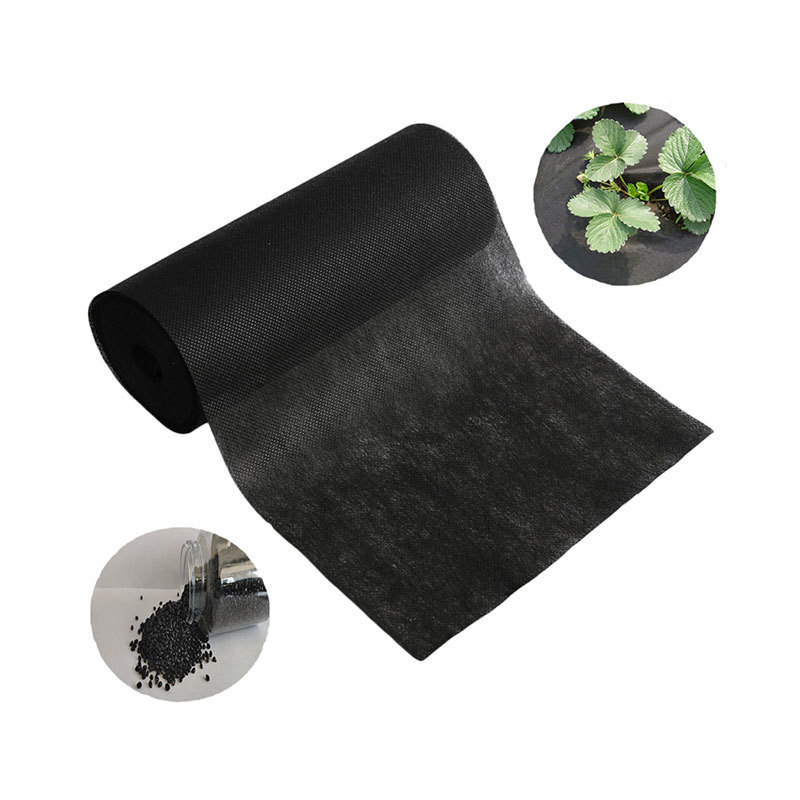
Moreover, the agricultural sector benefits from this versatile fabric as well. It is employed in crop covers, mulch films, and erosion control products, where its strength and water resistance contribute to improved crop yields and soil preservation. In the fashion and accessories industry, polyester spunbond fabric is used for bags, wallets, and other eco-friendly products, appealing to consumers seeking sustainable options.
In conclusion, polyester spunbond fabric is a remarkable material that combines durability, lightweight properties, and environmental consciousness. Its various applications across multiple industries highlight its versatility and growing importance in the textile world. As more businesses recognize the benefits of this innovative fabric, it is poised to play an increasingly vital role in the future of nonwoven textiles. Understanding these attributes will allow professionals to make informed decisions about incorporating polyester spunbond fabric into their products and processes, promoting both functionality and sustainability.
One of the defining features of polyester spunbond fabric is its strength and resilience. The fabric is produced by extruding polyester fibers that are then bonded together through heat and pressure. This process results in a fabric that is not only strong but also lightweight, making it suitable for applications where both durability and ease of handling are required. Additionally, polyester is inherently resistant to mold and mildew, making spunbond variations particularly valued in environments prone to moisture.
Another significant advantage of polyester spunbond fabric is its eco-friendliness. Polyester, being a synthetic fiber, can be produced from recycled materials, further minimizing its environmental footprint. The fabric is also recyclable, allowing for a more sustainable lifecycle compared to other textile materials. This characteristic appeals to environmentally conscious consumers and businesses looking to reduce waste and promote sustainability in their operations.
The applications of polyester spunbond fabric are diverse and span numerous industries. In the medical sector, for instance, it is used to create surgical gowns, drapes, and masks due to its barrier properties and comfort. In the construction industry, this fabric serves as a geotextile, providing separation and filtration for soil and other materials. The automotive industry also utilizes polyester spunbond fabric for interior components, insulation, and soundproofing applications.
Moreover, the agricultural sector benefits from this versatile fabric as well. It is employed in crop covers, mulch films, and erosion control products, where its strength and water resistance contribute to improved crop yields and soil preservation. In the fashion and accessories industry, polyester spunbond fabric is used for bags, wallets, and other eco-friendly products, appealing to consumers seeking sustainable options.
In conclusion, polyester spunbond fabric is a remarkable material that combines durability, lightweight properties, and environmental consciousness. Its various applications across multiple industries highlight its versatility and growing importance in the textile world. As more businesses recognize the benefits of this innovative fabric, it is poised to play an increasingly vital role in the future of nonwoven textiles. Understanding these attributes will allow professionals to make informed decisions about incorporating polyester spunbond fabric into their products and processes, promoting both functionality and sustainability.
polyester spunbond fabric

LEAVE A MESSAGE
MESSAGE