



11
2025
-
04
Transform Your Garden with Geotextile Landscape Fabric: A Comprehensive Guide
Transform Your Garden with Geotextile Landscape Fabric: A Comprehensive Guide Introduction to Geotextile Landscape Fabric Geotextile landscape fabric has emerged as a game-changer in the realm of gardening and landscaping. This innovative material offers a multitude of benefits that enhance the growth and maintenance of your garden. Utilizing geotextile fabrics not only helps in managing soil but

Transform Your Garden with Geotextile Landscape Fabric: A Comprehensive Guide
Introduction to Geotextile Landscape Fabric
Geotextile landscape fabric has emerged as a game-changer in the realm of gardening and landscaping. This innovative material offers a multitude of benefits that enhance the growth and maintenance of your garden. Utilizing geotextile fabrics not only helps in managing soil but also minimizes the impact of weeds, erosion, and water runoff. In this comprehensive guide, we will delve into the intricacies of geotextile landscape fabric, explaining its features, benefits, installation methods, and maintenance tips.
What is Geotextile Landscape Fabric?
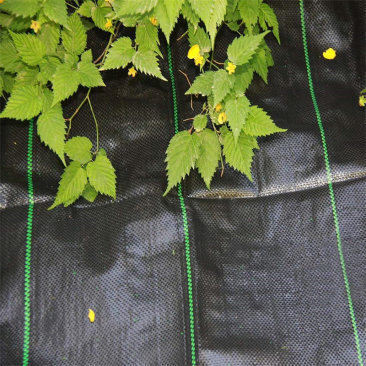
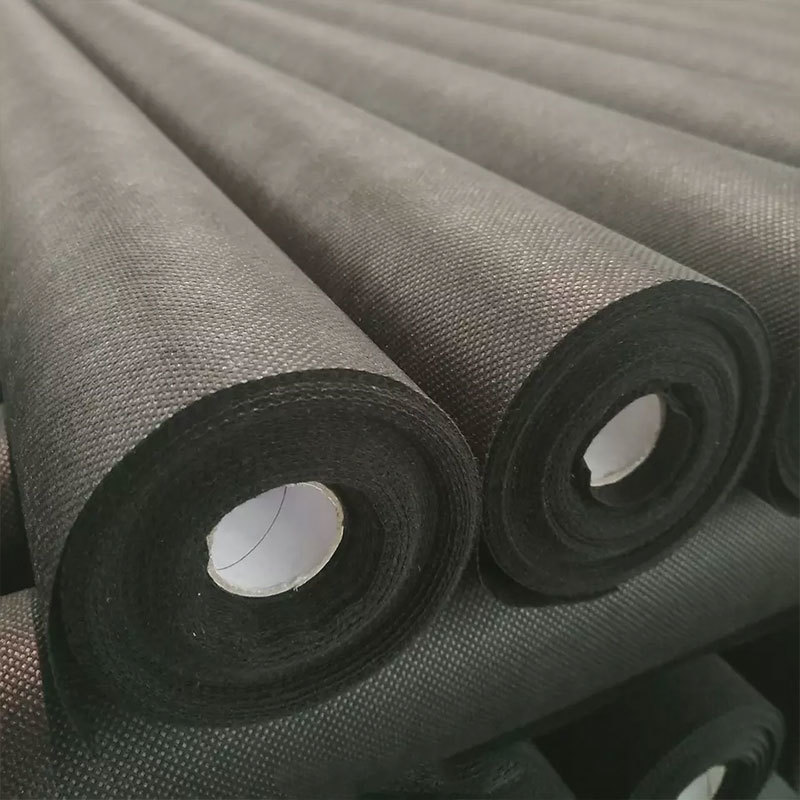
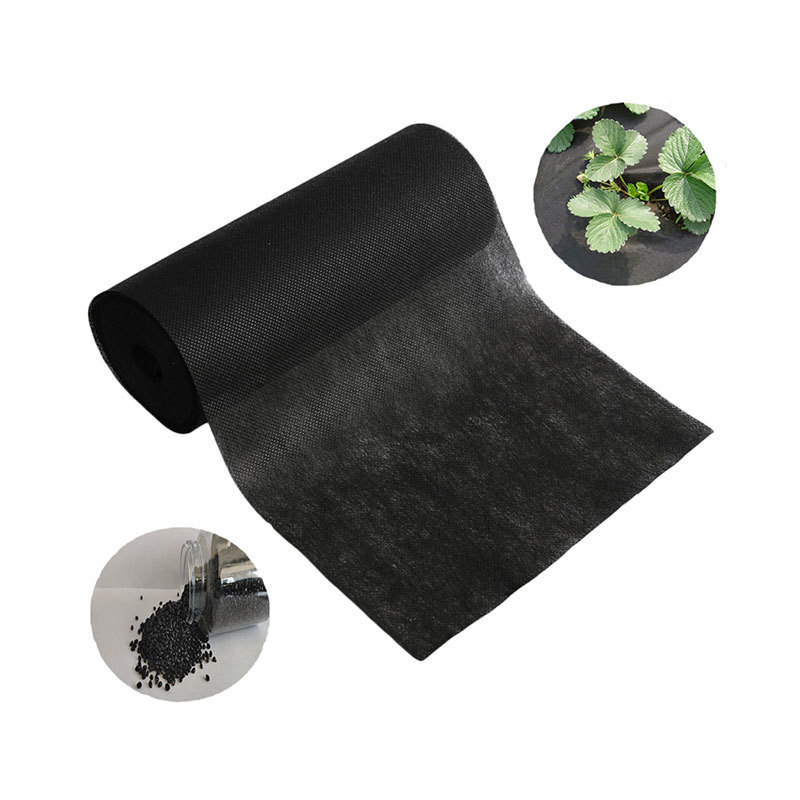
Geotextile landscape fabric is a permeable textile material made from synthetic fibers, designed specifically for landscaping and civil engineering applications. The fabric allows water, air, and nutrients to penetrate while preventing the growth of weeds. Available in various weights and compositions, geotextile fabrics can be tailored to meet specific gardening needs.
Types of Geotextile Landscape Fabric
Understanding the different types of geotextile landscape fabric is crucial to selecting the right one for your garden.
Woven Geotextiles
Woven geotextiles are made from interlaced synthetic fibers, providing excellent strength and durability. They are ideal for applications requiring high load-bearing capacity, such as under pathways or driveways.
Non-Woven Geotextiles
Non-woven geotextiles are manufactured by bonding fibers together, creating a soft, felt-like material. These fabrics excel at filtration and drainage, making them suitable for garden beds and erosion control.
Biodegradable Geotextiles
Biodegradable geotextiles are made from natural materials that decompose over time. While they provide short-term weed control and soil stabilization, they are perfect for eco-conscious gardeners looking for sustainable options.
Benefits of Using Geotextile Landscape Fabric in Your Garden
Incorporating geotextile landscape fabric into your gardening practices offers numerous advantages.
Weed Suppression
One of the primary benefits of geotextile fabric is its ability to suppress weeds effectively. By acting as a physical barrier, it minimizes weed growth, allowing your plants to thrive without competition for nutrients and sunlight.
Soil Erosion Control
Geotextile fabrics play a significant role in controlling soil erosion. They help retain soil in place, particularly on slopes, preventing runoff and loss of nutrients.
Improved Water Drainage
The permeability of geotextile landscape fabric ensures that water drains effectively while preventing soil saturation. This attribute is crucial for maintaining optimal moisture levels for your plants.
Enhanced Soil Quality
By preventing weed growth and promoting drainage, geotextile fabric contributes to improved soil quality. Healthy soil is vital for robust plant growth and overall garden health.
Versatility in Applications
Geotextile landscape fabric can be used in various applications, including garden beds, pathways, erosion control, and under gravel or mulch. Its versatility makes it suitable for both residential and commercial landscaping projects.
How to Install Geotextile Landscape Fabric
Proper installation of geotextile landscape fabric is essential for maximizing its benefits. Follow these steps for effective installation.
Step 1: Prepare the Area
Begin by clearing the area of any debris, rocks, or existing vegetation. Ensure the soil is level and free of sharp objects that could damage the fabric.
Step 2: Measure and Cut the Fabric
Measure the area where you plan to install the fabric. Cut the geotextile landscape fabric to size, leaving some excess material for overlapping seams if necessary.
Step 3: Lay the Fabric
Place the fabric over the prepared area, ensuring it lays flat without wrinkles. If using multiple pieces, overlap the edges by at least 12 inches to prevent weeds from seeping through.
Step 4: Anchor the Fabric
Secure the fabric in place using landscape staples or pins. Ensure that the staples penetrate the fabric and anchor it firmly to the ground.
Step 5: Add Mulch or Gravel
Once the fabric is secured, cover it with a layer of mulch, gravel, or soil. This additional layer protects the fabric from UV damage and enhances the aesthetic appeal of your garden.
Maintenance Tips for Geotextile Landscape Fabric
While geotextile landscape fabric is low maintenance, a few care tips can prolong its effectiveness.
Regular Inspections
Conduct periodic checks to ensure the fabric remains intact and free from debris. Remove any accumulated leaves or organic matter that could promote weed growth.
Replace When Necessary
Over time, geotextile fabrics may degrade due to exposure to sunlight and environmental conditions. Monitor the fabric and replace it as needed to maintain optimal performance.
Avoid Heavy Foot Traffic
Limit heavy foot traffic over the fabric to prevent damage. Create designated pathways using stones or bricks to encourage movement without compromising the fabric.
Common Misconceptions About Geotextile Landscape Fabric
Despite its many benefits, several misconceptions surround geotextile landscape fabric.
Misconception 1: It Causes Soil Compaction
Some believe that using geotextile fabric leads to soil compaction. However, when installed correctly, the fabric promotes drainage and air circulation, preventing compaction issues.
Misconception 2: It's Only for Large Projects
Many think geotextile fabric is only suitable for large-scale landscaping projects. In reality, it's equally beneficial for small gardens, raised beds, and DIY landscaping efforts.
FAQs About Geotextile Landscape Fabric
1. How long does geotextile landscape fabric last?
The lifespan of geotextile landscape fabric varies depending on the type and environmental conditions. Typically, woven fabrics last longer than non-woven options, with a lifespan ranging from 5 to 25 years.
2. Can I use geotextile fabric under grass?
Yes, geotextile landscape fabric can be used under grass to suppress weeds and improve drainage. However, ensure that the fabric is designed for such applications.
3. Is geotextile landscape fabric environmentally friendly?
Many options, including biodegradable geotextiles, are eco-friendly. Choose products made from recycled materials for a more sustainable choice.
4. Do I need to remove existing grass before laying fabric?
It is advisable to remove existing grass or weeds to prevent them from breaking through the fabric. Clear the area thoroughly before installation.
5. Can I plant directly on geotextile landscape fabric?
Yes, you can plant directly on the fabric, but it's essential to cut holes for the plants to ensure proper growth and access to nutrients.
Conclusion
Geotextile landscape fabric is a valuable asset for any gardener seeking to enhance their outdoor space. By understanding its benefits, installation techniques, and maintenance practices, we can effectively transform our gardens into flourishing landscapes. From weed suppression and erosion control to improved soil quality, the advantages of using geotextile fabrics are undeniable. Embrace this innovative material and enjoy the transformative impact it can have on your gardening journey.
geotextile landscape fabric

LEAVE A MESSAGE
MESSAGE