




14
2025
-
04
Understanding Garden Ground Cover Fabric: Essential Insights for Professionals
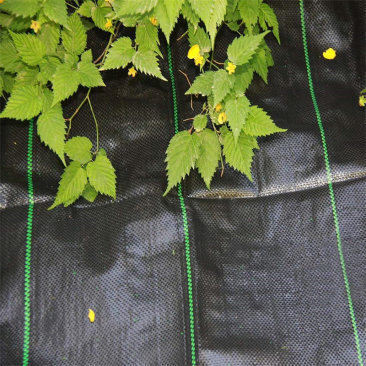
Garden ground cover fabric is an essential material in landscaping and construction, particularly in projects that require effective soil management and weed control. This type of fabric is designed to provide a protective barrier for soil while allowing water, air, and nutrients to reach plants. Its versatility makes it a popular choice among professionals in the building and decorative materials

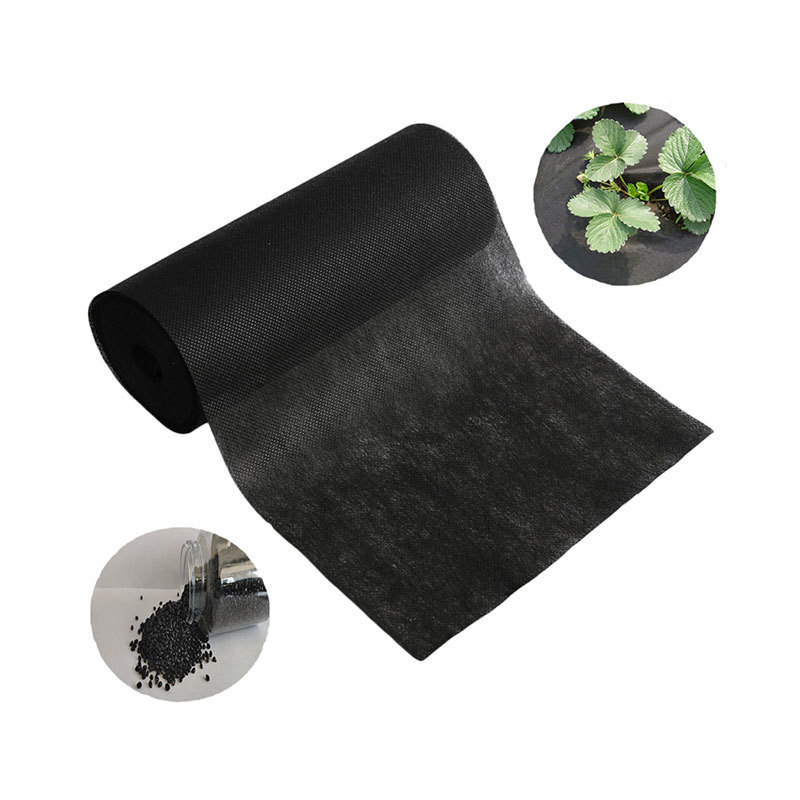
Garden ground cover fabric is an essential material in landscaping and construction, particularly in projects that require effective soil management and weed control. This type of fabric is designed to provide a protective barrier for soil while allowing water, air, and nutrients to reach plants. Its versatility makes it a popular choice among professionals in the building and decorative materials industry.
One of the primary benefits of garden ground cover fabric is its ability to suppress weed growth. By placing this fabric over the soil, the sunlight is blocked from reaching weed seeds, significantly reducing their chances of germination. This not only saves time and labor in maintaining gardens and landscaped areas but also enhances the overall aesthetic appeal of outdoor spaces by preventing unsightly weeds.
In addition to weed control, garden ground cover fabric helps in soil erosion prevention. When used on slopes or areas prone to runoff, the fabric stabilizes the soil and minimizes the impact of rainwater, which can wash away valuable topsoil. This feature is particularly beneficial in construction sites where soil integrity is crucial for the success of the project.
Moreover, garden ground cover fabric promotes better moisture retention in the soil. The fabric acts as a barrier that reduces evaporation, allowing plants to thrive even during dry conditions. This moisture retention is vital for establishing new plantings, ensuring that they receive adequate water without the need for constant irrigation.
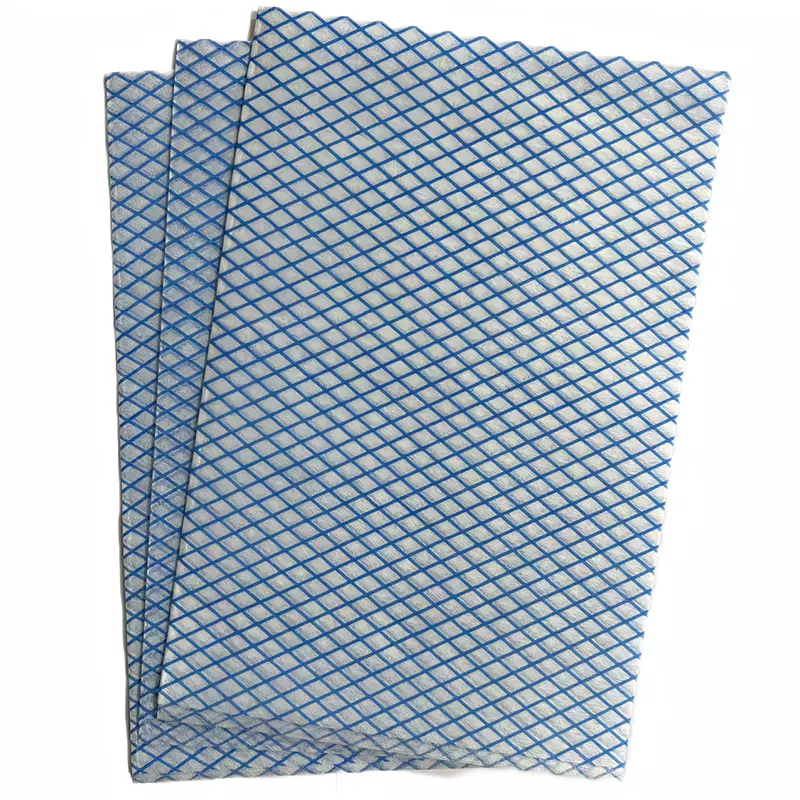
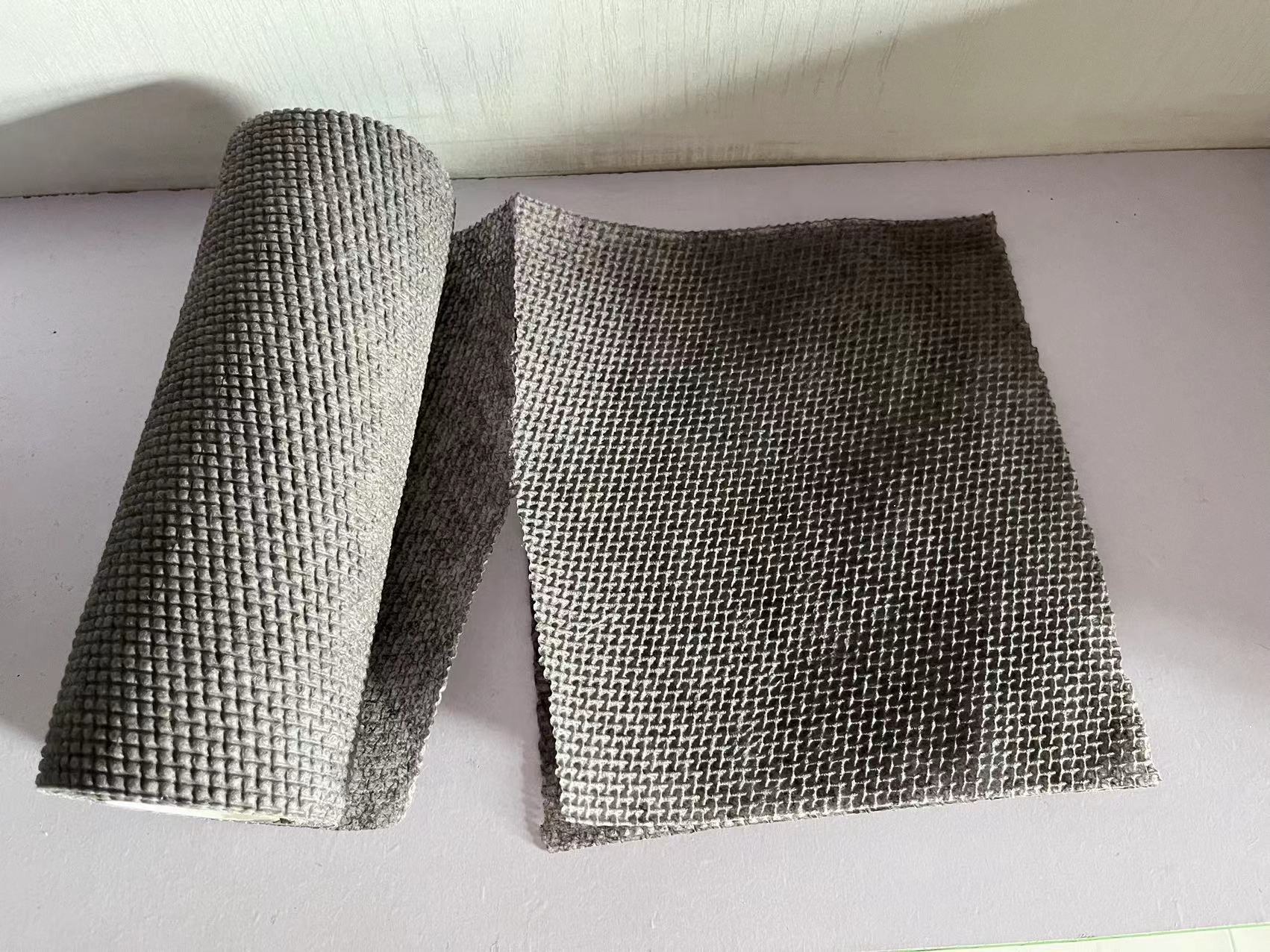
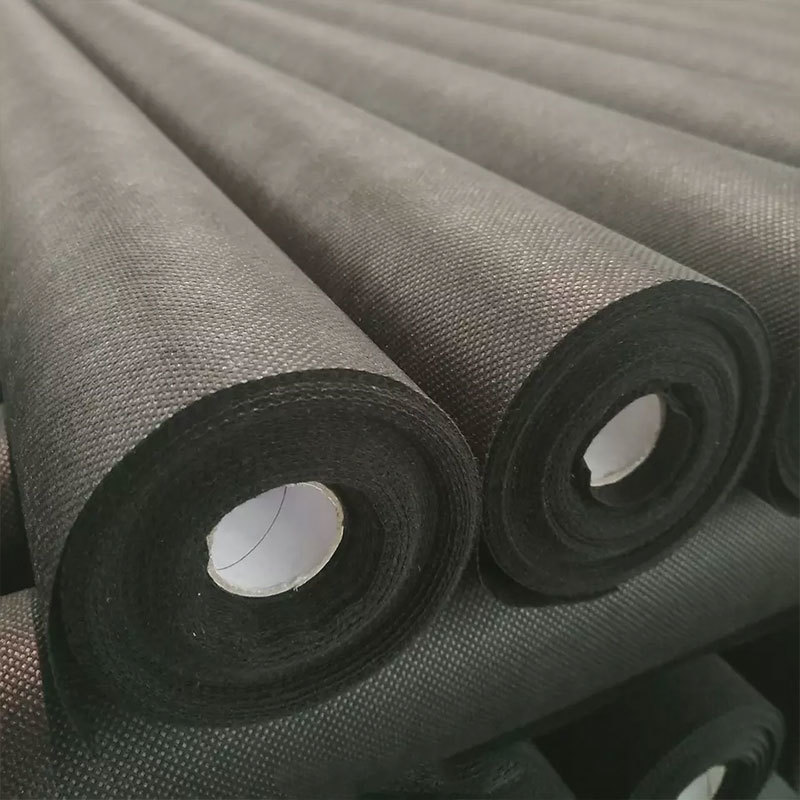
When selecting garden ground cover fabric, professionals should consider its material composition. Typically, fabrics are made from woven or non-woven polypropylene or polyester, each offering unique benefits. Woven fabrics are generally stronger and more durable, making them suitable for high-traffic areas, while non-woven options are often used for lightweight applications.
The installation of garden ground cover fabric is relatively straightforward, making it a practical choice for professionals. Proper installation involves clearing the area of debris, laying the fabric down smoothly, and securing it with landscape staples. Furthermore, it's essential to ensure that any seams are overlapped to prevent weed growth from emerging through gaps.
As environmental concerns continue to rise, many manufacturers are now offering eco-friendly options made from recycled materials. This shift towards sustainable practices not only meets the growing demand for environmentally conscious products but also aligns with the industry's move towards greener construction methods.
In conclusion, integrating garden ground cover fabric into landscaping and construction projects offers numerous advantages, including weed suppression, soil erosion control, and moisture retention. By understanding its applications and benefits, professionals can make informed decisions that enhance their project's success and sustainability.
One of the primary benefits of garden ground cover fabric is its ability to suppress weed growth. By placing this fabric over the soil, the sunlight is blocked from reaching weed seeds, significantly reducing their chances of germination. This not only saves time and labor in maintaining gardens and landscaped areas but also enhances the overall aesthetic appeal of outdoor spaces by preventing unsightly weeds.
In addition to weed control, garden ground cover fabric helps in soil erosion prevention. When used on slopes or areas prone to runoff, the fabric stabilizes the soil and minimizes the impact of rainwater, which can wash away valuable topsoil. This feature is particularly beneficial in construction sites where soil integrity is crucial for the success of the project.
Moreover, garden ground cover fabric promotes better moisture retention in the soil. The fabric acts as a barrier that reduces evaporation, allowing plants to thrive even during dry conditions. This moisture retention is vital for establishing new plantings, ensuring that they receive adequate water without the need for constant irrigation.
When selecting garden ground cover fabric, professionals should consider its material composition. Typically, fabrics are made from woven or non-woven polypropylene or polyester, each offering unique benefits. Woven fabrics are generally stronger and more durable, making them suitable for high-traffic areas, while non-woven options are often used for lightweight applications.
The installation of garden ground cover fabric is relatively straightforward, making it a practical choice for professionals. Proper installation involves clearing the area of debris, laying the fabric down smoothly, and securing it with landscape staples. Furthermore, it's essential to ensure that any seams are overlapped to prevent weed growth from emerging through gaps.
As environmental concerns continue to rise, many manufacturers are now offering eco-friendly options made from recycled materials. This shift towards sustainable practices not only meets the growing demand for environmentally conscious products but also aligns with the industry's move towards greener construction methods.
In conclusion, integrating garden ground cover fabric into landscaping and construction projects offers numerous advantages, including weed suppression, soil erosion control, and moisture retention. By understanding its applications and benefits, professionals can make informed decisions that enhance their project's success and sustainability.
garden ground cover fabric

LEAVE A MESSAGE
MESSAGE