



15
2025
-
04
Why Woven Ground Cover Fabric is Essential for Construction Projects
Why Woven Ground Cover Fabric is Essential for Construction Projects Introduction to Woven Ground Cover Fabric In the realm of construction and landscaping, selecting appropriate materials can significantly influence project outcomes. One such material gaining recognition for its versatility and effectiveness is **woven ground cover fabric**. This robust fabric serves multiple functions, providing

Why Woven Ground Cover Fabric is Essential for Construction Projects
Introduction to Woven Ground Cover Fabric
In the realm of construction and landscaping, selecting appropriate materials can significantly influence project outcomes. One such material gaining recognition for its versatility and effectiveness is **woven ground cover fabric**. This robust fabric serves multiple functions, providing essential support in various construction scenarios. In this article, we will delve into the myriad benefits of woven ground cover, its applications, and why it should be a staple in any construction project.
Understanding Woven Ground Cover Fabric
What is Woven Ground Cover Fabric?
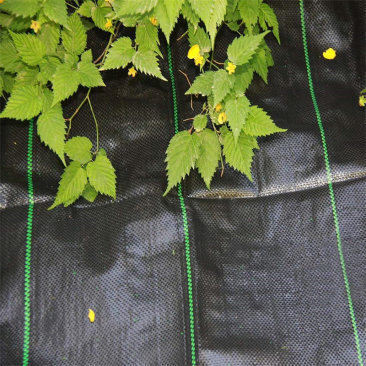
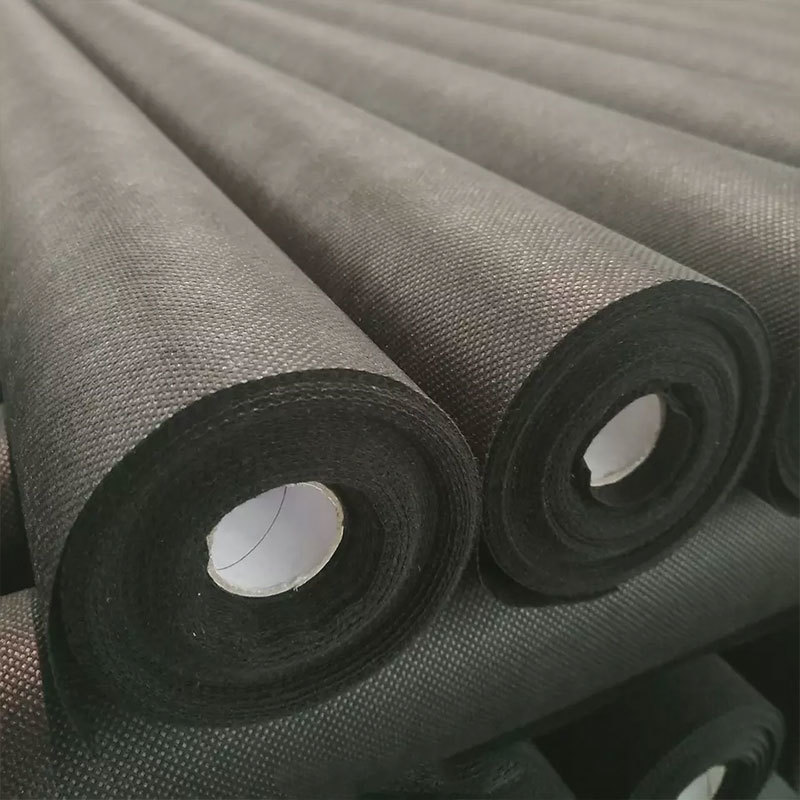
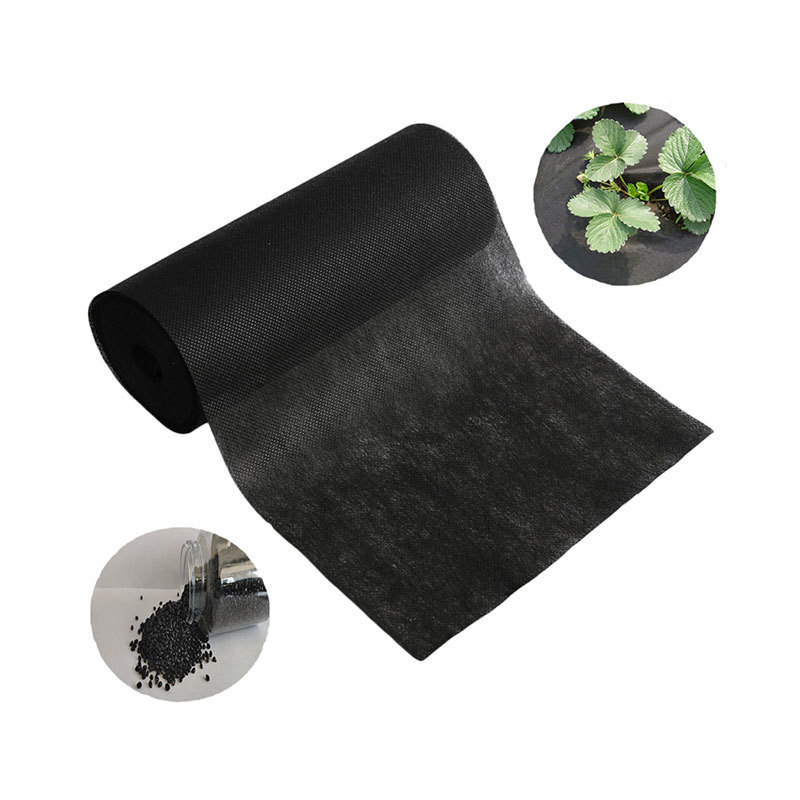
**Woven ground cover fabric** is a type of geotextile, typically made from polypropylene or polyester fibers. Unlike non-woven fabrics, which are made by bonding fibers together, woven fabrics are crafted by interlacing threads, creating a durable and strong material. This construction method imparts several advantageous properties, making it ideal for construction use.
Key Characteristics of Woven Ground Cover Fabric
1. **Durability**: Woven ground cover is designed to withstand harsh environmental conditions, ensuring longevity in both underground and surface applications.
2. **Water Permeability**: The woven structure allows for excellent drainage, preventing water accumulation which can lead to structural damage.
3. **Resistance to Pests and Weeds**: This fabric acts as a barrier against weeds while reducing the likelihood of pest infestations, thereby promoting healthier plant growth.
4. **UV Resistance**: Many woven fabrics are treated to resist ultraviolet rays, enhancing their lifespan when exposed to sunlight.
Applications of Woven Ground Cover Fabric in Construction
Site Preparation and Erosion Control
Woven ground cover fabric plays a pivotal role in **site preparation**. During the initial stages of construction, it helps stabilize soil, preventing erosion caused by wind and water. By covering exposed areas, the fabric minimizes soil displacement, ensuring the site remains intact while work is ongoing.
Landscape Applications
In landscaping projects, woven ground cover fabric is invaluable for controlling weed growth. Placing it beneath mulch or gravel creates a barrier that inhibits weeds while allowing water and nutrients to reach the soil. This application is particularly beneficial for garden beds and landscaped areas, ensuring that plants receive the necessary resources without competition from unwanted flora.
Drainage and Ground Stabilization
In areas prone to flooding or heavy rainfall, woven ground cover fabric acts as a **drainage layer**. By facilitating water movement through the fabric while preventing soil erosion, it aids in ground stabilization. This property is especially critical in road construction, where water flow can compromise the integrity of the surface.
Benefits of Using Woven Ground Cover Fabric
Cost-Effectiveness
Incorporating woven ground cover fabric into construction projects can lead to significant cost savings. By preventing soil erosion and minimizing the need for extensive landscaping maintenance, contractors can reduce both labor and materials costs. The durability of the fabric also means fewer replacements and repairs over time.
Enhanced Project Efficiency
Using woven ground cover fabric streamlines construction processes. With its ability to control erosion and manage water flow, projects can proceed without delays caused by weather-related issues. This efficiency is crucial for meeting deadlines and maintaining project budgets.
Environmental Benefits
Woven ground cover fabrics are often manufactured from recyclable materials, making them an environmentally friendly choice for construction. Their ability to reduce erosion and promote healthy plant growth also contributes positively to the surrounding ecosystem.
Choosing the Right Woven Ground Cover Fabric
Factors to Consider
When selecting woven ground cover fabric for construction projects, several factors should be considered:
1. **Fabric Weight**: Heavier fabrics are typically more durable and suitable for applications requiring additional strength.
2. **Permeability**: Assess the water permeability of the fabric to ensure it meets the drainage needs of your project.
3. **UV Resistance**: Choose UV-resistant options for outdoor applications to prolong the fabric's lifespan.
4. **Soil Compatibility**: Ensure that the fabric is compatible with the specific soil types on your project site.
Installation Tips for Woven Ground Cover Fabric
Proper installation is crucial for maximizing the benefits of woven ground cover fabric. Here are some tips to ensure effective placement:
1. **Prepare the Site**: Clear the area of debris, rocks, and vegetation before laying down the fabric.
2. **Overlap Seams**: When laying multiple pieces, overlap seams by at least 12 inches to prevent soil from seeping through.
3. **Secure the Fabric**: Use landscape staples or stakes to secure the fabric in place, especially on slopes or uneven terrain.
4. **Cover with Mulch**: Applying a layer of mulch or gravel on top of the fabric can enhance its effectiveness in weed control and erosion prevention.
Common Misconceptions About Woven Ground Cover Fabric
Myth 1: Woven Ground Cover Fabric is Only for Landscaping
While it is widely used in landscaping, its applications extend far beyond that. Woven ground cover is equally valuable in construction projects, site stabilization, and erosion control.
Myth 2: All Geotextiles are the Same
Not all geotextiles serve the same purpose. Woven fabrics are distinct from non-woven alternatives and offer unique benefits suitable for specific applications.
Frequently Asked Questions (FAQs)
What is the difference between woven and non-woven ground cover fabrics?
Woven ground cover fabrics are made by interlacing fibers, providing strength and durability, while non-woven fabrics are produced by bonding fibers together, offering different properties and uses.
Can woven ground cover fabric be reused?
Yes, if properly maintained and removed, woven ground cover fabric can often be reused in different projects, making it an economical choice.
How long does woven ground cover fabric last?
The lifespan of woven ground cover fabric varies based on the quality of the material and environmental conditions, but high-quality options can last several years.
Is woven ground cover fabric environmentally friendly?
Many woven ground cover fabrics are made from recyclable materials and contribute positively to the environment by preventing erosion and promoting healthy growth.
How do I maintain woven ground cover fabric?
Regularly inspect the fabric for damage and ensure it remains covered with mulch or gravel to maximize its effectiveness. Replace any sections that become worn or torn.
Conclusion
In summation, **woven ground cover fabric** is an indispensable component of modern construction and landscaping projects. Its unique properties of durability, water permeability, and pest resistance make it essential for efficient project execution. By understanding its applications and benefits, contractors and builders can leverage this material to enhance project outcomes, reduce costs, and promote environmental sustainability. Integrating woven ground cover fabric into your construction toolkit will undoubtedly lead to better results and long-term success.
woven ground cover fabric

LEAVE A MESSAGE
MESSAGE