




16
2025
-
04
The Essential Guide to Spunbond Polypropylene Fabric: Properties, Applications, and Benefits
Spunbond polypropylene fabric, a type of non-woven fabric, is created through a unique process that involves the extrusion of polypropylene fibers. These fibers are then laid out in a web-like structure and bonded together using heat and pressure. This manufacturing technique results in a fabric that is lightweight, durable, and highly resistant to various environmental factors, making it an excel

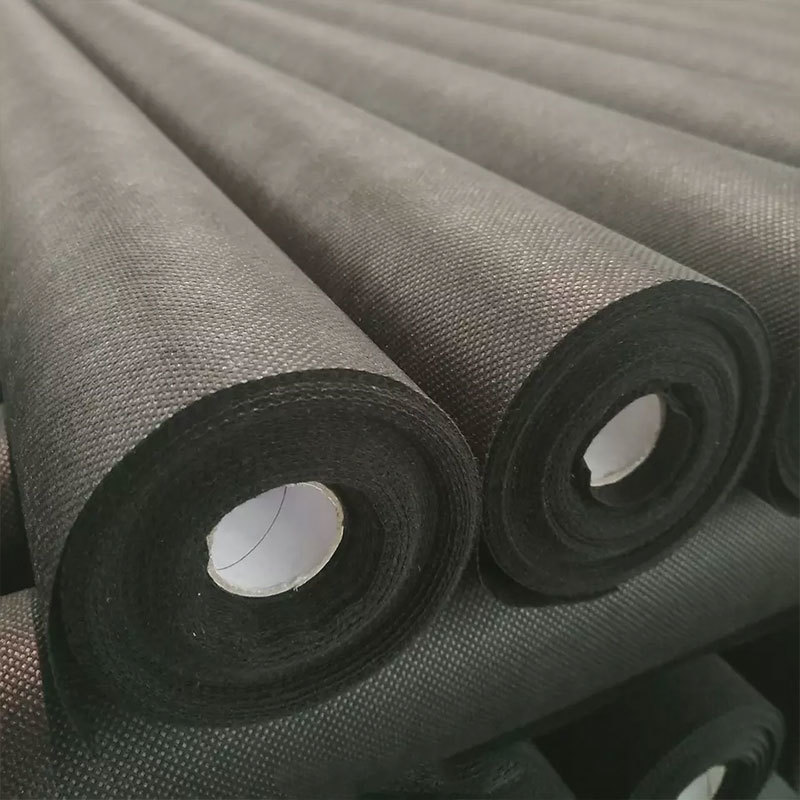
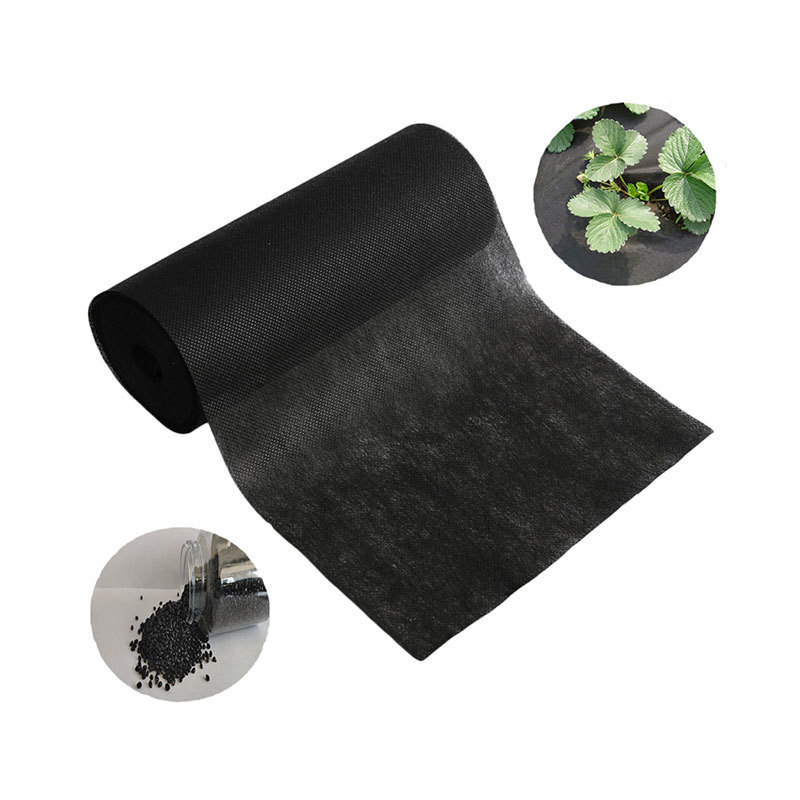
Spunbond polypropylene fabric, a type of non-woven fabric, is created through a unique process that involves the extrusion of polypropylene fibers. These fibers are then laid out in a web-like structure and bonded together using heat and pressure. This manufacturing technique results in a fabric that is lightweight, durable, and highly resistant to various environmental factors, making it an excellent choice for numerous applications.
One of the primary advantages of spunbond polypropylene fabric is its exceptional strength-to-weight ratio. Despite being lightweight, it exhibits a high tensile strength, making it suitable for applications that require durability without the bulk. This characteristic is particularly beneficial in industries such as agriculture, construction, and packaging, where robust materials are essential.
Additionally, spunbond polypropylene fabric is known for its water-resistant properties. This feature makes it an ideal choice for outdoor applications, including garden covers, tarps, and protective clothing. Furthermore, the fabric is resistant to various chemicals and UV rays, enhancing its longevity and performance in harsh environments.
Another noteworthy aspect of spunbond polypropylene fabric is its eco-friendliness. This material is recyclable and can be produced from recycled polypropylene, aligning with the growing demand for sustainable practices in the textile industry. As consumers become increasingly environmentally conscious, opting for spunbond polypropylene can be a responsible choice that contributes to reducing waste.
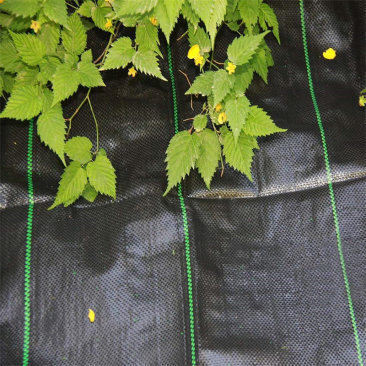
In terms of applications, spunbond polypropylene fabric is used in diverse sectors. In healthcare, it is commonly employed for making surgical gowns, drapes, and masks due to its barrier properties and ease of sterilization. In the agricultural sector, it is utilized for crop covers and weed control fabrics, helping farmers protect their yields while minimizing environmental impact.
The fabric’s versatility extends to the fashion industry as well, where it has been incorporated into innovative designs and eco-friendly clothing lines. As fashion trends lean towards sustainability, the use of spunbond polypropylene is likely to gain more popularity among designers seeking to reduce their environmental footprint.
In conclusion, spunbond polypropylene fabric is a remarkable material that offers a blend of strength, durability, and sustainability. Its wide-ranging applications across various industries make it a crucial component in modern textile solutions. Understanding its properties and potential can help industry professionals make informed decisions when selecting materials for their projects. As the demand for sustainable and efficient fabrics continues to rise, spunbond polypropylene fabric stands out as a leading choice in the textile landscape.
One of the primary advantages of spunbond polypropylene fabric is its exceptional strength-to-weight ratio. Despite being lightweight, it exhibits a high tensile strength, making it suitable for applications that require durability without the bulk. This characteristic is particularly beneficial in industries such as agriculture, construction, and packaging, where robust materials are essential.
Additionally, spunbond polypropylene fabric is known for its water-resistant properties. This feature makes it an ideal choice for outdoor applications, including garden covers, tarps, and protective clothing. Furthermore, the fabric is resistant to various chemicals and UV rays, enhancing its longevity and performance in harsh environments.
Another noteworthy aspect of spunbond polypropylene fabric is its eco-friendliness. This material is recyclable and can be produced from recycled polypropylene, aligning with the growing demand for sustainable practices in the textile industry. As consumers become increasingly environmentally conscious, opting for spunbond polypropylene can be a responsible choice that contributes to reducing waste.
In terms of applications, spunbond polypropylene fabric is used in diverse sectors. In healthcare, it is commonly employed for making surgical gowns, drapes, and masks due to its barrier properties and ease of sterilization. In the agricultural sector, it is utilized for crop covers and weed control fabrics, helping farmers protect their yields while minimizing environmental impact.
The fabric’s versatility extends to the fashion industry as well, where it has been incorporated into innovative designs and eco-friendly clothing lines. As fashion trends lean towards sustainability, the use of spunbond polypropylene is likely to gain more popularity among designers seeking to reduce their environmental footprint.
In conclusion, spunbond polypropylene fabric is a remarkable material that offers a blend of strength, durability, and sustainability. Its wide-ranging applications across various industries make it a crucial component in modern textile solutions. Understanding its properties and potential can help industry professionals make informed decisions when selecting materials for their projects. As the demand for sustainable and efficient fabrics continues to rise, spunbond polypropylene fabric stands out as a leading choice in the textile landscape.
spunbond polypropylene fabric

LEAVE A MESSAGE
MESSAGE