




18
2025
-
04
Effective Ground Fabric Weed Control: A Key Element in Construction and Landscaping
In the realm of construction and landscaping, managing weeds is a critical concern. Unchecked weed growth can lead to increased maintenance costs, hinder project timelines, and compromise the aesthetic appeal of outdoor spaces. This is where ground fabric weed control comes into play, serving as an effective barrier that provides numerous benefits for both contractors and property owners alike. Gr

In the realm of construction and landscaping, managing weeds is a critical concern. Unchecked weed growth can lead to increased maintenance costs, hinder project timelines, and compromise the aesthetic appeal of outdoor spaces. This is where ground fabric weed control comes into play, serving as an effective barrier that provides numerous benefits for both contractors and property owners alike.
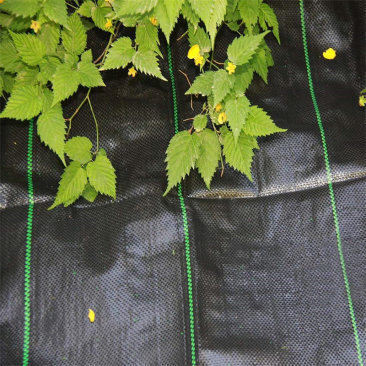
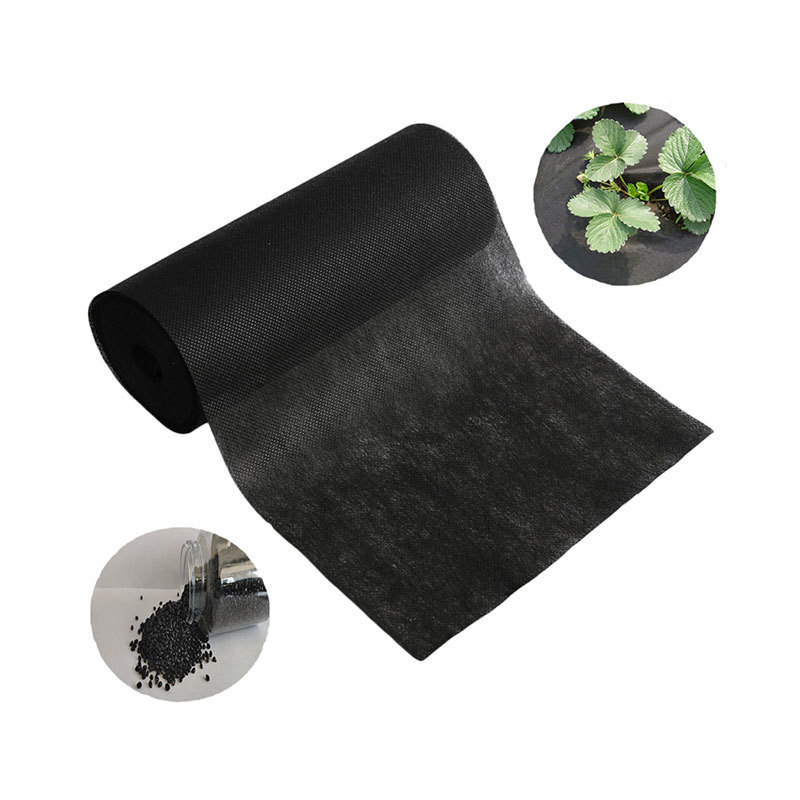
Ground fabric, often referred to as landscaping fabric or geotextile, is a permeable material designed to allow water, air, and nutrients to pass through while preventing weeds from breaking through the surface. Its primary function is to act as a physical barrier, inhibiting the growth of unwanted vegetation without the need for harmful chemicals. This not only promotes a healthier environment but also aligns with sustainable landscaping practices.
One of the most significant advantages of using ground fabric for weed control is its durability and longevity. High-quality fabrics are engineered to withstand harsh weather conditions while maintaining their structural integrity over time. This resilience means less frequent replacements and reduced labor costs associated with reapplying weed prevention measures. For construction sites, this durability translates to lower operational costs and increased project efficiency.
Moreover, ground fabric weed control simplifies the maintenance of landscaped areas. By effectively suppressing weed growth, it reduces the need for frequent manual weeding or chemical herbicides that can be harmful to the ecosystem. This allows landscaping professionals to focus their efforts on more critical tasks, such as planting, irrigation, and maintenance of desired plant species.
Another key benefit of ground fabric is its versatility. It can be used in various applications, from garden beds and pathways to commercial landscaping and erosion control on slopes. This adaptability makes it an essential tool for contractors who need reliable solutions across diverse project types.
In addition to its functional attributes, ground fabric can enhance the aesthetic appeal of a site. By creating a clean and organized appearance, it allows for better visibility of plants and flowers, contributing to the overall beauty of the project. Clients and property owners often appreciate this attention to detail, leading to higher satisfaction rates.
In conclusion, ground fabric weed control is an indispensable component of modern construction and landscaping practices. Its ability to prevent weed growth effectively, combined with its durability and environmental benefits, makes it a valuable resource for professionals in the industry. Investing in ground fabric not only enhances project efficiency but also supports sustainable practices that align with today’s ecological standards. For anyone involved in construction or landscaping, understanding the advantages of ground fabric weed control can lead to better project outcomes and increased client satisfaction.
Ground fabric, often referred to as landscaping fabric or geotextile, is a permeable material designed to allow water, air, and nutrients to pass through while preventing weeds from breaking through the surface. Its primary function is to act as a physical barrier, inhibiting the growth of unwanted vegetation without the need for harmful chemicals. This not only promotes a healthier environment but also aligns with sustainable landscaping practices.
One of the most significant advantages of using ground fabric for weed control is its durability and longevity. High-quality fabrics are engineered to withstand harsh weather conditions while maintaining their structural integrity over time. This resilience means less frequent replacements and reduced labor costs associated with reapplying weed prevention measures. For construction sites, this durability translates to lower operational costs and increased project efficiency.
Moreover, ground fabric weed control simplifies the maintenance of landscaped areas. By effectively suppressing weed growth, it reduces the need for frequent manual weeding or chemical herbicides that can be harmful to the ecosystem. This allows landscaping professionals to focus their efforts on more critical tasks, such as planting, irrigation, and maintenance of desired plant species.
Another key benefit of ground fabric is its versatility. It can be used in various applications, from garden beds and pathways to commercial landscaping and erosion control on slopes. This adaptability makes it an essential tool for contractors who need reliable solutions across diverse project types.
In addition to its functional attributes, ground fabric can enhance the aesthetic appeal of a site. By creating a clean and organized appearance, it allows for better visibility of plants and flowers, contributing to the overall beauty of the project. Clients and property owners often appreciate this attention to detail, leading to higher satisfaction rates.
In conclusion, ground fabric weed control is an indispensable component of modern construction and landscaping practices. Its ability to prevent weed growth effectively, combined with its durability and environmental benefits, makes it a valuable resource for professionals in the industry. Investing in ground fabric not only enhances project efficiency but also supports sustainable practices that align with today’s ecological standards. For anyone involved in construction or landscaping, understanding the advantages of ground fabric weed control can lead to better project outcomes and increased client satisfaction.
ground fabric weed control

LEAVE A MESSAGE
MESSAGE