


19
2025
-
04
Why Choose PP Nonwoven Fabric for Sustainable Solutions? Discover the Benefits and Applications
Why Choose PP Nonwoven Fabric for Sustainable Solutions? In an era where sustainability is at the forefront of consumer consciousness, industries are seeking materials that align with eco-friendly practices. Among the plethora of options available, polypropylene (PP) nonwoven fabric emerges as a frontrunner. This article will explore the numerous benefits, applications, and reasons why PP nonwoven

Why Choose PP Nonwoven Fabric for Sustainable Solutions?
In an era where sustainability is at the forefront of consumer consciousness, industries are seeking materials that align with eco-friendly practices. Among the plethora of options available, polypropylene (PP) nonwoven fabric emerges as a frontrunner. This article will explore the numerous benefits, applications, and reasons why PP nonwoven fabric is increasingly becoming the fabric of choice for sustainable solutions.
Understanding PP Nonwoven Fabric
Before diving into its sustainable benefits, let's take a moment to understand what PP nonwoven fabric is. This fabric is made from polypropylene, a thermoplastic polymer that is widely used in various applications due to its strength, durability, and lightweight properties.
The Composition of PP Nonwoven Fabric
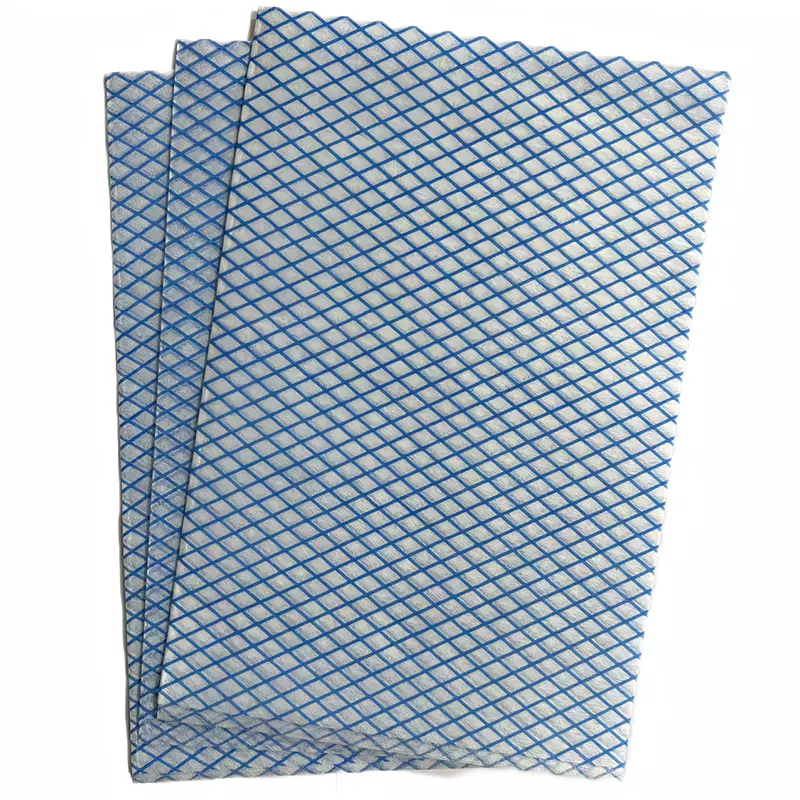
PP nonwoven fabric is composed of synthetic fibers that are bonded together through mechanical, thermal, or chemical means, leading to a fabric that is both strong and versatile. Unlike traditional woven fabrics, nonwoven fabrics do not require spinning or weaving processes, which contributes to their efficiency and cost-effectiveness.
Key Features of PP Nonwoven Fabric
- **Durability**: PP nonwoven fabric is known for its resistance to tears and punctures, making it suitable for a wide range of applications.
- **Lightweight**: This fabric is lightweight, which translates to lower transportation costs and easier handling.
- **Breathability**: The porous nature of PP nonwoven fabric allows for air circulation while still providing protection, making it ideal for applications requiring breathability.
- **Hydrophobic**: With its water-resistant properties, PP nonwoven fabric is resistant to moisture, which enhances its durability and usability in various environments.
Environmental Benefits of PP Nonwoven Fabric
As we shift towards greener solutions, it’s crucial to understand the environmental advantages that PP nonwoven fabric offers.
1. Reusability and Recyclability
One of the most compelling reasons to choose PP nonwoven fabric is its potential for reusability and recyclability. Unlike many materials that end up in landfills, PP nonwoven fabric can be recycled multiple times without losing its integrity. This characteristic not only reduces waste but also conserves natural resources.
2. Reduced Carbon Footprint
The production process of polypropylene nonwoven fabric is less energy-intensive compared to traditional textiles. This reduced energy consumption translates to a smaller carbon footprint, making it a more environmentally friendly choice.
3. Biodegradability
While PP nonwoven fabrics are primarily synthetic, advancements in technology have led to the creation of biodegradable variants. These options break down more readily in the environment, presenting a solution to the ever-growing problem of plastic waste.
4. Water Conservation
The process of manufacturing PP nonwoven fabric requires significantly less water than cotton production. As water scarcity becomes a pressing global issue, opting for PP nonwoven fabric can help in conserving this invaluable resource.
Applications of PP Nonwoven Fabric
The versatility of PP nonwoven fabric allows it to be utilized in a multitude of industries, from healthcare to agriculture.
1. Healthcare Industry
In healthcare settings, PP nonwoven fabric is widely used for surgical gowns, masks, and drapes. Its breathable yet protective nature makes it ideal for maintaining hygiene and safety. Additionally, the nonwoven fabric can be disposed of after a single use, further reducing the risk of contamination.
2. Agriculture
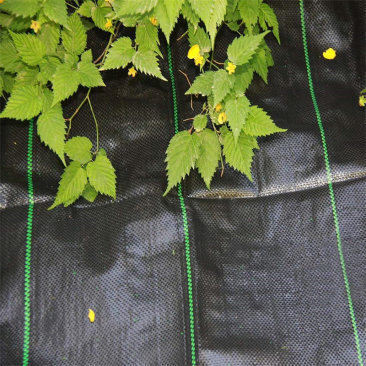
Farmers are increasingly turning to PP nonwoven fabric for crop protection and soil management. It acts as a barrier against pests while allowing air and moisture to penetrate, promoting healthier crops. Furthermore, it can be reused for multiple growing seasons, assisting in sustainable agricultural practices.
3. Hygiene Products
The hygiene sector utilizes PP nonwoven fabric in products such as diapers, feminine hygiene products, and adult incontinence pads. The fabric’s softness, combined with its waterproof and breathable characteristics, ensures comfort and protection for users.
4. Geotextiles
In civil engineering, PP nonwoven fabric serves as geotextiles for soil stabilization and erosion control. This application not only enhances the durability of infrastructure but also protects the environment by preventing soil degradation.
5. Packaging Solutions
Sustainable packaging is a growing concern, and PP nonwoven fabric is stepping up to the challenge. Its durability and lightweight properties make it an excellent choice for reusable shopping bags, eliminating the need for single-use plastic bags.
PP Nonwoven Fabric vs. Traditional Textiles
When comparing PP nonwoven fabric to traditional textiles, several factors come into play.
1. Production Efficiency
The manufacturing process of PP nonwoven fabric is significantly more efficient. With the elimination of weaving or knitting, production times are shorter, and there is less waste generated during the process.
2. Cost-Effectiveness
PP nonwoven fabrics are generally more cost-effective than traditional textiles, making them an attractive option for businesses looking to reduce operational costs while adhering to sustainable practices.
3. Environmental Impact
Traditional textiles, particularly those made from cotton or polyester, often require more water and energy for production. In contrast, the environmental impact of PP nonwoven fabric is considerably lower, making it a more sustainable choice overall.
Challenges and Considerations
While there are numerous advantages to PP nonwoven fabric, it is essential to consider some challenges associated with its use and disposal.
1. Microplastic Concerns
As a synthetic material, polypropylene can contribute to microplastic pollution if not disposed of properly. Consumers should be educated on responsible disposal methods to mitigate this issue.
2. Perception and Acceptance
Despite its benefits, some consumers may still favor natural fibers over synthetic options due to preconceived notions about sustainability. Education and awareness campaigns can help shift these perceptions.
3. Limited Biodegradability
While biodegradable options exist, many PP nonwoven fabrics are not biodegradable. Manufacturers and consumers must prioritize sourcing biodegradable products to minimize environmental impact.
Frequently Asked Questions (FAQs)
1. Is PP nonwoven fabric environmentally friendly?
Yes, PP nonwoven fabric offers several environmental benefits, including recyclability, reduced water consumption, and lower carbon emissions during production.
2. Can PP nonwoven fabric be recycled?
Absolutely! PP nonwoven fabric can be recycled multiple times, contributing to a circular economy and reducing waste.
3. What are the main applications of PP nonwoven fabric?
PP nonwoven fabric is used in various applications, including healthcare, agriculture, hygiene products, geotextiles, and sustainable packaging solutions.
4. How does PP nonwoven fabric compare to cotton?
PP nonwoven fabric has a lower environmental impact in terms of water and energy usage compared to cotton. It is also more cost-effective to produce.
5. Are there any health concerns associated with PP nonwoven fabric?
PP nonwoven fabric is generally safe for use in healthcare and hygiene products. However, consumers should ensure they are sourcing materials from reputable manufacturers.
Conclusion
In conclusion, **PP nonwoven fabric** stands out as a compelling choice for those seeking sustainable solutions. Its unique properties, combined with the growing demand for eco-friendly materials, make it a forward-thinking option for various industries. By understanding the benefits, applications, and challenges associated with PP nonwoven fabric, businesses and consumers alike can make informed choices that align with sustainability goals. Embracing this innovative fabric not only aids in reducing environmental impact but also paves the way for a greener future.
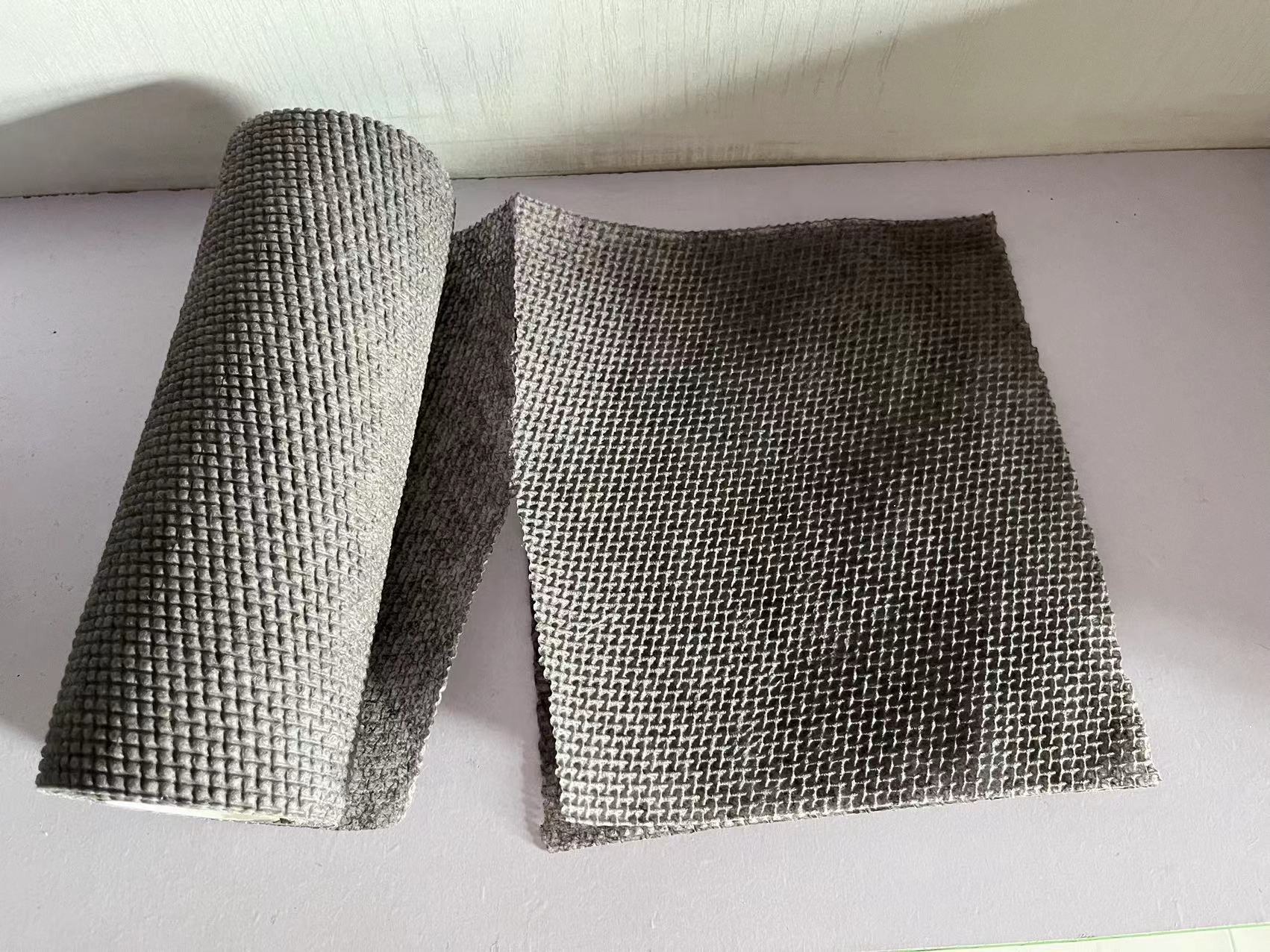
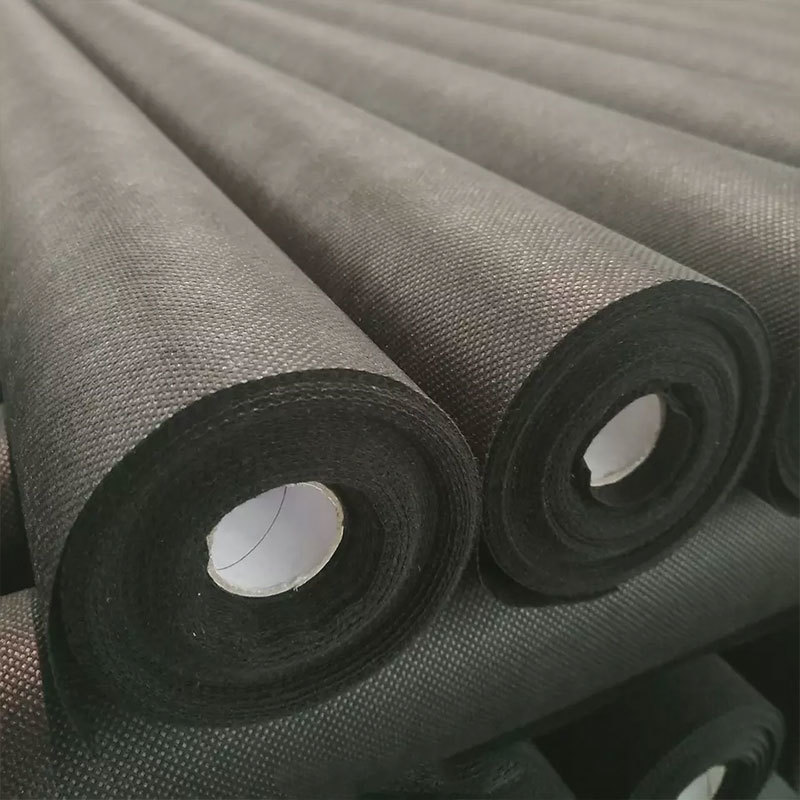
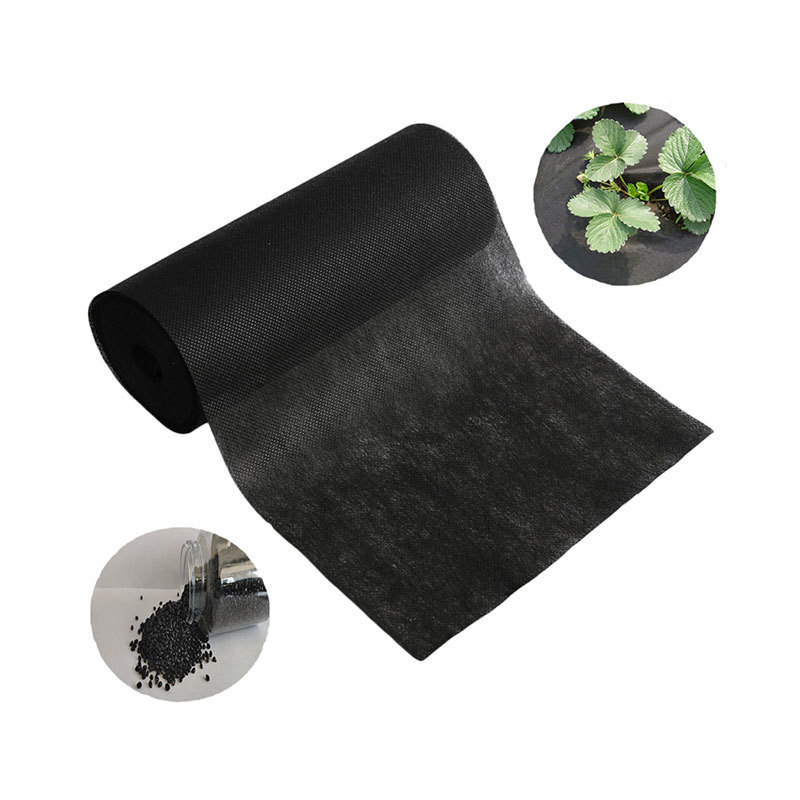
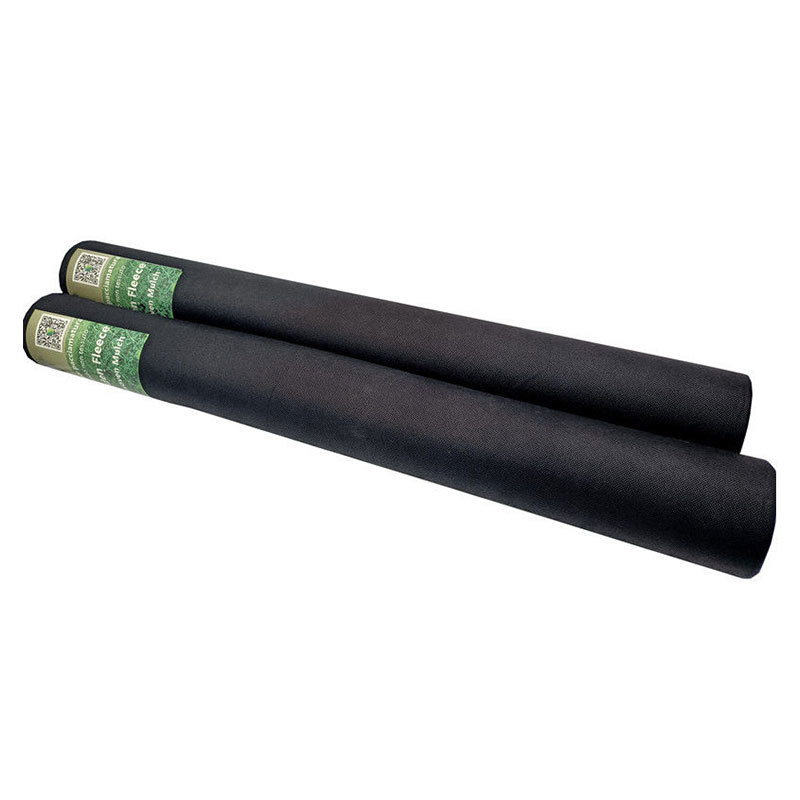
PP nonwoven fabric

LEAVE A MESSAGE
MESSAGE