



20
2025
-
04
Exploring the Versatility of Polypropylene Nonwoven Fabric in Modern Applications
Polypropylene nonwoven fabric is a synthetic material made from a thermoplastic polymer known as polypropylene. This fabric is produced through a process that intertwines fibers without the need for weaving or knitting, resulting in a lightweight and durable product. Its unique characteristics make it an excellent choice for a wide range of applications, from medical supplies to consumer goods. On

Polypropylene nonwoven fabric is a synthetic material made from a thermoplastic polymer known as polypropylene. This fabric is produced through a process that intertwines fibers without the need for weaving or knitting, resulting in a lightweight and durable product. Its unique characteristics make it an excellent choice for a wide range of applications, from medical supplies to consumer goods.
One of the standout features of polypropylene nonwoven fabric is its impressive strength-to-weight ratio. This means that despite being lightweight, it is notably strong and resilient, making it ideal for applications where durability is crucial. For instance, it is commonly used in hygiene products, such as diapers and feminine hygiene items, where strength and absorbency are essential. Additionally, its resistance to moisture and chemicals further enhances its appeal in various fields, including agriculture and construction.
Another significant advantage of polypropylene nonwoven fabric is its breathability. The nonwoven structure allows air and moisture to pass through, which is particularly beneficial in medical applications. Surgical masks and gowns made from this fabric provide adequate protection while ensuring comfort for the wearer. Furthermore, its hypoallergenic properties make it suitable for sensitive skin, further expanding its use in healthcare settings.
Moreover, the environmental impact of polypropylene nonwoven fabric is an increasingly important consideration. While polypropylene is derived from fossil fuels, the nonwoven fabric can be designed to be recyclable and biodegradable in certain contexts. Innovations in manufacturing processes are leading to more sustainable production methods, allowing for the reduction of waste and promoting eco-friendly practices. As industries strive to adopt greener solutions, polypropylene nonwoven fabric stands out as a material that can meet these demands.
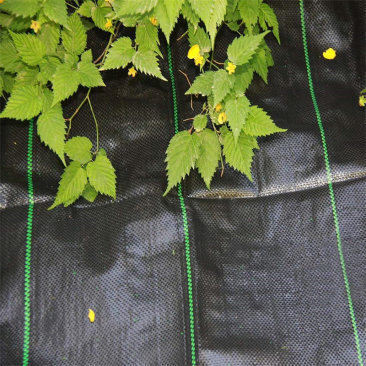
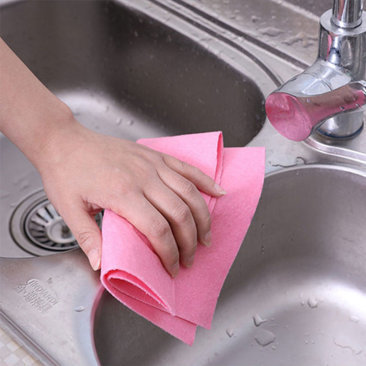
The versatility of polypropylene nonwoven fabric extends beyond medical and hygiene products. Its applications include home textiles, geotextiles for soil stabilization, and packaging materials. The fabric can be treated with various additives to enhance features such as UV resistance and flame retardancy, making it adaptable to specific needs across different sectors.
In summary, polypropylene nonwoven fabric is a remarkable material that combines strength, breathability, and versatility, making it integral to numerous applications. As industries continue to innovate and prioritize sustainability, the role of polypropylene nonwoven fabric is likely to expand, offering practical solutions while addressing environmental concerns. Understanding its properties and applications can provide valuable insights for anyone involved in the textile industry, particularly in the realm of nonwoven fabrics.
One of the standout features of polypropylene nonwoven fabric is its impressive strength-to-weight ratio. This means that despite being lightweight, it is notably strong and resilient, making it ideal for applications where durability is crucial. For instance, it is commonly used in hygiene products, such as diapers and feminine hygiene items, where strength and absorbency are essential. Additionally, its resistance to moisture and chemicals further enhances its appeal in various fields, including agriculture and construction.
Another significant advantage of polypropylene nonwoven fabric is its breathability. The nonwoven structure allows air and moisture to pass through, which is particularly beneficial in medical applications. Surgical masks and gowns made from this fabric provide adequate protection while ensuring comfort for the wearer. Furthermore, its hypoallergenic properties make it suitable for sensitive skin, further expanding its use in healthcare settings.
Moreover, the environmental impact of polypropylene nonwoven fabric is an increasingly important consideration. While polypropylene is derived from fossil fuels, the nonwoven fabric can be designed to be recyclable and biodegradable in certain contexts. Innovations in manufacturing processes are leading to more sustainable production methods, allowing for the reduction of waste and promoting eco-friendly practices. As industries strive to adopt greener solutions, polypropylene nonwoven fabric stands out as a material that can meet these demands.
The versatility of polypropylene nonwoven fabric extends beyond medical and hygiene products. Its applications include home textiles, geotextiles for soil stabilization, and packaging materials. The fabric can be treated with various additives to enhance features such as UV resistance and flame retardancy, making it adaptable to specific needs across different sectors.
In summary, polypropylene nonwoven fabric is a remarkable material that combines strength, breathability, and versatility, making it integral to numerous applications. As industries continue to innovate and prioritize sustainability, the role of polypropylene nonwoven fabric is likely to expand, offering practical solutions while addressing environmental concerns. Understanding its properties and applications can provide valuable insights for anyone involved in the textile industry, particularly in the realm of nonwoven fabrics.
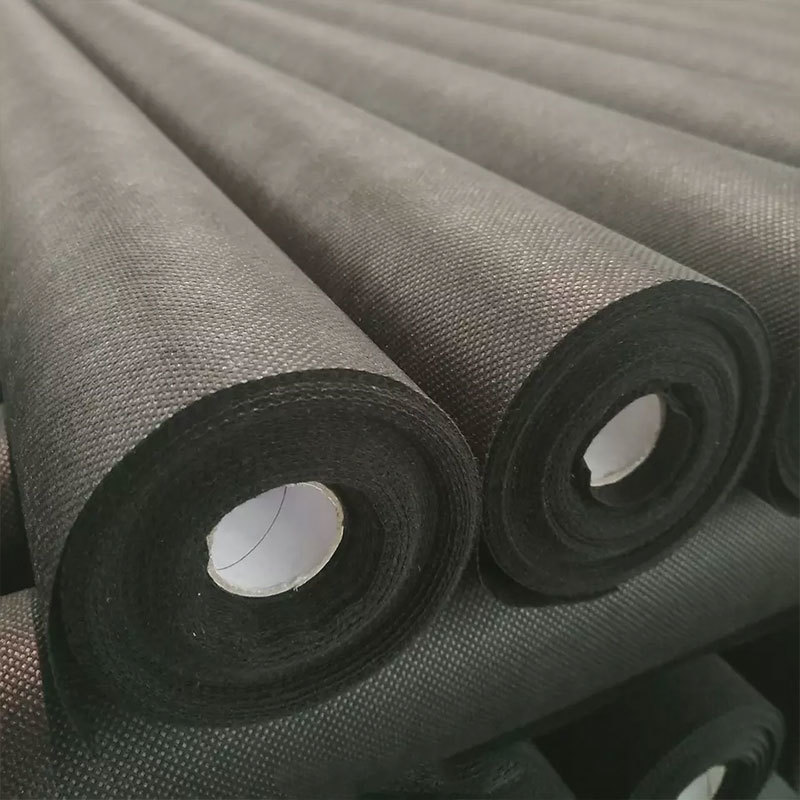
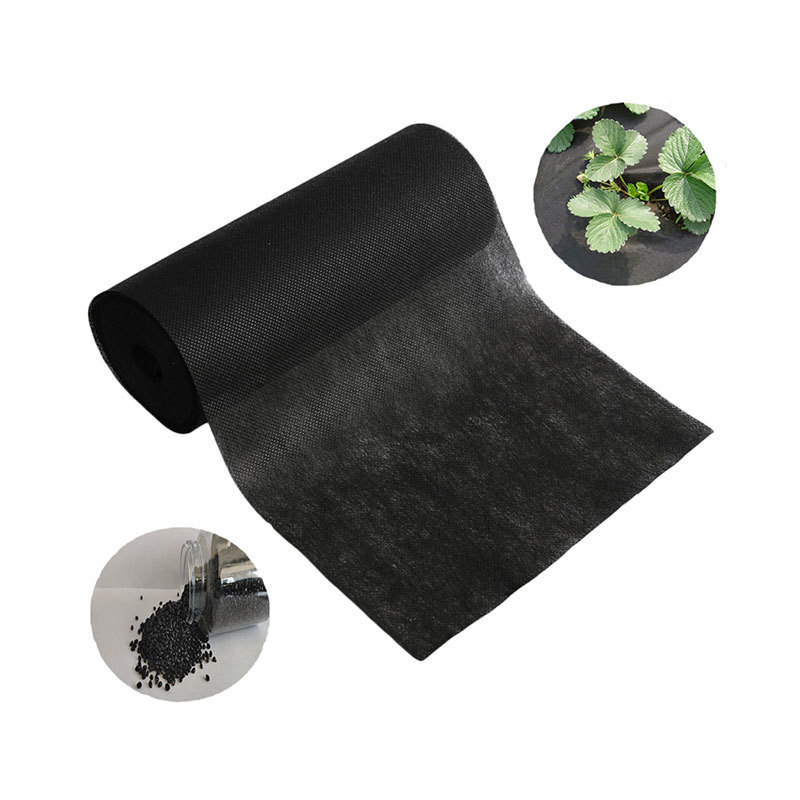
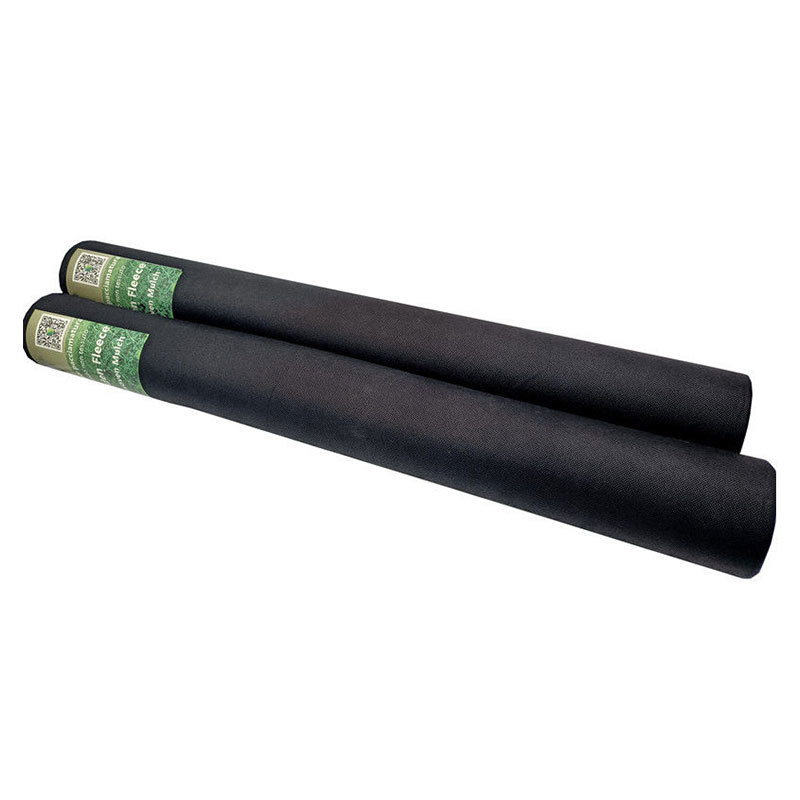
Polypropylene nonwoven fabric

LEAVE A MESSAGE
MESSAGE