




21
2025
-
04
Why Spunbond Nonwoven Fabric is Essential for Modern Textiles: Unveiling Its Versatility and Applications
Why Spunbond Nonwoven Fabric is Essential for Modern Textiles Introduction to Spunbond Nonwoven Fabric Spunbond nonwoven fabric has revolutionized the textile industry by offering a versatile, durable, and cost-effective solution for various applications. Unlike traditional fabrics woven from threads, spunbond nonwoven fabric is created through a unique process that involves bonding synthetic fibe

Why Spunbond Nonwoven Fabric is Essential for Modern Textiles
Introduction to Spunbond Nonwoven Fabric
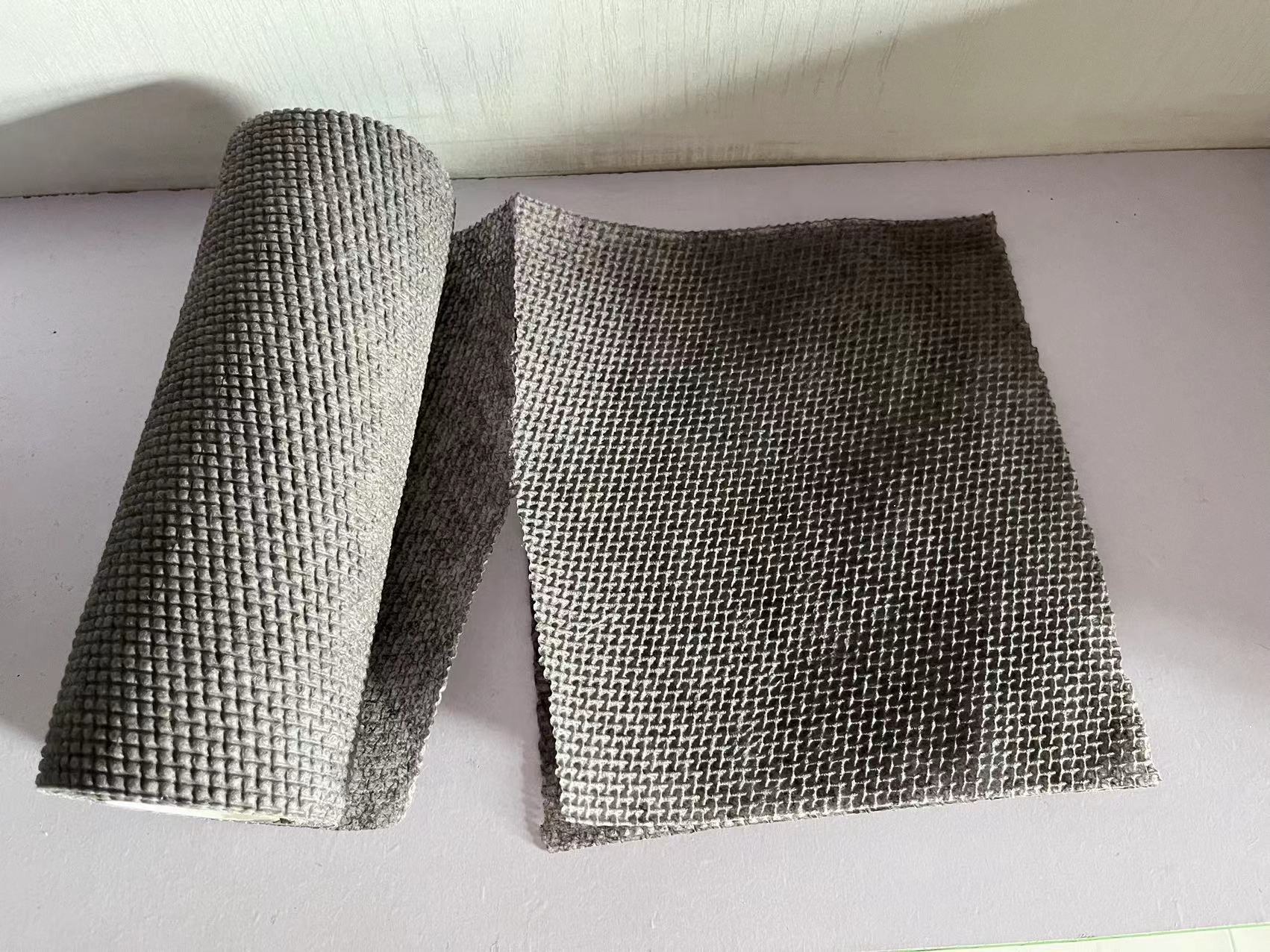
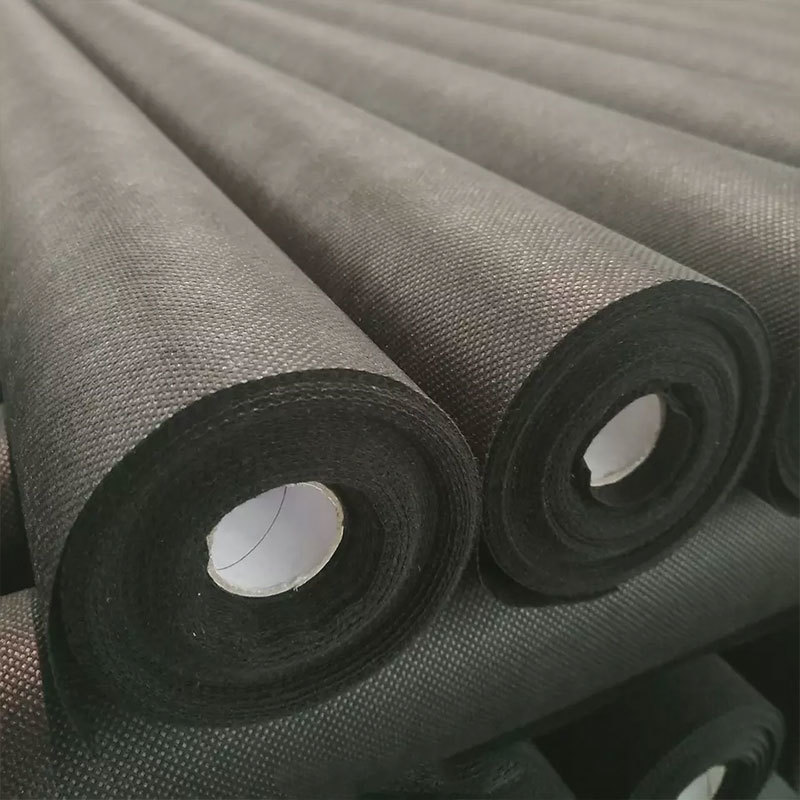
Spunbond nonwoven fabric has revolutionized the textile industry by offering a versatile, durable, and cost-effective solution for various applications. Unlike traditional fabrics woven from threads, spunbond nonwoven fabric is created through a unique process that involves bonding synthetic fibers together using heat, pressure, and sometimes chemicals. This process results in a fabric that is lightweight yet strong, making it ideal for many industries.
The Manufacturing Process of Spunbond Nonwoven Fabric
Understanding how spunbond nonwoven fabric is made is crucial to appreciating its benefits. The manufacturing process typically involves the following key steps:
1. Fiber Production
The primary materials used in spunbond fabric are polypropylene or polyester fibers. These fibers are produced through melting and extruding thermoplastic polymers, which are then cooled and stretched to achieve the desired strength and flexibility.
2. Spinning
In the spinning process, the molten polymer is extruded through spinnerets, creating continuous filaments. These filaments are laid down on a conveyor belt in a web-like formation.
3. Bonding
The web of fibers is then bonded together through thermal, mechanical, or chemical methods. Thermal bonding is the most common, where heat is applied to fuse the fibers without melting them entirely.
4. Finishing
Finishing processes may involve adding treatments for enhanced properties such as water resistance, UV protection, or flame retardance.
Key Benefits of Spunbond Nonwoven Fabric
Spunbond nonwoven fabric offers a plethora of benefits that make it a go-to material in a variety of applications.
1. Durability and Strength
One of the standout features of spunbond nonwoven fabric is its impressive strength-to-weight ratio. It can withstand significant stress and strain, making it ideal for products that require durability.
2. Breathability and Lightweight
The fabric is highly breathable, allowing air and moisture to pass through it. This property is particularly advantageous in applications like medical gowns and hygiene products, where ventilation is crucial.
3. Cost-Effectiveness
Due to the efficiency of the manufacturing process, spunbond nonwoven fabric is relatively inexpensive to produce, which translates to cost savings for manufacturers.
4. Versatility
Spunbond nonwoven fabric can be used in a wide range of applications, including personal protective equipment, agriculture, geotextiles, and even disposable products. This versatility sets it apart from many other textiles.
5. Sustainability and Eco-Friendliness
With growing concerns about environmental impact, spunbond nonwoven fabric is often designed to be recyclable or biodegradable. Manufacturers are increasingly adopting sustainable practices to minimize waste and promote eco-friendly solutions.
Applications of Spunbond Nonwoven Fabric
The versatility of spunbond nonwoven fabric leads to its use in numerous sectors.
1. Medical and Healthcare
In the medical field, spunbond nonwoven fabric is used to manufacture surgical gowns, masks, and drapes. Its barrier properties protect against contaminants while ensuring breathability for comfort.
2. Hygiene Products
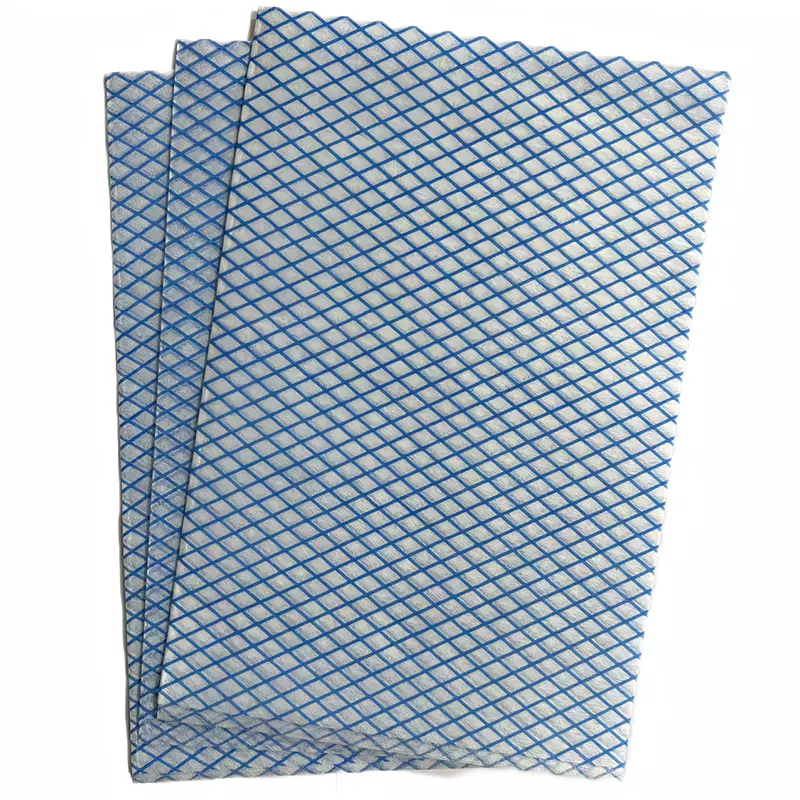
The fabric is commonly found in diapers, feminine hygiene products, and adult incontinence products. Its softness and absorbency are critical for user comfort.
3. Agriculture
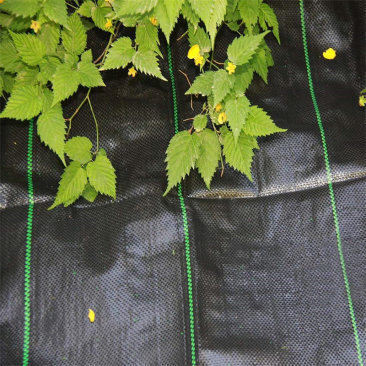
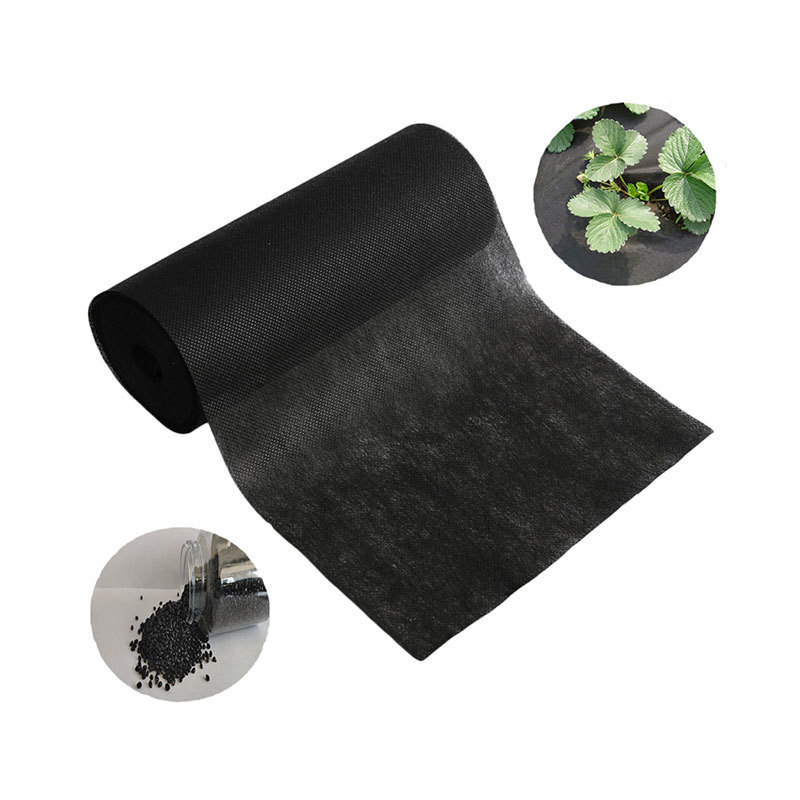
Farmers use spunbond nonwoven fabric as crop covers, helping to regulate soil temperature and moisture while protecting plants from pests and harsh weather conditions.
4. Construction and Geotextiles
In construction, spunbond nonwoven fabric is used in road construction, drainage systems, and landscaping. Its strength and permeability make it an excellent choice for geotextile applications.
5. Consumer Goods
From shopping bags to home textiles, spunbond nonwoven fabric is increasingly used in consumer products. Its lightweight nature and ability to be printed on make it attractive for branding and design.
Comparative Analysis: Spunbond vs. Other Nonwoven Fabrics
In the realm of nonwoven fabrics, spunbond competes with various other types, such as meltblown and needle-punched fabrics. Understanding the differences helps in choosing the right material for specific applications.
1. Spunbond vs. Meltblown
While both are made from synthetic fibers, meltblown fabrics are known for their fine fiber structure and higher filtration capabilities. However, spunbond is generally more durable and cost-effective for applications where strength is prioritized.
2. Spunbond vs. Needle-Punched
Needle-punched fabrics are typically thicker and denser, making them suitable for applications requiring more robustness. However, spunbond offers advantages in terms of breathability and softness.
Challenges Facing the Spunbond Nonwoven Fabric Industry
Despite its numerous advantages, the spunbond nonwoven fabric industry faces several challenges that must be addressed to ensure sustainable growth.
1. Environmental Concerns
While many spunbond products are recyclable, the reliance on synthetic materials raises concerns about pollution and waste. Manufacturers are exploring biodegradable alternatives to mitigate this issue.
2. Market Competition
As the demand for nonwoven fabrics grows, competition among manufacturers intensifies. Companies must innovate continually to differentiate their products and maintain market share.
3. Performance Standards
As applications expand, the need for strict performance standards increases. Manufacturers must ensure their products meet regulations and industry norms, particularly in healthcare and safety applications.
The Future of Spunbond Nonwoven Fabric
The future for spunbond nonwoven fabric looks promising, driven by technological advancements and innovative applications.
1. Innovations in Materials
Research into alternative raw materials, such as bio-based and recycled fibers, is paving the way for more sustainable spunbond products. This shift aligns with global sustainability goals.
2. Technological Advancements
The integration of smart technologies, such as antimicrobial treatments and moisture-wicking properties, is enhancing the functionality of spunbond nonwoven fabrics.
3. Expanding Applications
As industries recognize the benefits of spunbond nonwoven fabric, its applications are expected to expand further into sectors like automotive, aerospace, and construction.
FAQs About Spunbond Nonwoven Fabric
1. What is spunbond nonwoven fabric made from?
Spunbond nonwoven fabric is primarily made from synthetic fibers like polypropylene or polyester, which are extruded and bonded together through heat and pressure.
2. What are the main advantages of using spunbond nonwoven fabric?
The main advantages include durability, lightweight nature, breathability, cost-effectiveness, and versatility, making it suitable for various applications.
3. Is spunbond nonwoven fabric eco-friendly?
Many spunbond nonwoven fabrics are designed to be recyclable or biodegradable, making them a more sustainable option compared to traditional textiles.
4. Where is spunbond nonwoven fabric commonly used?
It is widely used in medical applications, hygiene products, agriculture, construction, and consumer goods.
5. How does spunbond nonwoven fabric compare to other types of nonwoven fabrics?
Spunbond nonwoven fabric is typically more durable and cost-effective compared to meltblown and needle-punched fabrics, though each type has its specific applications and advantages.
Conclusion
In conclusion, spunbond nonwoven fabric plays a vital role in modern textiles, offering a wide range of benefits and applications. Its unique properties make it indispensable across various sectors, from healthcare to agriculture. As we move forward, the continued innovation in materials and processes will likely enhance its sustainability and functionality, solidifying spunbond nonwoven fabric's position as a cornerstone of the textile industry. By embracing these advancements, manufacturers can meet the evolving needs of consumers and contribute to a more sustainable future.
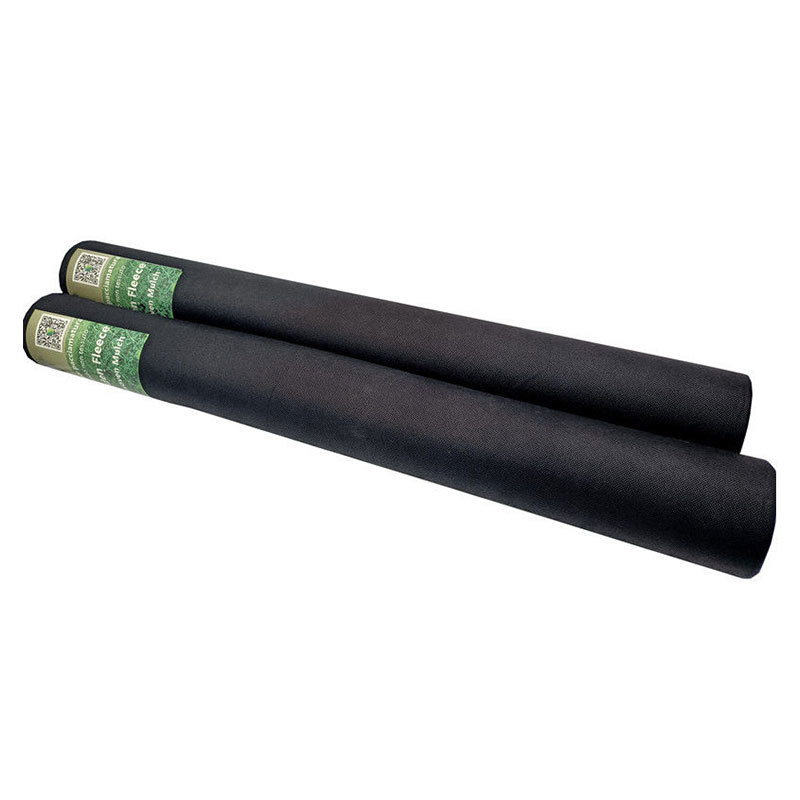
spunbond nonwoven fabric

LEAVE A MESSAGE
MESSAGE