



22
2025
-
04
Understanding Nonwoven Fabric: The Versatility of Polypropylene in the Textile Industry
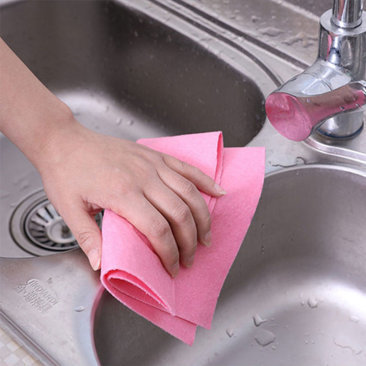
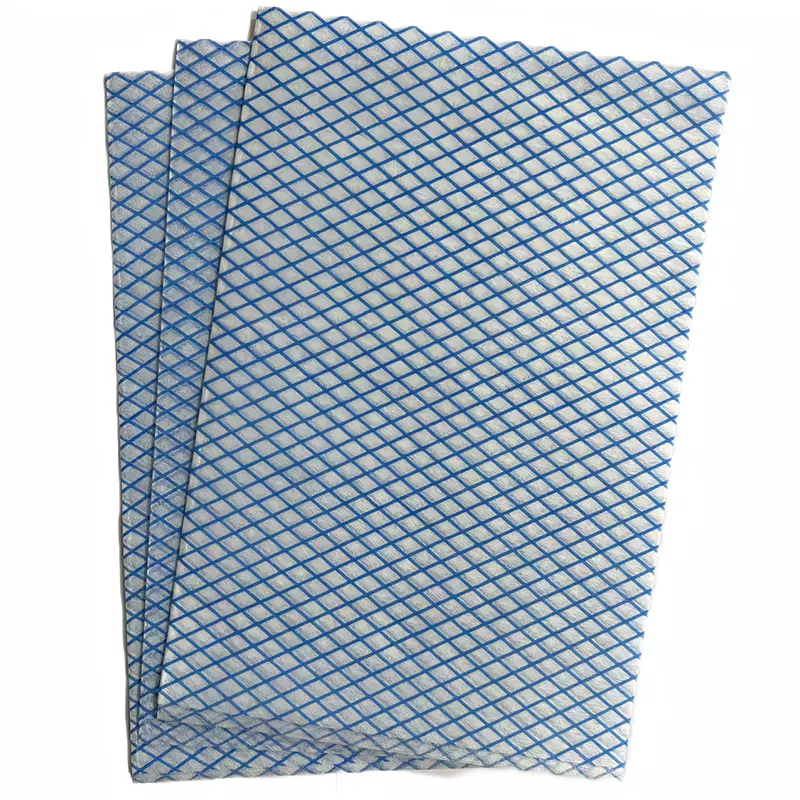
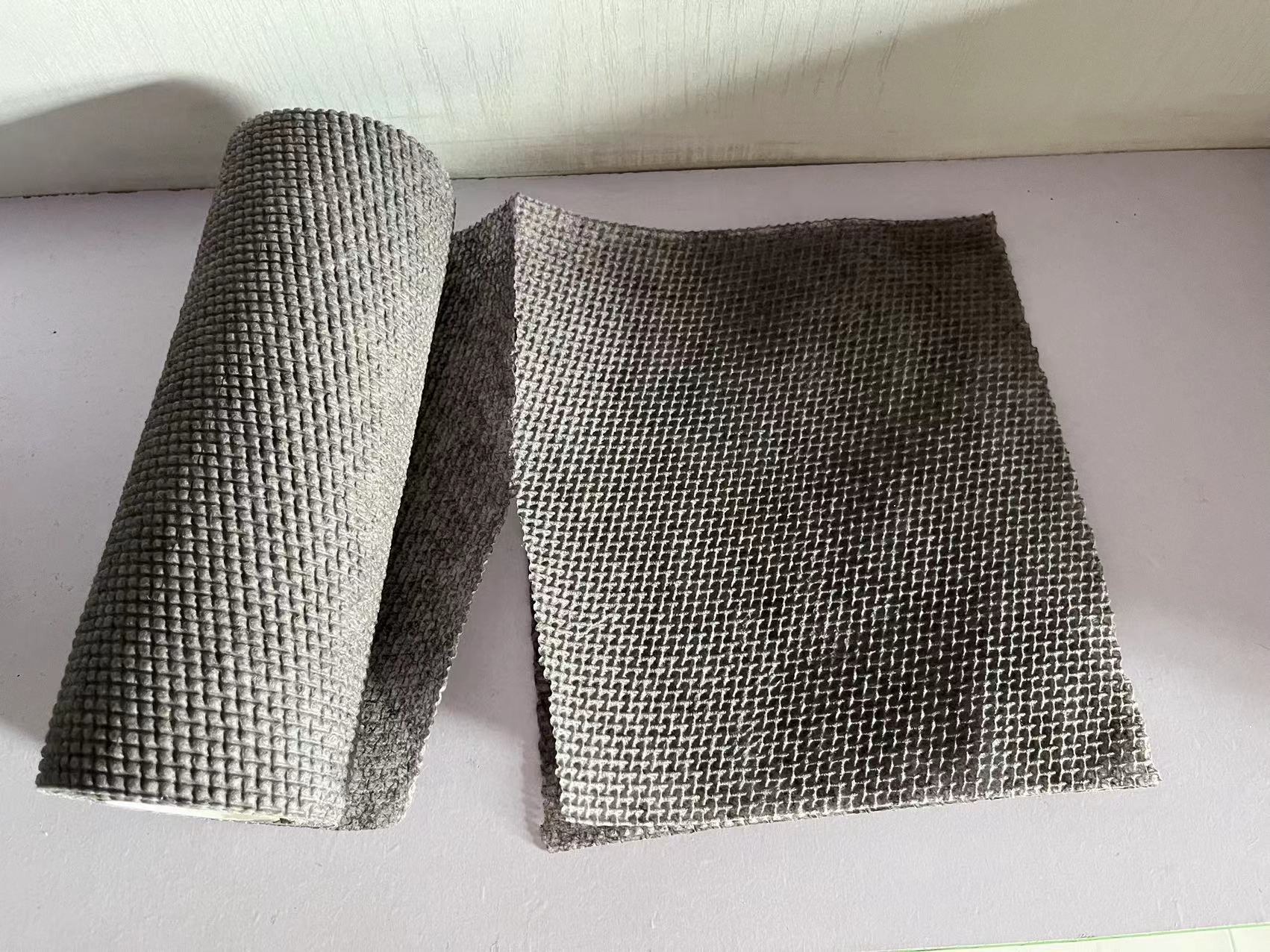
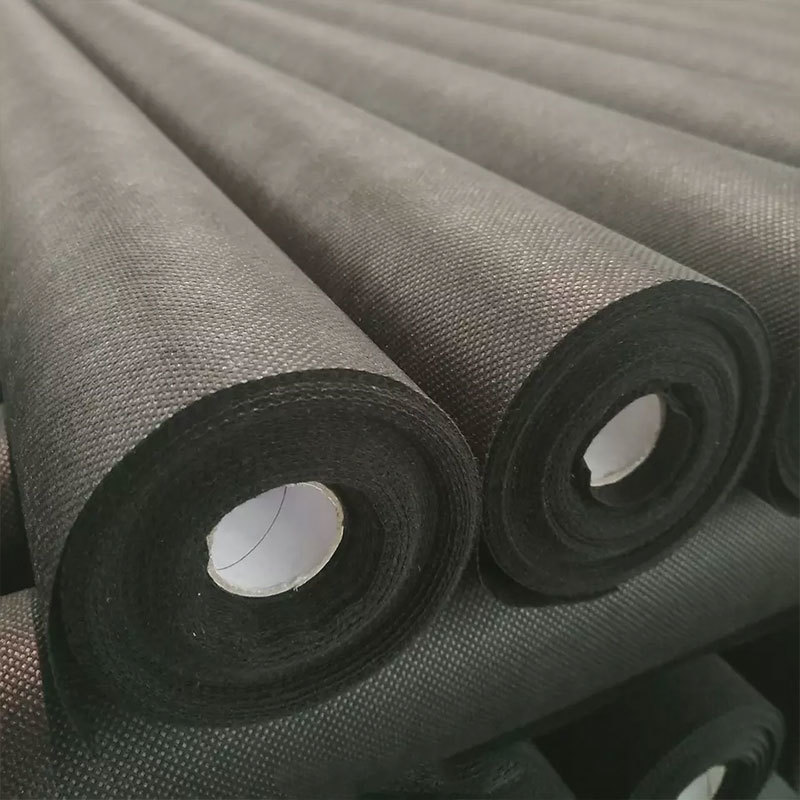
Nonwoven fabrics are a unique category of textiles that are created by bonding fibers together through various methods rather than weaving or knitting. Among these, polypropylene nonwoven fabric has gained considerable attention due to its remarkable properties and wide range of applications. Polypropylene, a thermoplastic polymer, is known for its lightweight, strength, and resistance to moisture

Nonwoven fabrics are a unique category of textiles that are created by bonding fibers together through various methods rather than weaving or knitting. Among these, polypropylene nonwoven fabric has gained considerable attention due to its remarkable properties and wide range of applications. Polypropylene, a thermoplastic polymer, is known for its lightweight, strength, and resistance to moisture, making it an ideal choice for nonwoven fabric production.
One of the primary advantages of polypropylene nonwoven fabric is its excellent durability. This material exhibits high tensile strength, allowing it to withstand considerable stress without tearing or ripping. Additionally, it is resistant to many chemicals, and this property makes it suitable for various industrial applications, including filtration, insulation, and protective coverings.
In the medical sector, polypropylene nonwoven fabric is widely used to produce surgical gowns, masks, and drapes due to its barrier properties and breathability. The fabric allows for the passage of air while preventing the entry of harmful pathogens, ensuring a safe environment during medical procedures. Furthermore, the ability to manufacture these products in large quantities helps meet the demands of hospitals and healthcare facilities.
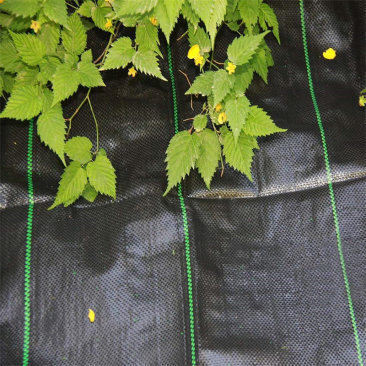
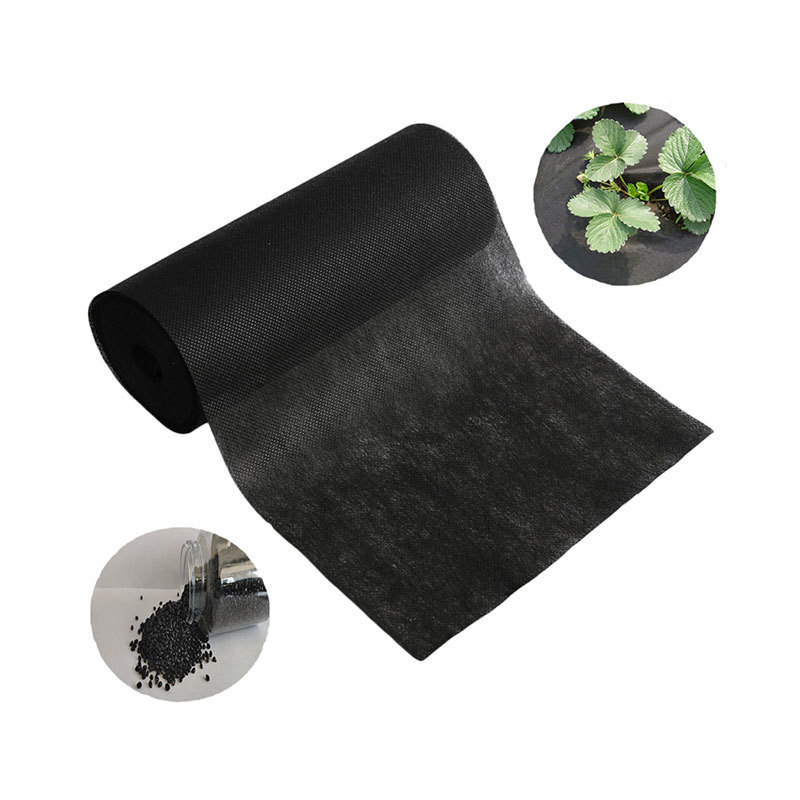
Another key application of polypropylene nonwoven fabric lies in the agricultural industry. It is utilized for mulch mats, seedling trays, and protective coverings for crops. The fabric's lightweight nature facilitates easy handling, while its moisture-wicking properties help maintain optimal soil conditions. This allows for improved plant growth and yields, demonstrating the versatility of polypropylene nonwoven fabric in supporting sustainable agricultural practices.
In addition to its functional benefits, polypropylene nonwoven fabric is also an environmentally friendly option. It is recyclable and can be repurposed, thereby reducing waste and promoting sustainability in the textile industry. Manufacturers are increasingly focused on creating nonwoven products that meet eco-friendly standards, making polypropylene a viable choice for businesses looking to minimize their environmental impact.
The production process of polypropylene nonwoven fabric is another aspect worth mentioning. Techniques such as spunbonding and meltblowing are commonly employed to create a variety of fabric weights and thicknesses tailored to specific applications. These processes ensure that the final product retains the desired properties, whether it be softness for personal care products or strength for industrial uses.
In conclusion, polypropylene nonwoven fabric stands out as a remarkable material in the textile industry due to its durability, versatility, and eco-friendliness. As industries continue to explore innovative applications for nonwoven fabrics, the significance of polypropylene will only grow, providing solutions that enhance functionality and sustainability in various sectors. Understanding these benefits can help professionals make informed decisions regarding material selection for their projects and applications.
One of the primary advantages of polypropylene nonwoven fabric is its excellent durability. This material exhibits high tensile strength, allowing it to withstand considerable stress without tearing or ripping. Additionally, it is resistant to many chemicals, and this property makes it suitable for various industrial applications, including filtration, insulation, and protective coverings.
In the medical sector, polypropylene nonwoven fabric is widely used to produce surgical gowns, masks, and drapes due to its barrier properties and breathability. The fabric allows for the passage of air while preventing the entry of harmful pathogens, ensuring a safe environment during medical procedures. Furthermore, the ability to manufacture these products in large quantities helps meet the demands of hospitals and healthcare facilities.
Another key application of polypropylene nonwoven fabric lies in the agricultural industry. It is utilized for mulch mats, seedling trays, and protective coverings for crops. The fabric's lightweight nature facilitates easy handling, while its moisture-wicking properties help maintain optimal soil conditions. This allows for improved plant growth and yields, demonstrating the versatility of polypropylene nonwoven fabric in supporting sustainable agricultural practices.
In addition to its functional benefits, polypropylene nonwoven fabric is also an environmentally friendly option. It is recyclable and can be repurposed, thereby reducing waste and promoting sustainability in the textile industry. Manufacturers are increasingly focused on creating nonwoven products that meet eco-friendly standards, making polypropylene a viable choice for businesses looking to minimize their environmental impact.
The production process of polypropylene nonwoven fabric is another aspect worth mentioning. Techniques such as spunbonding and meltblowing are commonly employed to create a variety of fabric weights and thicknesses tailored to specific applications. These processes ensure that the final product retains the desired properties, whether it be softness for personal care products or strength for industrial uses.
In conclusion, polypropylene nonwoven fabric stands out as a remarkable material in the textile industry due to its durability, versatility, and eco-friendliness. As industries continue to explore innovative applications for nonwoven fabrics, the significance of polypropylene will only grow, providing solutions that enhance functionality and sustainability in various sectors. Understanding these benefits can help professionals make informed decisions regarding material selection for their projects and applications.
nonwoven fabric polypropylene

LEAVE A MESSAGE
MESSAGE