



23
2025
-
04
How PP Spunbond Nonwoven Fabric Revolutionizes the Textile Industry
Introduction: The Rise of PP Spunbond Nonwoven Fabric in the Textile Industry PP spunbond nonwoven fabric has emerged as a groundbreaking material in the textile industry, marking a significant shift in how textiles are produced and utilized. This innovative fabric, made from polypropylene, offers a myriad of benefits, including durability, versatility, and cost-effectiveness. As the demand for

Introduction: The Rise of PP Spunbond Nonwoven Fabric in the Textile Industry
PP spunbond nonwoven fabric has emerged as a groundbreaking material in the textile industry, marking a significant shift in how textiles are produced and utilized. This innovative fabric, made from polypropylene, offers a myriad of benefits, including durability, versatility, and cost-effectiveness. As the demand for high-performance materials continues to rise, understanding the revolution brought forth by PP spunbond nonwoven fabric is crucial for industry professionals and consumers alike.
What is PP Spunbond Nonwoven Fabric?
PP spunbond nonwoven fabric is created through a process that involves the extrusion of polypropylene fibers, which are then bonded together without the use of traditional weaving or knitting techniques. This manufacturing method yields a fabric that is both lightweight and strong, making it suitable for various applications across multiple industries.
The Manufacturing Process of PP Spunbond Nonwoven Fabric
The production of PP spunbond nonwoven fabric involves several key stages:
1. **Polymer Extrusion**: Polypropylene pellets are heated until they melt, and then extruded through spinnerets to form continuous filaments.
2. **Spunbonding**: The filaments are cooled and laid out in a random pattern on a conveyor belt.
3. **Bonding**: The laid fibers are bonded using heat and pressure, forming a nonwoven sheet.
4. **Finishing**: The fabric may undergo additional processes such as dyeing, laminating, or coating, depending on its intended application.
Key Properties of PP Spunbond Nonwoven Fabric
PP spunbond nonwoven fabric possesses several noteworthy characteristics that contribute to its popularity:
- **Strength and Durability**: The fabric exhibits impressive tensile strength, making it suitable for heavy-duty applications.
- **Breathability**: Its porous structure allows for air and moisture permeability, enhancing comfort in wearable applications.
- **Lightweight**: The low density of the fabric makes it easy to handle and transport.
- **Cost-Effectiveness**: Compared to traditional woven fabrics, PP spunbond nonwoven fabric is often more economical to produce and purchase.
Applications of PP Spunbond Nonwoven Fabric
The versatility of PP spunbond nonwoven fabric opens up a wide range of applications across various industries:
1. Fashion and Apparel
In the fashion industry, designers are increasingly incorporating PP spunbond nonwoven fabric into their collections. Its lightweight nature and ability to hold shape provide unique design opportunities. Furthermore, the fabric can be produced in various colors and textures, allowing for creative expression.
2. Hygiene Products
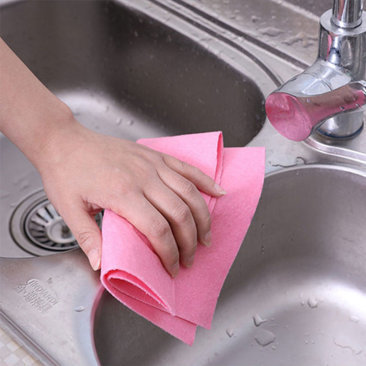
PP spunbond nonwoven fabric plays a crucial role in the production of hygiene products such as diapers, feminine hygiene products, and medical gowns. Its softness, absorbency, and barrier properties ensure comfort and protection for users.
3. Geotextiles
In construction and landscaping, PP spunbond nonwoven fabric is utilized as a geotextile material. It helps with soil stabilization, erosion control, and drainage, making it an essential component in environmental protection efforts.
4. Healthcare and Medical Applications
The healthcare sector benefits significantly from the use of PP spunbond nonwoven fabric in surgical masks, gowns, and drapes. Its ability to provide a barrier against bacteria and fluids makes it vital for infection control in medical settings.
5. Agricultural Uses
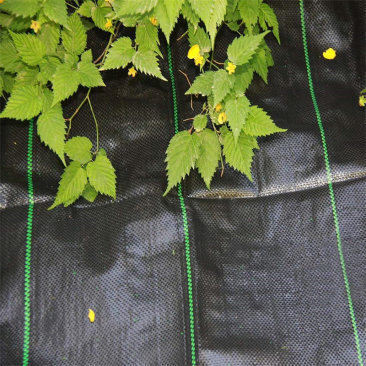
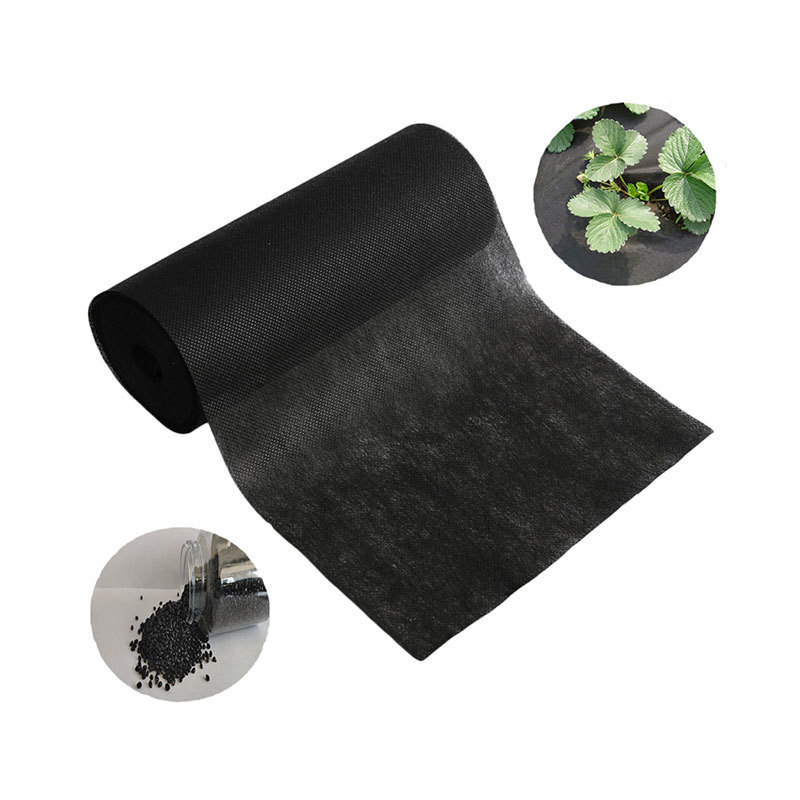
In agriculture, PP spunbond nonwoven fabric is employed for crop protection, seedling covers, and weed control fabrics. Its lightweight and breathable properties allow for effective temperature regulation while protecting crops from harsh weather conditions.
The Environmental Impact of PP Spunbond Nonwoven Fabric
As sustainability becomes a central focus in the textile industry, the environmental impact of materials is under scrutiny. While traditional textiles often involve significant water and energy consumption, PP spunbond nonwoven fabric presents a more eco-friendly alternative.
1. Resource Efficiency
The production process of PP spunbond nonwoven fabric is notably efficient. It requires less water and energy compared to traditional textile manufacturing methods, resulting in a reduced carbon footprint.
2. Recyclability and Biodegradability
PP spunbond nonwoven fabric can be recycled, given that it is made from polypropylene. This aspect is important for reducing waste and promoting a circular economy in the textile industry. However, the biodegradability of polypropylene in natural environments is a consideration that leads to ongoing research into more sustainable materials.
Future Trends in PP Spunbond Nonwoven Fabric
The future of PP spunbond nonwoven fabric in the textile industry is promising, driven by technological advancements and evolving consumer preferences.
1. Innovations in Manufacturing Technology
Advancements in manufacturing processes are expected to enhance the efficiency and versatility of PP spunbond nonwoven fabric production. Innovations such as automated systems and smart technologies will allow for greater customization and scalability.
2. Sustainable Practices and Materials
As environmental concerns rise, manufacturers are exploring sustainable practices, including the use of recycled materials in production. The development of biodegradable alternatives to polypropylene is also on the horizon, aligning with global sustainability goals.
3. Expanded Applications
The potential uses for PP spunbond nonwoven fabric are continually expanding. Industries such as automotive, construction, and home textiles are beginning to recognize the benefits of this versatile material, leading to new innovations and applications.
Conclusion
PP spunbond nonwoven fabric is revolutionizing the textile industry by offering a lightweight, strong, and versatile alternative to traditional woven materials. Its applications span various sectors, and its environmental implications are encouraging a shift towards more sustainable practices. As manufacturing technologies evolve and demand for innovative fabrics grows, PP spunbond nonwoven fabric will undoubtedly play an integral role in shaping the future of textiles. By understanding its benefits and potential, industry professionals and consumers can make informed decisions that align with the ongoing transformation of the textile landscape.
FAQs About PP Spunbond Nonwoven Fabric
1. What is the main advantage of PP spunbond nonwoven fabric over traditional textiles?
PP spunbond nonwoven fabric offers superior durability, lightweight properties, and cost-effectiveness compared to traditional woven fabrics, making it ideal for various applications.
2. Is PP spunbond nonwoven fabric environmentally friendly?
While PP spunbond nonwoven fabric is recyclable, its biodegradability in natural environments is a consideration. Sustainable practices and innovations in material development are addressing these concerns.
3. What industries utilize PP spunbond nonwoven fabric?
PP spunbond nonwoven fabric is used in multiple industries, including fashion, hygiene products, healthcare, agriculture, and construction.
4. How is PP spunbond nonwoven fabric produced?
The production process involves polymer extrusion, spunbonding, bonding, and finishing to create a nonwoven sheet of fabric.
5. What are the future trends for PP spunbond nonwoven fabric?
Future trends include innovations in manufacturing technology, the exploration of sustainable materials, and expanded applications across various sectors.
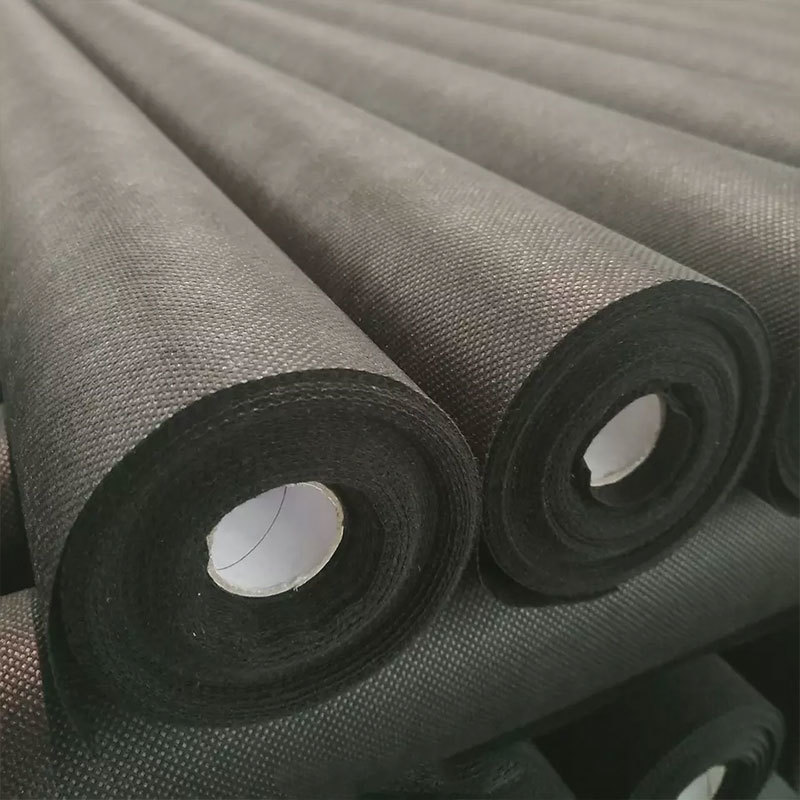
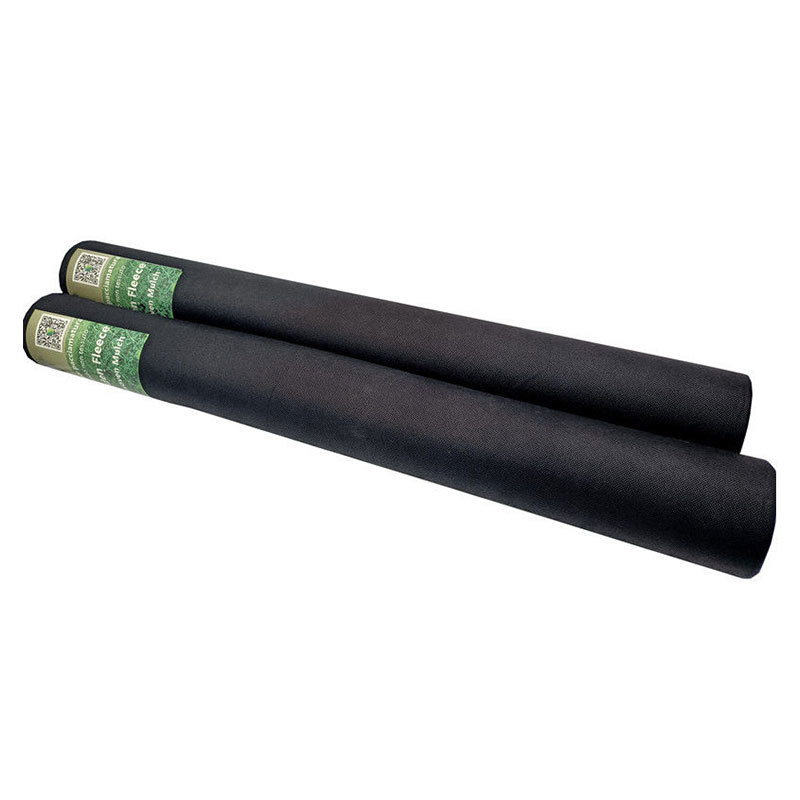
pp spunbond nonwoven fabric

LEAVE A MESSAGE
MESSAGE