



19
2025
-
07
How to Choose the Right Woven Ground Cover Fabric for Your Needs
How to Choose the Right Woven Ground Cover Fabric for Your Needs When it comes to landscaping, gardening, and construction, selecting the right **woven ground cover fabric** is essential. This material serves multiple purposes, from weed control to soil stabilization and erosion prevention. With a plethora of options available, it’s crucial to understand the various factors that influence your cho

How to Choose the Right Woven Ground Cover Fabric for Your Needs
When it comes to landscaping, gardening, and construction, selecting the right **woven ground cover fabric** is essential. This material serves multiple purposes, from weed control to soil stabilization and erosion prevention. With a plethora of options available, it’s crucial to understand the various factors that influence your choice. In this guide, we will walk you through the different types of woven ground cover fabrics, their applications, and the key considerations to keep in mind while making your selection.
Table of Contents
- Understanding Woven Ground Cover Fabric
- Benefits of Woven Ground Cover Fabric
- Types of Woven Ground Cover Fabric
- How to Choose the Right Fabric
- Application Methods
- Durability and Maintenance
- Common Mistakes to Avoid
- Frequently Asked Questions
- Conclusion
Understanding Woven Ground Cover Fabric
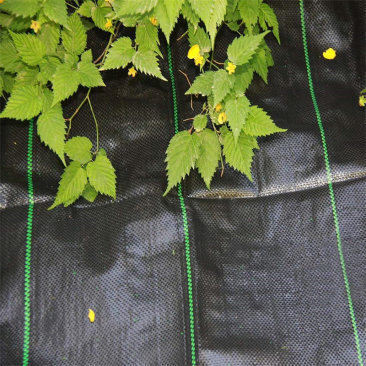
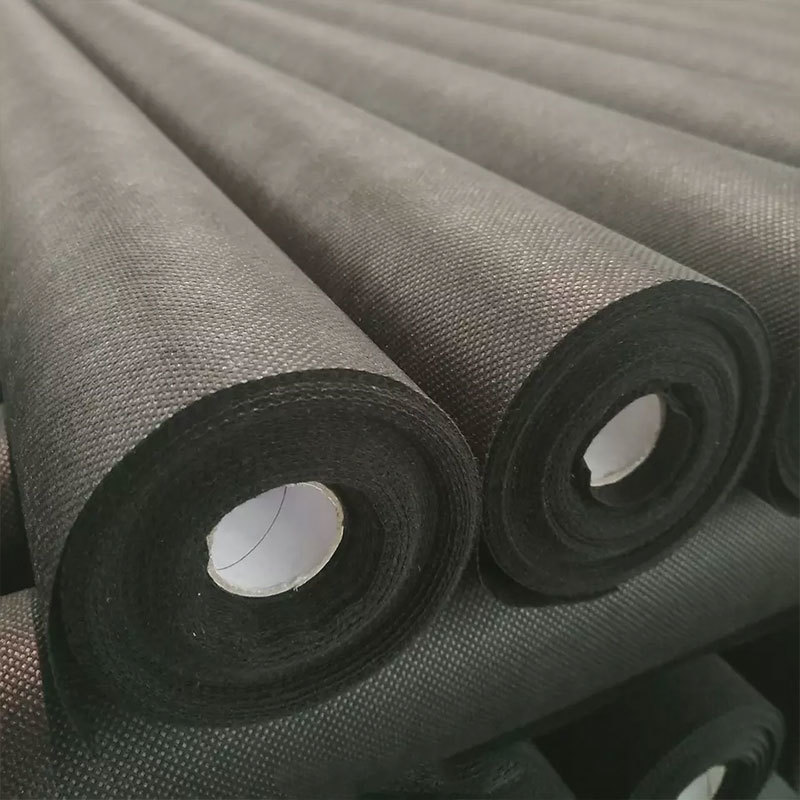
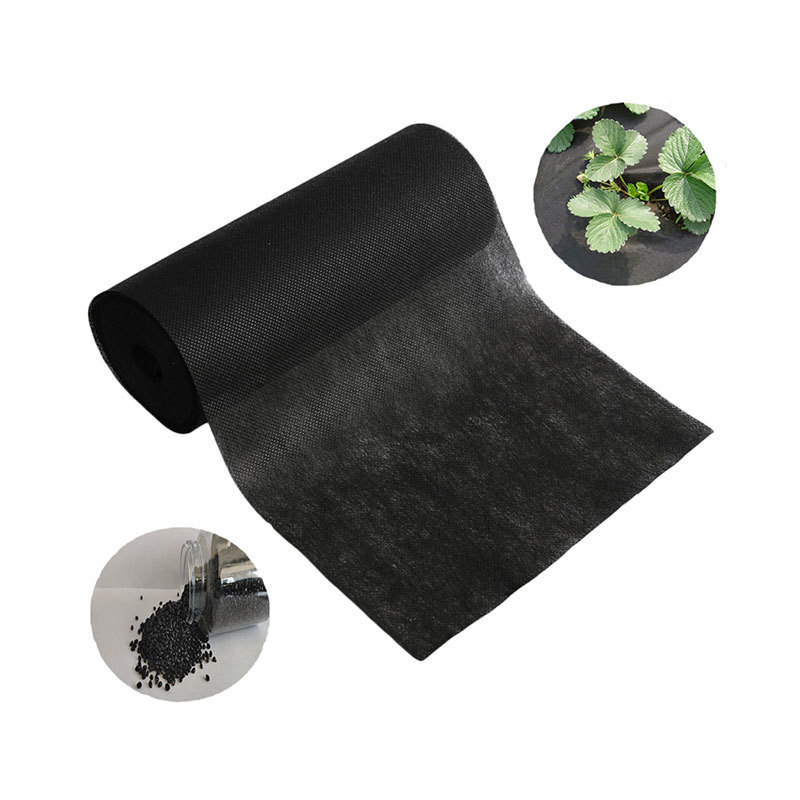
**Woven ground cover fabric** is a textile material designed for various landscaping and construction applications. Unlike non-woven fabrics, woven varieties consist of interlaced threads, providing excellent strength and durability. Their construction allows for proper drainage while preventing weeds from penetrating through to the soil. This unique combination of features makes woven ground cover fabric a preferred choice among gardeners and landscapers.
Benefits of Woven Ground Cover Fabric
Choosing woven ground cover fabric comes with numerous benefits, including:
Weed Control
One of the primary functions of woven ground cover fabric is to **suppress weed growth**. The tightly woven threads block sunlight, preventing weeds from germinating while allowing water and nutrients to reach the soil.
Soil Erosion Prevention
In areas prone to erosion, woven ground cover fabric acts as a barrier that holds the soil in place. This is crucial on slopes or near water bodies, where soil loss can be significant.
Improved Drainage
The structure of woven fabrics allows for efficient water drainage, reducing the risk of waterlogging and promoting healthy root growth.
Durability and Longevity
Woven ground cover fabrics are designed to withstand harsh environmental conditions, making them a long-lasting solution for your landscaping needs.
Cost-Effective Solution
Investing in high-quality woven ground cover fabric can save you money in the long run by reducing the need for herbicides, fertilizers, and labor associated with maintaining a weed-free environment.
Types of Woven Ground Cover Fabric
There are several types of woven ground cover fabrics available on the market, each designed for specific applications. Understanding the differences will help you make an informed choice.
Polypropylene Woven Fabrics
Polypropylene is a popular material for woven ground cover fabrics due to its **lightweight** and **durable** properties. It’s resistant to mildew, rot, and UV rays, making it ideal for outdoor applications.
Polyester Woven Fabrics
Polyester fabrics are known for their **strength** and **stretchability**. They are less prone to tearing and can handle challenging environmental conditions. This makes them suitable for areas with heavy foot traffic.
Geotextile Fabrics
Geotextiles are specifically designed for civil engineering and construction applications. They provide excellent soil separation and stabilization, making them ideal for road construction and landscaping on slopes.
Garden Fabrics
These are lighter weight options designed for residential gardening. They offer effective weed control without compromising water and nutrient flow, making them suitable for flower beds and vegetable gardens.
How to Choose the Right Fabric
Selecting the right woven ground cover fabric involves evaluating various factors to meet your specific needs.
Assess Your Needs and Goals
Consider the primary purpose of the fabric. Are you looking to control weeds, prevent erosion, or stabilize soil? Understanding your goals will guide your selection process.
Evaluate Environmental Conditions
Analyze the climate and environmental conditions of your location. If you live in an area with heavy rainfall or extreme temperatures, opt for a fabric designed to withstand such conditions.
Consider the Type of Soil
Different soils have varying drainage capabilities. If your soil tends to retain water, a fabric that promotes drainage will be beneficial. Conversely, for sandy soils, fabric that retains moisture may be more appropriate.
Analyze Foot Traffic
If the area will experience regular foot traffic, choose a thicker, more durable fabric that can handle the wear and tear without tearing or fraying.
Check for UV Resistance
UV resistance is crucial for outdoor applications. Fabrics that are not treated for UV protection can degrade quickly when exposed to sunlight, leading to reduced effectiveness.
Application Methods
Proper installation of woven ground cover fabric is key to maximizing its benefits. Here’s how to effectively apply it:
Preparation of the Site
Before laying the fabric, clear the area of existing weeds, debris, and rocks. Ensure the soil is level to facilitate drainage.
Laying the Fabric
Roll out the fabric, making sure to overlap the edges by at least six inches. This prevents weeds from sneaking through the seams.
Securing the Fabric
Use landscape staples or pins to secure the fabric in place, especially in windy areas. This will prevent it from shifting during heavy rains or storms.
Adding a Protective Layer
Consider adding mulch or decorative stones on top of the fabric. This provides additional weed suppression and improves the aesthetic appeal of your landscape.
Durability and Maintenance
While woven ground cover fabrics are designed to be durable, regular maintenance will ensure they last longer and perform effectively.
Periodic Inspection
Regularly inspect the fabric for signs of wear and tear. If you notice any damage, address it promptly to prevent further issues.
Weed Control
While the fabric helps suppress weeds, some may still penetrate, especially if the fabric is damaged. Regularly check for and remove any weeds to maintain its effectiveness.
Seasonal Cleaning
Clear away debris, leaves, and organic matter from the surface of the fabric. This will prevent moisture retention and reduce the risk of mold and mildew growth.
Common Mistakes to Avoid
Making errors during the selection or installation process can diminish the effectiveness of your woven ground cover fabric. Here are some common pitfalls to avoid:
Neglecting Soil Preparation
Failing to properly prepare the soil before installation can lead to poor drainage and ineffective weed control.
Choosing the Wrong Material
Not all woven fabrics are suitable for every application. Ensure you select the right type of fabric based on your specific needs.
Inadequate Overlap
Not overlapping the seams sufficiently can allow weeds to grow through. Always ensure a minimum overlap of six inches.
Ignoring Environmental Conditions
Overlooking local climate and soil conditions can lead to premature fabric degradation or ineffective performance.
Frequently Asked Questions
What is the lifespan of woven ground cover fabric?
The lifespan varies based on material and environmental conditions but generally ranges from 5 to 20 years.
Can I use woven ground cover fabric in vegetable gardens?
Yes, when properly installed, it can effectively suppress weeds while allowing water and nutrients to reach your vegetables.
How do I know which thickness of fabric to choose?
Thicker fabrics are better suited for high-traffic areas, while thinner varieties are adequate for flower beds and less disturbed areas.
Is woven ground cover fabric biodegradable?
Most woven ground cover fabrics are not biodegradable, which is a consideration if you prioritize environmentally friendly options.
Can I lay woven ground cover fabric on top of existing grass?
It is not recommended to lay fabric over existing grass as this can create a barrier that prevents proper water and nutrient flow.
Conclusion
Choosing the right **woven ground cover fabric** is a critical step in enhancing your landscaping and gardening projects. By understanding the different types of fabric available, evaluating your specific needs and environmental conditions, and applying the fabric correctly, you can enjoy the numerous benefits it offers. Proper maintenance and avoiding common mistakes will further ensure that your chosen fabric remains effective and durable for years to come. With the right knowledge and preparation, you can transform your outdoor spaces into beautiful, functional areas that thrive.
woven ground cover fabric

LEAVE A MESSAGE
MESSAGE