




11
2025
-
09
The Versatility of Polyester Spunbond Nonwoven Fabric: Applications and Benefits
Polyester Spunbond Nonwoven Fabric is a significant innovation in the textile industry, known for its remarkable properties and versatility. This fabric is produced through a method that involves bonding polyester fibers together, resulting in a material that is both strong and lightweight. Its nonwoven structure gives it unique characteristics, making it suitable for a wide range of applications

Polyester Spunbond Nonwoven Fabric is a significant innovation in the textile industry, known for its remarkable properties and versatility. This fabric is produced through a method that involves bonding polyester fibers together, resulting in a material that is both strong and lightweight. Its nonwoven structure gives it unique characteristics, making it suitable for a wide range of applications across various industries.
One of the primary benefits of Polyester Spunbond Nonwoven Fabric is its excellent durability. Unlike woven fabrics, which can fray or unravel over time, nonwoven materials maintain their integrity even after repeated use. This makes them ideal for products that require longevity, such as protective apparel, medical supplies, and industrial applications. The fabric is also resistant to various chemicals, moisture, and UV light, enhancing its usability in outdoor settings or harsh environments.
In terms of breathability, Polyester Spunbond Nonwoven Fabric excels as well. Its structure allows for air and moisture vapor to pass through, making it a popular choice for applications where comfort and breathability are critical, such as in hygiene products, like diapers and feminine hygiene items. The fabric can be engineered to provide varying degrees of breathability, catering to specific application needs.
Another noteworthy advantage is the fabric’s lightweight nature, which contributes to reduced shipping costs and ease of handling. This property is particularly beneficial in industries such as packaging, where minimizing weight without compromising quality is essential. Additionally, the fabric can be manufactured in various thicknesses and textures, allowing for customization according to specific requirements.
Sustainability is another compelling reason to consider Polyester Spunbond Nonwoven Fabric. With increasing emphasis on environmentally friendly materials, this fabric can be produced using recycled polyester, contributing to the reduction of waste and promoting a circular economy. Its ability to be treated for biodegradability further enhances its appeal in eco-conscious markets.
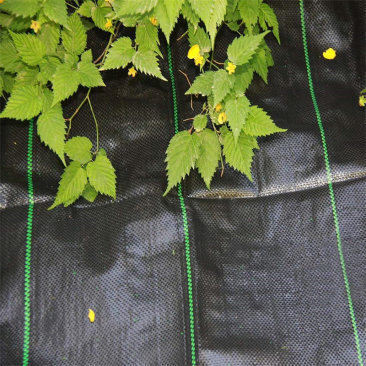
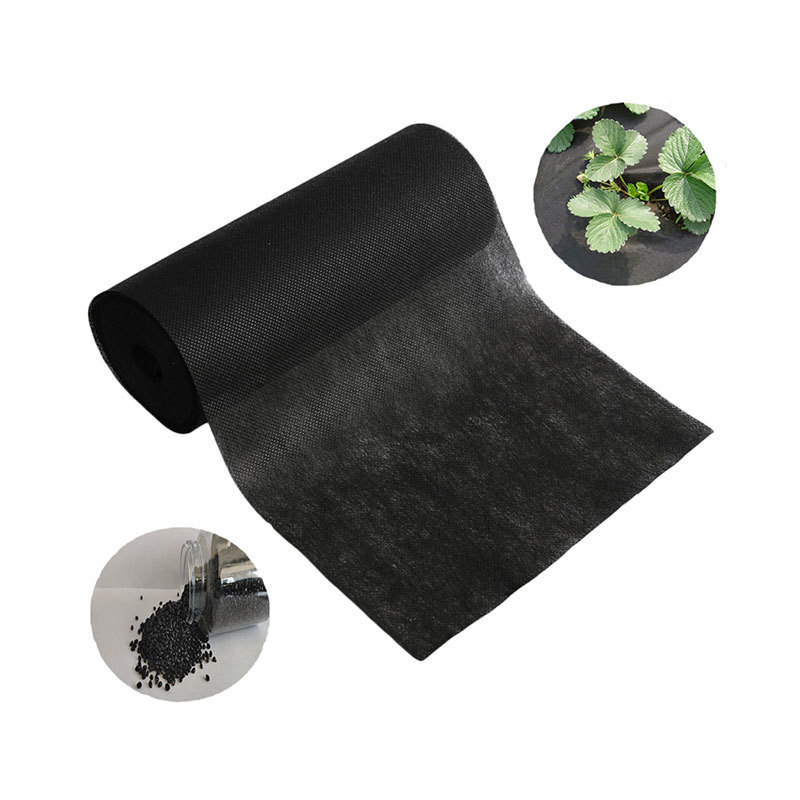
From agriculture to healthcare, the applications of Polyester Spunbond Nonwoven Fabric are extensive. In agriculture, it is used as a protective cover for plants, helping to regulate temperature and protect against pests. In the construction sector, it serves as a barrier against moisture in roofing and insulation products. The versatility of this fabric extends to personal care, home textiles, and automotive applications, showcasing its adaptability across diverse markets.
In conclusion, Polyester Spunbond Nonwoven Fabric stands out as a reliable and versatile material in the textile industry. Its durability, breathability, lightweight nature, and sustainability make it an excellent choice for a variety of applications. Whether for industrial, agricultural, or consumer-oriented products, this fabric continues to be a preferred option among manufacturers seeking high-performance solutions.
One of the primary benefits of Polyester Spunbond Nonwoven Fabric is its excellent durability. Unlike woven fabrics, which can fray or unravel over time, nonwoven materials maintain their integrity even after repeated use. This makes them ideal for products that require longevity, such as protective apparel, medical supplies, and industrial applications. The fabric is also resistant to various chemicals, moisture, and UV light, enhancing its usability in outdoor settings or harsh environments.
In terms of breathability, Polyester Spunbond Nonwoven Fabric excels as well. Its structure allows for air and moisture vapor to pass through, making it a popular choice for applications where comfort and breathability are critical, such as in hygiene products, like diapers and feminine hygiene items. The fabric can be engineered to provide varying degrees of breathability, catering to specific application needs.
Another noteworthy advantage is the fabric’s lightweight nature, which contributes to reduced shipping costs and ease of handling. This property is particularly beneficial in industries such as packaging, where minimizing weight without compromising quality is essential. Additionally, the fabric can be manufactured in various thicknesses and textures, allowing for customization according to specific requirements.
Sustainability is another compelling reason to consider Polyester Spunbond Nonwoven Fabric. With increasing emphasis on environmentally friendly materials, this fabric can be produced using recycled polyester, contributing to the reduction of waste and promoting a circular economy. Its ability to be treated for biodegradability further enhances its appeal in eco-conscious markets.
From agriculture to healthcare, the applications of Polyester Spunbond Nonwoven Fabric are extensive. In agriculture, it is used as a protective cover for plants, helping to regulate temperature and protect against pests. In the construction sector, it serves as a barrier against moisture in roofing and insulation products. The versatility of this fabric extends to personal care, home textiles, and automotive applications, showcasing its adaptability across diverse markets.
In conclusion, Polyester Spunbond Nonwoven Fabric stands out as a reliable and versatile material in the textile industry. Its durability, breathability, lightweight nature, and sustainability make it an excellent choice for a variety of applications. Whether for industrial, agricultural, or consumer-oriented products, this fabric continues to be a preferred option among manufacturers seeking high-performance solutions.
Polyester Spunbond Nonwoven Fabric

LEAVE A MESSAGE
MESSAGE