




11
2025
-
09
Polyester Spunbond Nonwoven Fabric: Merging Functionality with Style
Polyester Spunbond Nonwoven Fabric: Merging Functionality with Style Table of Contents 1. Understanding Polyester Spunbond Nonwoven Fabric 2. Unique Properties of Polyester Spunbond Nonwoven Fabric 3. Applications of Polyester Spunbond Nonwoven Fabric 4. Advantages of Polyester Spunbond Nonwoven Fabric 5. Environmental Impacts and Sustainability 6. Trends in Polyester Spun

Polyester Spunbond Nonwoven Fabric: Merging Functionality with Style
Table of Contents
- 1. Understanding Polyester Spunbond Nonwoven Fabric
- 2. Unique Properties of Polyester Spunbond Nonwoven Fabric
- 3. Applications of Polyester Spunbond Nonwoven Fabric
- 4. Advantages of Polyester Spunbond Nonwoven Fabric
- 5. Environmental Impacts and Sustainability
- 6. Trends in Polyester Spunbond Nonwoven Fabric
- 7. Choosing the Right Polyester Spunbond Fabric for Your Needs
- 8. Frequently Asked Questions
1. Understanding Polyester Spunbond Nonwoven Fabric
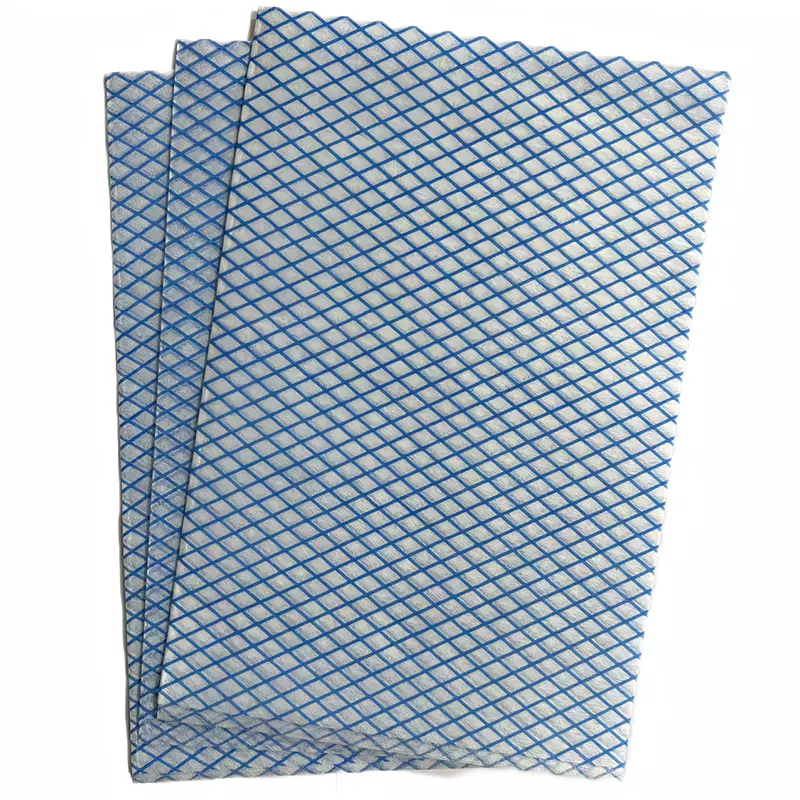
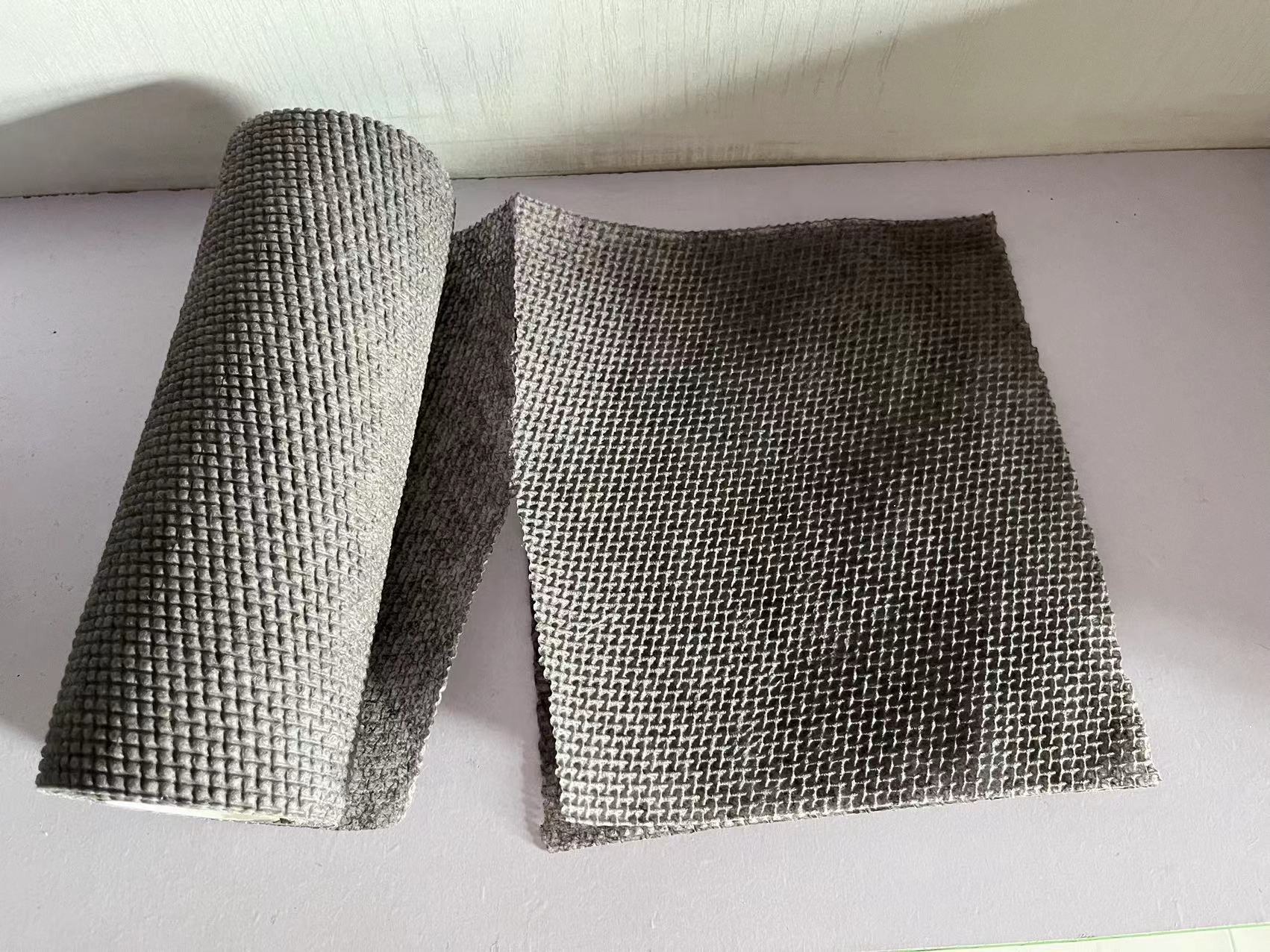
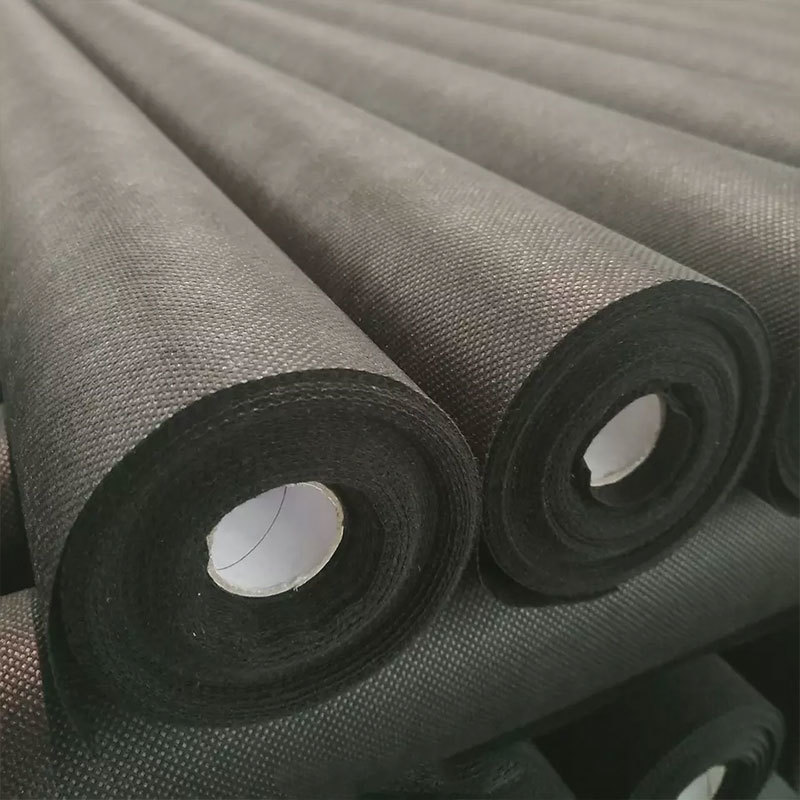
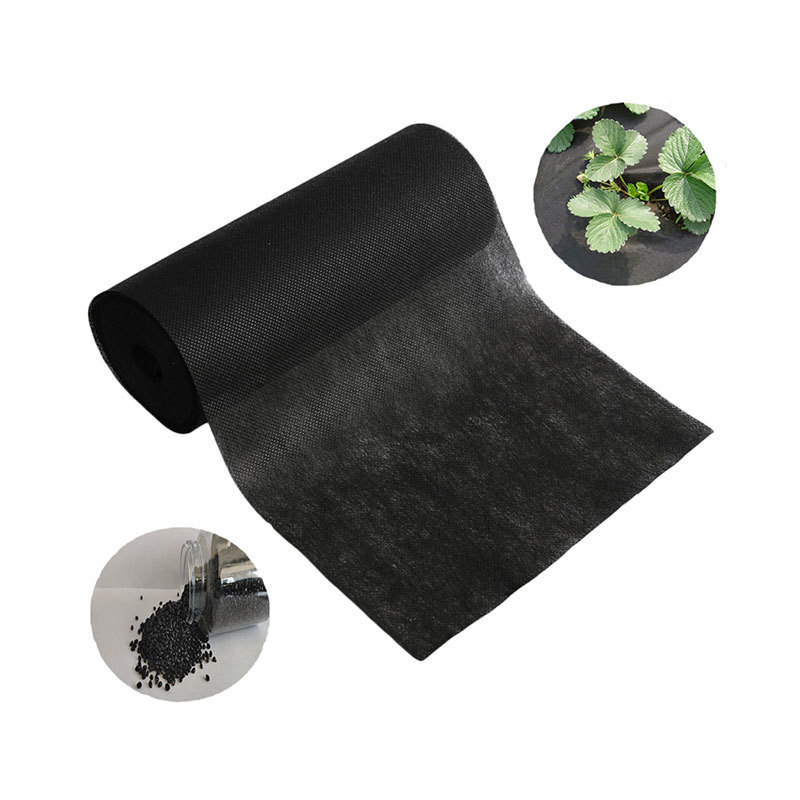
Polyester spunbond nonwoven fabric is a revolutionary textile that combines the benefits of traditional woven fabrics with the innovative attributes of nonwoven technologies. This manufacturing process involves extruding polyester fibers, which are then bonded together through a heat and pressure process, resulting in a durable, lightweight material. The unique structure of spunbond fabric allows for high breathability and excellent strength, making it suitable for a wide range of applications.
2. Unique Properties of Polyester Spunbond Nonwoven Fabric
Polyester spunbond nonwoven fabric stands out due to its remarkable properties:
Durability
This fabric exhibits excellent resistance to tearing and abrasion, ensuring a long lifespan even under demanding conditions. Its durability makes it ideal for industrial applications and products that require longevity.
Lightweight
Despite its strength, polyester spunbond fabric is remarkably lightweight, making it easy to handle and transport, as well as comfortable to wear in garments.
Water Resistance
Polyester fibers are inherently water-resistant, which adds functionality to the fabric. This property makes it an excellent choice for outdoor applications and products exposed to moisture.
Breathability
The nonwoven structure of the fabric allows for optimal airflow, contributing to comfort in clothing and enhancing performance in various applications.
Versatility
One of the most significant advantages of polyester spunbond nonwoven fabric is its versatility. It can be produced in various weights, colors, and finishes, making it suitable for diverse applications across multiple industries.
3. Applications of Polyester Spunbond Nonwoven Fabric
The versatility of polyester spunbond nonwoven fabric leads to its use in a myriad of applications, including:
Medical Industry
In the medical field, polyester spunbond nonwoven fabric is used to create surgical gowns, masks, and drapes. Its breathable, fluid-resistant properties make it ideal for maintaining hygiene and safety in healthcare settings.
Automotive Industry
Polyester spunbond nonwoven fabric serves as an essential component in the automotive industry, providing insulation, soundproofing, and filtration materials in vehicles. Its lightweight nature contributes to overall vehicle efficiency.
Consumer Goods
From shopping bags to disposable tableware, this fabric is increasingly used in consumer products. The blend of functionality and aesthetic appeal allows brands to offer stylish yet practical solutions.
Construction
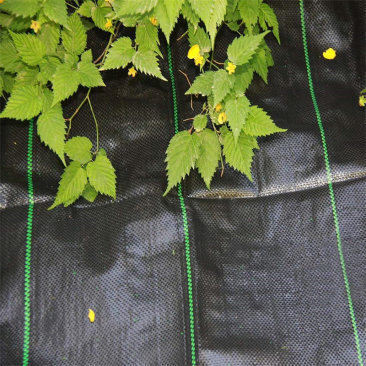
In construction, polyester spunbond nonwoven fabric is utilized as a geotextile, helping to control erosion, improve drainage, and stabilize soil. Its strength and durability are vital in ensuring the longevity of construction projects.
Fashion and Textiles
Designers are now incorporating polyester spunbond nonwoven fabric into fashion collections. Its ability to hold shape and provide structure allows for innovative designs while maintaining comfort.
4. Advantages of Polyester Spunbond Nonwoven Fabric
Investing in polyester spunbond nonwoven fabric offers numerous advantages, making it a preferred choice for manufacturers and consumers alike.
Cost-Effectiveness
The production process of polyester spunbond fabric is efficient, leading to lower manufacturing costs. This cost-effectiveness translates to more affordable products for consumers without compromising quality.
Customizability
Manufacturers can easily customize polyester spunbond nonwoven fabric according to specific requirements. Options for colors, thicknesses, and finishes allow for tailored solutions that meet diverse needs.
Eco-Friendly Options
With growing environmental concerns, many manufacturers now offer recycled polyester spunbond nonwoven fabrics. These eco-friendly options help reduce waste while maintaining the desirable properties of traditional polyester.
Ease of Maintenance
Polyester spunbond nonwoven fabric is easy to clean and maintain, making it suitable for products that require regular washing or use in demanding environments.
5. Environmental Impacts and Sustainability
As consumers become more environmentally conscious, the textile industry is increasingly focused on sustainability. Polyester spunbond nonwoven fabric has several aspects that contribute to a more sustainable future:
Recyclability
Unlike traditional woven fabrics, polyester spunbond nonwoven fabrics can be recycled more efficiently. This characteristic reduces landfill waste and promotes a circular economy.
Reduced Water Consumption
The production process of polyester spunbond fabric requires significantly less water compared to traditional cotton fabrics. This lower water footprint is a critical factor in sustainability efforts.
Durability Equals Longevity
The durability of polyester spunbond nonwoven fabric means products made from this material have a longer lifespan, ultimately reducing the frequency of replacements and the associated environmental impact.
6. Trends in Polyester Spunbond Nonwoven Fabric
The polyester spunbond nonwoven fabric market is continually evolving, driven by technology and changing consumer preferences. Current trends include:
Smart Textiles
Integration of smart technology into textiles is gaining traction. Polyester spunbond nonwoven fabrics are being developed with embedded sensors that can monitor temperature, moisture, and other parameters.
Fashion Forward Designs
As designers explore innovative uses for polyester spunbond fabric, we see a rise in fashion-forward designs that incorporate unique textures and patterns, appealing to a style-conscious audience.
Biodegradable Alternatives
Research and development efforts are focused on creating biodegradable spunbond fabrics, catering to the demand for environmentally friendly options without sacrificing quality.
7. Choosing the Right Polyester Spunbond Fabric for Your Needs
Selecting the appropriate polyester spunbond nonwoven fabric can be a daunting task, but considering key factors can simplify the decision-making process:
Application Needs
Identify the specific application for which the fabric will be used. Understanding requirements such as strength, thickness, and water resistance will guide you in making the right choice.
Weight and Thickness
Polyester spunbond fabrics come in various weights and thicknesses. Lighter fabrics are suitable for apparel, while heavier options may be ideal for industrial applications.
Color and Texture
Consider the aesthetic aspect of the fabric. Color and texture can significantly affect the final product's appeal, especially in the fashion and consumer goods sectors.
Supplier Reputation
Choose a reputable supplier that provides high-quality polyester spunbond nonwoven fabrics. Researching reviews and seeking recommendations can help ensure you receive the best product.
8. Frequently Asked Questions
What is polyester spunbond nonwoven fabric made of?
Polyester spunbond nonwoven fabric is made from polyester fibers that are bonded together through a heat and pressure process, resulting in a strong and lightweight material.
Is polyester spunbond nonwoven fabric eco-friendly?
Yes, many polyester spunbond nonwoven fabrics are now made from recycled materials, making them a more sustainable choice for environmentally conscious consumers.
What are the primary uses of polyester spunbond nonwoven fabric?
Polyester spunbond nonwoven fabric is used in various applications, including medical supplies, automotive components, consumer goods, construction materials, and fashion items.
How do you care for polyester spunbond nonwoven fabric?
Polyester spunbond fabric is generally easy to care for. It can be machine washed and dried, but specific care instructions may vary depending on the product.
Can polyester spunbond nonwoven fabric be printed on?
Yes, polyester spunbond nonwoven fabric can be printed on, making it suitable for custom designs and branding in various products.
Conclusion
Polyester spunbond nonwoven fabric is a remarkable textile that seamlessly merges functionality with style. Its unique properties, diverse applications, and advantages position it as a favorite among manufacturers and consumers alike. As trends evolve and sustainability takes center stage, the future of polyester spunbond nonwoven fabric looks promising. With ongoing innovations and an expanding range of uses, this fabric continues to redefine the textile industry, making it an essential material for the modern world. Embracing polyester spunbond nonwoven fabric means investing in durability, versatility, and style, catering to both practical needs and aesthetic desires.
Polyester Spunbond Nonwoven Fabric

LEAVE A MESSAGE
MESSAGE