



11
2025
-
09
Exploring Polypropylene Nonwoven Fabric: A Deep Dive into Global Textile Trends
Exploring Polypropylene Nonwoven Fabric: A Deep Dive into Global Textile Trends Table of Contents 1. Introduction to Polypropylene Nonwoven Fabric 2. What is Nonwoven Fabric? 3. History and Evolution of Polypropylene Nonwoven Fabric 4. Advantages of Polypropylene Nonwoven Fabric 5. Applications of Polypropylene Nonwoven Fabric 6. Global Market Trends in Nonwoven Fabrics

Exploring Polypropylene Nonwoven Fabric: A Deep Dive into Global Textile Trends
Table of Contents
- 1. Introduction to Polypropylene Nonwoven Fabric
- 2. What is Nonwoven Fabric?
- 3. History and Evolution of Polypropylene Nonwoven Fabric
- 4. Advantages of Polypropylene Nonwoven Fabric
- 5. Applications of Polypropylene Nonwoven Fabric
- 6. Global Market Trends in Nonwoven Fabrics
- 7. Sustainability and Environmental Impact
- 8. The Future of Polypropylene Nonwoven Fabric
- 9. Conclusion
- 10. Frequently Asked Questions (FAQs)
1. Introduction to Polypropylene Nonwoven Fabric
In the contemporary textile landscape, **polypropylene nonwoven fabric** has emerged as a pivotal component, influencing various sectors from healthcare to fashion. This article aims to dissect the intricacies of polypropylene nonwoven fabric, exploring its properties, advantages, and the influential trends shaping its future in a global context.
2. What is Nonwoven Fabric?
Nonwoven fabric is a textile material manufactured by bonding fibers together through various methods, rather than weaving or knitting. This process results in a sheet or web of fibers that are held together by mechanical, thermal, or chemical means. Nonwoven fabrics come in various types, with polypropylene being one of the most prevalent.
2.1 Characteristics of Nonwoven Fabrics
The characteristics of nonwoven fabrics vary greatly based on the manufacturing process and material composition. Key features include:
- **Durability:** Nonwoven fabrics are often designed for strength and longevity.
- **Breathability:** Many nonwoven fabrics allow air and moisture to pass through, making them ideal for various applications.
- **Cost-effectiveness:** The production of nonwoven fabrics is generally less expensive than traditional woven textiles, making them attractive for large-scale applications.
3. History and Evolution of Polypropylene Nonwoven Fabric
The journey of polypropylene nonwoven fabric began in the mid-20th century with the advent of synthetic fibers. Initially, the focus was on woven textiles, but the limitations of these materials led to the exploration of nonwoven options. By the 1970s, polypropylene nonwoven fabric had gained traction, thanks to its versatility and cost-effectiveness.
3.1 Key Milestones in Development
- **1970s:** Introduction of polypropylene fibers in nonwoven applications.
- **1980s:** Expansion into medical and hygiene products, driven by the need for disposable, sterile materials.
- **1990s-2000s:** Growth in consumer markets, including fashion and home textiles.
4. Advantages of Polypropylene Nonwoven Fabric
Polypropylene nonwoven fabric offers numerous advantages that contribute to its widespread use across various industries.
4.1 Lightweight and Flexible
One of the standout features of polypropylene nonwoven fabric is its lightweight nature, allowing for easy handling and application. Its flexibility enables it to conform to different shapes and structures, making it ideal for various uses.
4.2 Water Resistance
Polypropylene inherently possesses water-resistant properties. This feature is crucial in applications where moisture exposure is a concern, such as in medical gowns and outdoor fabrics.
4.3 Chemical Resistance
Nonwoven polypropylene fabric exhibits an impressive resistance to a range of chemicals, making it suitable for industrial applications where exposure to harsh substances is common.
4.4 Eco-friendliness
While traditional synthetic fibers often face criticism for their environmental impact, polypropylene nonwoven fabrics can be produced in a manner that minimizes waste and promotes recyclability.
5. Applications of Polypropylene Nonwoven Fabric
The versatility of polypropylene nonwoven fabric has led to its adoption in a diverse array of applications.
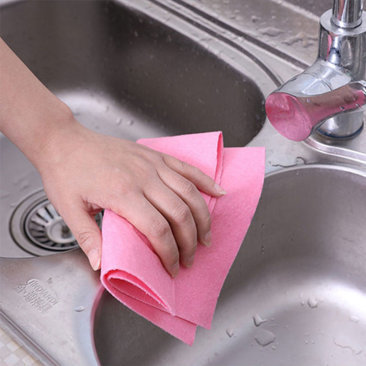
5.1 Medical and Hygiene Products
In the medical field, polypropylene nonwoven fabric is widely utilized for surgical gowns, masks, and other hygiene products due to its sterility and barrier properties.
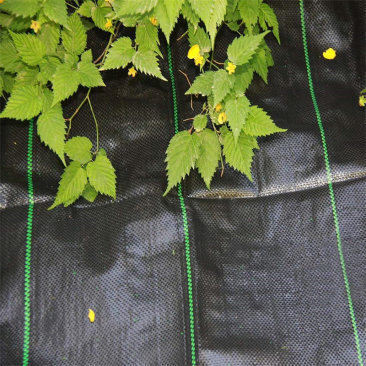
5.2 Geotextiles
Polypropylene nonwoven fabrics are employed in civil engineering for soil stabilization, erosion control, and drainage systems, contributing to sustainable construction practices.
5.3 Fashion and Consumer Goods
The fashion industry has embraced polypropylene nonwoven fabric for its lightweight and customizable nature, leading to innovative designs in bags, apparel, and home furnishings.
5.4 Automotive Industry
In the automotive sector, polypropylene nonwoven fabrics are used for sound insulation, interior lining, and filtration systems, enhancing vehicle performance and comfort.
6. Global Market Trends in Nonwoven Fabrics
The global market for nonwoven fabrics is experiencing substantial growth, driven by increasing demand across various sectors.
6.1 Market Size and Forecast
The nonwoven fabric market is projected to grow significantly, with an increasing emphasis on sustainable materials and innovations in manufacturing processes.
6.2 Regional Insights
Regions such as North America, Europe, and Asia-Pacific are leading in nonwoven fabric production and consumption, with Asia-Pacific witnessing the fastest growth due to burgeoning industries.
6.3 Innovation and Technology
Advancements in technology are paving the way for new processes in the production of polypropylene nonwoven fabrics, allowing for enhanced performance and functionality.
7. Sustainability and Environmental Impact
As the textile industry grapples with sustainability challenges, polypropylene nonwoven fabric is emerging as a more eco-friendly choice.
7.1 Recycling and Reusability
Many manufacturers are focusing on creating recyclable polypropylene nonwoven fabrics, which can reduce waste and promote circular economy initiatives.
7.2 Biodegradable Alternatives
Research into biodegradable additives for polypropylene nonwoven fabric is ongoing, aiming to create materials that break down more easily in the environment.
8. The Future of Polypropylene Nonwoven Fabric
Looking ahead, the future of polypropylene nonwoven fabric appears promising, with several trends poised to shape its development.
8.1 Advances in Technology
Innovations in production technology will likely enhance the characteristics of polypropylene nonwoven fabrics, making them even more versatile for various applications.
8.2 Increased Demand for Sustainable Products
As consumers become more environmentally conscious, the demand for sustainable nonwoven materials will continue to rise, influencing production practices and material sourcing.
9. Conclusion
In conclusion, **polypropylene nonwoven fabric** is not only a cornerstone of modern textile applications but also a catalyst for innovation and sustainability in the industry. As we navigate the future, the ongoing evolution of this material will reflect broader trends within the global textile landscape, ensuring that it remains relevant and essential in meeting the needs of diverse sectors.
10. Frequently Asked Questions (FAQs)
10.1 What are the primary uses of polypropylene nonwoven fabric?
Polypropylene nonwoven fabric is commonly used in medical products, geotextiles, automotive applications, and consumer goods.
10.2 Is polypropylene nonwoven fabric recyclable?
Yes, many types of polypropylene nonwoven fabric can be recycled. Manufacturers are increasingly focusing on creating recyclable products to reduce environmental impact.
10.3 How does polypropylene nonwoven fabric compare to woven fabric?
Polypropylene nonwoven fabric is generally lighter, more flexible, and cost-effective than woven fabric, making it suitable for a wider range of applications.
10.4 What are the environmental concerns associated with polypropylene nonwoven fabric?
The main concerns include waste generation and the potential for non-biodegradable products. However, advancements in recycling and biodegradable alternatives are addressing these issues.
10.5 What trends are shaping the future of polypropylene nonwoven fabric?
Key trends include increased demand for sustainable products, technological advancements in manufacturing, and the growing use of polypropylene in various industries.
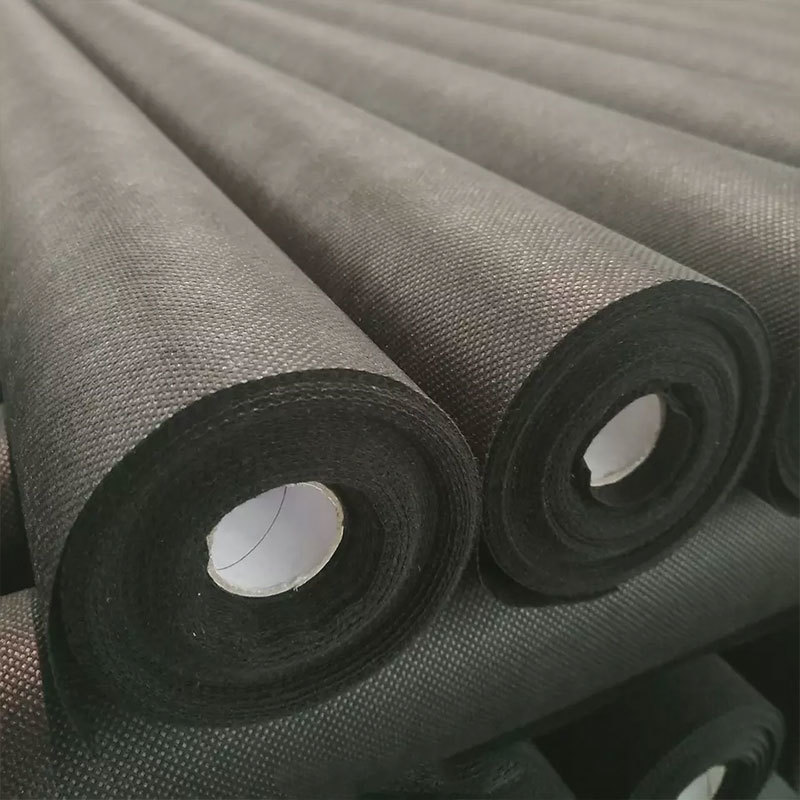
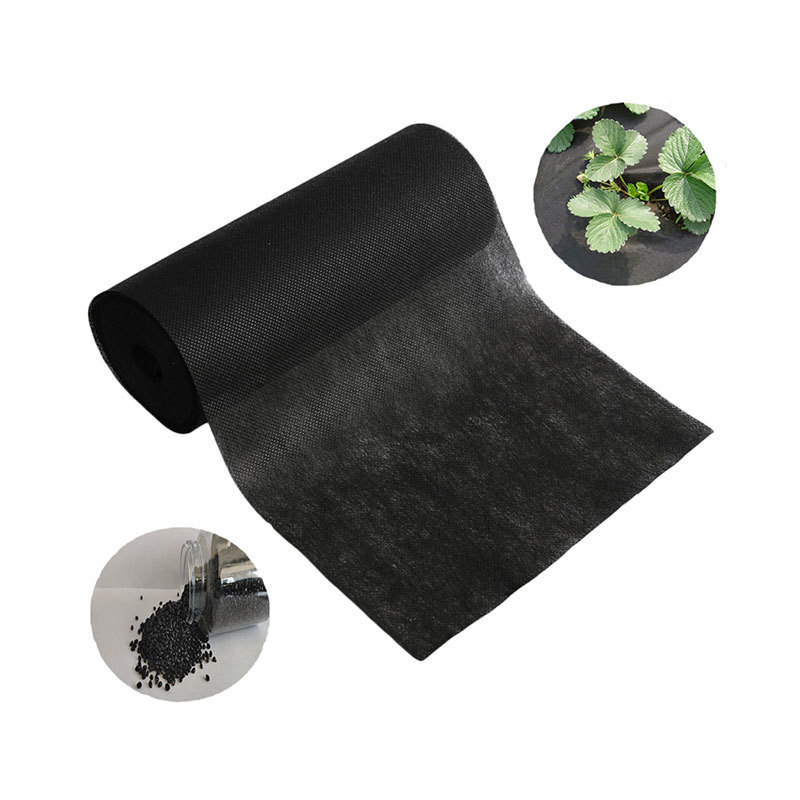
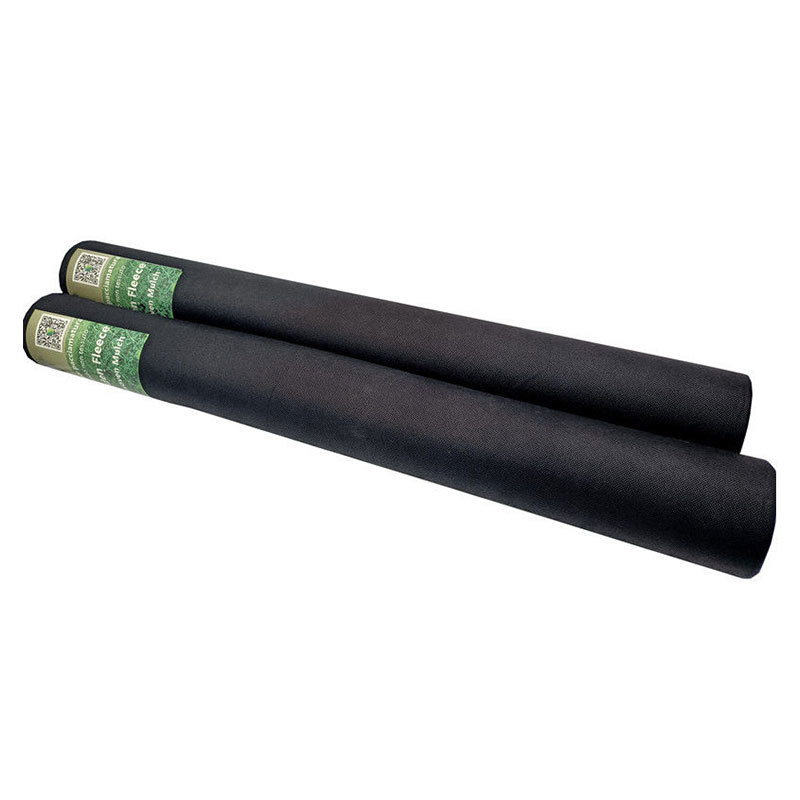
Polypropylene nonwoven fabric

LEAVE A MESSAGE
MESSAGE