




12
2025
-
09
Exploring the Versatility of Polyester Spunbond Fabric in Non-Woven Textiles
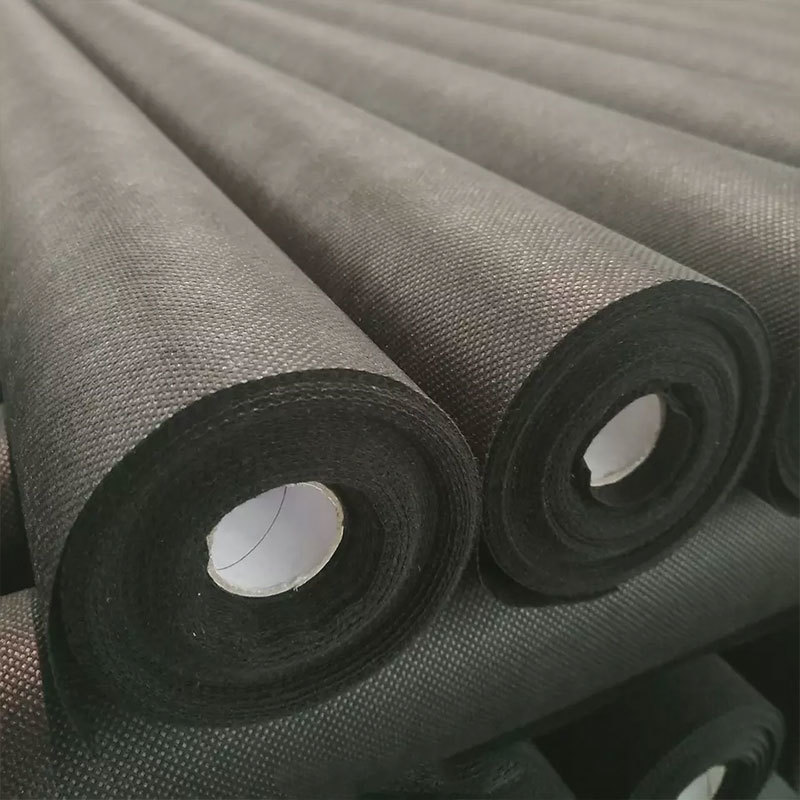
Polyester spunbond fabric is a type of non-woven textile that is produced by the continuous filament method, which involves extruding polyester fibers and bonding them together through heat and pressure. This innovative manufacturing process results in a fabric that possesses a unique combination of strength, durability, and flexibility, making it an ideal choice for a wide range of applications.

Polyester spunbond fabric is a type of non-woven textile that is produced by the continuous filament method, which involves extruding polyester fibers and bonding them together through heat and pressure. This innovative manufacturing process results in a fabric that possesses a unique combination of strength, durability, and flexibility, making it an ideal choice for a wide range of applications.
One of the most notable features of polyester spunbond fabric is its lightweight nature. Despite being robust, it is easy to handle and transport, making it suitable for various industries, including medical, automotive, construction, and agriculture. In the medical field, for example, the fabric is commonly used for surgical gowns, masks, and drapes due to its excellent barrier properties, which help protect against contaminants.
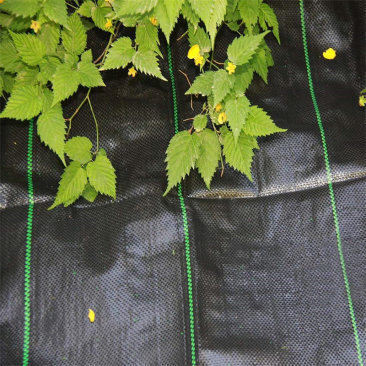
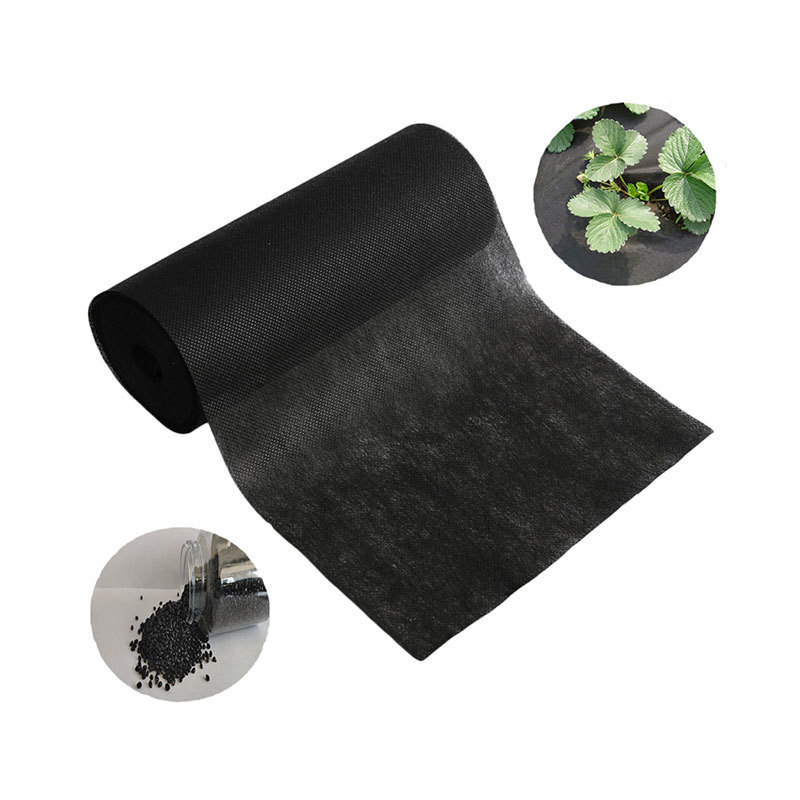
Additionally, polyester spunbond fabric exhibits excellent moisture resistance and breathability. This characteristic makes it an ideal material for products that require air circulation while maintaining protection. In the agricultural sector, it is often used as a ground cover or crop protection fabric, helping to regulate soil temperature and moisture while allowing essential light and air to reach plants.
The durability of polyester spunbond fabric is also impressive. It can withstand various environmental conditions, including exposure to UV light, making it suitable for outdoor applications such as geotextiles and landscape fabrics. These properties help ensure that products made from polyester spunbond fabric have a longer lifespan, reducing the need for frequent replacements.
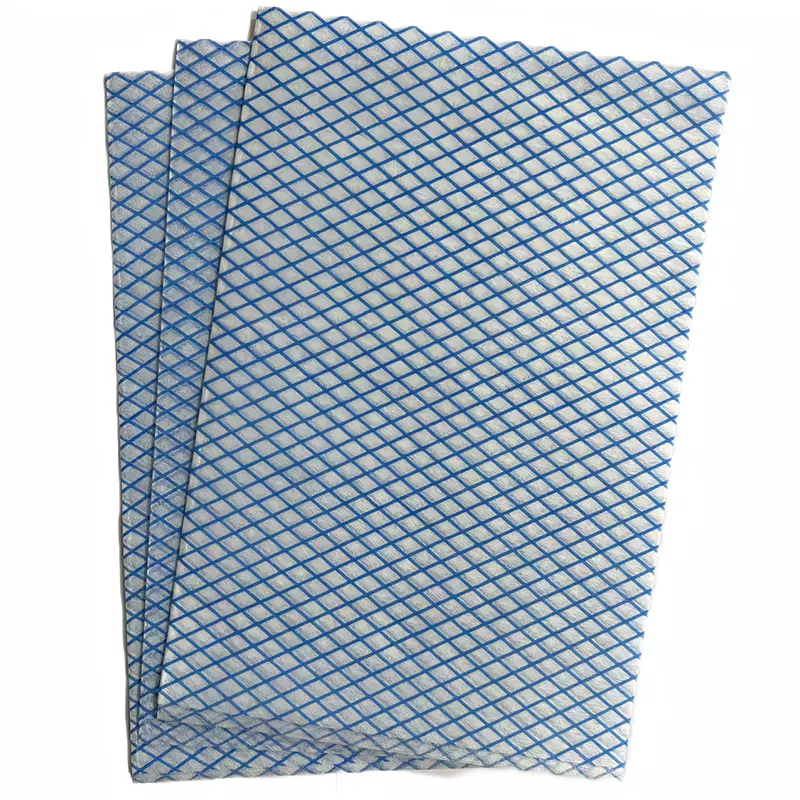
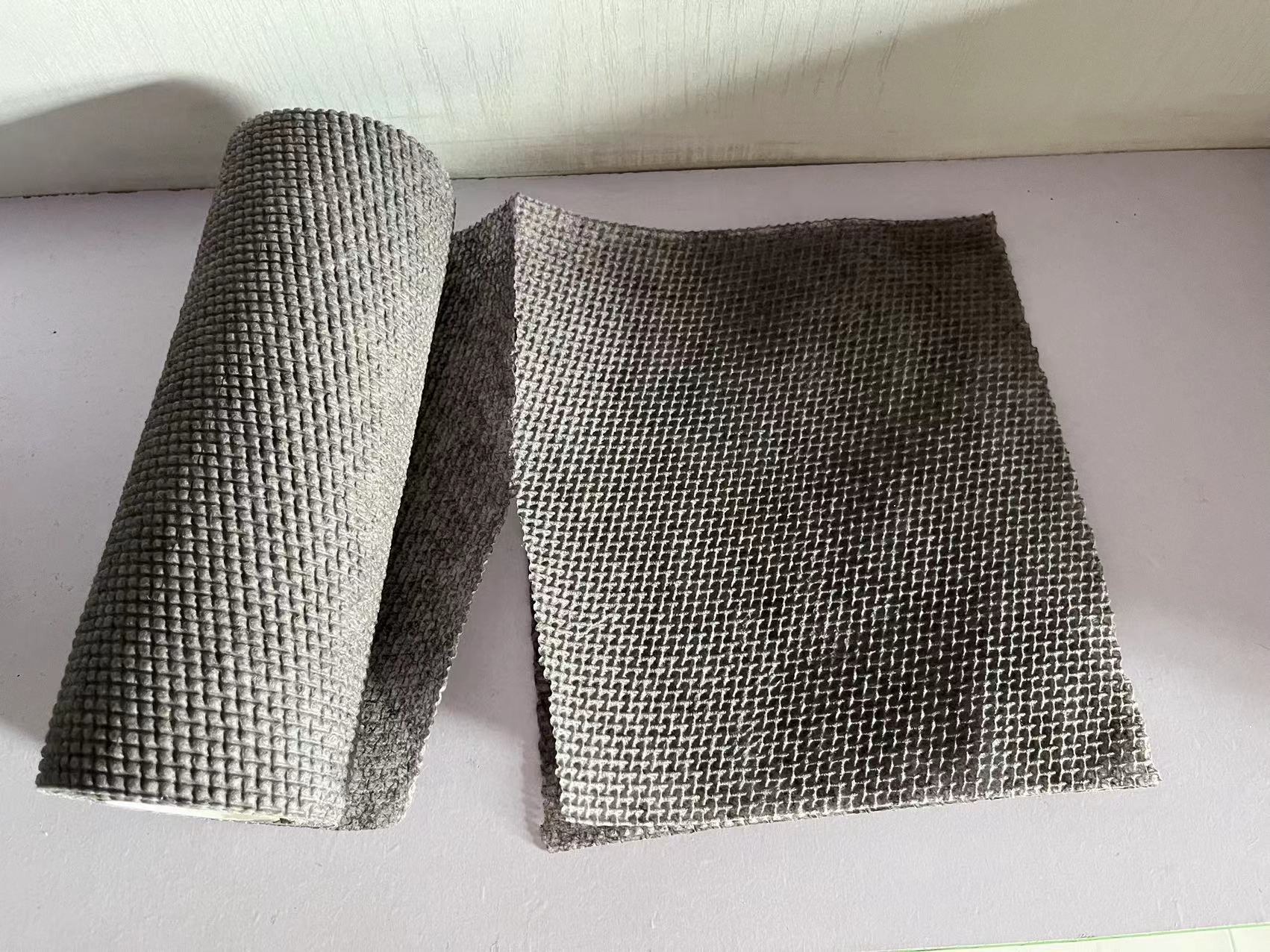
Furthermore, this type of fabric can be easily customized to meet specific requirements. It can be produced in various thicknesses, colors, and finishes, enabling manufacturers to create products that cater to diverse consumer preferences and market needs. This adaptability is particularly beneficial in sectors like fashion and home textiles, where aesthetics and functionality often go hand in hand.
Moreover, polyester spunbond fabric is also known for its eco-friendly attributes. Many manufacturers are adopting sustainable practices in their production processes, aiming to minimize environmental impact. Some polyester spunbond fabrics are made from recycled materials, contributing to a greener textile industry.
In summary, polyester spunbond fabric is a versatile and valuable material in the non-woven textile sector, offering an array of benefits such as strength, durability, moisture resistance, and customization options. Its wide range of applications across various industries makes it an essential component in many products, from medical supplies to agricultural solutions. Understanding the properties and uses of this fabric can help you make informed decisions when exploring options for your specific needs in the textile market.
One of the most notable features of polyester spunbond fabric is its lightweight nature. Despite being robust, it is easy to handle and transport, making it suitable for various industries, including medical, automotive, construction, and agriculture. In the medical field, for example, the fabric is commonly used for surgical gowns, masks, and drapes due to its excellent barrier properties, which help protect against contaminants.
Additionally, polyester spunbond fabric exhibits excellent moisture resistance and breathability. This characteristic makes it an ideal material for products that require air circulation while maintaining protection. In the agricultural sector, it is often used as a ground cover or crop protection fabric, helping to regulate soil temperature and moisture while allowing essential light and air to reach plants.
The durability of polyester spunbond fabric is also impressive. It can withstand various environmental conditions, including exposure to UV light, making it suitable for outdoor applications such as geotextiles and landscape fabrics. These properties help ensure that products made from polyester spunbond fabric have a longer lifespan, reducing the need for frequent replacements.
Furthermore, this type of fabric can be easily customized to meet specific requirements. It can be produced in various thicknesses, colors, and finishes, enabling manufacturers to create products that cater to diverse consumer preferences and market needs. This adaptability is particularly beneficial in sectors like fashion and home textiles, where aesthetics and functionality often go hand in hand.
Moreover, polyester spunbond fabric is also known for its eco-friendly attributes. Many manufacturers are adopting sustainable practices in their production processes, aiming to minimize environmental impact. Some polyester spunbond fabrics are made from recycled materials, contributing to a greener textile industry.
In summary, polyester spunbond fabric is a versatile and valuable material in the non-woven textile sector, offering an array of benefits such as strength, durability, moisture resistance, and customization options. Its wide range of applications across various industries makes it an essential component in many products, from medical supplies to agricultural solutions. Understanding the properties and uses of this fabric can help you make informed decisions when exploring options for your specific needs in the textile market.
polyester spunbond fabric

LEAVE A MESSAGE
MESSAGE