




13
2025
-
09
Choosing the Right Geotextile Landscape Fabric for Your Project: A Comprehensive Guide
Choosing the Right Geotextile Landscape Fabric for Your Project Table of Contents Introduction to Geotextile Landscape Fabric Understanding Geotextiles: Types and Functions Woven Geotextiles Non-Woven Geotextiles Composite Geotextiles Key Properties of Geotextile Fabrics Applications of Geotextiles in Land

Choosing the Right Geotextile Landscape Fabric for Your Project
Table of Contents
- Introduction to Geotextile Landscape Fabric
- Understanding Geotextiles: Types and Functions
- Key Properties of Geotextile Fabrics
- Applications of Geotextiles in Landscaping and Construction
- How to Choose the Right Geotextile for Your Project
- Installation Tips for Geotextile Landscape Fabrics
- Maintenance Requirements for Longevity
- FAQs About Geotextile Landscape Fabrics
- Conclusion
Introduction to Geotextile Landscape Fabric
Geotextile landscape fabric is an essential component in modern construction and landscaping projects. It functions primarily in soil stabilization, erosion control, and drainage improvement. By providing a barrier between soil layers, these fabrics enhance the structural integrity of landscapes and construction sites. Understanding how to choose the right geotextile fabric can significantly impact the success of your project.
Understanding Geotextiles: Types and Functions
Geotextiles can be categorized into three main types, each serving unique applications based on their construction and material properties.
Woven Geotextiles
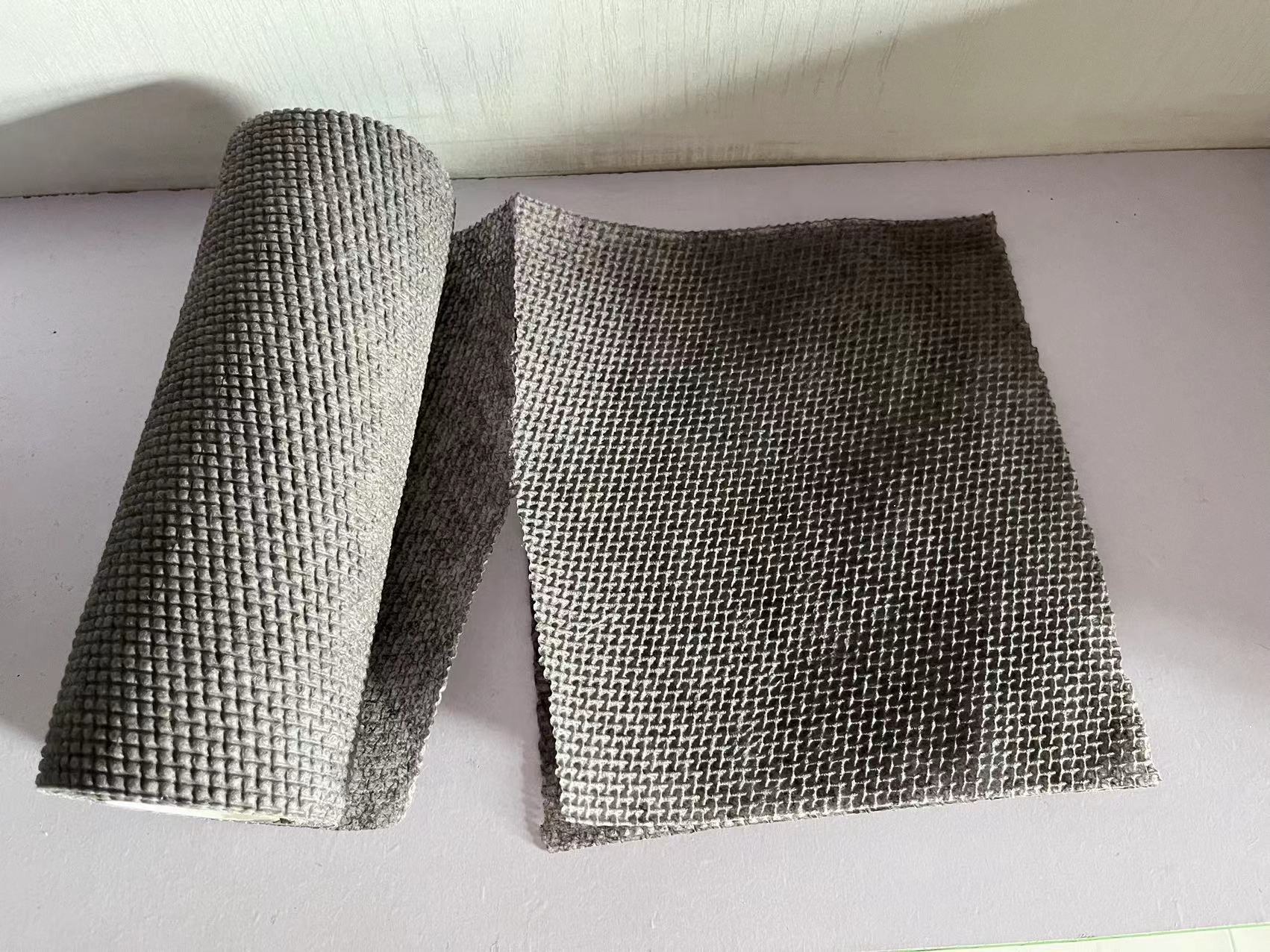
Woven geotextiles are made by interlacing fibers, which results in a strong, durable material. They are primarily used for reinforcement and separation purposes. The high tensile strength of woven fabrics makes them ideal for applications that require load distribution, such as under roadways and in retaining walls.
Non-Woven Geotextiles
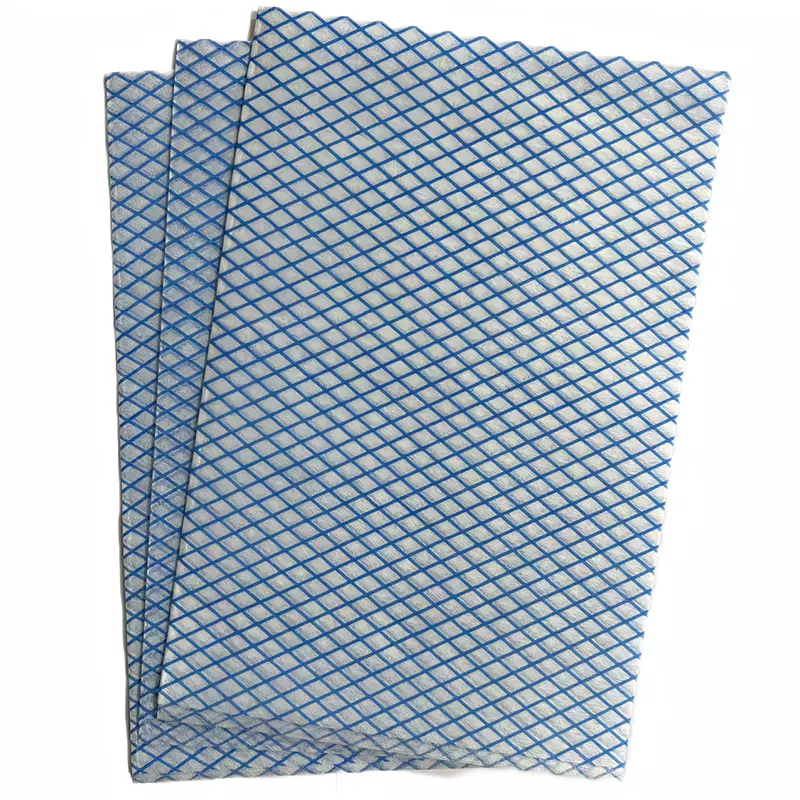
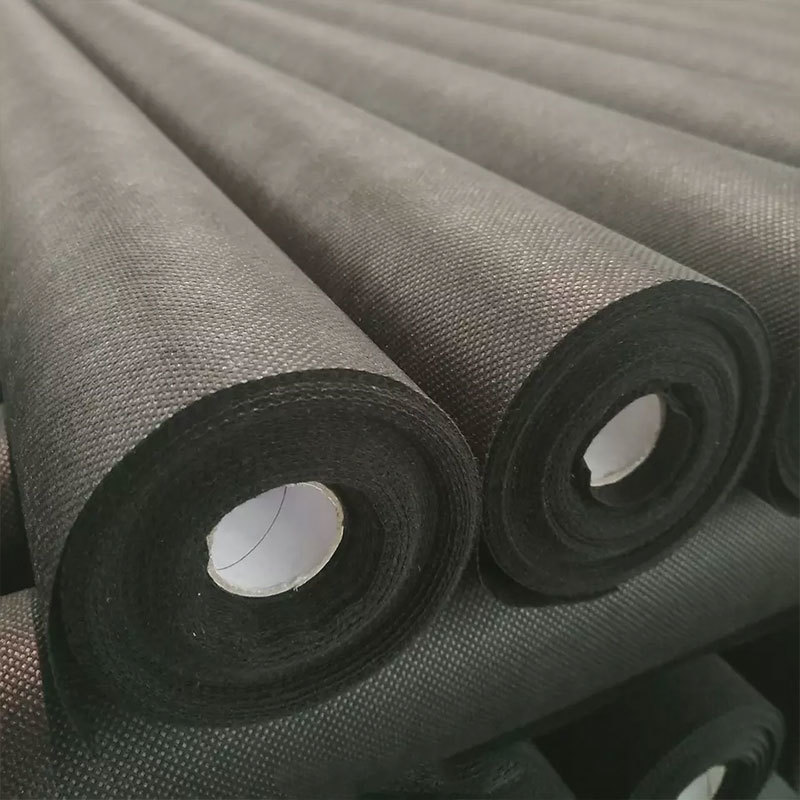
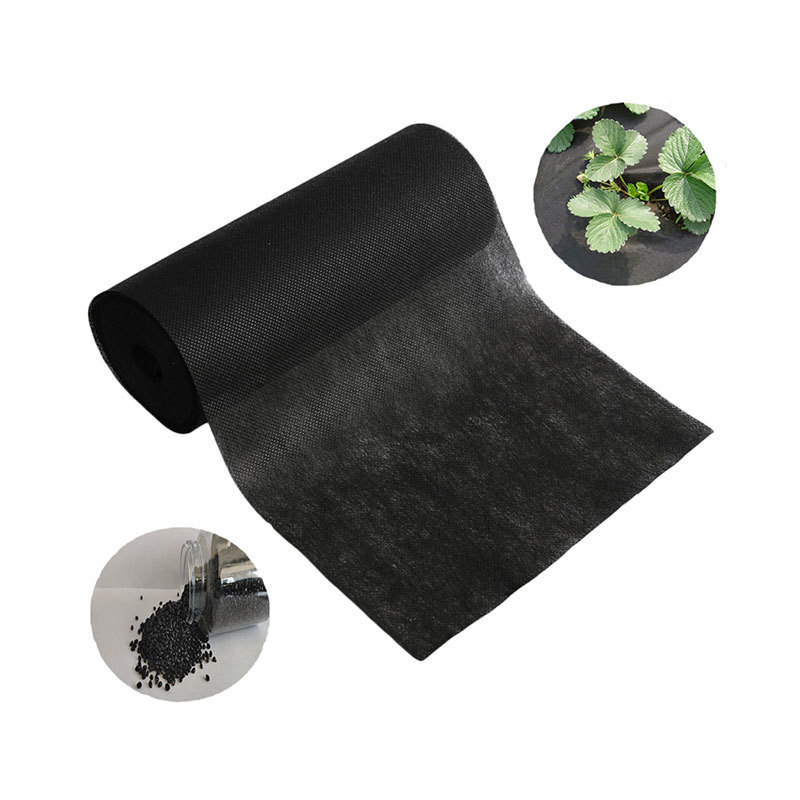
Non-woven geotextiles are produced by bonding fibers together through mechanical, thermal, or chemical processes. These fabrics are permeable, allowing water to flow while preventing soil erosion. They are commonly used in drainage systems, landscaping projects, and as protective barriers against soil displacement.
Composite Geotextiles
Composite geotextiles combine the properties of both woven and non-woven fabrics, offering versatility in various applications. They are designed to provide both drainage and soil separation, making them ideal for projects requiring multiple functionalities.
Key Properties of Geotextile Fabrics
When selecting geotextile landscape fabric, it is crucial to understand the key properties that define their performance:
- **Permeability**: This measures the fabric's ability to allow water flow, essential for drainage applications.
- **Tensile Strength**: Indicates the fabric's resistance to pulling forces, critical for reinforcement applications.
- **UV Resistance**: Ensures durability and longevity when exposed to sunlight.
- **Chemical Resistance**: Determines how well the fabric withstands exposure to chemicals and pollutants in the soil.
- **Durability**: The fabric's ability to withstand environmental stressors, including temperature fluctuations and mechanical loads.
Applications of Geotextiles in Landscaping and Construction
Geotextiles find extensive use in both landscaping and construction. Here are some common applications:
- **Erosion Control**: They help stabilize soil and prevent erosion in slopes and riverbanks.
- **Drainage Systems**: Used in subsurface drainage projects, geotextiles filter water while retaining soil.
- **Road Construction**: They act as a separation layer, preventing the mixing of subgrade soil with aggregate.
- **Landfill Liners**: Geotextiles provide a protective barrier in landfill designs to prevent leachate migration.
- **Retaining Walls**: They reinforce walls by providing additional strength and stability.
How to Choose the Right Geotextile for Your Project
Selecting the appropriate geotextile landscape fabric involves careful consideration of various factors.
Consider Your Project Requirements
Identify the specific requirements of your project. Determine whether you need drainage, erosion control, or reinforcement. Each application may necessitate a different type of geotextile.
Evaluate Environmental Factors
Assess the environmental conditions where the fabric will be installed. Factors such as soil type, moisture levels, and climate conditions can influence your choice of geotextile.
Budget Considerations
While it may be tempting to opt for the least expensive fabric, investing in high-quality geotextiles can save money in the long run. Consider the overall cost-effectiveness, factoring in durability and performance.
Installation Tips for Geotextile Landscape Fabrics
Proper installation is crucial to ensure the effectiveness of geotextile fabrics. Here are some tips to follow:
- **Surface Preparation**: Clear the area of debris and sharp objects before installation.
- **Layer Placement**: Overlap fabric edges by at least 12 inches to prevent soil migration.
- **Secure the Fabric**: Use stakes or pins to secure the fabric in place, especially on slopes.
- **Proper Backfill**: Avoid excessive backfilling on the fabric, which can lead to damage.
Maintenance Requirements for Longevity
To maximize the lifespan of your geotextile landscape fabric, consider the following maintenance practices:
- **Regular Inspections**: Check for signs of wear or damage periodically.
- **Debris Removal**: Keep the surface clear of debris, leaves, and other organic matter that may hinder water flow.
- **Repair Damages Promptly**: Address any tears or punctures quickly to maintain the fabric's integrity.
FAQs About Geotextile Landscape Fabrics
1. What is the lifespan of geotextile landscape fabrics?
The lifespan varies based on material type and environmental factors but generally ranges from 5 to 30 years.
2. Can geotextile fabrics be reused?
Yes, geotextile fabrics can often be reused if they remain in good condition and are properly cleaned.
3. How do I determine the right weight of fabric for my project?
The weight of the fabric should correspond to the specific application and load requirements of your project.
4. Are there eco-friendly geotextile options available?
Yes, several manufacturers offer biodegradable and environmentally friendly geotextile fabrics.
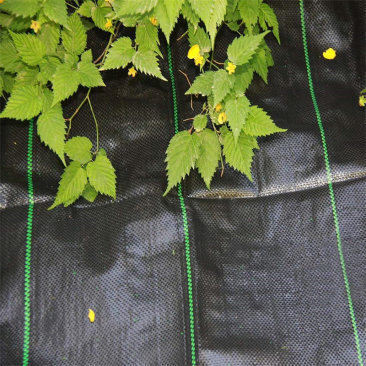
5. Can geotextiles help with weed control?
While not designed specifically for weed control, geotextiles can reduce weed growth when used under mulch or gravel.
Conclusion
Choosing the right geotextile landscape fabric is pivotal for the success of any construction or landscaping project. By understanding the different types, key properties, and applications of geotextile fabrics, you can make informed decisions that will enhance the durability and effectiveness of your work. With the right selection and proper installation, geotextiles can significantly improve soil stability, drainage, and overall project longevity. Prioritize your project needs and environmental factors to select the best geotextile fabric, ensuring a successful outcome for your landscape or construction endeavor.
geotextile landscape fabric

LEAVE A MESSAGE
MESSAGE