



15
2025
-
09
The Role of Permeable Landscape Fabric in Erosion Control: A Comprehensive Guide
The Role of Permeable Landscape Fabric in Erosion Control Erosion poses significant challenges in landscaping and construction, leading to loss of soil, structural instability, and increased maintenance costs. Fortunately, permeable landscape fabric emerges as a powerful tool in erosion control, providing a sustainable solution for various applications. This article delves into the multifaceted

The Role of Permeable Landscape Fabric in Erosion Control
Erosion poses significant challenges in landscaping and construction, leading to loss of soil, structural instability, and increased maintenance costs. Fortunately, permeable landscape fabric emerges as a powerful tool in erosion control, providing a sustainable solution for various applications. This article delves into the multifaceted role of permeable landscape fabric, its advantages, installation techniques, and effective maintenance practices.
Table of Contents
- 1. Introduction to Erosion and Its Impact
- 2. What is Permeable Landscape Fabric?
- 3. Benefits of Using Permeable Landscape Fabric for Erosion Control
- 4. Applications of Permeable Landscape Fabric in Erosion Control
- 5. How to Properly Install Permeable Landscape Fabric
- 6. Maintenance Tips for Longevity
- 7. Common Mistakes to Avoid
- 8. Case Studies: Successful Erosion Control with Landscape Fabric
- 9. Conclusion
- 10. Frequently Asked Questions
1. Introduction to Erosion and Its Impact
Erosion is a natural process that involves the displacement of soil and rock caused by wind, water, and human activity. However, unchecked erosion can lead to significant environmental issues, including:
- Loss of fertile soil, affecting agricultural productivity
- Water pollution due to sediment runoff
- Property damage and increased costs for landowners
- Disruption of natural habitats and biodiversity
Understanding the causes and consequences of erosion is crucial for implementing effective control measures. Among these, permeable landscape fabric serves as an innovative solution, bridging the gap between nature and construction practices.
2. What is Permeable Landscape Fabric?
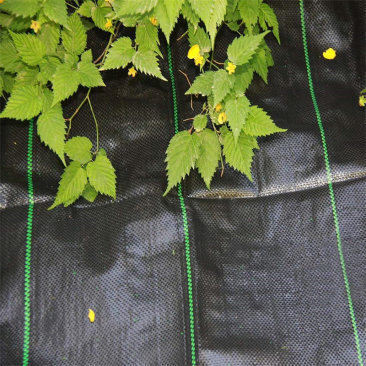
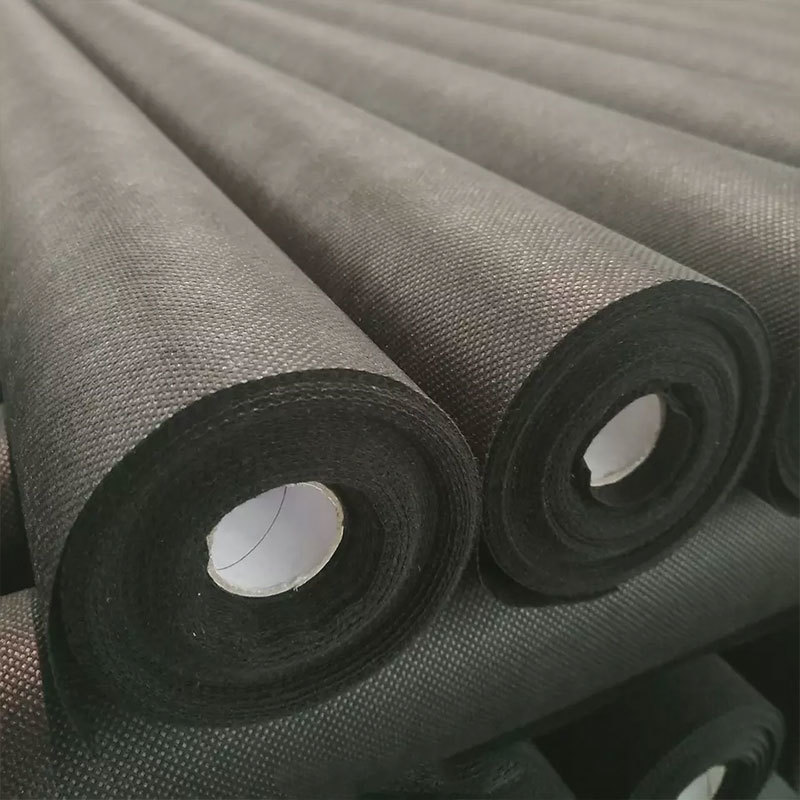
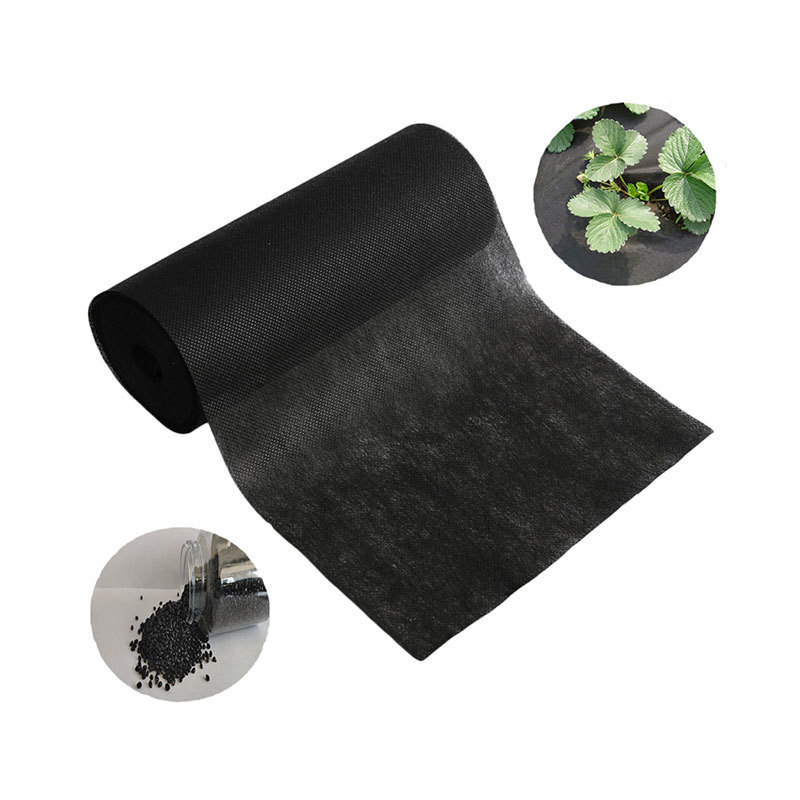
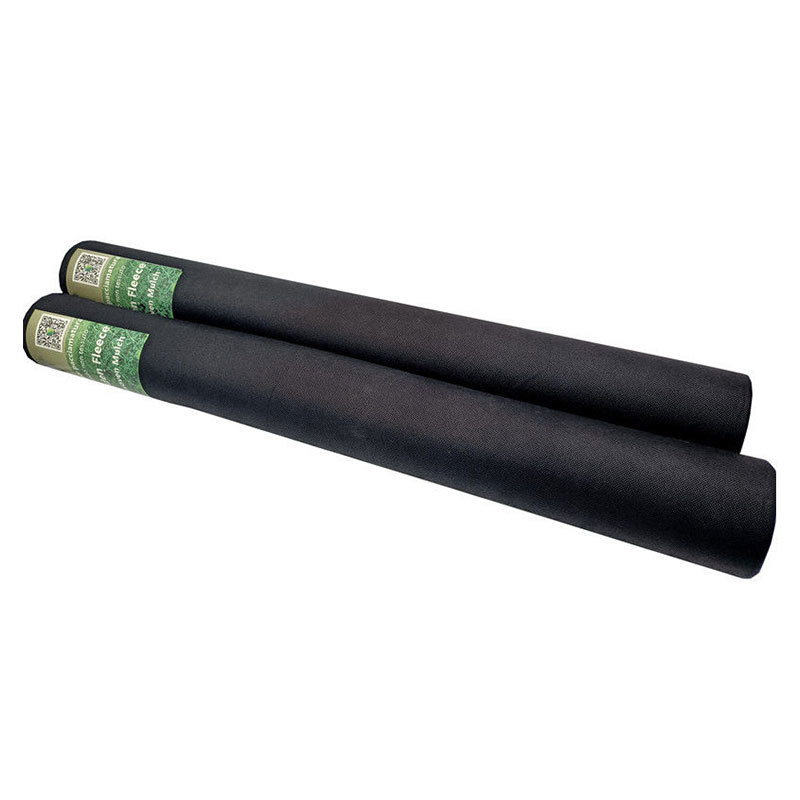
Permeable landscape fabric is a geotextile material designed to allow water, air, and nutrients to pass through while preventing soil erosion and retaining sediment. Made from various synthetic or natural fibers, permeable fabrics are widely used in landscaping, gardening, and construction projects. Their primary functions include:
- Filtering out soil particles while allowing water drainage
- Supporting vegetation growth by maintaining soil moisture
- Creating a stable base for pathways and driveways
- Facilitating natural drainage in areas prone to flooding
3. Benefits of Using Permeable Landscape Fabric for Erosion Control
The benefits of permeable landscape fabric are extensive, making it an invaluable asset in erosion control efforts. Here are some key advantages:
3.1 Soil Stabilization
Permeable landscape fabric acts as a barrier that holds soil in place, preventing displacement caused by water runoff or wind. This stabilization is crucial for areas with steep slopes or loose soil, minimizing the risk of landslides or washouts.
3.2 Improved Drainage
By allowing water to flow freely while filtering out sediment, permeable fabric promotes effective drainage. This is particularly beneficial in areas with heavy rainfall, preventing water accumulation and reducing the likelihood of erosion during storms.
3.3 Enhanced Plant Growth
The fabric provides essential support for plant roots, allowing them to grow while preventing soil erosion. Additionally, it retains moisture in the soil, promoting healthier vegetation that further stabilizes the landscape.
3.4 Versatility and Adaptability
Permeable landscape fabric can be used in various applications, from residential gardens to commercial construction sites. Its adaptability makes it suitable for different soil types and environmental conditions.
3.5 Cost-Effectiveness
Investing in permeable fabric can lead to long-term savings by reducing the need for extensive maintenance and repairs associated with erosion damage. It offers a sustainable, low-maintenance solution for landowners and contractors alike.
4. Applications of Permeable Landscape Fabric in Erosion Control
Permeable landscape fabric can be employed in a variety of settings, enhancing erosion control measures in multiple contexts:
4.1 Landscaping Projects
In residential landscaping, permeable fabric can be used to create stable flower beds, retaining walls, and sloped gardens. By controlling erosion, it allows homeowners to cultivate beautiful, sustainable landscapes.
4.2 Construction Sites
During construction, permeable landscape fabric serves as a protective layer for soil, preventing erosion and sediment runoff. It is often used in conjunction with silt fences and other erosion control measures to comply with environmental regulations.
4.3 Road and Pathway Construction
For roads and pathways, permeable fabric provides a robust base that supports heavy traffic while allowing water to drain. This helps to prevent potholes and surface erosion caused by rain and snow.
4.4 Drainage Solutions
In areas prone to flooding, permeable landscape fabric can be integrated with drainage systems to manage excess water. It facilitates the movement of water while filtering out debris and sediment, ensuring effective drainage.
5. How to Properly Install Permeable Landscape Fabric
Installing permeable landscape fabric correctly is essential for maximizing its effectiveness in erosion control. Follow these steps for a successful installation:
5.1 Site Preparation
Begin by clearing the installation area of debris, rocks, and vegetation. Level the ground to ensure an even surface, as this will enhance the fabric's performance.
5.2 Laying the Fabric
Roll out the permeable landscape fabric over the prepared area, ensuring it overlaps by at least 12 inches at the seams. Secure the fabric with landscape staples or pins to keep it in place during installation.
5.3 Trimming and Securing Edges
Trim the edges of the fabric to fit the contour of the landscape. Make sure to secure the edges with soil or additional staples to prevent wind from lifting the fabric.
5.4 Adding Soil and Mulch
After the fabric is laid, add a layer of soil or mulch on top. This not only enhances aesthetics but also provides additional weight to hold the fabric in place.
6. Maintenance Tips for Longevity
To ensure the longevity and effectiveness of permeable landscape fabric, regular maintenance is crucial. Here are some tips:
6.1 Regular Inspections
Inspect the fabric periodically for signs of wear or damage. Look for areas where soil may be washing away or where the fabric may have shifted.
6.2 Cleaning and Repair
If debris accumulates on the fabric, gently clean it off to maintain permeability. For any damaged sections, repair or replace them promptly to prevent erosion.
6.3 Vegetation Management
Encourage healthy plant growth by managing weeds and ensuring adequate irrigation. Healthy vegetation will contribute to soil stability and reduce erosion.
7. Common Mistakes to Avoid
To maximize the effectiveness of permeable landscape fabric, avoid these common installation and maintenance mistakes:
7.1 Skipping Site Preparation
Failing to prepare the site properly can lead to insufficient stability. Always clear the area and ensure it’s level before laying the fabric.
7.2 Improper Overlapping
Inadequate overlapping of seams can result in erosion at the joints. Ensure a minimum overlap of 12 inches to maintain a continuous barrier.
7.3 Neglecting Maintenance
Ignoring regular inspections and maintenance can lead to fabric degradation. Keep an eye on the fabric’s condition and perform necessary upkeep.
8. Case Studies: Successful Erosion Control with Landscape Fabric
Several successful projects highlight the effectiveness of permeable landscape fabric in erosion control across various landscapes:
8.1 Urban Development Projects
In a recent urban development in Seattle, permeable landscape fabric was utilized to control erosion on sloped terrains. The project resulted in reduced sediment runoff into nearby waterways and enhanced landscape stability.
8.2 Agricultural Land Restoration
Agricultural fields in California have also benefitted from the use of permeable landscape fabric. By preventing soil erosion during heavy rains, farmers reported higher crop yields and improved soil health.
9. Conclusion
Permeable landscape fabric plays a crucial role in erosion control by providing a sustainable solution that stabilizes soil, promotes drainage, and enhances plant growth. As we face increasing environmental challenges, the importance of implementing effective erosion control measures cannot be overstated. By understanding the benefits, applications, and best practices associated with permeable landscape fabric, landowners and contractors can make informed decisions that contribute to healthier landscapes and sustainable ecosystems.
10. Frequently Asked Questions
10.1 What is the lifespan of permeable landscape fabric?
The lifespan of permeable landscape fabric can vary depending on the material and environmental conditions. On average, it lasts between 5 to 10 years with proper maintenance.
10.2 Can permeable landscape fabric be used in wet areas?
Yes, permeable landscape fabric is particularly effective in wet areas as it facilitates drainage while preventing soil erosion.
10.3 How do I know if my landscape fabric needs replacing?
Signs that your landscape fabric may need replacing include visible tears, significant soil erosion, or diminished water permeability.
10.4 Is permeable landscape fabric eco-friendly?
Many manufacturers produce permeable landscape fabric from recycled materials, making it an eco-friendly option for erosion control.
10.5 Can I install permeable landscape fabric myself?
Yes, with proper research and preparation, many homeowners can successfully install permeable landscape fabric. Just ensure you follow best practices for maximum effectiveness.
permeable landscape fabric

LEAVE A MESSAGE
MESSAGE