




16
2025
-
09
Benefits and Uses of Garden Ground Cover Fabric: A Comprehensive Guide
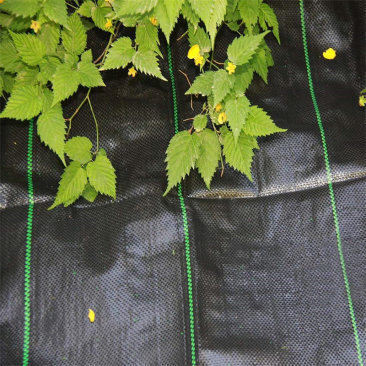
Garden ground cover fabric, often referred to as landscaping fabric or weed barrier, serves as a crucial component in various gardening and landscaping projects. This material is designed to suppress weed growth, enhance soil moisture retention, and improve overall soil health. Understanding the benefits and applications of garden ground cover fabric can help you make informed decisions when integ

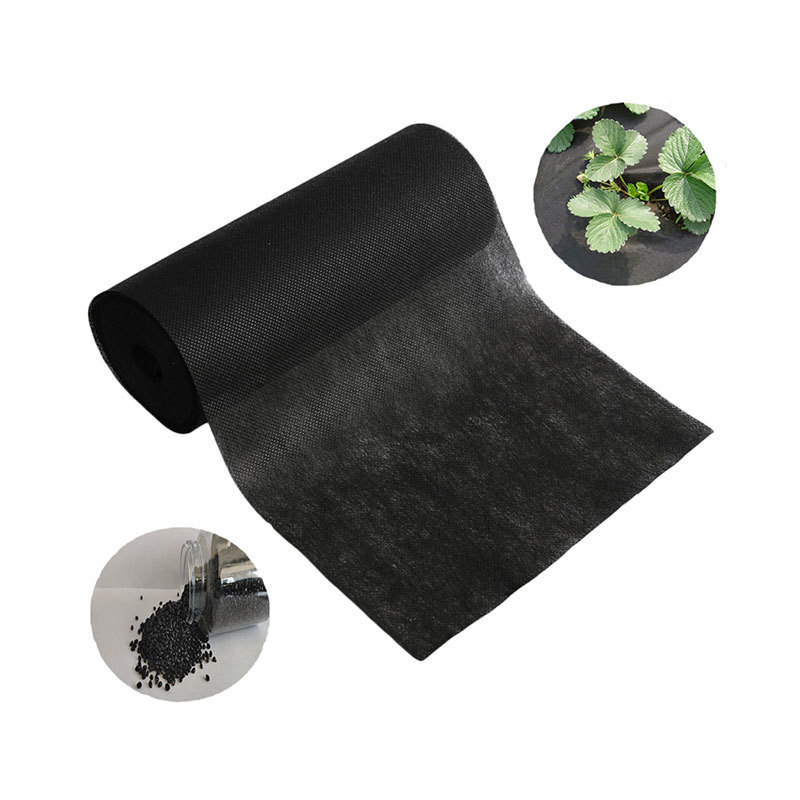
Garden ground cover fabric, often referred to as landscaping fabric or weed barrier, serves as a crucial component in various gardening and landscaping projects. This material is designed to suppress weed growth, enhance soil moisture retention, and improve overall soil health. Understanding the benefits and applications of garden ground cover fabric can help you make informed decisions when integrating it into your projects.
One of the primary advantages of using garden ground cover fabric is its ability to prevent weeds. Weeds compete with your plants for essential nutrients and water, which can hinder their growth. By laying down ground cover fabric, you create a physical barrier that blocks sunlight from reaching the weeds, effectively reducing their growth while allowing air and water to penetrate the soil. This significantly reduces the need for chemical herbicides, making it an environmentally friendly option for landscape maintenance.
Moreover, garden ground cover fabric helps to retain soil moisture, which is especially beneficial in arid climates or during dry seasons. It minimizes evaporation by covering the soil surface, thus keeping the moisture locked in for longer periods. This moisture retention promotes healthier root systems for your plants, leading to robust growth and increased resilience against drought conditions. Additionally, when used in conjunction with mulch, the effectiveness of moisture conservation is further enhanced, providing your garden with the optimal environment for flourishing.
In terms of application, garden ground cover fabric is incredibly versatile. It can be used in various settings, including flower beds, vegetable gardens, and pathways. When installing, it's important to cut the fabric to fit the designated area and secure it with staples or landscape pins to prevent shifting. Over time, organic matter such as leaves and compost can accumulate on top of the fabric, enriching the soil and simultaneously providing additional weed suppression.
Another notable feature of garden ground cover fabric is its durability. Made from high-quality synthetic materials, it can withstand varying weather conditions, making it suitable for long-term use. This durability translates into cost-effectiveness over time, as you may not need to replace it as frequently as other types of ground cover solutions.
In summary, garden ground cover fabric is an essential tool for anyone looking to enhance their landscaping or gardening efforts. Its ability to suppress weeds, retain moisture, and promote healthy soil makes it a valuable asset in the construction and decorative materials industry. By understanding its various applications and benefits, you can effectively utilize this material to create beautiful and sustainable outdoor spaces. Whether you’re a professional landscaper or a gardening enthusiast, incorporating garden ground cover fabric into your projects will yield significant advantages and contribute to the long-term health of your garden.
One of the primary advantages of using garden ground cover fabric is its ability to prevent weeds. Weeds compete with your plants for essential nutrients and water, which can hinder their growth. By laying down ground cover fabric, you create a physical barrier that blocks sunlight from reaching the weeds, effectively reducing their growth while allowing air and water to penetrate the soil. This significantly reduces the need for chemical herbicides, making it an environmentally friendly option for landscape maintenance.
Moreover, garden ground cover fabric helps to retain soil moisture, which is especially beneficial in arid climates or during dry seasons. It minimizes evaporation by covering the soil surface, thus keeping the moisture locked in for longer periods. This moisture retention promotes healthier root systems for your plants, leading to robust growth and increased resilience against drought conditions. Additionally, when used in conjunction with mulch, the effectiveness of moisture conservation is further enhanced, providing your garden with the optimal environment for flourishing.
In terms of application, garden ground cover fabric is incredibly versatile. It can be used in various settings, including flower beds, vegetable gardens, and pathways. When installing, it's important to cut the fabric to fit the designated area and secure it with staples or landscape pins to prevent shifting. Over time, organic matter such as leaves and compost can accumulate on top of the fabric, enriching the soil and simultaneously providing additional weed suppression.
Another notable feature of garden ground cover fabric is its durability. Made from high-quality synthetic materials, it can withstand varying weather conditions, making it suitable for long-term use. This durability translates into cost-effectiveness over time, as you may not need to replace it as frequently as other types of ground cover solutions.
In summary, garden ground cover fabric is an essential tool for anyone looking to enhance their landscaping or gardening efforts. Its ability to suppress weeds, retain moisture, and promote healthy soil makes it a valuable asset in the construction and decorative materials industry. By understanding its various applications and benefits, you can effectively utilize this material to create beautiful and sustainable outdoor spaces. Whether you’re a professional landscaper or a gardening enthusiast, incorporating garden ground cover fabric into your projects will yield significant advantages and contribute to the long-term health of your garden.
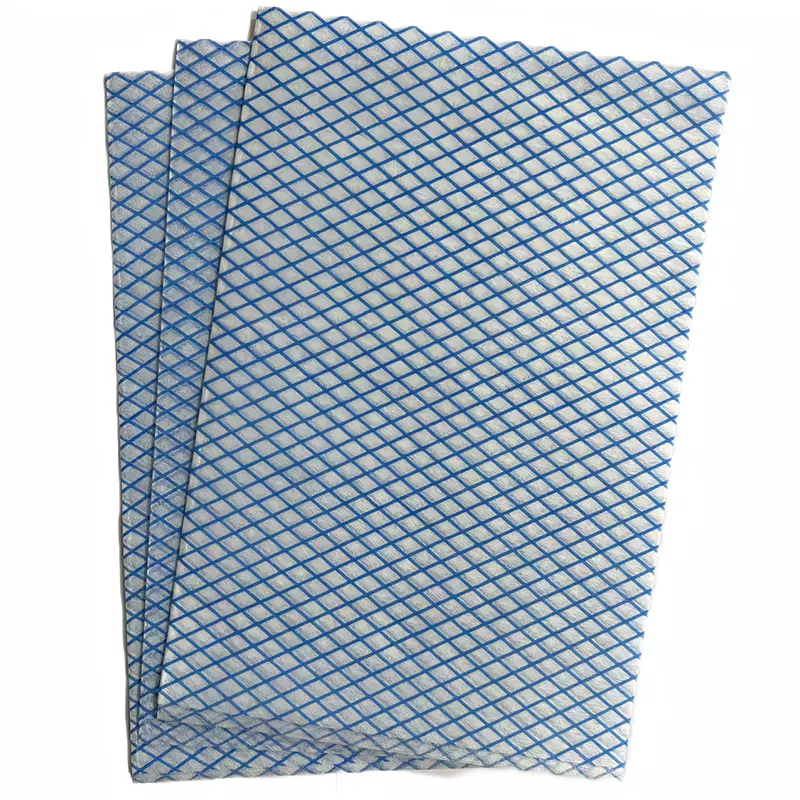
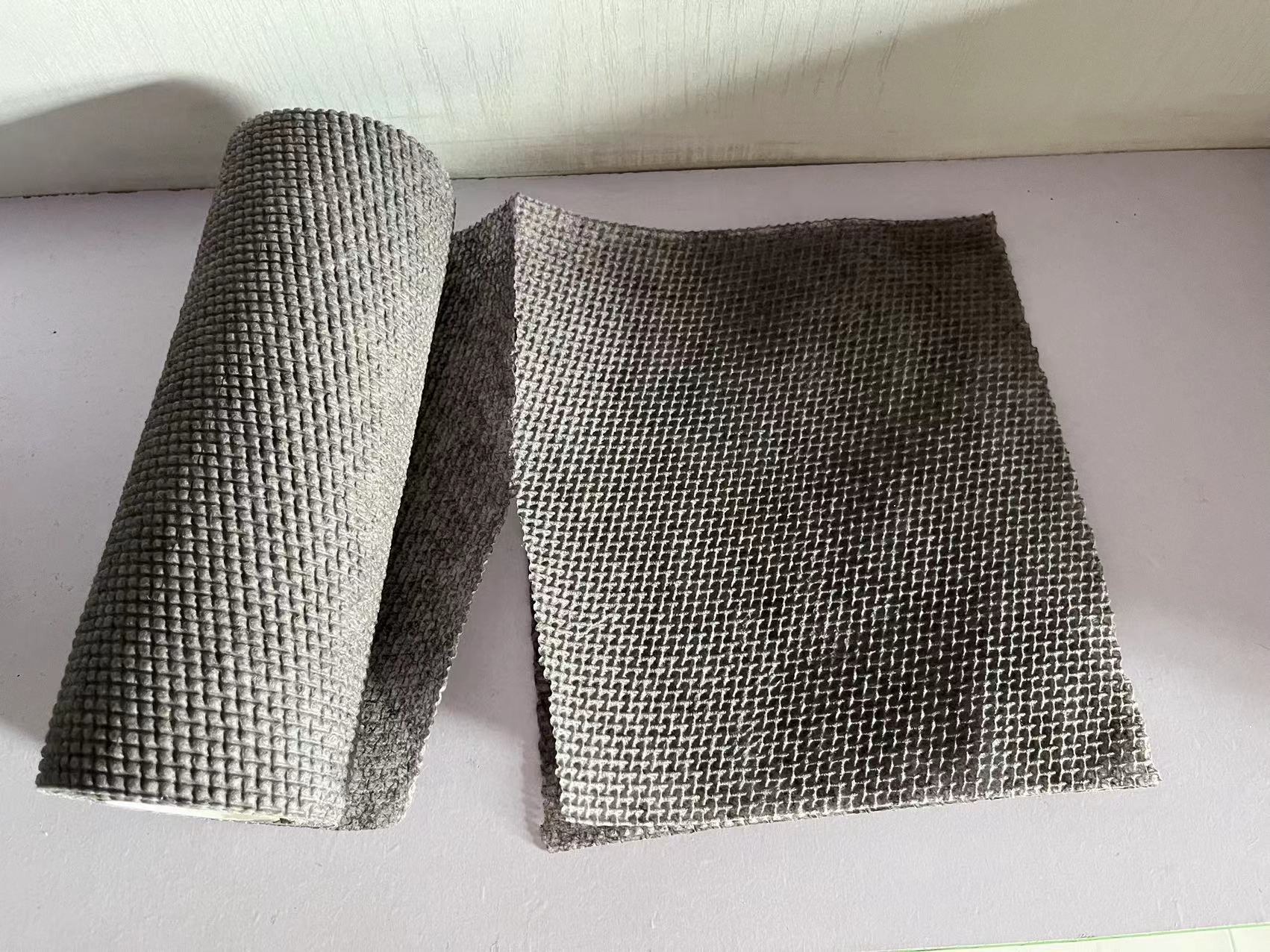
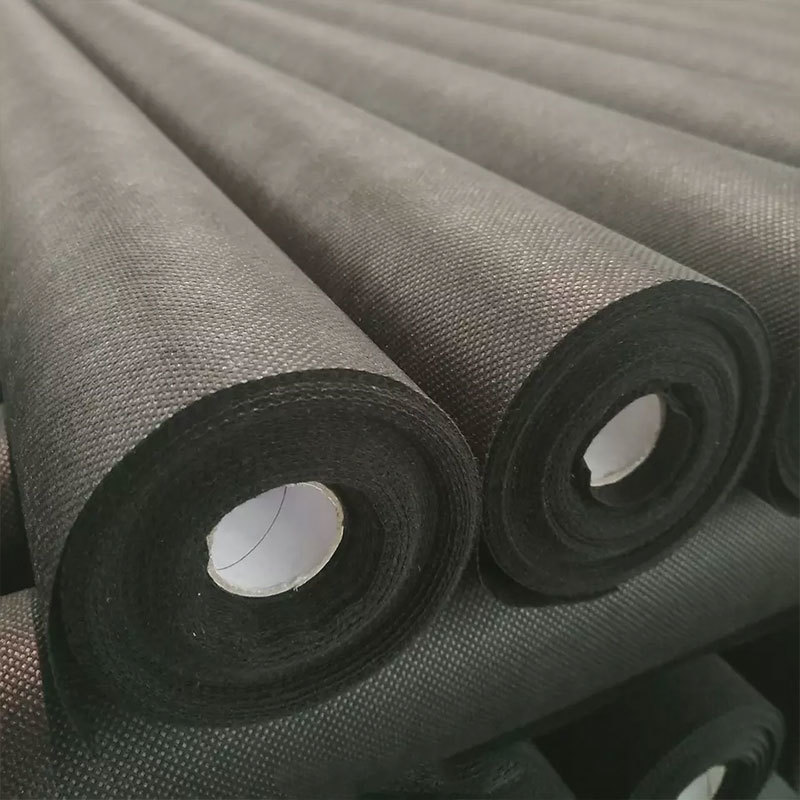
garden ground cover fabric

LEAVE A MESSAGE
MESSAGE