




17
2025
-
09
Woven Ground Cover Fabric: The Sustainable Solution Your Garden Needs
Woven Ground Cover Fabric: A Sustainable Solution for Gardening Table of Contents 1. Introduction to Woven Ground Cover Fabric 2. Benefits of Using Woven Ground Cover Fabric 3. Types of Woven Ground Cover Fabrics 4. Installation Process of Woven Ground Cover Fabric 5. Maintenance Tips for Woven Ground Cover Fabric 6. Environmental Impact and Sustainability 7. Cost Anal

Woven Ground Cover Fabric: A Sustainable Solution for Gardening
Table of Contents
- 1. Introduction to Woven Ground Cover Fabric
- 2. Benefits of Using Woven Ground Cover Fabric
- 3. Types of Woven Ground Cover Fabrics
- 4. Installation Process of Woven Ground Cover Fabric
- 5. Maintenance Tips for Woven Ground Cover Fabric
- 6. Environmental Impact and Sustainability
- 7. Cost Analysis of Woven Ground Cover Fabric
- 8. FAQs about Woven Ground Cover Fabric
- 9. Conclusion
1. Introduction to Woven Ground Cover Fabric
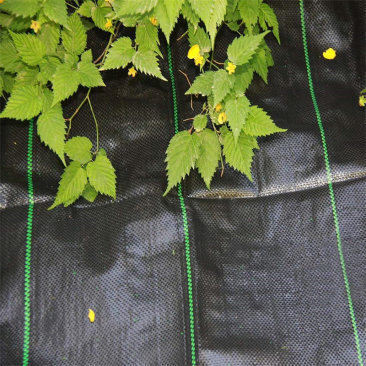
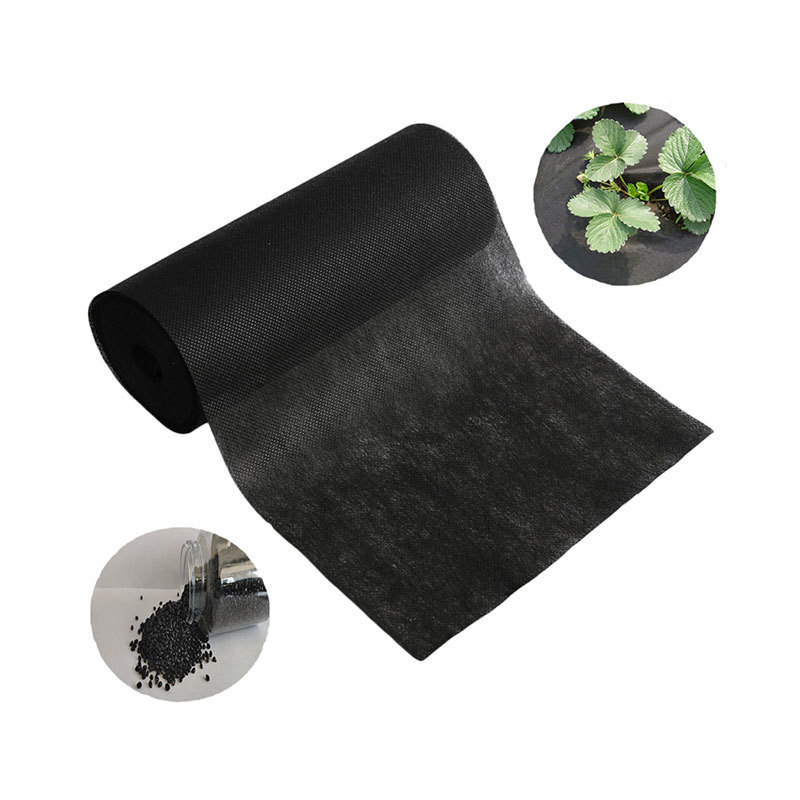
In the realm of gardening, **woven ground cover fabric** serves as a transformative tool that promotes a sustainable approach to landscaping. This innovative material is specifically designed to suppress weeds while allowing air and moisture to percolate through the soil. With an increasing focus on eco-friendly gardening practices, woven ground cover fabric emerges as a leading choice for gardeners aiming to minimize environmental impact without sacrificing beauty or plant health.
2. Benefits of Using Woven Ground Cover Fabric
Woven ground cover fabric offers a multitude of advantages that contribute to its growing popularity among gardeners and landscapers alike. Here are some key benefits:
2.1 Effective Weed Control
One of the primary challenges in gardening is managing weeds. Woven ground cover fabric serves as a barrier that inhibits weed growth while allowing necessary nutrients and water to reach plant roots.
2.2 Soil Moisture Retention
Woven fabrics assist in retaining soil moisture, reducing the need for frequent watering. This is especially beneficial in regions where water scarcity is a concern.
2.3 Enhanced Soil Quality
By preventing soil erosion and promoting healthy microbial activity, woven ground cover fabric helps to enhance overall soil quality, leading to healthier plants.
2.4 Versatility in Applications
Woven ground cover fabric can be utilized in various gardening contexts, including flower beds, vegetable gardens, and landscape design. Its adaptability makes it a favorite among both amateur and professional gardeners.
2.5 Eco-Friendly Material
Manufactured from sustainable materials, many woven ground cover fabrics are biodegradable or recyclable, making them an environmentally conscious choice.
3. Types of Woven Ground Cover Fabrics
When it comes to selecting woven ground cover fabric, understanding the different types available can greatly influence your choice. Here are some popular options:
3.1 Polypropylene Fabric
Polypropylene is a common material used in woven ground cover fabrics due to its durability and resistance to UV rays. This type is ideal for long-term use in gardens.
3.2 Natural Fiber Fabrics
Natural fibers, such as jute and coir, offer biodegradable options for gardeners interested in sustainable practices. These fabrics break down over time, enriching the soil.
3.3 Non-Woven Fabrics
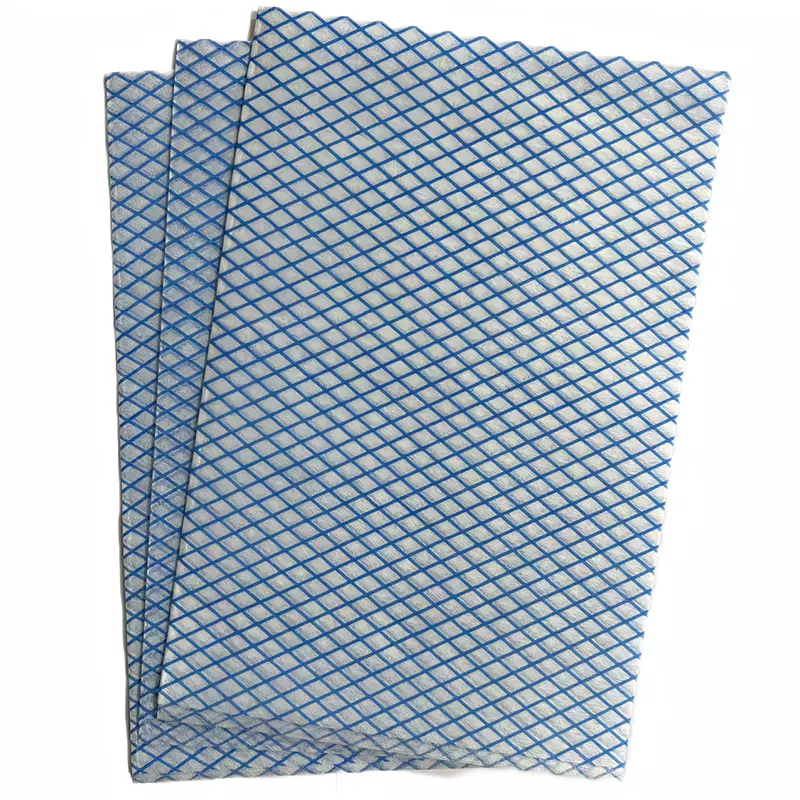
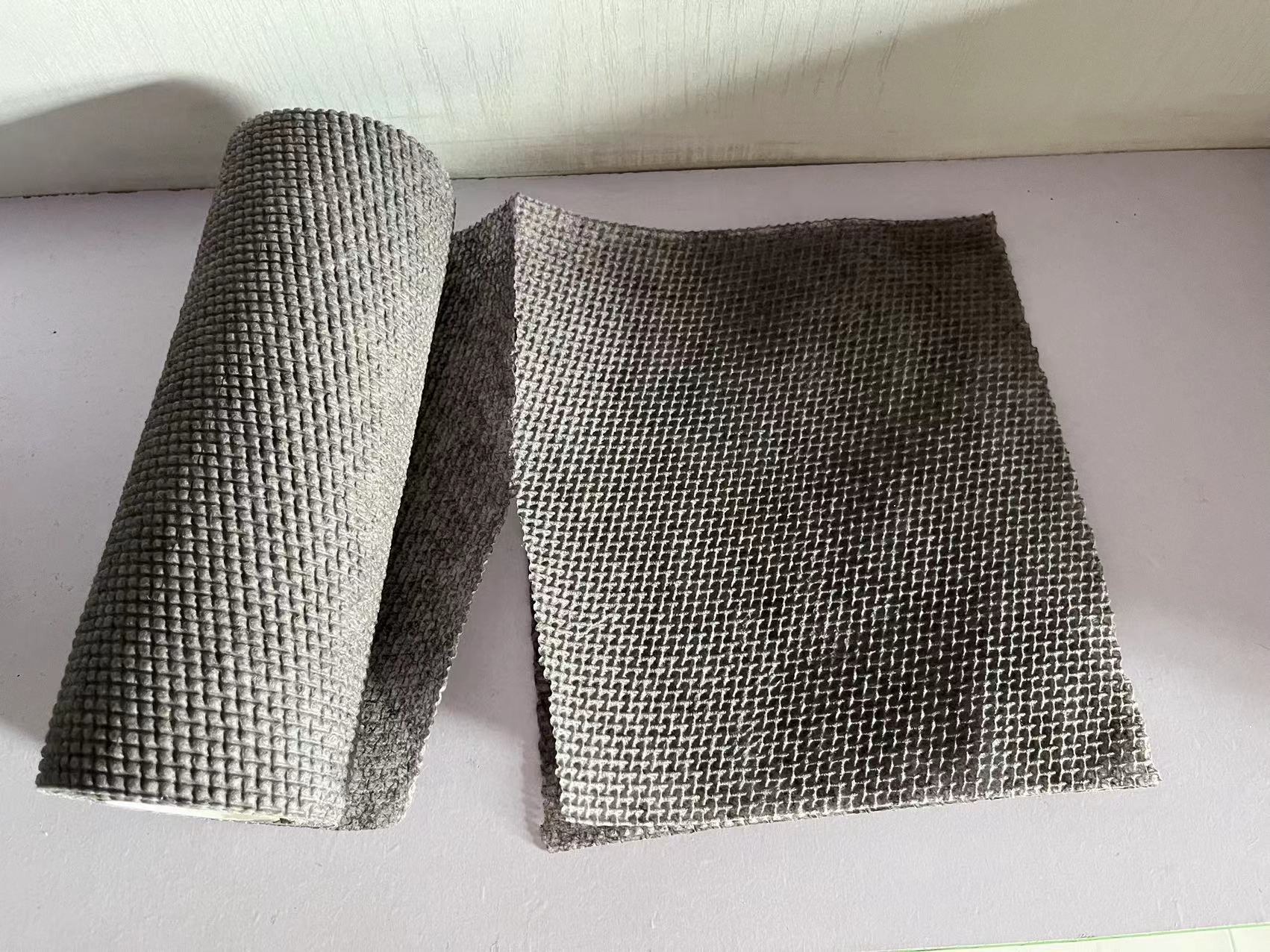
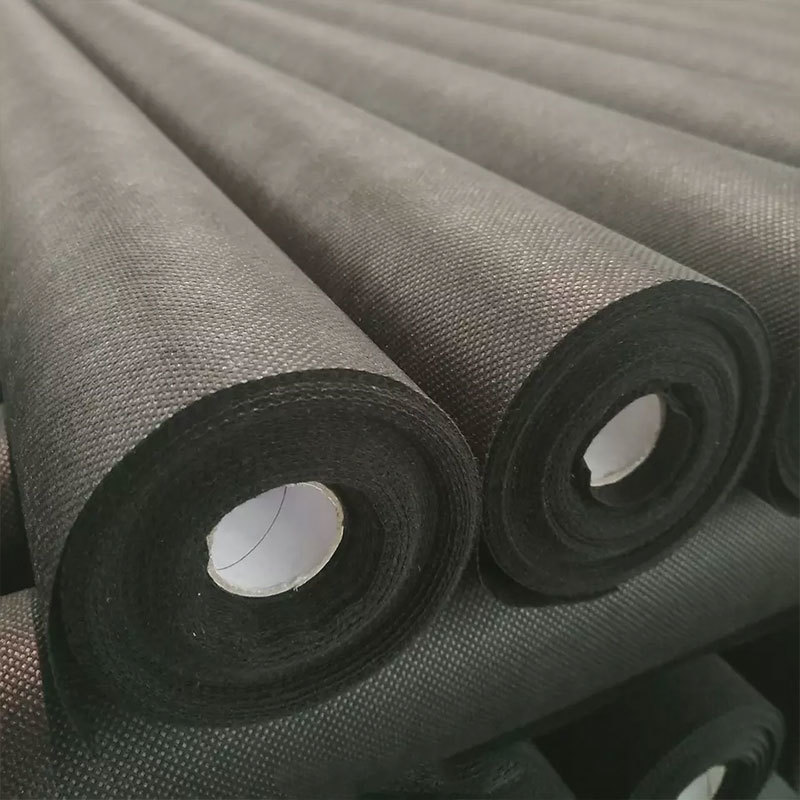
While not technically woven, non-woven fabrics also provide effective weed control and are often made from recycled materials. They are typically lighter and easier to install.
4. Installation Process of Woven Ground Cover Fabric
Installing woven ground cover fabric properly is crucial for maximizing its benefits. Follow these steps for effective installation:
4.1 Prepare the Area
Begin by clearing the area of weeds, rocks, and debris. Ensure the soil is level and aerated for optimal plant growth.
4.2 Measure and Cut
Measure the area you wish to cover and cut the fabric accordingly, leaving some overlap at the edges for better coverage.
4.3 Lay the Fabric
Place the fabric over the prepared area, ensuring it lies flat without wrinkles. Secure it in place using landscape staples or pins.
4.4 Add Mulch or Rocks
To enhance the aesthetics and further inhibit weed growth, consider adding a layer of mulch or decorative stones over the fabric.
5. Maintenance Tips for Woven Ground Cover Fabric
To ensure the longevity and effectiveness of woven ground cover fabric, regular maintenance is essential. Here are some tips:
5.1 Regular Inspections
Inspect the fabric periodically for signs of wear or damage. Early detection can prevent larger issues down the line.
5.2 Weed Management
While the fabric inhibits weed growth, some weeds may still find a way through. Regularly check and remove any weeds that appear.
5.3 Cleaning and Care
Keep the fabric clean by removing fallen leaves and debris that can harbor pests and diseases. This will help maintain optimal conditions for your plants.
6. Environmental Impact and Sustainability
Woven ground cover fabric aligns well with sustainable gardening practices. Its ability to reduce water usage and minimize chemical herbicides contributes positively to the environment. Additionally, many fabrics are made from recycled materials or natural fibers, further reducing the ecological footprint associated with traditional gardening methods.
7. Cost Analysis of Woven Ground Cover Fabric
Investing in woven ground cover fabric can be cost-effective in the long term. While the initial cost may vary based on the type and quality of the fabric, the savings in water usage and labor for weed management can offset these expenses. On average, gardeners can expect to spend between $0.50 and $2.00 per square foot, depending on the chosen material.
8. FAQs about Woven Ground Cover Fabric
8.1 How long does woven ground cover fabric last?
The lifespan of woven ground cover fabric can vary, but high-quality polypropylene options can last up to 10 years with proper care.
8.2 Can I use woven ground cover fabric in vegetable gardens?
Yes, woven ground cover fabric is suitable for vegetable gardens, providing effective weed control while allowing water and nutrients to reach the soil.
8.3 Is woven ground cover fabric biodegradable?
Some types, particularly those made from natural fibers like jute or coir, are biodegradable and will break down over time, enriching the soil.
8.4 How do I replace worn-out ground cover fabric?
To replace worn fabric, simply remove the old material, prepare the area as before, and install new fabric following the installation steps.
8.5 Can I plant directly into woven ground cover fabric?
Yes, you can cut slits or holes in the fabric to plant directly through it, effectively utilizing both the fabric's benefits and your desired plant selection.
9. Conclusion
Incorporating **woven ground cover fabric** into your gardening routine presents a myriad of benefits, from effective weed suppression to improved soil quality and moisture retention. With its diverse applications and environmentally friendly characteristics, this innovative solution is a powerful ally for any gardener seeking to cultivate a thriving, sustainable landscape. By understanding the types available, installation techniques, and maintenance practices, you can maximize the advantages of woven ground cover fabric and enjoy a flourishing garden for years to come.
woven ground cover fabric

LEAVE A MESSAGE
MESSAGE