



18
2025
-
09
Understanding Spunbond Polypropylene Fabric: A Versatile Nonwoven Material
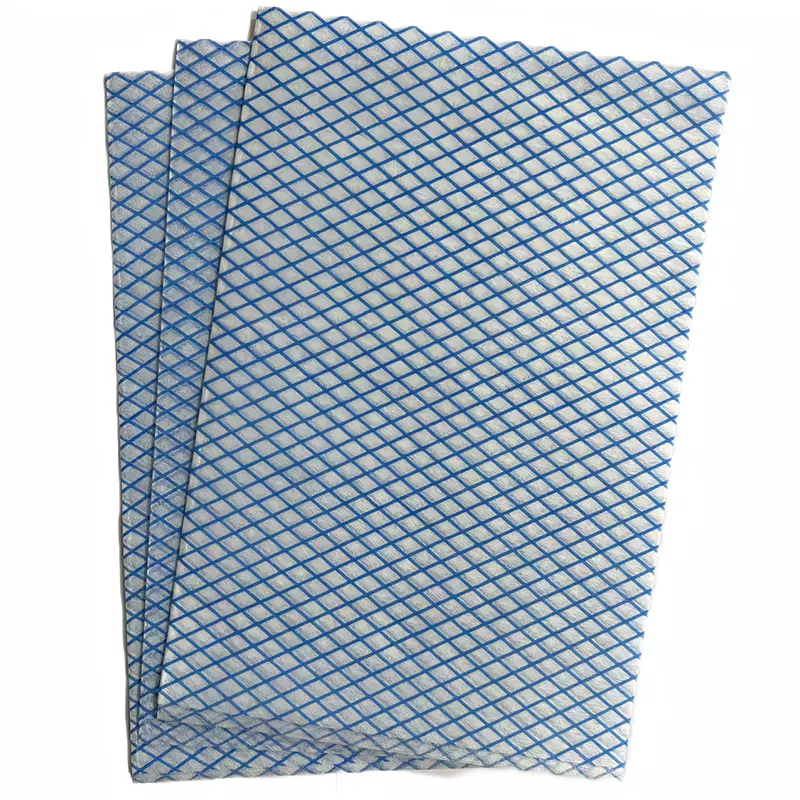
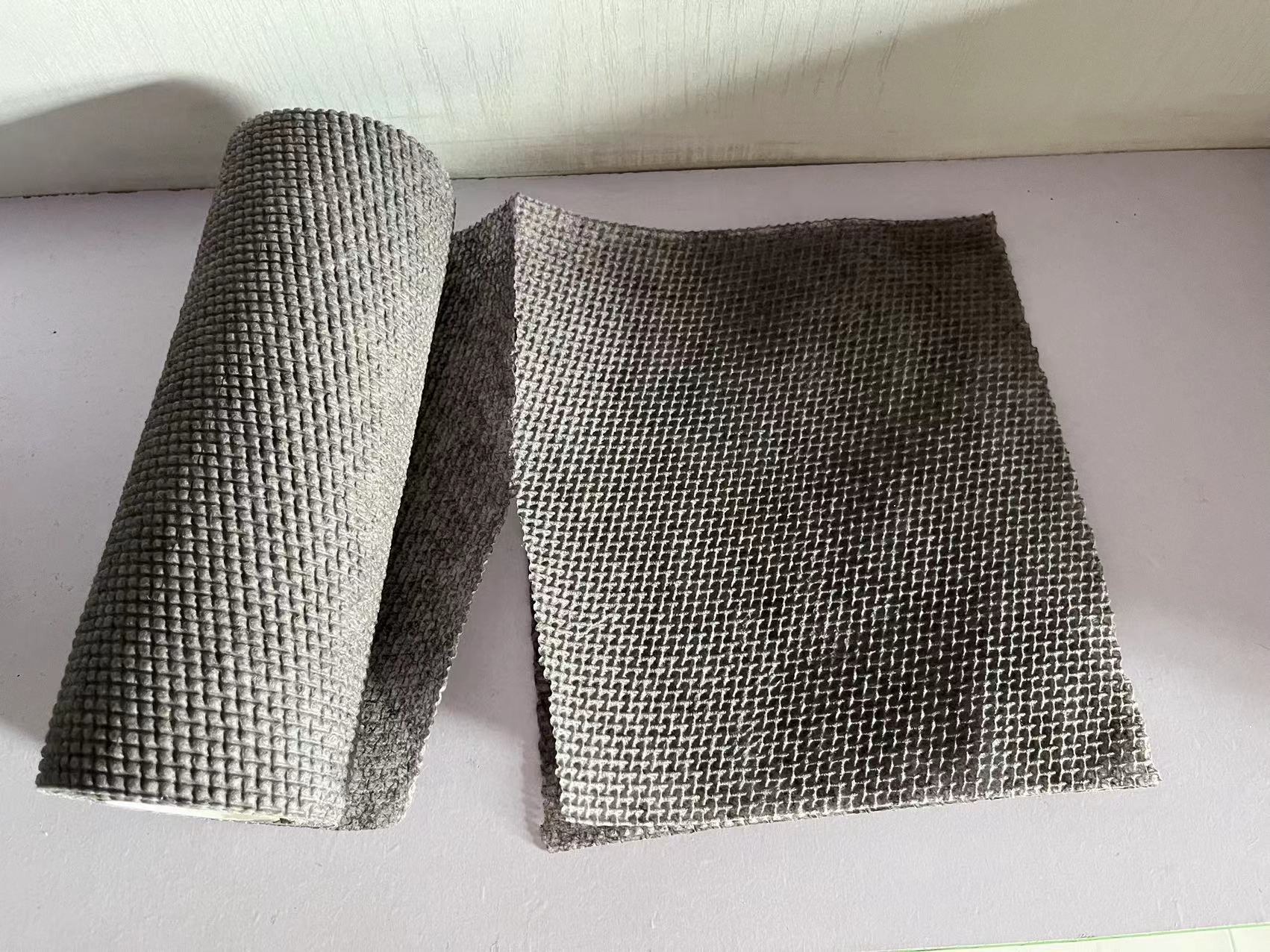
Spunbond polypropylene fabric is a type of nonwoven material that is widely recognized for its unique manufacturing process and diverse applications. This fabric is created through a method called spunbonding, where polypropylene filaments are extruded and laid down in a web-like structure. The result is a strong, lightweight fabric that boasts remarkable durability and versatility. One of the pri

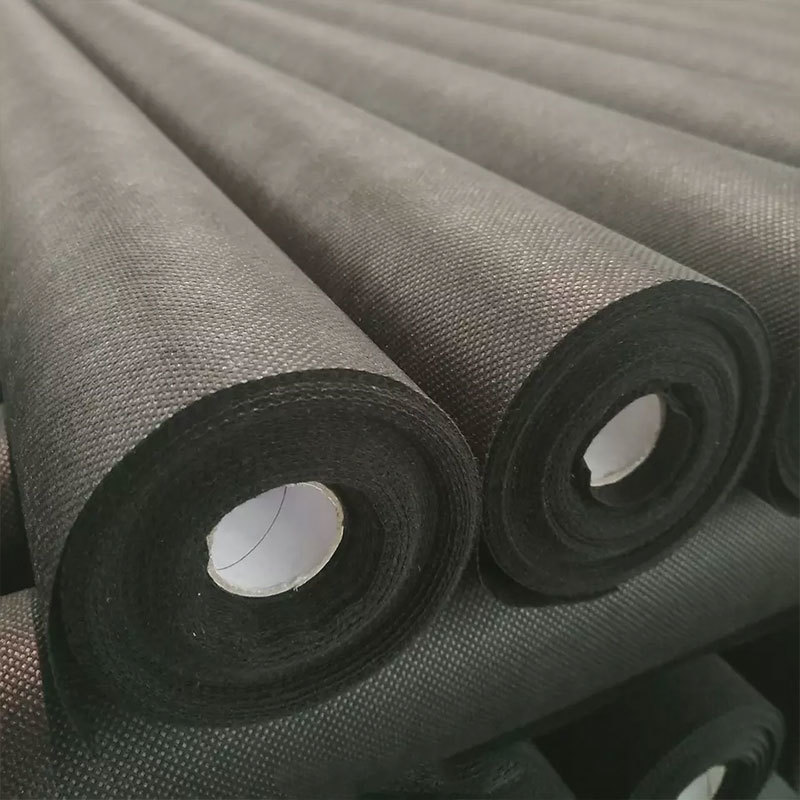
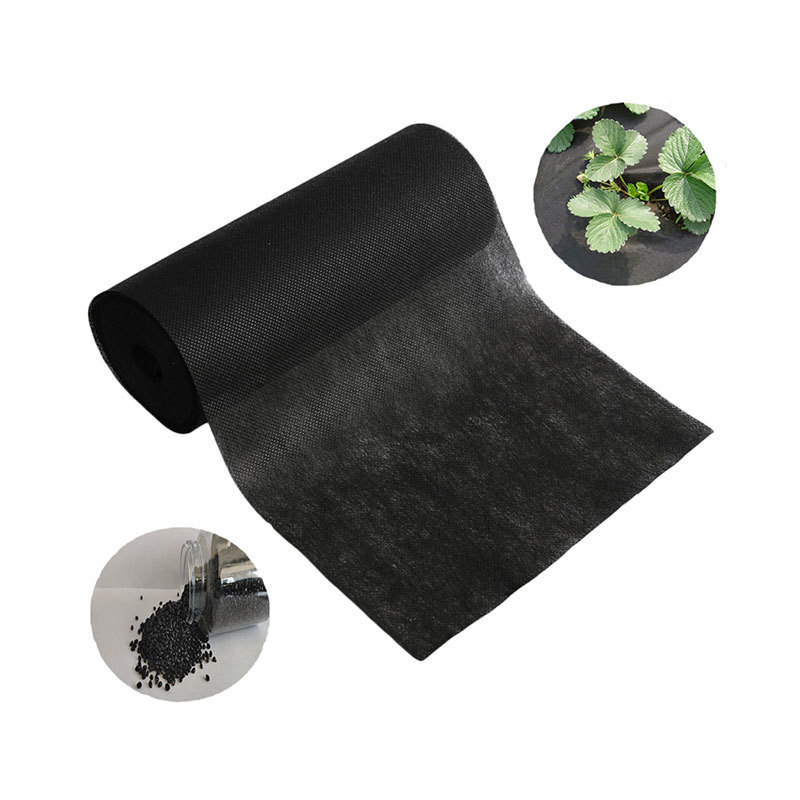
Spunbond polypropylene fabric is a type of nonwoven material that is widely recognized for its unique manufacturing process and diverse applications. This fabric is created through a method called spunbonding, where polypropylene filaments are extruded and laid down in a web-like structure. The result is a strong, lightweight fabric that boasts remarkable durability and versatility.
One of the primary advantages of spunbond polypropylene fabric is its resistance to moisture and chemicals. Unlike woven fabrics, which can be susceptible to water damage and staining, spunbond polypropylene is hydrophobic, meaning it repels water and does not absorb liquids. This characteristic makes it an ideal choice for applications where moisture is a concern, such as in medical products, agricultural covers, and protective clothing.
Another important characteristic of spunbond polypropylene fabric is its breathability. The fabric allows air to pass through while still providing a barrier against larger particles and contaminants. This feature is particularly valuable in products such as face masks and personal protective equipment (PPE), where maintaining airflow is crucial for comfort while ensuring safety.
In addition to its physical properties, spunbond polypropylene fabric is also appreciated for its eco-friendly attributes. Being made from a thermoplastic polymer, it can be recycled and reused, minimizing waste and environmental impact. Many manufacturers are now adopting sustainable practices by producing spunbond polypropylene that adheres to environmental standards, making it a preferred choice for companies aiming to contribute to a greener planet.
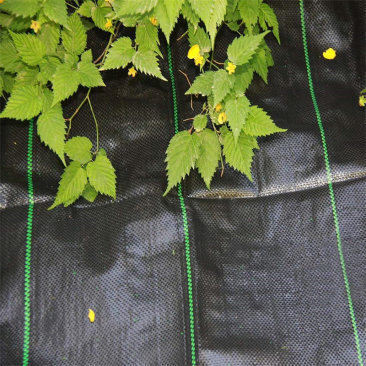
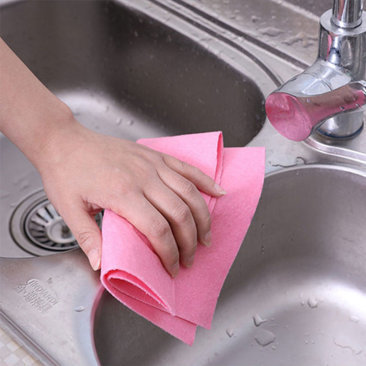
The versatility of spunbond polypropylene fabric extends to its wide range of applications. It is commonly used in the production of shopping bags, disposable tablecloths, and various medical supplies, such as surgical gowns and drapes. Additionally, the fabric is employed in agriculture for crop covers and erosion control, showcasing its adaptability across industries.
In terms of ease of use, spunbond polypropylene can be easily printed on and dyed. This allows businesses to customize products for branding and aesthetic purposes, enhancing the overall marketability of their offerings. Furthermore, the fabric can be cut, sewn, and bonded, making it suitable for various manufacturing processes.
In summary, spunbond polypropylene fabric stands out in the nonwoven textile industry for its strength, durability, and eco-friendly nature. Its unique properties make it suitable for a myriad of applications across different sectors. As industries continue to seek sustainable and versatile materials, spunbond polypropylene will undoubtedly remain a key player in the evolution of textile solutions.
One of the primary advantages of spunbond polypropylene fabric is its resistance to moisture and chemicals. Unlike woven fabrics, which can be susceptible to water damage and staining, spunbond polypropylene is hydrophobic, meaning it repels water and does not absorb liquids. This characteristic makes it an ideal choice for applications where moisture is a concern, such as in medical products, agricultural covers, and protective clothing.
Another important characteristic of spunbond polypropylene fabric is its breathability. The fabric allows air to pass through while still providing a barrier against larger particles and contaminants. This feature is particularly valuable in products such as face masks and personal protective equipment (PPE), where maintaining airflow is crucial for comfort while ensuring safety.
In addition to its physical properties, spunbond polypropylene fabric is also appreciated for its eco-friendly attributes. Being made from a thermoplastic polymer, it can be recycled and reused, minimizing waste and environmental impact. Many manufacturers are now adopting sustainable practices by producing spunbond polypropylene that adheres to environmental standards, making it a preferred choice for companies aiming to contribute to a greener planet.
The versatility of spunbond polypropylene fabric extends to its wide range of applications. It is commonly used in the production of shopping bags, disposable tablecloths, and various medical supplies, such as surgical gowns and drapes. Additionally, the fabric is employed in agriculture for crop covers and erosion control, showcasing its adaptability across industries.
In terms of ease of use, spunbond polypropylene can be easily printed on and dyed. This allows businesses to customize products for branding and aesthetic purposes, enhancing the overall marketability of their offerings. Furthermore, the fabric can be cut, sewn, and bonded, making it suitable for various manufacturing processes.
In summary, spunbond polypropylene fabric stands out in the nonwoven textile industry for its strength, durability, and eco-friendly nature. Its unique properties make it suitable for a myriad of applications across different sectors. As industries continue to seek sustainable and versatile materials, spunbond polypropylene will undoubtedly remain a key player in the evolution of textile solutions.
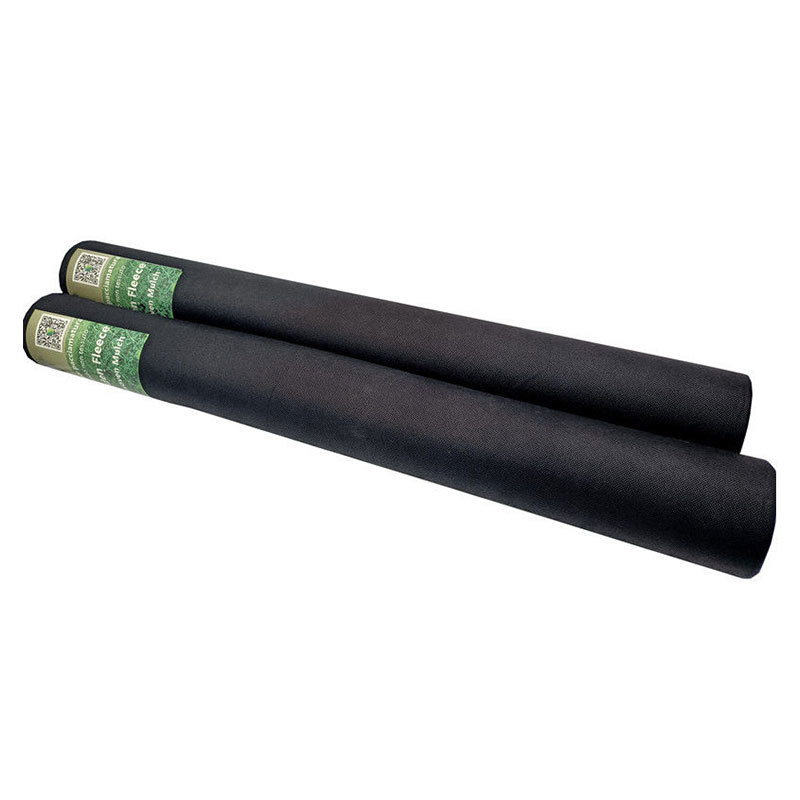
spunbond polypropylene fabric

LEAVE A MESSAGE
MESSAGE