



01
2025
-
10
Exploring the Different Types of Garden Ground Cover Fabrics Available: A Comprehensive Guide
Exploring the Different Types of Garden Ground Cover Fabrics Available Ground cover fabrics play a crucial role in modern landscaping, providing an effective solution for weed control, soil erosion prevention, and aesthetic enhancement. In this article, we will explore various types of garden ground cover fabrics, their unique benefits, and how to choose the right one for your specific gardening n

Exploring the Different Types of Garden Ground Cover Fabrics Available
Ground cover fabrics play a crucial role in modern landscaping, providing an effective solution for weed control, soil erosion prevention, and aesthetic enhancement. In this article, we will explore various types of garden ground cover fabrics, their unique benefits, and how to choose the right one for your specific gardening needs.
Table of Contents
- 1. Introduction to Ground Cover Fabrics
- 2. Benefits of Using Ground Cover Fabrics
- 3. Different Types of Garden Ground Cover Fabrics
- 3.1 Woven Ground Cover Fabrics
- 3.2 Non-Woven Ground Cover Fabrics
- 3.3 Biodegradable Ground Cover Fabrics
- 3.4 Plastic Ground Cover Fabrics
- 3.5 Rubber Ground Cover Fabrics
- 4. How to Use Ground Cover Fabrics in Your Garden
- 5. Criteria for Selecting the Right Ground Cover Fabric
- 6. Maintenance Tips for Ground Cover Fabrics
- 7. Frequently Asked Questions
- 8. Conclusion
1. Introduction to Ground Cover Fabrics
Garden ground cover fabrics are specially designed materials that serve as a barrier between the soil and the elements. They are essential for controlling weeds, retaining moisture, and protecting plant roots from extreme temperatures. With a variety of options available on the market, understanding the different types is key to making an informed choice that suits your gardening requirements.
2. Benefits of Using Ground Cover Fabrics
Utilizing ground cover fabrics in your garden comes with numerous advantages. Here are some of the most significant benefits:
2.1 Weed Control
Ground cover fabrics significantly impede weed growth by blocking sunlight and preventing germination. This leads to reduced competition for nutrients and water among your plants.
2.2 Soil Erosion Prevention
When installed properly, these fabrics help stabilize soil, preventing erosion caused by wind and water runoff. This is especially beneficial on slopes or areas prone to heavy rainfall.
2.3 Moisture Retention
Ground cover fabrics help retain soil moisture by reducing evaporation. This can lead to less frequent watering, saving both time and water resources.
2.4 Temperature Regulation
The fabric acts as an insulating layer, keeping the soil temperature stable. This is crucial for root health, especially in extreme weather conditions.
2.5 Aesthetic Appeal
Ground cover fabrics provide a neat and tidy appearance to your garden. They can be used as a base for decorative stones or mulch, enhancing the overall landscape design.
3. Different Types of Garden Ground Cover Fabrics
Choosing the right ground cover fabric depends on your specific gardening goals. Here, we explore the various types available:
3.1 Woven Ground Cover Fabrics
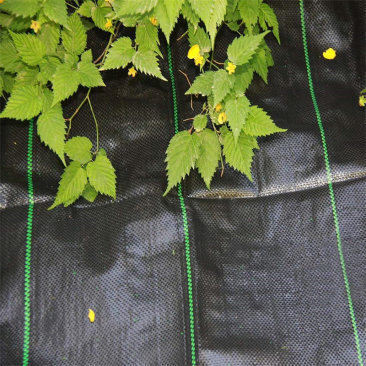
Woven fabrics are made from interlaced strands of polypropylene or polyester, creating a durable and permeable barrier. They allow water and nutrients to pass through while effectively blocking weeds. Woven fabrics are ideal for perennial beds and landscaping projects.
3.2 Non-Woven Ground Cover Fabrics
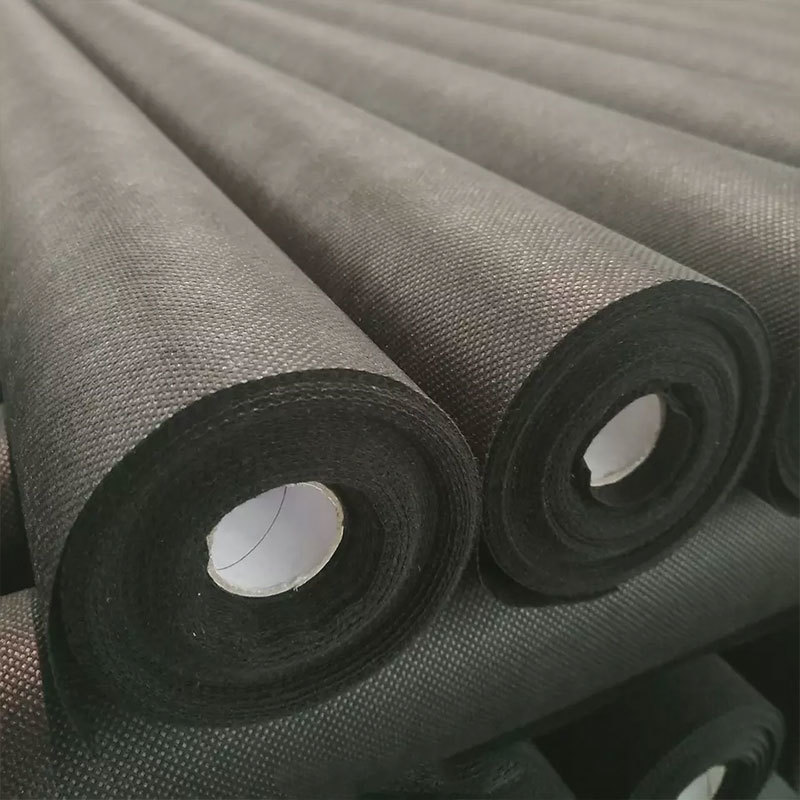
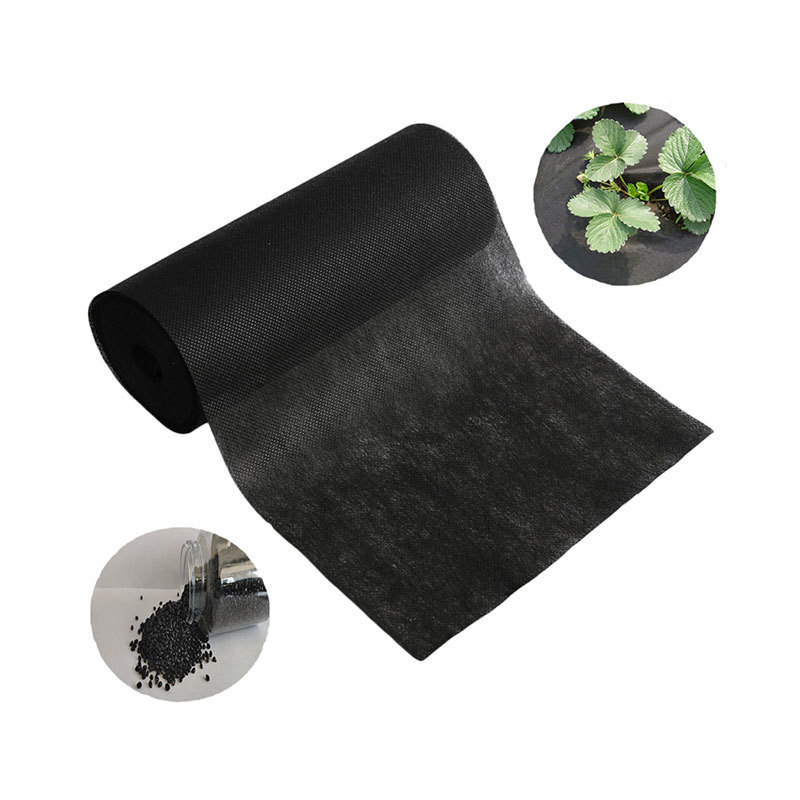
Non-woven fabrics are created through a process that involves bonding fibers together, resulting in a more compact and less permeable material. These fabrics excel in moisture retention, making them suitable for applications like planting beds and around shrubs.
3.3 Biodegradable Ground Cover Fabrics
Biodegradable fabrics are made from natural materials such as jute or coir. They break down over time, returning nutrients to the soil and promoting soil health. These fabrics are perfect for environmentally conscious gardeners looking to reduce their carbon footprint.
3.4 Plastic Ground Cover Fabrics
Plastic ground cover fabrics, typically made from polyethylene, are highly durable and provide excellent weed suppression. However, they can trap heat and moisture, which may not be suitable for all plant types. They are often used in commercial applications.
3.5 Rubber Ground Cover Fabrics
Rubber ground cover fabrics are made from recycled tires and provide excellent cushioning and protection for garden paths and play areas. They are long-lasting and provide a unique aesthetic, although they may not be suitable for all garden types.
4. How to Use Ground Cover Fabrics in Your Garden
Using ground cover fabrics effectively involves careful planning and application. Here’s a step-by-step guide:
4.1 Planning Your Garden Layout
Before laying down the fabric, plan your garden layout. Consider the types of plants you want and their spacing requirements.
4.2 Preparing the Soil
Clear the area of weeds, debris, and rocks. Loosen the soil to a depth of at least 3 inches to provide a good foundation for the fabric.
4.3 Laying the Ground Cover Fabric
Unroll the fabric over the prepared area, ensuring it is taut and free from wrinkles. Secure the edges with landscape staples or pins.
4.4 Cutting and Prepping for Planting
If you plan to plant through the fabric, cut X-shaped slits in the fabric where you want to place your plants. This ensures proper growth while minimizing weed intrusion.
4.5 Applying Mulch or Decorative Stones
For added protection and aesthetic appeal, cover the fabric with a layer of mulch or decorative stones. This not only enhances the look but also further inhibits weed growth.
5. Criteria for Selecting the Right Ground Cover Fabric
When choosing a ground cover fabric, consider the following factors:
5.1 Purpose
Determine the primary purpose of the fabric—whether it’s for weed control, moisture retention, or aesthetic appeal.
5.2 Durability
Assess how long you want the fabric to last. Some materials are designed for short-term use, while others are more durable and long-lasting.
5.3 Permeability
Evaluate the permeability of the fabric, as this will affect water and nutrient flow to your plants.
5.4 Environmental Impact
Consider biodegradable options if you are environmentally conscious and want to minimize plastic waste.
5.5 Budget
Ground cover fabrics come in a range of prices. Determine your budget and look for options that offer the best value for your needs.
6. Maintenance Tips for Ground Cover Fabrics
Proper maintenance will extend the life of your ground cover fabrics. Here are some tips:
6.1 Regular Inspections
Check the fabric periodically for signs of wear and tear. Replace any damaged sections promptly to maintain effectiveness.
6.2 Weeding
While ground cover fabrics reduce weed growth, some weeds may still manage to push through. Regularly inspect and remove any weeds that appear.
6.3 Cleaning
Remove any debris, fallen leaves, or mulch build-up to ensure the fabric remains effective and visually appealing.
6.4 Seasonal Adjustments
Consider adjusting your garden practices with the changing seasons, such as adding mulch in winter for insulation.
7. Frequently Asked Questions
7.1 What is the best type of ground cover fabric for my garden?
The best type depends on your specific gardening goals. For weed control and moisture retention, woven or non-woven fabrics are ideal, while biodegradable options are excellent for environmentally conscious gardeners.
7.2 How long do ground cover fabrics last?
The lifespan of ground cover fabrics varies by material. Woven fabrics can last several years, while biodegradable options may break down within a year or two.
7.3 Can I plant directly into ground cover fabric?
Yes, you can plant directly into the fabric by cutting slits where you want to place your plants. This approach allows for effective weed suppression while supporting plant growth.
7.4 Do I need to remove old ground cover fabric before installing new fabric?
It is advisable to remove old fabric if it's damaged or deteriorating. However, if the fabric is still effective, you can install new fabric over it.
7.5 Can ground cover fabrics be reused?
Some types of ground cover fabrics can be reused if they are still in good condition. Always check for signs of wear before deciding to reuse.
8. Conclusion
In summary, ground cover fabrics are an invaluable asset for any garden, offering a variety of benefits from weed control to soil stabilization. By choosing the right type of fabric and applying it correctly, you can significantly enhance the health and beauty of your garden. We encourage you to explore the options available, consider your specific needs, and invest in quality ground cover fabrics to achieve a thriving garden landscape.
garden ground cover fabric

LEAVE A MESSAGE
MESSAGE