




02
2025
-
10
Understanding Woven Ground Cover Fabric: An Essential Material for Construction and Landscaping
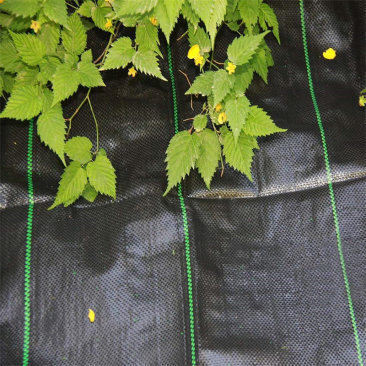
Woven ground cover fabric, often referred to as landscape fabric, is a crucial component in the construction and landscaping industries. This versatile material is designed to provide a variety of benefits, making it an essential tool for professionals working in these fields. Constructed from durable woven polypropylene or polyester, woven ground cover fabric offers strength and longevity, ensuri

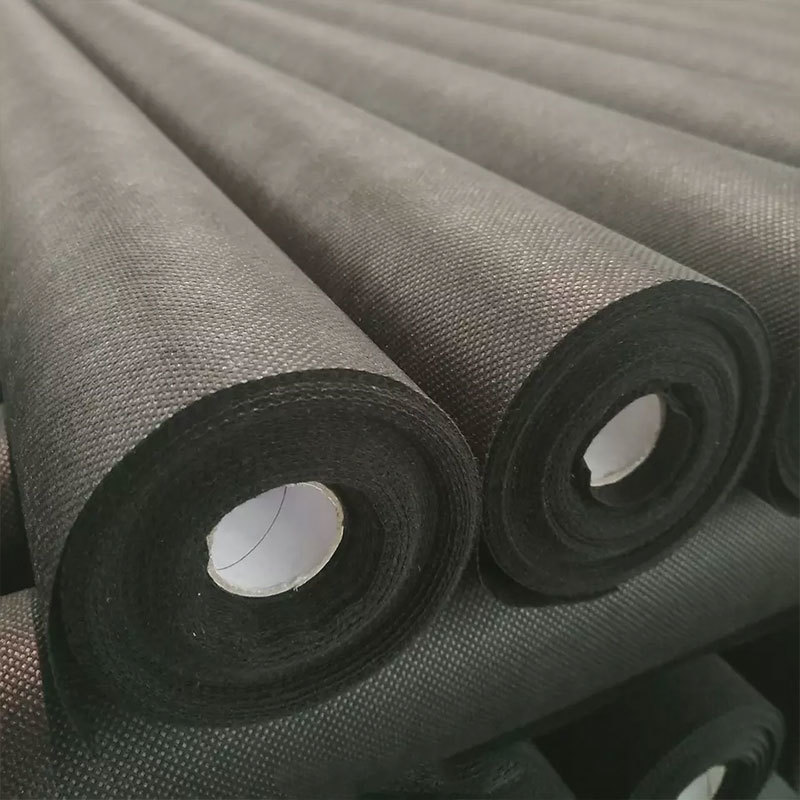
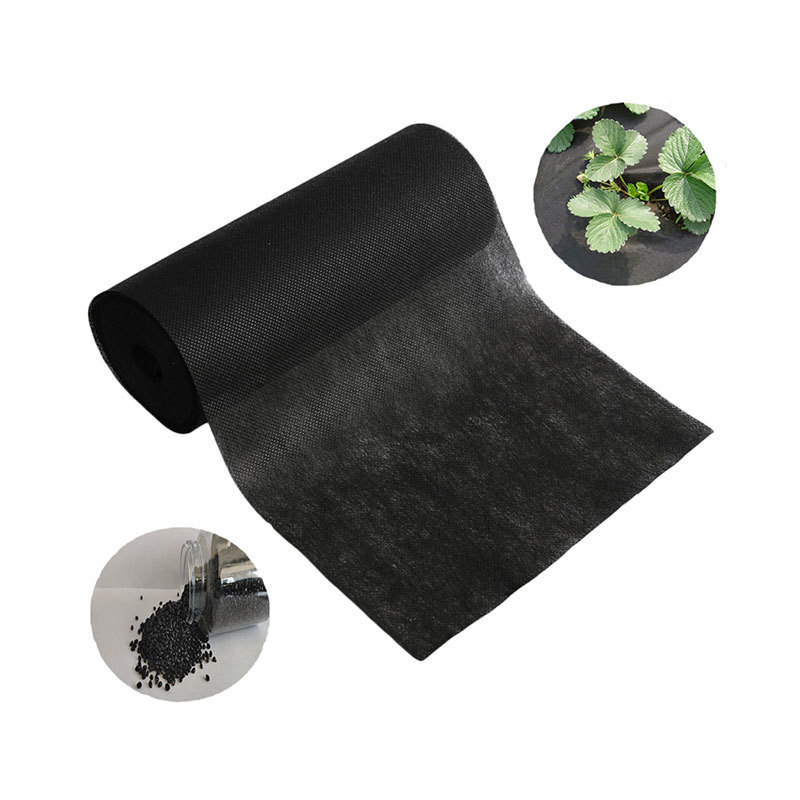
Woven ground cover fabric, often referred to as landscape fabric, is a crucial component in the construction and landscaping industries. This versatile material is designed to provide a variety of benefits, making it an essential tool for professionals working in these fields. Constructed from durable woven polypropylene or polyester, woven ground cover fabric offers strength and longevity, ensuring it can withstand the rigors of various outdoor applications.
One of the primary advantages of using woven ground cover fabric is its ability to prevent weed growth. The fabric acts as a barrier, allowing water and nutrients to pass through while blocking sunlight that weeds need to germinate. This characteristic not only helps maintain the aesthetic appeal of landscaping projects but also reduces the need for chemical herbicides, promoting a healthier environment.
Moreover, woven ground cover fabric is highly permeable, facilitating proper drainage and preventing soil erosion. This feature is particularly beneficial in construction sites, where the stability of soil is critical. By allowing water to flow through while retaining the soil beneath, this fabric helps maintain a consistent moisture level, thus supporting the growth of plants and vegetation. Additionally, it helps prevent sediment runoff, which can be detrimental to surrounding ecosystems.
Woven ground cover fabric is also lightweight and easy to install, making it a popular choice for both commercial and residential applications. It can be used in a variety of settings, including gardens, flowerbeds, and under driveways or walkways. Its versatility extends to various projects, such as creating pathways, controlling soil erosion on slopes, or even as a base layer under mulch or gravel. The fabric's durability ensures that it can withstand exposure to the elements, making it a long-lasting solution for ground cover needs.
Furthermore, this fabric is often used in conjunction with other landscaping materials, such as mulch or stones, to enhance its effectiveness. By layering mulch on top of the woven ground cover fabric, professionals can further suppress weed growth while adding aesthetic value to the landscape. This combination not only improves the overall appearance but also aids in moisture retention and temperature regulation for the soil.
In summary, woven ground cover fabric is an indispensable material in the construction and landscaping industries. With benefits such as weed suppression, soil erosion control, and effective drainage, it plays a vital role in promoting healthy, sustainable environments. Its ease of installation and versatility make it a go-to solution for various projects, whether large or small. As professionals in the industry, understanding the utility of woven ground cover fabric can significantly impact the success of your landscaping and construction endeavors.
One of the primary advantages of using woven ground cover fabric is its ability to prevent weed growth. The fabric acts as a barrier, allowing water and nutrients to pass through while blocking sunlight that weeds need to germinate. This characteristic not only helps maintain the aesthetic appeal of landscaping projects but also reduces the need for chemical herbicides, promoting a healthier environment.
Moreover, woven ground cover fabric is highly permeable, facilitating proper drainage and preventing soil erosion. This feature is particularly beneficial in construction sites, where the stability of soil is critical. By allowing water to flow through while retaining the soil beneath, this fabric helps maintain a consistent moisture level, thus supporting the growth of plants and vegetation. Additionally, it helps prevent sediment runoff, which can be detrimental to surrounding ecosystems.
Woven ground cover fabric is also lightweight and easy to install, making it a popular choice for both commercial and residential applications. It can be used in a variety of settings, including gardens, flowerbeds, and under driveways or walkways. Its versatility extends to various projects, such as creating pathways, controlling soil erosion on slopes, or even as a base layer under mulch or gravel. The fabric's durability ensures that it can withstand exposure to the elements, making it a long-lasting solution for ground cover needs.
Furthermore, this fabric is often used in conjunction with other landscaping materials, such as mulch or stones, to enhance its effectiveness. By layering mulch on top of the woven ground cover fabric, professionals can further suppress weed growth while adding aesthetic value to the landscape. This combination not only improves the overall appearance but also aids in moisture retention and temperature regulation for the soil.
In summary, woven ground cover fabric is an indispensable material in the construction and landscaping industries. With benefits such as weed suppression, soil erosion control, and effective drainage, it plays a vital role in promoting healthy, sustainable environments. Its ease of installation and versatility make it a go-to solution for various projects, whether large or small. As professionals in the industry, understanding the utility of woven ground cover fabric can significantly impact the success of your landscaping and construction endeavors.
woven ground cover fabric

LEAVE A MESSAGE
MESSAGE