



09
2025
-
10
The Future of Nonwoven Fabrics: Innovations in Polypropylene
The Future of Nonwoven Fabrics: Innovations in Polypropylene Table of Contents 1. Introduction to Nonwoven Fabrics 2. Understanding Polypropylene Nonwovens 3. Innovative Manufacturing Techniques 4. Applications of Nonwoven Polypropylene 5. Sustainability in Nonwoven Fabrics 6. Future Trends in Polypropylene Nonwovens 7. Challenges and Solutions in Nonwoven Fabric Development 8. Conclusion 9. FAQs

The Future of Nonwoven Fabrics: Innovations in Polypropylene
Table of Contents
- 1. Introduction to Nonwoven Fabrics
- 2. Understanding Polypropylene Nonwovens
- 3. Innovative Manufacturing Techniques
- 4. Applications of Nonwoven Polypropylene
- 5. Sustainability in Nonwoven Fabrics
- 6. Future Trends in Polypropylene Nonwovens
- 7. Challenges and Solutions in Nonwoven Fabric Development
- 8. Conclusion
- 9. FAQs
1. Introduction to Nonwoven Fabrics
The textile industry has witnessed a significant evolution over the past few decades, particularly with the advent of nonwoven fabrics. Unlike traditional woven or knitted fabrics, nonwovens are created by bonding fibers together through various processes, such as mechanical, thermal, or chemical means. This innovative approach allows for a plethora of applications across numerous sectors, including healthcare, agriculture, and automotive industries.
In this article, we will delve into the future of nonwoven fabrics, focusing on the innovations in polypropylene—a versatile material that has become a cornerstone in nonwoven technology. As we explore the advancements and applications, we aim to highlight how these innovations will shape the future landscape of textiles.
2. Understanding Polypropylene Nonwovens
Polypropylene is a thermoplastic polymer widely used in the production of nonwoven fabrics. Its properties, such as high tensile strength, resistance to chemicals, and lightweight nature, make it an ideal choice for a variety of applications. Polypropylene nonwovens can be produced through several methods, including spunbonding, meltblowing, and needlepunching.
2.1 Characteristics of Polypropylene Nonwovens
Polypropylene nonwovens possess several distinctive characteristics that set them apart from other textile materials:
- **Durability**: The strength of polypropylene ensures that nonwovens remain intact, even under stress.
- **Moisture Resistance**: Polypropylene repels water, making it suitable for applications in which moisture management is crucial.
- **Lightweight**: The low density of polypropylene nonwovens makes them easy to handle and transport.
- **Cost-Effectiveness**: Due to the efficiency of the manufacturing processes and the abundance of raw materials, polypropylene nonwovens are economically viable.
2.2 The Role of Polypropylene in the Nonwoven Landscape
As a leading material in the nonwoven sector, polypropylene is pivotal in meeting industry demands for high-performance fabrics. Its adaptability allows for various finishes and treatments, enhancing the functionality of nonwoven products. This versatility is essential in innovation, as manufacturers seek to create fabrics that address specific customer needs.
3. Innovative Manufacturing Techniques
The manufacturing landscape for nonwoven polypropylene is rapidly changing, driven by technological advancements and the demand for specialized products. Here, we explore some of the innovative techniques that are paving the way for the future of nonwoven fabrics.
3.1 Spunbond Technology
Spunbond technology involves extruding molten polypropylene through spinnerets, creating continuous filaments that are laid randomly to form a web. This method results in fabrics that are strong, lightweight, and suitable for various applications, from geotextiles to hygiene products.
3.2 Meltblown Technology
Meltblown technology produces fine fibers by extruding molten polypropylene through a nozzle into a high-velocity air stream. This process yields ultra-fine nonwoven fabrics, which are essential for filtration applications, including medical masks and air filters.
3.3 Needle Punching
Needle punching involves using barbed needles to entangle fibers, creating a dense and durable fabric. This technique is often used in automotive and industrial applications, where high strength and abrasion resistance are required.
4. Applications of Nonwoven Polypropylene
Polypropylene nonwovens find extensive use in various industries due to their unique properties. Some key applications include:
4.1 Healthcare and Hygiene Products
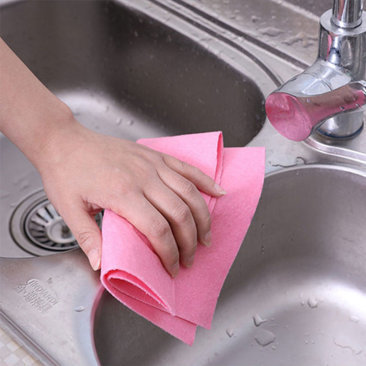
Nonwoven polypropylene is widely used in medical applications, such as surgical gowns, masks, and drapes. The material's barrier properties and comfort make it ideal for single-use items that require sterility.
4.2 Agricultural Applications
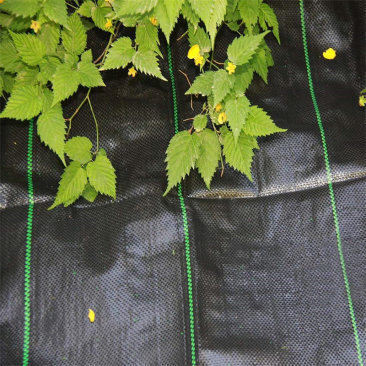
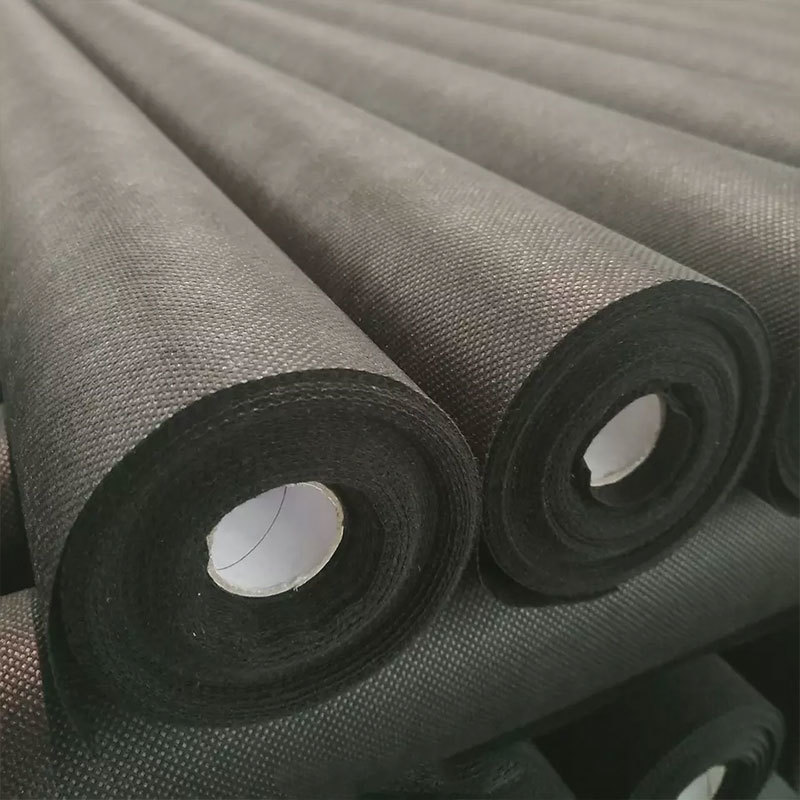
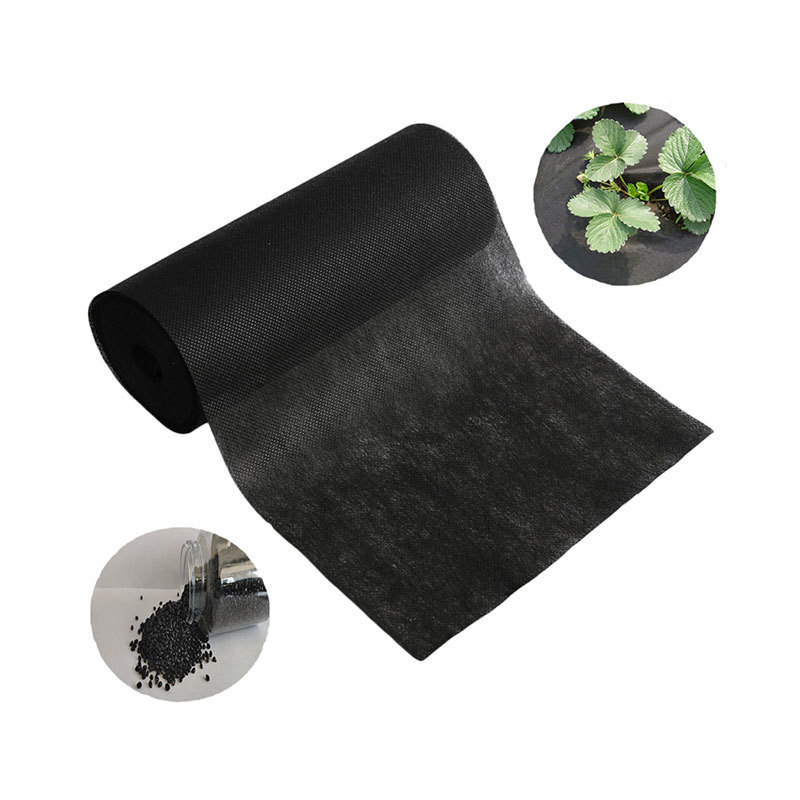
In agriculture, polypropylene nonwovens serve various functions, including crop covers, erosion control fabrics, and weed suppression mats. These materials enhance crop yield and protect plants from environmental stressors.
4.3 Automotive Industry
The automotive sector leverages polypropylene nonwovens for sound insulation, interior linings, and filtration systems. Their lightweight and durable nature contributes to improved fuel efficiency and performance.
4.4 Geotextiles
Nonwoven polypropylene fabrics are extensively used in civil engineering projects, including road construction, drainage, and soil stabilization. Their strength and permeability facilitate effective erosion control and ground reinforcement.
5. Sustainability in Nonwoven Fabrics
As environmental concerns rise, the need for sustainable practices in the textile industry has become paramount. Polypropylene nonwoven manufacturers are increasingly focusing on eco-friendly solutions to minimize their environmental impact.
5.1 Recyclability and Biodegradability
While polypropylene is a synthetic material, advancements in recycling technologies have made it possible to reclaim and reuse nonwoven fabrics. Additionally, research is ongoing into developing biodegradable alternatives to traditional polypropylene, opening new avenues for sustainability.
5.2 Eco-Friendly Production Practices
Manufacturers are adopting eco-friendly production techniques, such as reducing energy consumption and water usage during the manufacturing process. These practices not only benefit the environment but also improve the overall efficiency of production.
6. Future Trends in Polypropylene Nonwovens
The future of polypropylene nonwovens is bright, characterized by innovation and adaptability. Here are some trends to watch for:
6.1 Smart Textiles
The integration of technology into nonwoven fabrics is gaining traction. Smart textiles embedded with sensors and conductive fibers can monitor health metrics, making them ideal for medical and wearable applications.
6.2 Customization and Personalization
As consumer preferences evolve, manufacturers are focusing on customization and personalization in nonwoven products. This trend allows companies to cater to specific market demands and enhance customer satisfaction.
6.3 Advancements in Fiber Technology
Research into advanced fibers and composites will continue to revolutionize the nonwoven fabric landscape. Innovations such as the incorporation of natural fibers or recycled materials into polypropylene nonwovens will enhance performance and sustainability.
7. Challenges and Solutions in Nonwoven Fabric Development
While the future of polypropylene nonwovens is promising, several challenges must be addressed to fully realize their potential.
7.1 Addressing Environmental Concerns
Despite advancements in recycling, the environmental impact of polypropylene production remains a concern. Continued research into sustainable alternatives and improved recycling methods is crucial.
7.2 Market Competition
The nonwoven fabric market is highly competitive, with numerous players vying for market share. Companies must invest in technology and innovation to differentiate themselves and stay ahead of the competition.
7.3 Balancing Cost and Quality
Manufacturers must find a balance between cost-effective production and high-quality output. Investing in advanced technologies can help improve efficiency and product quality, ultimately benefiting consumers.
8. Conclusion
The future of nonwoven fabrics, particularly polypropylene, is set to be defined by innovation, sustainability, and adaptability. As industries continue to evolve, the demand for high-performance nonwoven products will grow, driving manufacturers to explore new technologies and applications. By embracing these advancements, the nonwoven sector can not only meet market demands but also contribute to a more sustainable future.
9. FAQs
1. What are nonwoven fabrics made from?
Nonwoven fabrics can be made from various fibers, but polypropylene is the most commonly used material due to its versatility and durability.
2. How are nonwoven polypropylene fabrics produced?
Nonwoven polypropylene fabrics are produced through several techniques, including spunbonding, meltblowing, and needle punching, which bond fibers together without the need for weaving.
3. What are the main applications of nonwoven polypropylene?
Nonwoven polypropylene is used in healthcare, agriculture, automotive, and geotextiles, among other industries, due to its unique properties.
4. Are polypropylene nonwovens environmentally friendly?
While polypropylene is a synthetic material, advancements in recycling and eco-friendly production practices are making nonwoven polypropylene more sustainable.
5. What future trends should we expect in nonwoven fabric technology?
Future trends include the development of smart textiles, increased customization, and advancements in fiber technology, driving innovation in the nonwoven sector.
nonwoven fabric polypropylene

LEAVE A MESSAGE
MESSAGE