




10
2025
-
10
Understanding PP Spunbond Nonwoven Fabric: Applications and Benefits
PP spunbond nonwoven fabric is a remarkable material that has gained significant traction across multiple industries due to its unique properties and diverse applications. Derived from polypropylene, this nonwoven fabric is produced through a process that involves spinning continuous filaments into a web-like structure, which is then bonded together through thermal or mechanical means. This innova

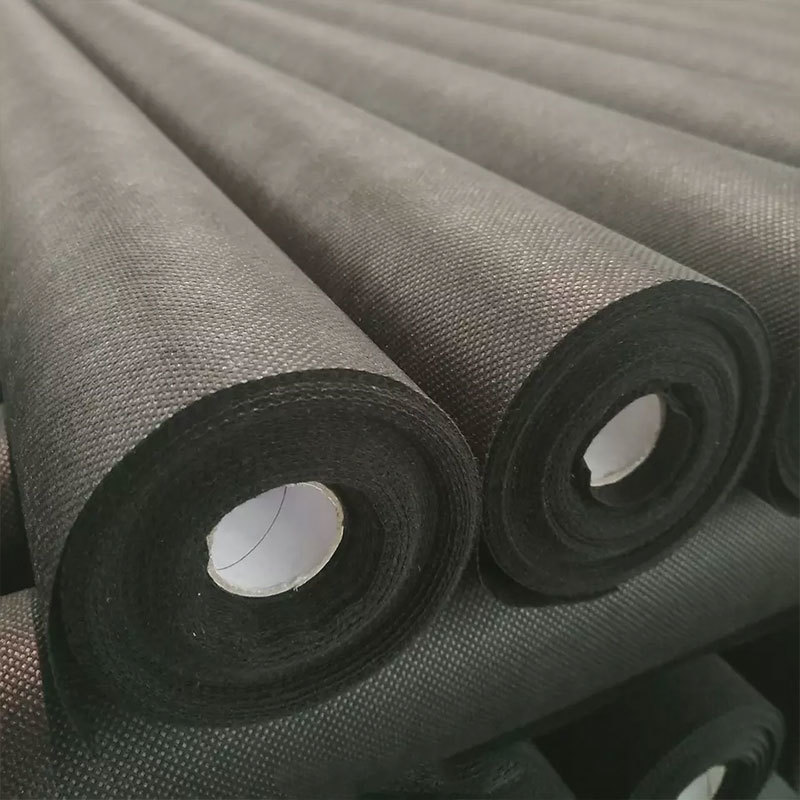
PP spunbond nonwoven fabric is a remarkable material that has gained significant traction across multiple industries due to its unique properties and diverse applications. Derived from polypropylene, this nonwoven fabric is produced through a process that involves spinning continuous filaments into a web-like structure, which is then bonded together through thermal or mechanical means. This innovative manufacturing process results in a fabric that is lightweight, durable, and breathable.
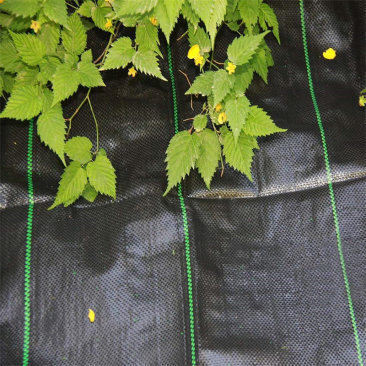
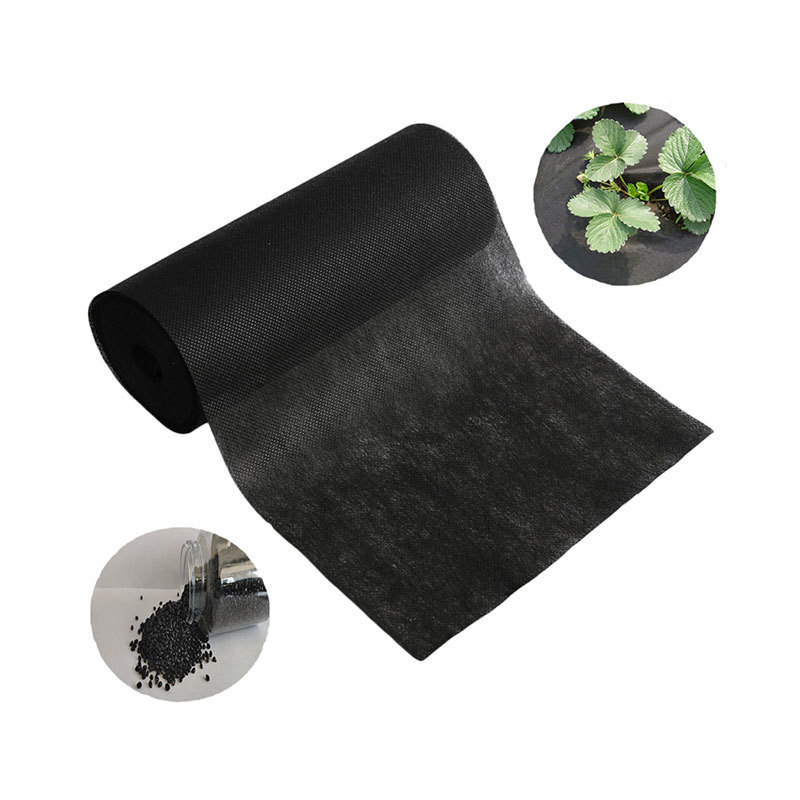
One of the most notable features of PP spunbond nonwoven fabric is its exceptional strength. The fabric exhibits high tensile strength, which makes it ideal for applications requiring durability and resistance to tearing. This characteristic has made it a popular choice in industries such as agriculture, where it is used for mulch films, crop covers, and bags. Its ability to withstand harsh weather conditions ensures that crops are protected while still allowing for air and moisture circulation.
In addition to agriculture, PP spunbond nonwoven fabric is extensively used in the medical and hygiene sectors. Its lightweight and breathable nature make it suitable for the production of surgical gowns, masks, and other personal protective equipment (PPE). The fabric can also be treated to achieve antibacterial properties, enhancing the safety and hygiene of medical applications. This has become especially crucial in recent times, as the demand for reliable protective gear continues to rise.
Another noteworthy application of PP spunbond nonwoven fabric is in the automotive industry. The fabric is used in various components, including interior linings, underlayment, and sound insulation. Its lightweight nature contributes to fuel efficiency, while its durability ensures long-lasting performance.
Moreover, the eco-friendliness of PP spunbond nonwoven fabric cannot be overlooked. While polypropylene is a synthetic material, the fabric can be designed for recyclability. Additionally, its production process typically consumes less water and energy compared to traditional woven fabrics, making it a more sustainable option.
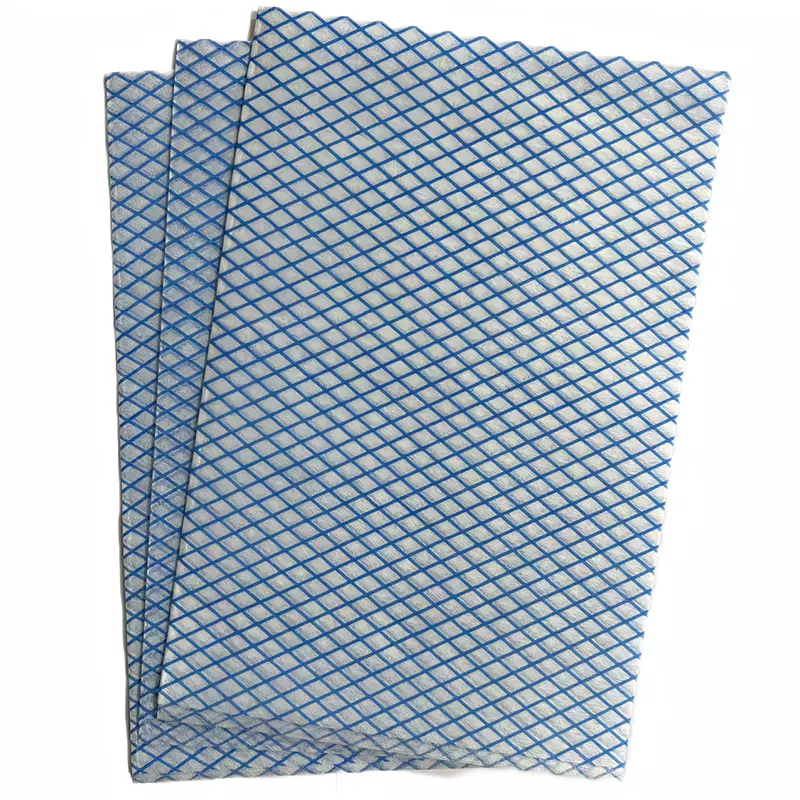
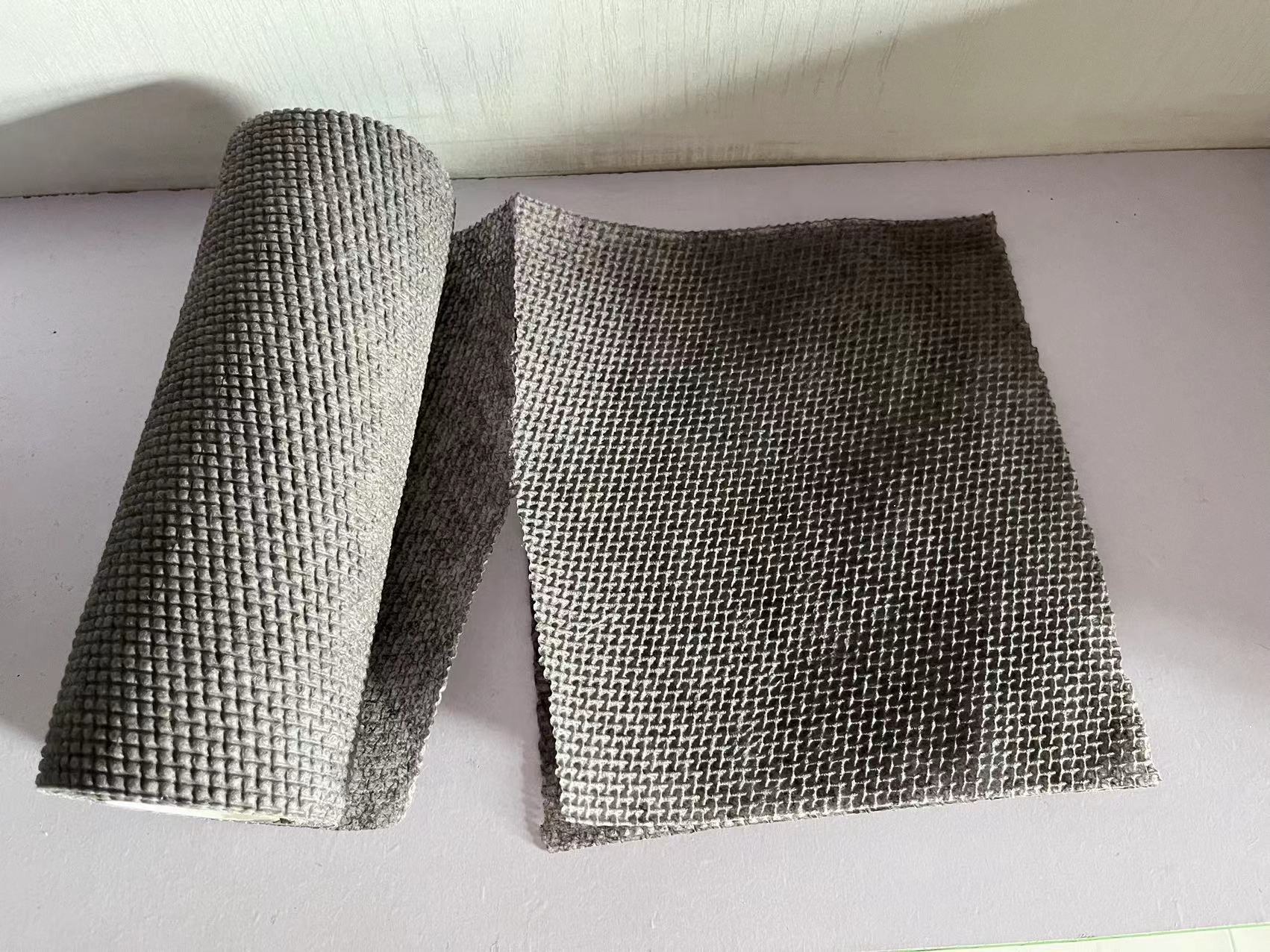
Furthermore, the versatility of PP spunbond nonwoven fabric allows it to be easily customized. It can be dyed, printed, or laminated to meet specific requirements, catering to various aesthetic and functional needs. This adaptability opens up a wide range of possibilities across different sectors, from fashion to construction.
In conclusion, PP spunbond nonwoven fabric stands out as a crucial material in today’s industrial landscape. Its strength, durability, and versatility make it suitable for numerous applications across various sectors. As industries continue to evolve, the demand for innovative, efficient, and eco-friendly materials like PP spunbond nonwoven fabric is likely to increase, solidifying its place in the future of manufacturing and production.
One of the most notable features of PP spunbond nonwoven fabric is its exceptional strength. The fabric exhibits high tensile strength, which makes it ideal for applications requiring durability and resistance to tearing. This characteristic has made it a popular choice in industries such as agriculture, where it is used for mulch films, crop covers, and bags. Its ability to withstand harsh weather conditions ensures that crops are protected while still allowing for air and moisture circulation.
In addition to agriculture, PP spunbond nonwoven fabric is extensively used in the medical and hygiene sectors. Its lightweight and breathable nature make it suitable for the production of surgical gowns, masks, and other personal protective equipment (PPE). The fabric can also be treated to achieve antibacterial properties, enhancing the safety and hygiene of medical applications. This has become especially crucial in recent times, as the demand for reliable protective gear continues to rise.
Another noteworthy application of PP spunbond nonwoven fabric is in the automotive industry. The fabric is used in various components, including interior linings, underlayment, and sound insulation. Its lightweight nature contributes to fuel efficiency, while its durability ensures long-lasting performance.
Moreover, the eco-friendliness of PP spunbond nonwoven fabric cannot be overlooked. While polypropylene is a synthetic material, the fabric can be designed for recyclability. Additionally, its production process typically consumes less water and energy compared to traditional woven fabrics, making it a more sustainable option.
Furthermore, the versatility of PP spunbond nonwoven fabric allows it to be easily customized. It can be dyed, printed, or laminated to meet specific requirements, catering to various aesthetic and functional needs. This adaptability opens up a wide range of possibilities across different sectors, from fashion to construction.
In conclusion, PP spunbond nonwoven fabric stands out as a crucial material in today’s industrial landscape. Its strength, durability, and versatility make it suitable for numerous applications across various sectors. As industries continue to evolve, the demand for innovative, efficient, and eco-friendly materials like PP spunbond nonwoven fabric is likely to increase, solidifying its place in the future of manufacturing and production.
pp spunbond nonwoven fabric

LEAVE A MESSAGE
MESSAGE